Look, I've been running around construction sites for over a decade now, and let me tell you, the biggest shift I’ve seen lately is everyone chasing “smart” fungicides for sale. It’s not just about killing fungus anymore; it’s about sensors, data analytics, and predicting outbreaks before they happen. Sounds fancy, right? Honestly, a lot of it feels like over-engineering, but the demand is there. Folks are wanting solutions that minimize downtime and maximize yield.
The biggest problem? Everyone thinks they can just slap a sensor on a sprayer and call it “smart”. To be honest, it’s a minefield. There's this constant pressure to cut costs, and that's where things start to fall apart. I’ve seen so many projects where the sensors are just…flimsy. They can’t handle the harsh chemicals, the dust, the sheer abuse a construction site dishes out.
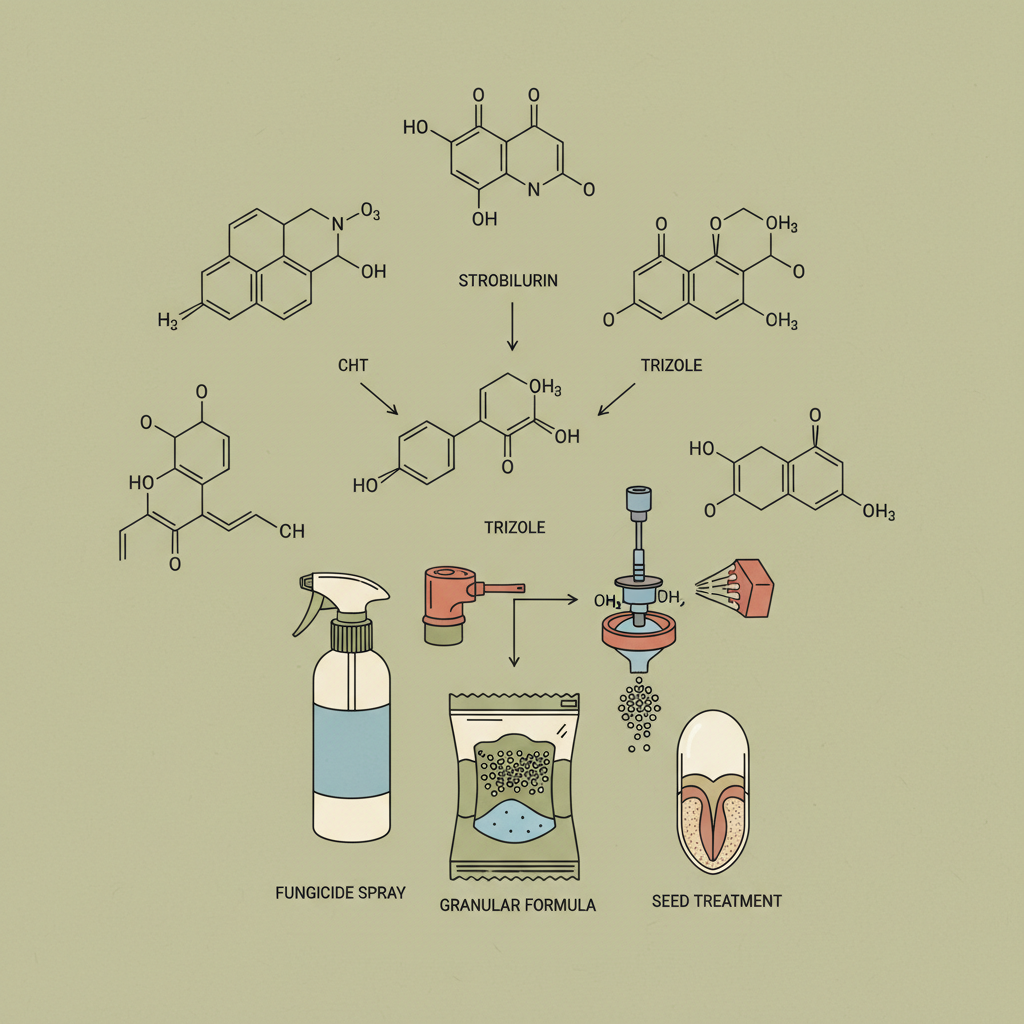
And it’s not just sensors. Even the basic fungicides for sale themselves are getting complex. We’re moving away from those simple copper-based formulas – though those still have their place, mind you. Now you’ve got a whole alphabet soup of triazoles, strobilurins, and carbamates. The trick is knowing which one to use when.
The Current Landscape of Fungicides for Sale
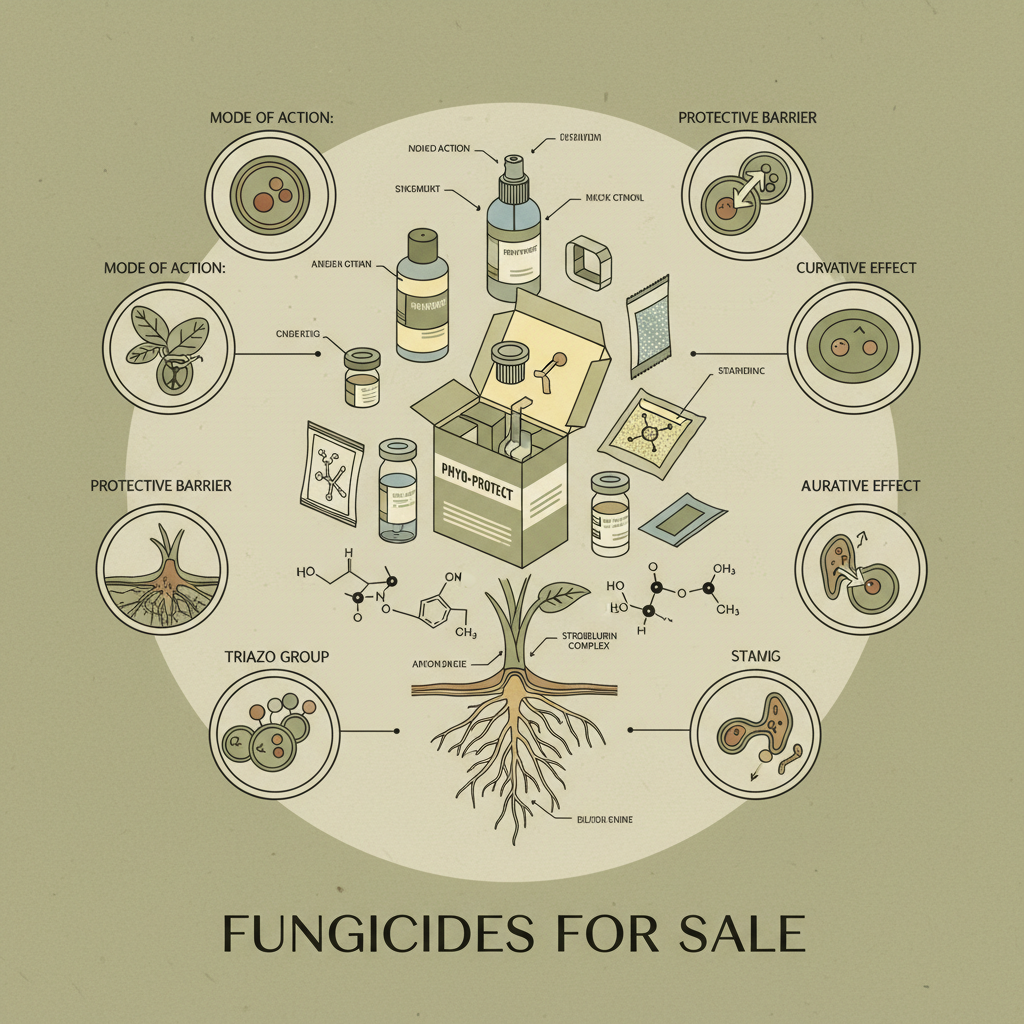
Have you noticed how the market's shifted towards systemic fungicides? They get inside the plant, offering longer protection. But that also means they're slower acting. Contact fungicides, the old-school stuff, are still vital for a quick knockdown. It's about finding the right balance. You need to know what you're fighting – powdery mildew, rust, blight…they all need different approaches.
And then there's the whole organic versus synthetic debate. Organic options are gaining traction, but they're often less effective and more expensive. Strangely enough, a lot of the “organic” stuff is still heavily processed. It’s marketing, plain and simple.
FAQS
That's a good question. It varies hugely depending on the formulation and storage conditions. Generally, liquid fungicides are good for 2-3 years if stored in a cool, dry place, away from direct sunlight. Powders can last longer, but they can also degrade over time, losing their effectiveness. Always check the expiration date on the label – and if you're unsure, err on the side of caution. Don't risk using a product that might not work.
Yes, there are! Copper-based fungicides are commonly used in organic farming, as are some biological control agents like Bacillus subtilis. However, even these "organic" options have their limitations. Copper can build up in the soil and become toxic over time, and biological controls are often less effective than synthetic fungicides. It's a complex issue.
Never, ever pour it down the drain or into the environment! That’s a recipe for disaster. You need to follow the disposal instructions on the label, or contact your local waste management authority. Many areas have designated hazardous waste collection sites where you can safely dispose of leftover pesticides. It’s a pain, but it’s absolutely essential.
Always wear gloves, goggles, and a respirator. Seriously, don’t skimp on the PPE. These chemicals can be harmful if they come into contact with your skin or eyes, or if you inhale them. Also, wear long sleeves and pants, and wash your hands thoroughly after applying the fungicide. It’s better to be safe than sorry.
Generally, no. Mixing different chemicals can lead to unpredictable reactions, potentially reducing their effectiveness or even creating hazardous byproducts. Always read the label carefully and follow the manufacturer's instructions. If you're unsure, it's best to apply them separately.
Rotate your fungicides! Don’t use the same one over and over again. Use a mix of different modes of action. And don't apply fungicides preventatively unless absolutely necessary. Overuse of fungicides is a major driver of resistance development. It's a long game, and we need to be smart about how we use these tools.
Conclusion
So, where does this all leave us? Fungicides for sale are a critical tool for modern agriculture, but they’re not a silver bullet. There's a lot of hype around the "smart" stuff, but the basics still matter – choosing the right product, applying it correctly, and prioritizing safety. You have to know your fungus, your crop, and your environment.
Ultimately, whether this thing works or not, the worker will know the moment he tightens the screw. I reckon the future of fungicides for sale lies in precision application, integrated pest management, and a greater emphasis on sustainability. But let's not forget the importance of good old-fashioned hard work and common sense.