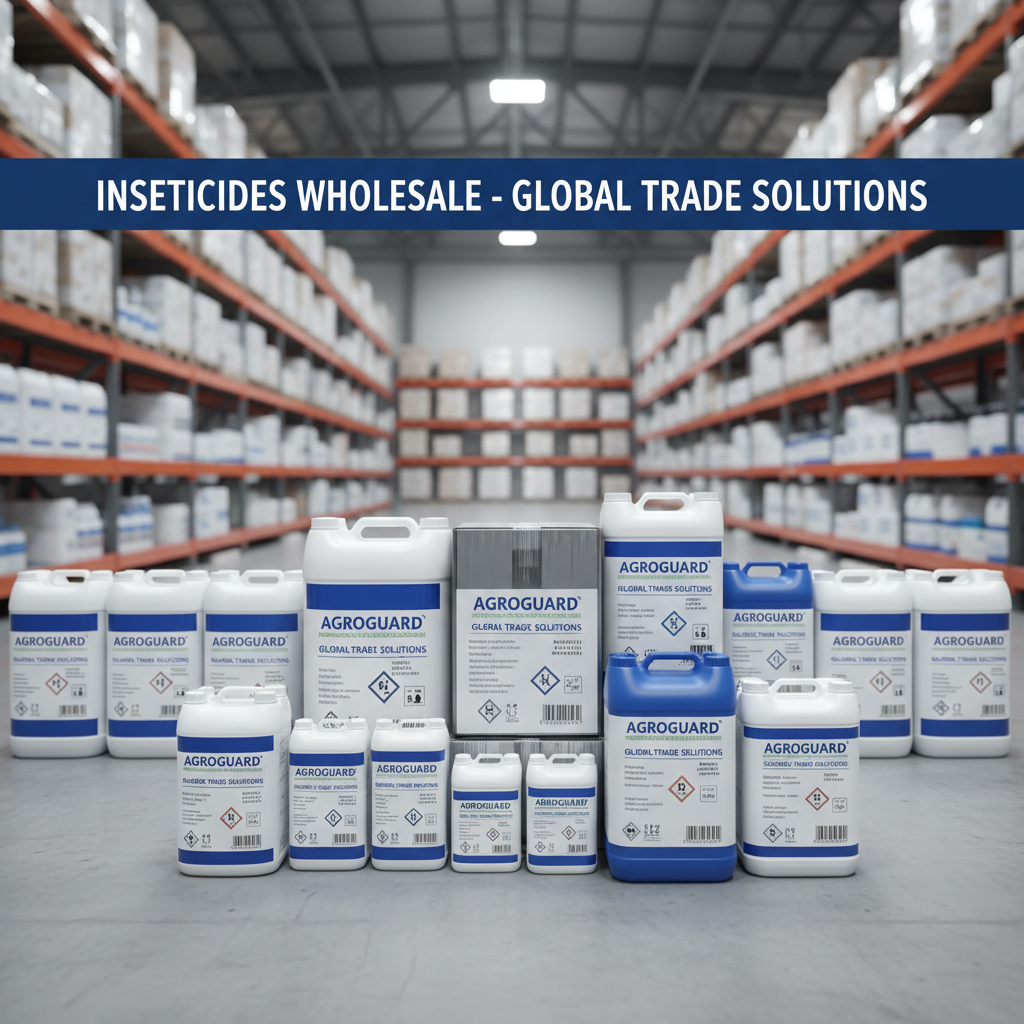
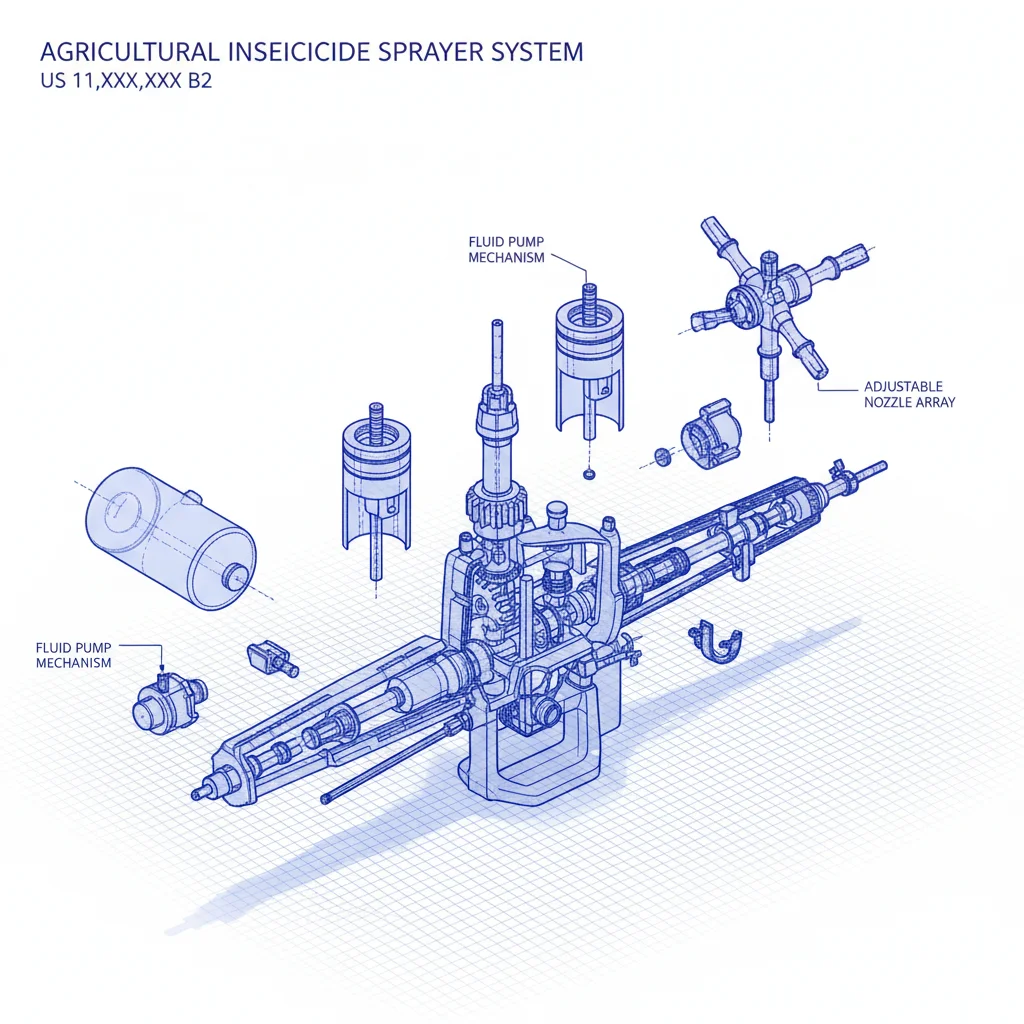
Insecticides wholesale plays a critical role in global agriculture and public health, ensuring access to vital pest control solutions. The efficient distribution of these products is paramount for protecting crops, preventing disease outbreaks, and maintaining food security worldwide. Understanding the intricacies of insecticides wholesale – from sourcing and logistics to regulatory compliance and sustainable practices – is crucial for businesses, governments, and organizations dedicated to safeguarding both human well-being and environmental health.
The insecticides wholesale market is a complex ecosystem influenced by factors like climate change, evolving pest resistance, and increasing demand for sustainable agricultural practices. Effective insecticides wholesale strategies enable proactive pest management, reducing crop losses and improving yields. This directly impacts global food supply chains and economic stability. Furthermore, the ability to rapidly and reliably distribute insecticides is vital during public health emergencies, such as vector-borne disease outbreaks.
Investing in a robust and well-managed insecticides wholesale network is an investment in global resilience. By optimizing distribution channels, minimizing waste, and promoting responsible use, we can ensure that these essential products reach those who need them most, contributing to a healthier and more sustainable future. The need for efficient and responsible insecticides wholesale is only growing in significance.
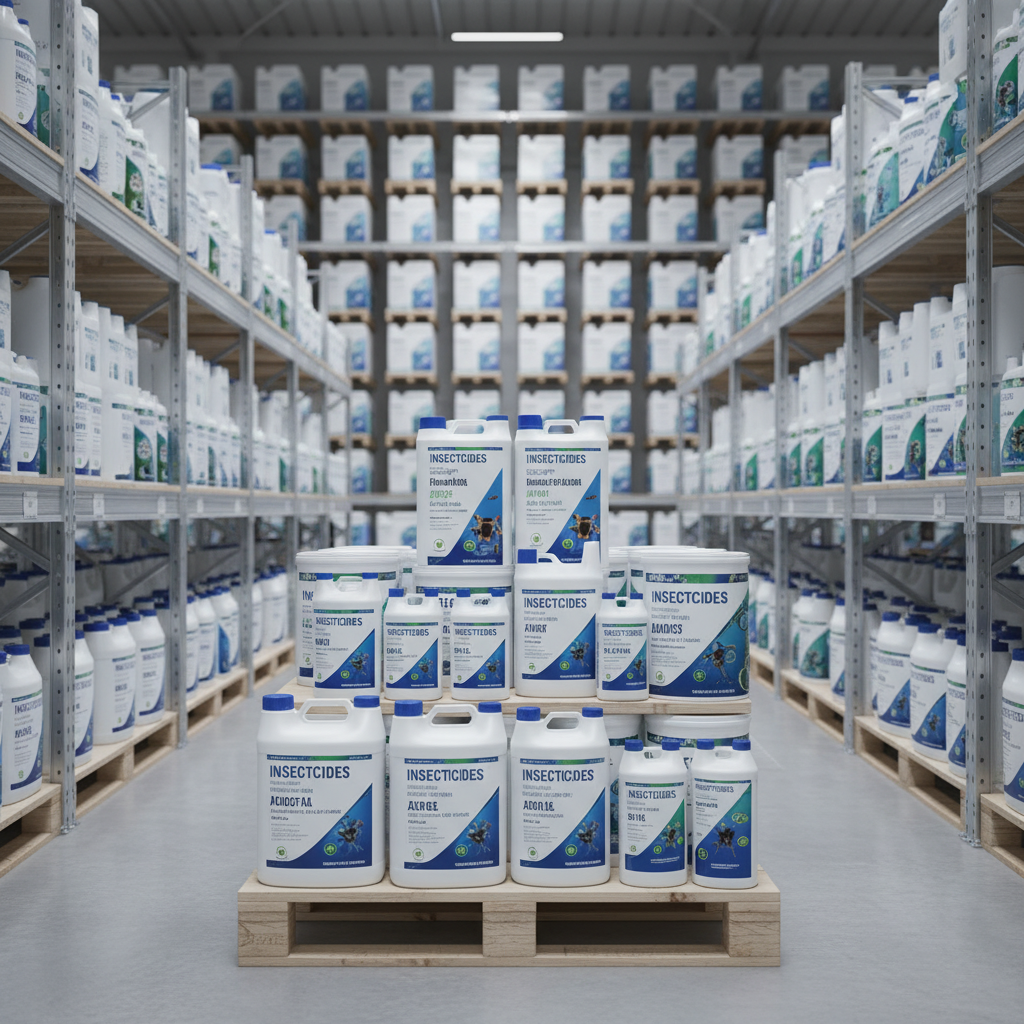
The Global Importance of Insecticides Wholesale
The global insecticides wholesale market is currently estimated at over $20 billion USD and is projected to reach $25 billion by 2028, driven by increasing agricultural demands and growing concerns regarding food security (Source: Industry Reports). This illustrates the significant economic impact and vital role of efficient insecticides wholesale networks. The United Nations’ Food and Agriculture Organization (FAO) estimates that insect pests cause up to 20-40% crop loss globally annually, highlighting the constant need for effective pest management solutions.
A major challenge in the insecticides wholesale sector is ensuring equitable access to these products, particularly in developing nations. Inadequate distribution infrastructure, regulatory hurdles, and financial constraints can hinder farmers’ ability to protect their crops, leading to reduced yields and increased poverty. Addressing these challenges requires collaborative efforts between governments, NGOs, and private sector stakeholders to build sustainable and resilient supply chains. Efficient insecticides wholesale is thus fundamental to achieving sustainable development goals related to food security and poverty reduction.
Defining Insecticides Wholesale
Insecticides wholesale refers to the large-scale purchasing and distribution of insecticides from manufacturers to retailers, agricultural cooperatives, or directly to large-scale farming operations. It encompasses all aspects of the supply chain, including sourcing, transportation, storage, quality control, and regulatory compliance. Unlike retail sales, which typically involve smaller quantities, insecticides wholesale focuses on bulk orders and efficient logistics.
This practice is intrinsically linked to modern agricultural practices and public health initiatives. The capacity to readily access and distribute insecticides supports intensive farming which provides sustenance for a growing population. Furthermore, it's crucial in combating vector-borne diseases like malaria, dengue fever, and Zika virus through targeted mosquito control programs.
The effectiveness of insecticides wholesale is not simply about moving products; it's about ensuring the right products, at the right quantity, reach the right people, at the right time, while adhering to the highest safety and environmental standards. It requires a nuanced understanding of regional pest pressures, local regulations, and the specific needs of end-users.
Key Components of Effective Insecticides Wholesale
Regulatory Compliance: Strict adherence to local and international regulations regarding insecticide registration, labeling, packaging, and transportation is paramount. This ensures product safety and minimizes environmental risks. Failing to comply can lead to hefty fines, product recalls, and damage to reputation. Insecticides wholesale operations must have robust systems in place to manage documentation and stay up-to-date with evolving regulatory landscapes.
Supply Chain Resilience: A diversified and robust supply chain is critical to mitigate disruptions caused by geopolitical events, natural disasters, or manufacturing issues. This includes establishing relationships with multiple suppliers, maintaining sufficient inventory levels, and developing contingency plans for alternative sourcing and transportation routes.
Logistics & Distribution: Efficient logistics and distribution networks are essential for delivering insecticides quickly and reliably to end-users. This involves optimized warehousing, transportation management, and last-mile delivery solutions. Cold chain management is particularly important for certain insecticide formulations to maintain their efficacy.
Quality Control: Implementing stringent quality control measures throughout the supply chain is vital to ensure product integrity and efficacy. This includes regular testing of insecticides for active ingredient concentration, purity, and stability. Proper storage conditions are also crucial to prevent degradation and maintain product quality.
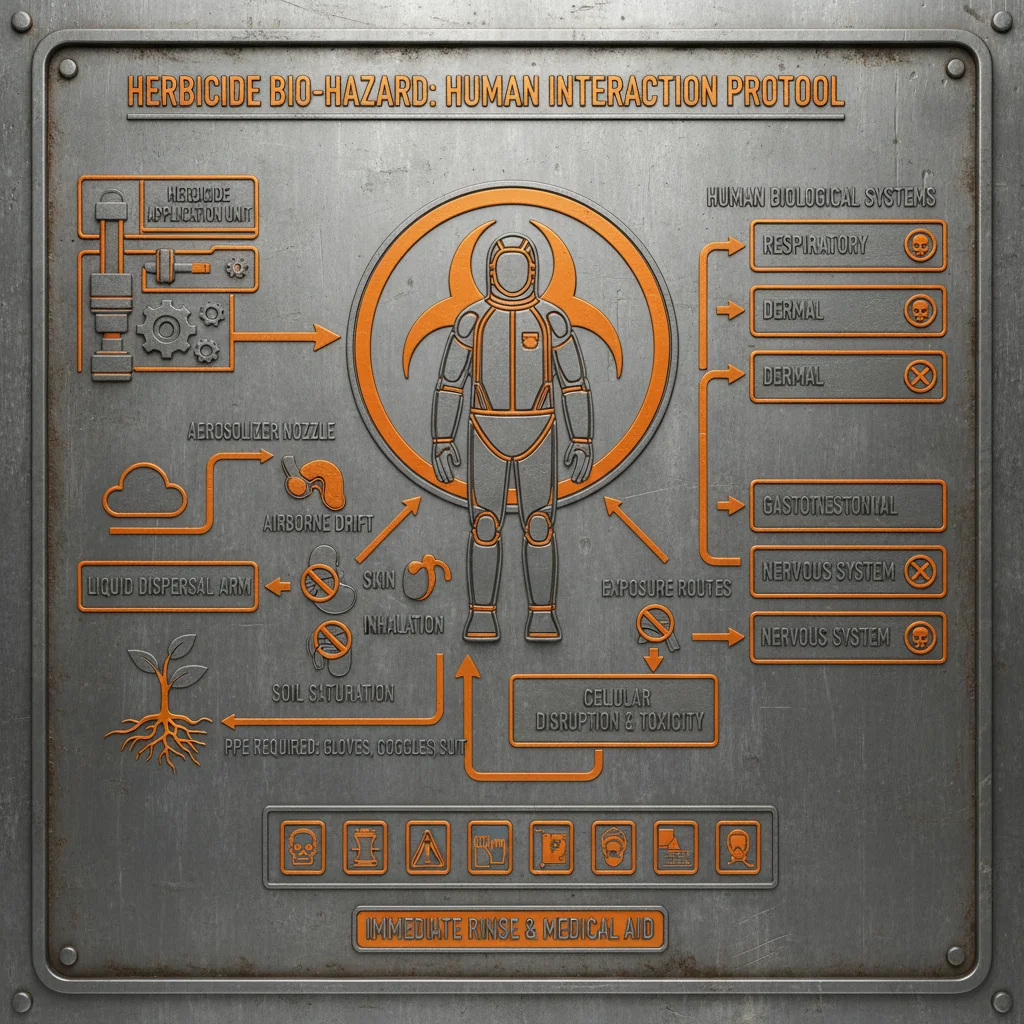
Technical Support & Training: Providing technical support and training to end-users on the safe and effective use of insecticides is crucial for maximizing their benefits and minimizing risks. This includes information on proper application techniques, personal protective equipment (PPE), and environmental considerations.
Global Applications & Use Cases
Insecticides wholesale supports a wide range of applications across diverse geographical regions. In major agricultural zones like the American Midwest, Brazil, and India, wholesale distributors provide farmers with the tools necessary to protect vital crops such as corn, soybeans, and cotton. In Southeast Asia, insecticides wholesale plays a crucial role in controlling mosquito populations and preventing the spread of dengue fever and malaria.
In post-disaster relief operations, the rapid deployment of insecticides is essential for controlling disease vectors and preventing outbreaks. Organizations like the World Health Organization (WHO) and USAID rely on efficient insecticides wholesale networks to provide emergency assistance to affected communities. In remote industrial zones, such as mining operations or forestry camps, insecticides wholesale ensures worker protection against insect-borne illnesses.
Furthermore, specialized applications like greenhouse agriculture and ornamental plant production rely heavily on access to high-quality insecticides supplied through wholesale channels. The demand for specific formulations and tailored solutions often requires close collaboration between wholesale distributors and end-users to address unique pest challenges.
Insecticides Wholesale Distribution Methods - Effectiveness Rating
Advantages & Long-Term Value
The advantages of a well-managed insecticides wholesale operation are multifaceted. Cost savings through bulk purchasing and optimized logistics translate into more affordable pest control solutions for end-users, increasing agricultural profitability and improving public health outcomes. Furthermore, a focus on sustainable sourcing and distribution practices minimizes environmental impact and promotes responsible pesticide use.
Long-term value extends beyond immediate economic benefits. Reliable access to insecticides enhances food security, reduces the risk of disease outbreaks, and supports the livelihoods of farmers and communities worldwide. By fostering trust and transparency throughout the supply chain, insecticides wholesale contributes to a more resilient and sustainable agricultural system. This inspires confidence in global trade practices.
Future Trends & Innovations
The insecticides wholesale landscape is evolving rapidly with the advent of digital technologies and a growing emphasis on sustainability. Digital platforms are streamlining ordering processes, improving inventory management, and enhancing supply chain visibility. The use of data analytics is enabling more precise forecasting of demand and optimized distribution strategies.
Innovations in insecticide formulations, such as biopesticides and targeted delivery systems, are also influencing the wholesale market. Demand for environmentally friendly alternatives is increasing, driving the development of more sustainable products. Furthermore, automation in warehousing and logistics is improving efficiency and reducing labor costs.
Challenges & Solutions
A significant challenge in insecticides wholesale is the proliferation of counterfeit products, which pose serious risks to human health and the environment. Strengthening regulatory oversight and implementing robust authentication technologies are crucial for combating this issue. Another challenge is managing the complexities of international trade regulations and navigating varying import/export requirements.
Solutions include investing in blockchain technology to enhance supply chain traceability, collaborating with industry associations to develop standardized quality control protocols, and providing comprehensive training to customs officials. Furthermore, promoting integrated pest management (IPM) strategies can reduce reliance on synthetic insecticides and minimize environmental impact.
Addressing logistical bottlenecks, particularly in developing countries with limited infrastructure, requires investment in transportation networks and warehousing facilities. Implementing resilient supply chain management systems that can adapt to disruptions caused by climate change or geopolitical events is also crucial.
Analysis of Key Factors Influencing Insecticides Wholesale Success
| Regulatory Compliance Level |
Supply Chain Efficiency |
Product Quality Assurance |
Customer Service Responsiveness |
| High (Full adherence to all regulations) |
9/10 (Optimized logistics & minimal delays) |
9/10 (Rigorous testing & certification) |
8/10 (Prompt & knowledgeable support) |
| Medium (Minor regulatory lapses) |
7/10 (Moderate logistics challenges) |
7/10 (Standard quality control procedures) |
6/10 (Adequate but not exceptional support) |
| Low (Significant regulatory violations) |
4/10 (Significant logistical delays & inefficiencies) |
3/10 (Poor quality control & inconsistent products) |
2/10 (Slow & unhelpful support) |
| High (Full adherence to all regulations) |
8/10 (Efficient but room for improvement) |
8/10 (Consistent quality, but limited testing) |
7/10 (Good support, but response times vary) |
| Medium (Minor regulatory lapses) |
6/10 (Occasional logistical issues) |
6/10 (Acceptable quality, but potential inconsistencies) |
5/10 (Basic support, limited expertise) |
| High (Full adherence to all regulations) |
10/10 (Best-in-class logistics & delivery) |
10/10 (Uncompromising quality & testing) |
10/10 (Exceptional support & proactive assistance) |
FAQS
Typically, insecticides wholesale distributors need certifications like a valid business license, pesticide dealer license (often state-specific), and potentially permits related to hazardous materials handling and storage. Depending on the region, ISO 9001 certification for quality management may also be beneficial. Compliance with EPA (Environmental Protection Agency) regulations is also paramount. Proper documentation and adherence to labeling requirements are essential to avoid penalties and maintain a good reputation.
Verifying the supplier's reputation and credentials is crucial. Look for suppliers with established quality control systems and certifications. Request certificates of analysis (COA) for each batch of insecticides to confirm active ingredient concentration and purity. Inspect packaging for any signs of tampering or damage. Consider utilizing blockchain technology for supply chain traceability to enhance authenticity verification.
Insecticides should be stored in a secure, well-ventilated, and temperature-controlled facility, away from direct sunlight, moisture, and extreme temperatures. Separate incompatible chemicals to prevent hazardous reactions. Maintain accurate inventory records and implement a first-in, first-out (FIFO) system to minimize product expiration. Ensure the storage area meets all relevant safety and environmental regulations.
International insecticides wholesale often involves navigating complex import/export regulations, tariffs, and varying product registration requirements. Language barriers and cultural differences can also pose challenges. To address these, partner with experienced freight forwarders and customs brokers, ensure thorough due diligence on international partners, and invest in translation services. Understanding and complying with the regulations of each target market is essential.
Optimizing your supply chain involves negotiating favorable pricing with suppliers, consolidating shipments to reduce transportation costs, and implementing efficient warehouse management systems. Leveraging technology for inventory optimization and demand forecasting can also minimize waste and improve efficiency. Explore partnerships with regional distributors to reduce last-mile delivery costs.
Sustainable practices are becoming increasingly important. This includes sourcing environmentally friendly insecticide formulations, minimizing packaging waste, optimizing transportation routes to reduce carbon emissions, and promoting responsible pesticide use through training and education. Transparency in the supply chain and a commitment to ethical sourcing are also crucial for building trust with customers and stakeholders.
Conclusion
In conclusion, insecticides wholesale is a critical component of global agriculture, public health, and economic stability. Understanding the complexities of this sector – from regulatory compliance and supply chain resilience to quality control and sustainable practices – is essential for success. By embracing innovation, fostering collaboration, and prioritizing responsible stewardship, we can ensure that these vital products reach those who need them most, safeguarding both human well-being and the environment.
Looking ahead, the insecticides wholesale industry must adapt to evolving challenges and embrace new opportunities. Investing in digital technologies, promoting sustainable solutions, and strengthening supply chain security will be paramount. We encourage you to explore our comprehensive range of insecticides and wholesale solutions by visiting our website: insecticides wholesale.