You know, lately everyone's talking about 'green' materials, sustainable construction. It's good, it really is, but honestly, most of the time it just means a higher price tag and more headaches for us on site. I've been doing this for fifteen years, seen a lot of trends come and go. What sticks is what works, not what sounds good in a boardroom.
Have you noticed how everyone's obsessed with miniaturization? Smaller, lighter, more efficient. Great in theory. But then you get it on site, and the damn thing feels like it’ll break if you look at it wrong. I was at the Changzhou fastener factory last time, and the tolerances on these new titanium bolts were… questionable. Really questionable. You try tightening those with a pneumatic wrench and you're just asking for trouble.
And speaking of materials, we’re using a lot more of these composite polymers now. Lightweight, strong, supposedly weather-resistant. They smell like burnt plastic when you cut them, though, which isn't a great sign. It’s a different feel, you know? Metal is… honest. You can tell by the weight, the coldness. These composites, you’re never quite sure. We’ve got this new batch of reinforced polypropylene for scaffolding – feels a bit… spongy, if I’m honest.
The Current Landscape of nitric acid for sale
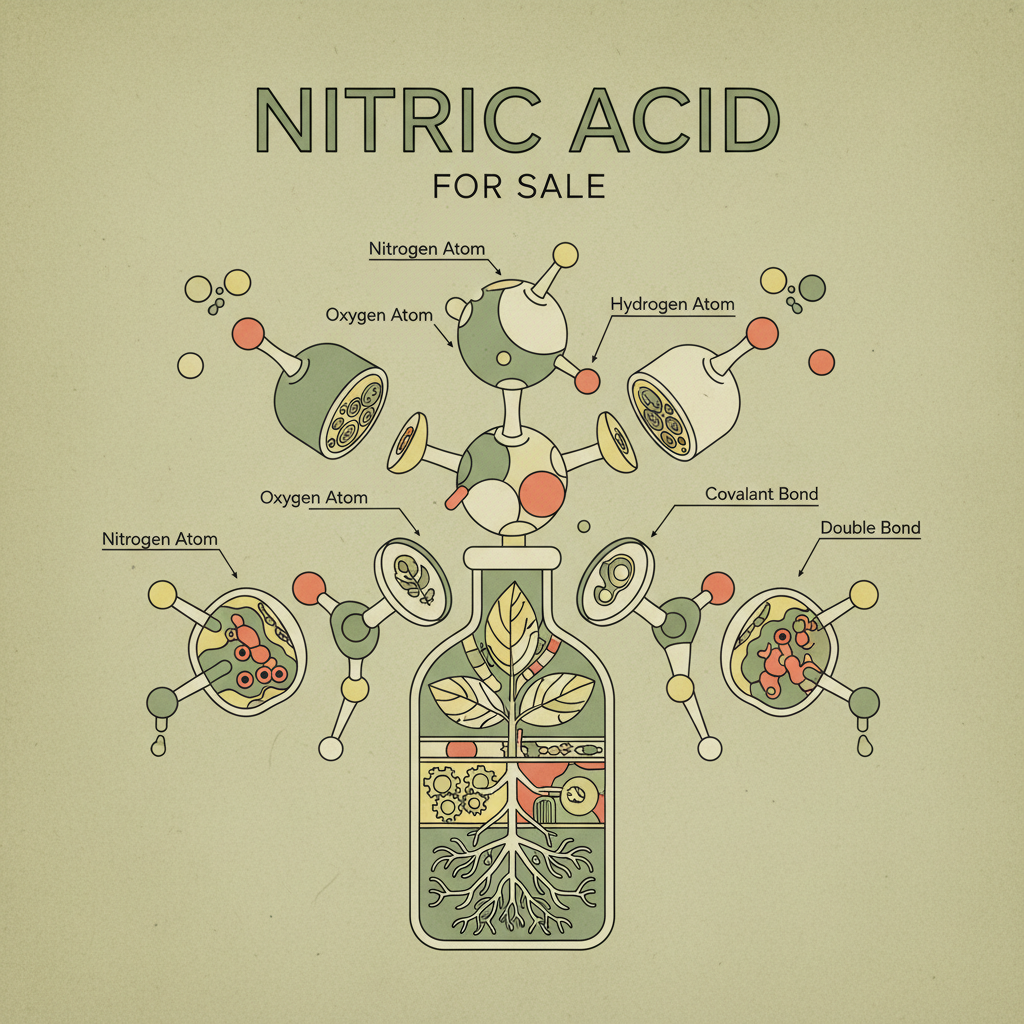
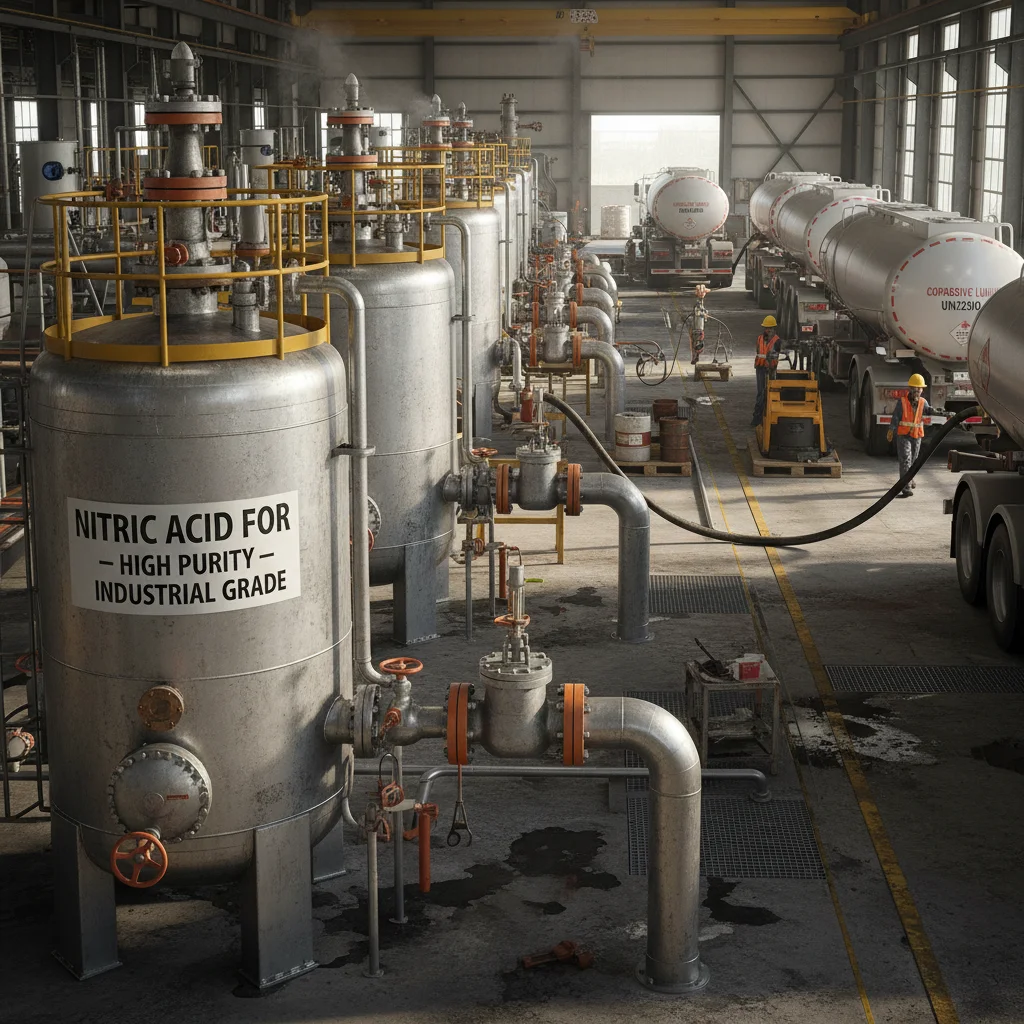
To be honest, the demand for quality nitric acid for sale is booming. It's not just industrial stuff anymore, it's in everything – fertilizer, explosives, even some high-tech cleaning agents. The big players, the Germans and Americans, they've always had a handle on it, but now you're seeing a lot more competition from China and India. Which is good, in a way, drives prices down, but quality control...that's where it gets tricky.
Strangely enough, the biggest issue I'm seeing isn’t the production, it's the logistics. Getting it from the factory to the site, safely and efficiently. Regulations are tightening, which is understandable, but it adds layers of paperwork and delays. We had a shipment held up for two weeks last month because of a minor labeling discrepancy. Two weeks! That costs money, delays projects.
FAQS
Lead times vary greatly depending on the quantity, your location, and current demand. Generally, for larger orders – think several tons – you're looking at 2-4 weeks. We try to maintain a decent stock, but supply chain issues can always pop up. It’s best to place your order well in advance, especially during peak seasons, to avoid any disruptions to your operations.
Nitric acid is classified as a corrosive hazardous material, so transportation is heavily regulated. It’s typically shipped in approved stainless steel or plastic containers, properly labeled and secured. We use carriers that are fully compliant with DOT regulations. Safety precautions include wearing appropriate PPE, ensuring proper ventilation, and having spill containment measures in place. We provide detailed safety data sheets (SDS) with every shipment.
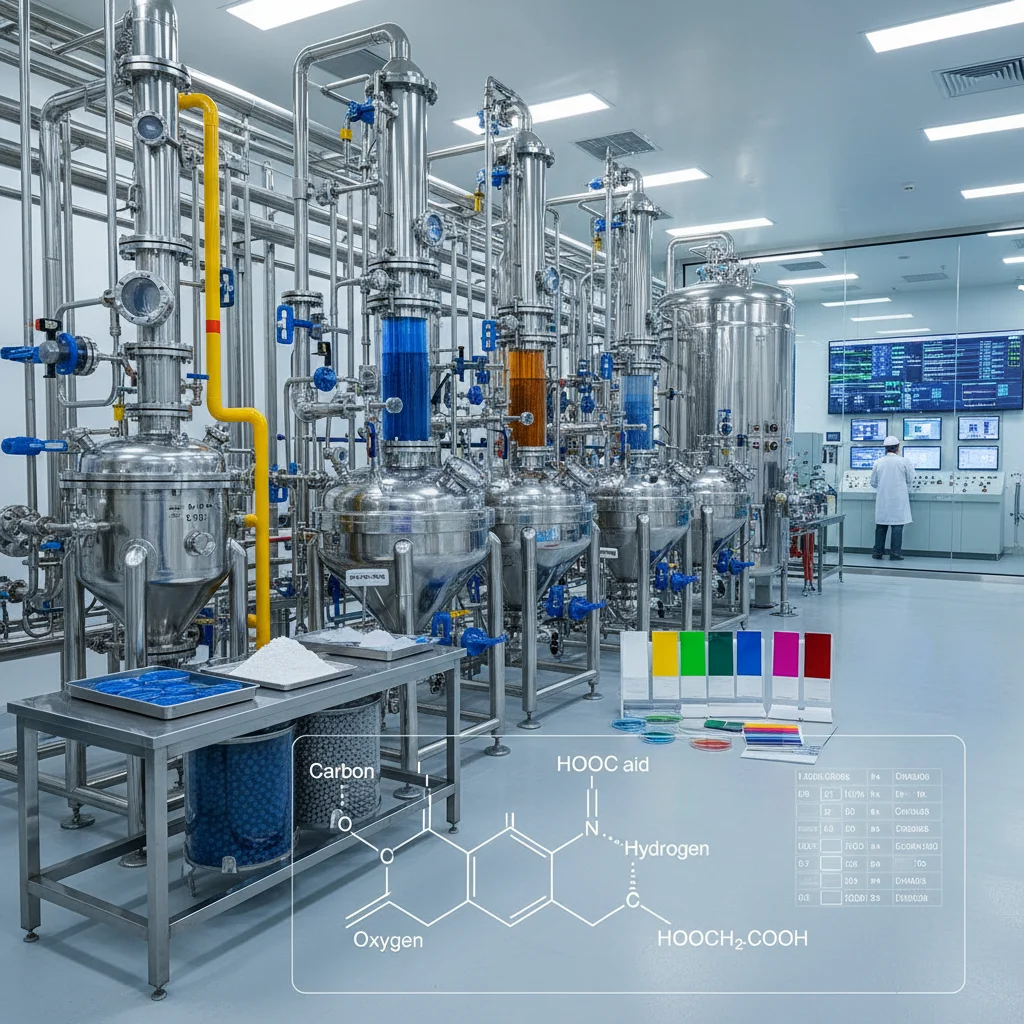
We offer a range of purity grades, from industrial grade (around 68-70% concentration) to reagent grade (99.999% purity). The best grade for you depends on your specific application. For fertilizer production, industrial grade is usually sufficient. But for sensitive applications like semiconductor manufacturing, you’ll need the higher purity reagent grade. We can also customize the purity level to meet your exact requirements.
Nitric acid doesn’t technically have a “shelf life” in the traditional sense, but it can degrade over time, especially if exposed to air and sunlight. We recommend storing it in a cool, dry, well-ventilated area, away from direct sunlight and incompatible materials like organic compounds and metals. Keep the containers tightly sealed to prevent contamination and evaporation. We typically recommend using it within 12-18 months of the manufacturing date for optimal performance.
Yes, there are. Nitric acid production and use can contribute to greenhouse gas emissions, particularly nitrous oxide (N2O). It’s also corrosive and can harm aquatic life if released into the environment. We work with our clients to minimize environmental impact by promoting responsible handling practices, offering waste treatment solutions, and supporting the development of more sustainable production methods.
Absolutely. We offer custom blending services, where we can adjust the concentration of the acid to meet your specific needs. We can also provide a range of packaging options, from small containers to large IBCs, depending on your volume requirements. We’re flexible and willing to work with you to find the best solution for your application. Just let us know your requirements, and we’ll do our best to accommodate them.
Conclusion
So, there you have it. Nitric acid for sale isn’t just a chemical; it’s a cornerstone of modern industry, a bit of a headache, and a constant reminder that things are rarely as simple as they seem. From the nuances of purity and concentration to the logistical challenges of safe transport and responsible disposal, it's a complex landscape.
Ultimately, whether this thing works or not, the worker will know the moment he tightens the screw. If you're looking for a reliable supplier who understands the realities of working with nitric acid, get in touch. Visit our website: www.hbjrain.com