
Acetaldehyde, a colorless liquid with a pungent, fruity odor, serves as a crucial intermediate in the chemical industry. Its production and applications are widespread, impacting diverse sectors from plastics manufacturing to pharmaceuticals. Understanding acetaldehyde’s properties, production methods, and safety considerations is paramount for maintaining efficient and responsible industrial practices. Globally, its demand is continually evolving, driven by growth in downstream industries and emerging technological advancements.
The global acetaldehyde market is substantial, with significant production concentrated in regions like Asia-Pacific, particularly China, due to its robust manufacturing base. According to market research, the industry is projected to experience steady growth in the coming years, fueled by increasing demand for acetic acid, pyridine, and other key derivatives. However, challenges surrounding sustainable production and environmental impact necessitate ongoing innovation in acetaldehyde manufacturing processes.
Acetaldehyde plays a vital role in various industrial processes. It’s used to produce acetic acid—a cornerstone of the chemical industry—and is also a precursor to numerous other compounds used in plastics, resins, and synthetic rubber. Addressing the growing need for sustainable and environmentally friendly chemical production relies heavily on improving the efficiency and reducing the carbon footprint of acetaldehyde synthesis.
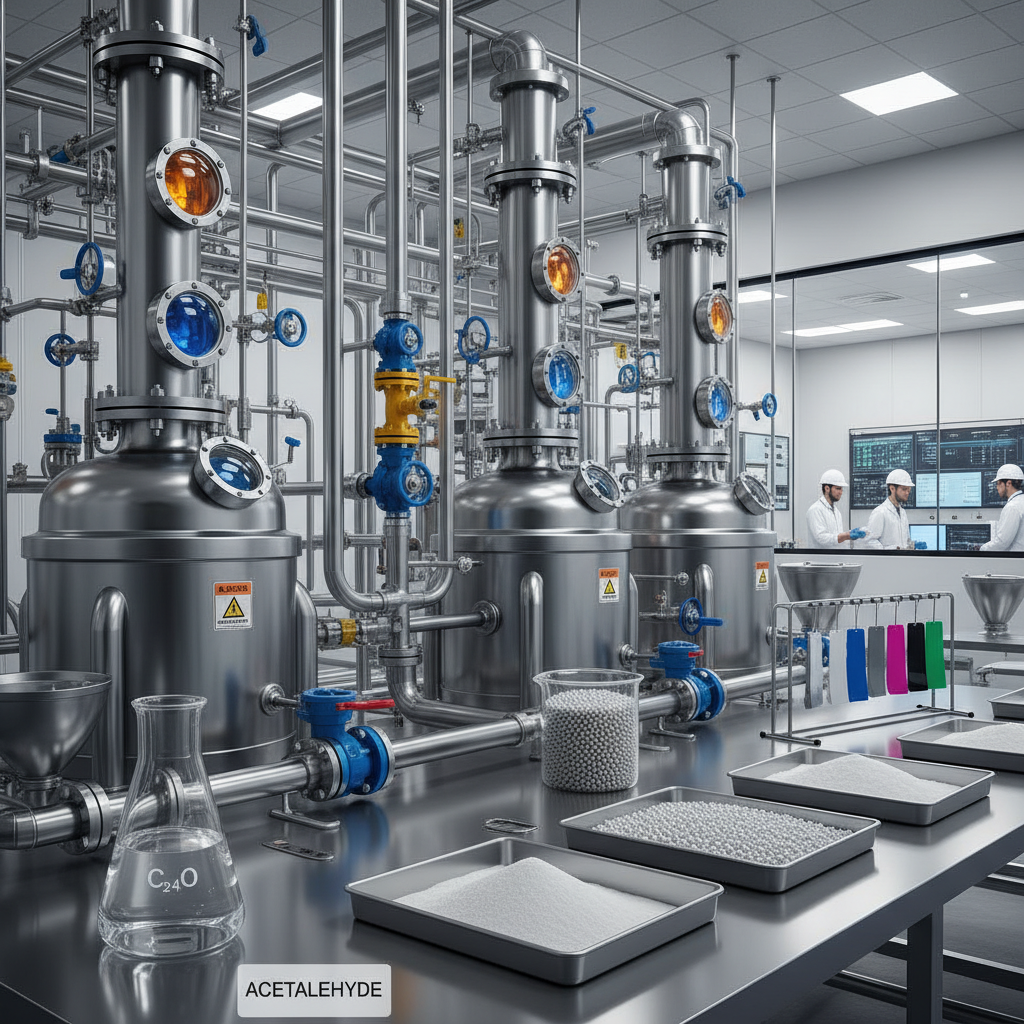
Introduction to Acetaldehyde

Acetaldehyde is a versatile chemical building block with far-reaching implications across multiple industries. Its reactive nature and ability to undergo various chemical transformations make it essential in synthesizing various products used in daily life, from plastics and paints to pharmaceuticals and food additives. The global production of acetaldehyde reflects its crucial role in modern manufacturing.
The demand for acetaldehyde is closely tied to the growth of its downstream industries. Increasing consumption of acetic acid, used in the production of vinyl acetate monomer (VAM) for paints and adhesives, directly influences the acetaldehyde market. Fluctuations in raw material prices, particularly ethylene and ethanol – the primary feedstocks for acetaldehyde production – also play a significant role in market dynamics.
FAQS
Acetaldehyde is a flammable liquid and vapor. It can cause irritation to the skin, eyes, and respiratory tract. Prolonged exposure may lead to more serious health effects. Proper ventilation, personal protective equipment (PPE) like gloves and respirators, and strict adherence to safety protocols are crucial when handling acetaldehyde. It's also vital to avoid ignition sources and ensure adequate fire suppression systems are in place.
Ethylene is a major feedstock in acetaldehyde production via the Wacker process. Fluctuations in ethylene prices directly affect the production cost of acetaldehyde. When ethylene prices rise, acetaldehyde production becomes more expensive, potentially leading to increased prices for downstream products. Conversely, lower ethylene prices can reduce production costs and potentially increase profit margins.
Traditional acetaldehyde production processes can generate emissions of volatile organic compounds (VOCs) and greenhouse gases. The Wacker process can produce palladium-containing waste. Minimizing these environmental impacts requires implementing efficient emission control technologies, optimizing catalyst usage, and exploring sustainable production methods like bio-acetaldehyde production to reduce reliance on fossil fuels.
Acetaldehyde is a key intermediate in the production of vinyl acetate monomer (VAM), which is then used to manufacture polyvinyl acetate (PVA) and polyvinyl alcohol (PVOH) – polymers widely used in adhesives, paints, coatings, and films. Therefore, acetaldehyde indirectly contributes to the production of a vast range of plastic products used in everyday life.
Acetaldehyde is subject to various regulations worldwide, including those set by OSHA (Occupational Safety and Health Administration) in the US and REACH (Registration, Evaluation, Authorisation and Restriction of Chemicals) in Europe. These regulations cover exposure limits, handling procedures, and reporting requirements to ensure worker safety and environmental protection. Compliance is crucial for companies producing and using acetaldehyde.
Bio-acetaldehyde, produced through the fermentation of sugars by microorganisms, offers a promising sustainable alternative to fossil fuel-based acetaldehyde. It has a significantly lower carbon footprint and reduces reliance on non-renewable resources. However, challenges related to process efficiency, scalability, and cost-competitiveness need to be addressed to make bio-acetaldehyde a widespread commercial reality.
Conclusion
Acetaldehyde remains a critical chemical intermediate driving numerous industrial processes and contributing to the production of essential materials. Understanding its properties, production methods, applications, and emerging trends is paramount for sustainable and efficient operations. The ongoing shift towards bio-based production and advancements in digitalization will shape the future of acetaldehyde technology.
Continued research and development focused on minimizing environmental impact and improving safety protocols are essential for maximizing the long-term benefits of acetaldehyde. By embracing innovation and responsible practices, the industry can ensure a stable and sustainable supply of this vital chemical building block for generations to come. Visit our website: www.hbjrain.com
Related Posts
-
Comprehensive Guide to Nitric Acid for Sale and Industrial Applications
-
The Rising Prominence of 3 o ethyl ascorbic acid in Skincare and Pharmaceutical Applications
-
Understanding What Are Examples of Herbicides for Sustainable Agriculture
-

Understanding Herbicides Meaning for Sustainable Agriculture and Ecosystem Management