Comprehensive Guide to Sodium Hypochlorite Applications Safety and Sourcing
Understanding Sodium Hypochlorite: Applications, Safety, and Sourcing
Sodium hypochlorite (NaClO) is a widely used chemical compound, commonly known as bleach. Its powerful oxidizing properties make it invaluable in a variety of applications, from disinfection and water treatment to industrial bleaching. This article provides a comprehensive overview of sodium hypochlorite, including its properties, uses, safety considerations, and how to find a reliable supplier like HBJ Rain Chemical Co., Ltd. Understanding the nuances of this chemical is essential for safe and effective utilization across diverse industries.
The Chemical Properties of Sodium Hypochlorite
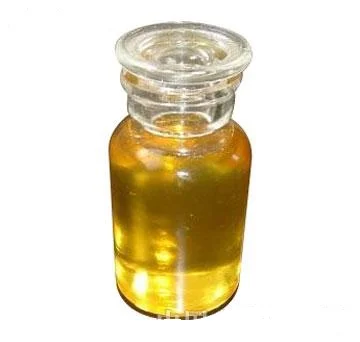
Sodium hypochlorite is a pale yellow liquid with a strong, pungent odor. It’s a relatively unstable compound, decomposing over time, especially when exposed to light, heat, or metals. The concentration of NaClO in commercial bleach solutions typically ranges from 3% to 8.25%. A crucial property is its pH, which is typically around 11-13, making it alkaline. This alkalinity contributes to its cleaning and disinfecting capabilities. Its effectiveness stems from the hypochlorite ion (ClO⁻), which acts as a potent oxidizing agent, disrupting the cellular structure of microorganisms.
Key Properties: Powerful oxidizing agent, alkaline pH (11-13), unstable – decomposes with light/heat, typically 3-8.25% concentration.
Common Applications of Sodium Hypochlorite
The versatility of sodium hypochlorite leads to its widespread use in various sectors. These include: disinfection of swimming pools and water treatment facilities to kill bacteria and algae; household cleaning as a key ingredient in laundry bleach and surface disinfectants; the pulp and paper industry for bleaching wood pulp; textile bleaching to whiten fabrics; and the food industry for sanitizing equipment. Its oxidative power also finds application in certain chemical synthesis processes.
Key Application Areas:
• Water treatment & disinfection
• Household cleaning and laundry
• Pulp & Paper bleaching
• Textile industry
Sodium Hypochlorite Grades & Specifications
Sodium hypochlorite is available in different grades and concentrations to suit specific applications. Industrial-grade solutions often have higher concentrations than household bleach. Specifications vary depending on the intended use, and parameters like available chlorine, pH, and stability are crucial. HBJ Rain Chemical Co., Ltd provides sodium hypochlorite conforming to various industry standards and tailored specifications.
Safety Considerations When Handling Sodium Hypochlorite
Sodium hypochlorite is a corrosive substance and must be handled with care. Always wear appropriate personal protective equipment (PPE), including gloves, safety glasses, and a face shield. Avoid contact with skin, eyes, and clothing. Never mix sodium hypochlorite with ammonia or acids, as this can produce toxic and dangerous gases. Store in a cool, well-ventilated area, away from direct sunlight and heat sources. Always consult the Safety Data Sheet (SDS) before handling.
Why Choose HBJ Rain Chemical for Your Sodium Hypochlorite Needs?
HBJ Rain Chemical Co., Ltd is a trusted supplier of high-quality sodium hypochlorite. We offer consistent product quality, competitive pricing, and reliable delivery. Our team provides expert technical support and can tailor solutions to meet your specific requirements. We prioritize safety and adhere to strict quality control standards throughout the manufacturing and supply chain.
Conclusion: A Reliable Partner for Sodium Hypochlorite
Sodium hypochlorite remains an essential chemical across numerous industries. Choosing a reputable supplier like HBJ Rain Chemical Co., Ltd ensures access to a consistent, high-quality product, coupled with expert support and a commitment to safety. Partner with us for your sodium hypochlorite needs and experience the difference.
Frequently Asked Questions (FAQs)
What is the best way to store sodium hypochlorite?
Sodium hypochlorite should be stored in a cool, dry, and well-ventilated area, away from direct sunlight, heat sources, and incompatible materials like ammonia and acids. Keep containers tightly closed to prevent evaporation and contamination. Use containers made of compatible materials like high-density polyethylene (HDPE). Avoid storing for extended periods, as the concentration of available chlorine will decrease over time. Always refer to the SDS for detailed storage instructions.
What are the potential hazards associated with sodium hypochlorite?
Sodium hypochlorite is corrosive and can cause skin and eye irritation or burns. Inhalation of vapors can irritate the respiratory system. Mixing it with other chemicals, especially ammonia or acids, can release toxic gases. Always wear appropriate PPE when handling. If contact occurs, immediately flush the affected area with plenty of water and seek medical attention.
How can I determine the concentration of available chlorine in a sodium hypochlorite solution?
The concentration of available chlorine is typically indicated on the product label. If the label is damaged or unavailable, it can be determined through a chemical titration method. This requires specific equipment and expertise, and it's often best to rely on the manufacturer's specifications or have the solution tested by a qualified laboratory. HBJ Rain Chemical provides detailed Certificates of Analysis (COA) with each batch, guaranteeing the stated concentration.
What is the shelf life of sodium hypochlorite?
The shelf life of sodium hypochlorite is limited due to its gradual decomposition. Typically, industrial-grade solutions maintain their potency for 6-12 months, while household bleach has a shorter shelf life of 3-6 months. Storage conditions significantly affect stability. Exposure to light, heat, and air accelerates decomposition. Check the product label for the manufacturer's recommended shelf life.