In the complex landscape of modern chemical manufacturing, ammonia bleach stands as a critical agent, bridging the gap between aggressive industrial cleaning and specialized agricultural chemical synthesis. Its unique chemical properties allow for a level of precision in oxidation and degreasing that few other compounds can match, making it indispensable for maintaining high-purity production environments.
Globally, the demand for high-efficiency bleaching and cleaning agents has surged as industrial standards for hygiene and residue-free surfaces become more stringent. Understanding the nuances of ammonia bleach is no longer just a matter of maintenance, but a strategic necessity for companies aiming to optimize their yield in fungicide and herbicide production.
By integrating these specialized solutions, manufacturers can significantly reduce downtime and prevent cross-contamination in multi-product plants. This guide explores the technical depth, application versatility, and future trajectories of this essential chemical tool, providing a roadmap for those seeking operational excellence.
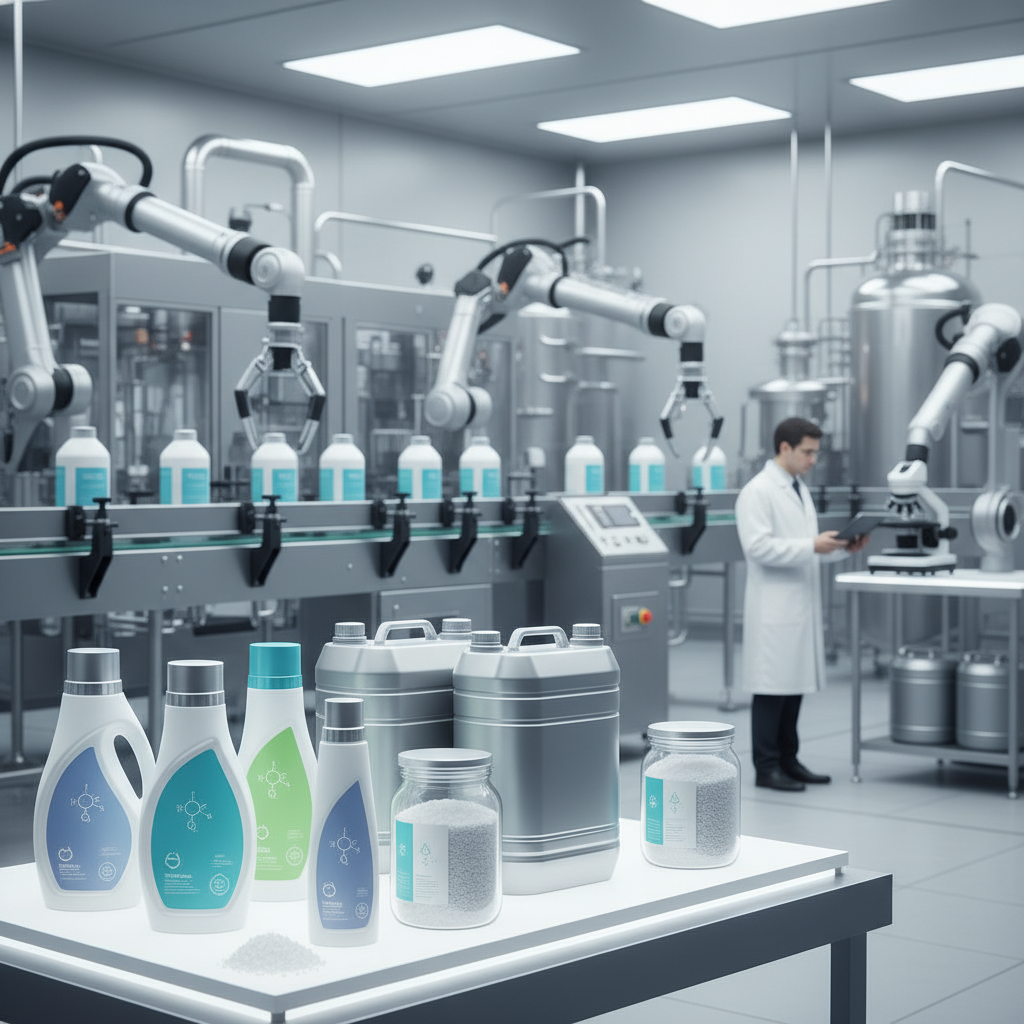
Global Industrial Context of Ammonia Bleach
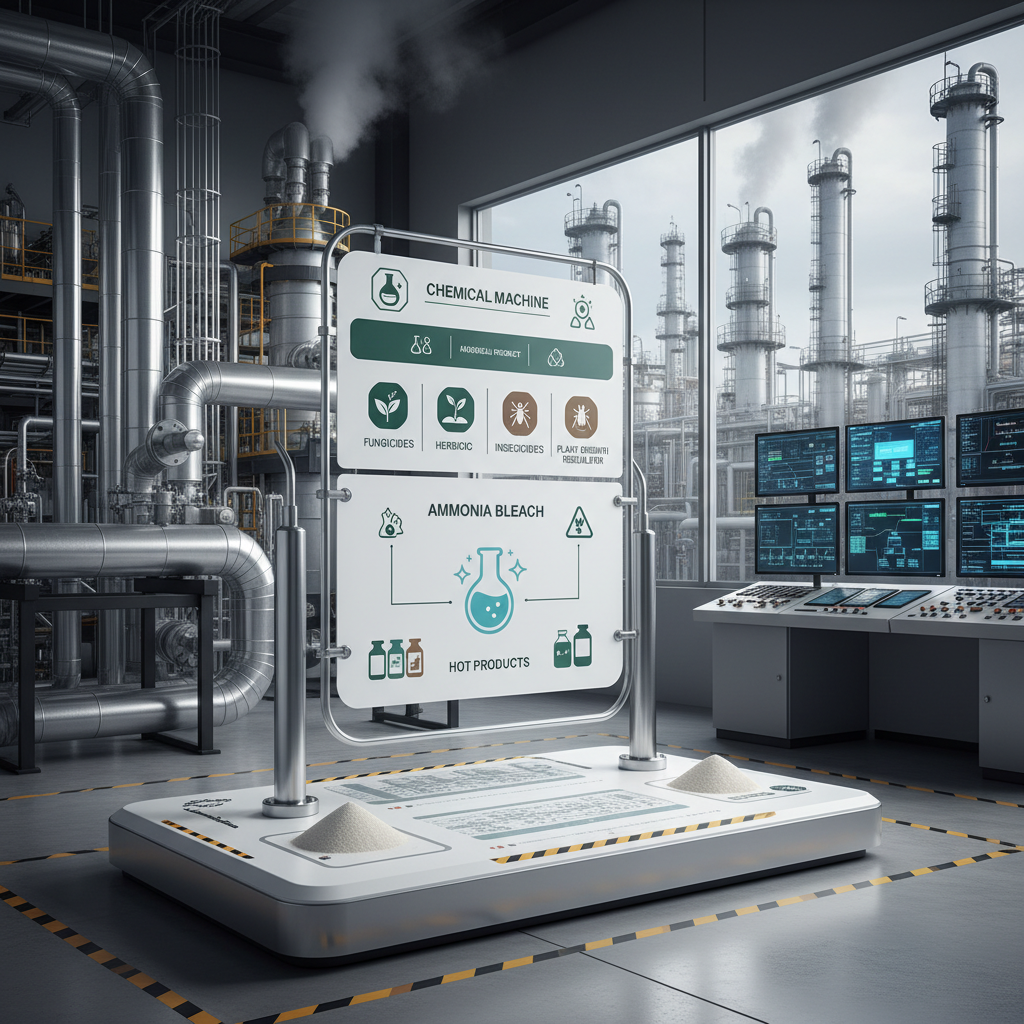
The global chemical market, particularly within the agrochemical sector, relies heavily on rigorous decontamination protocols. As ISO standards for chemical purity evolve, the role of ammonia bleach has transitioned from a simple cleaning agent to a critical component of quality assurance. In regions like Southeast Asia and North America, where pesticide production is concentrated, the ability to rapidly strip organic residues from stainless steel reactors is paramount to preventing batch failure.
Current data suggests that industrial inefficiencies caused by poor reactor cleaning can lead to a 3-5% loss in annual yield. The implementation of standardized ammonia bleach protocols addresses this challenge by providing a predictable, high-strength oxidative environment that ensures zero-carryover between the production of different herbicides or fungicides.
Defining Ammonia Bleach in Chemical Manufacturing
At its core, ammonia bleach is a specialized chemical formulation designed to combine the alkaline degreasing power of ammonia with the oxidative whitening and disinfecting properties of bleaching agents. Unlike household cleaners, industrial-grade versions are engineered for stability under high-pressure environments and compatibility with industrial alloys.
In the context of humanitarian and industrial needs, this compound is vital for ensuring the safety of water-treatment chemicals and the purity of pharmaceutical-grade agrochemicals. Its ability to break down complex organic proteins and lipids makes it an essential tool for sanitizing equipment that handles biological plant growth regulators.
Furthermore, the technical meaning of this agent extends to its role as a pH modifier during specific synthesis stages. By carefully controlling the concentration of ammonia bleach, chemists can facilitate specific reaction pathways that would otherwise be inhibited by acidic impurities.
Core Components and Chemical Stability
The effectiveness of ammonia bleach is primarily determined by the synergy between its nitrogen-based alkaline components and its active oxygen sources. This balance ensures that the solution can penetrate deep into micropores of industrial equipment without causing excessive corrosion.
A critical factor in the stability of ammonia bleach is the use of stabilizers that prevent premature decomposition of the active bleach molecules. This allows the product to maintain a consistent concentration over long-term storage, which is essential for large-scale manufacturing plants that purchase in bulk.
Moreover, the scalability of these components allows manufacturers to dilute the ammonia bleach based on the specific severity of the contamination. Whether dealing with light organic films or heavy carbonized deposits, the modular nature of its formulation ensures cost-efficiency.
Performance Metrics and Scalability
When evaluating the efficiency of ammonia bleach, engineers focus on three primary KPIs: the rate of organic degradation, the residue recovery time, and the material compatibility index. High-performance formulations show a marked increase in speed, reducing the "wash-out" phase of production cycles.
From a scalability perspective, the transition from pilot-plant cleaning to full-scale factory sanitation requires a linear increase in concentration management. The following data illustrates how different application methods of ammonia bleach perform across various industrial requirements.
Performance Analysis of Ammonia Bleach Application Methods
Global Applications and Use Cases
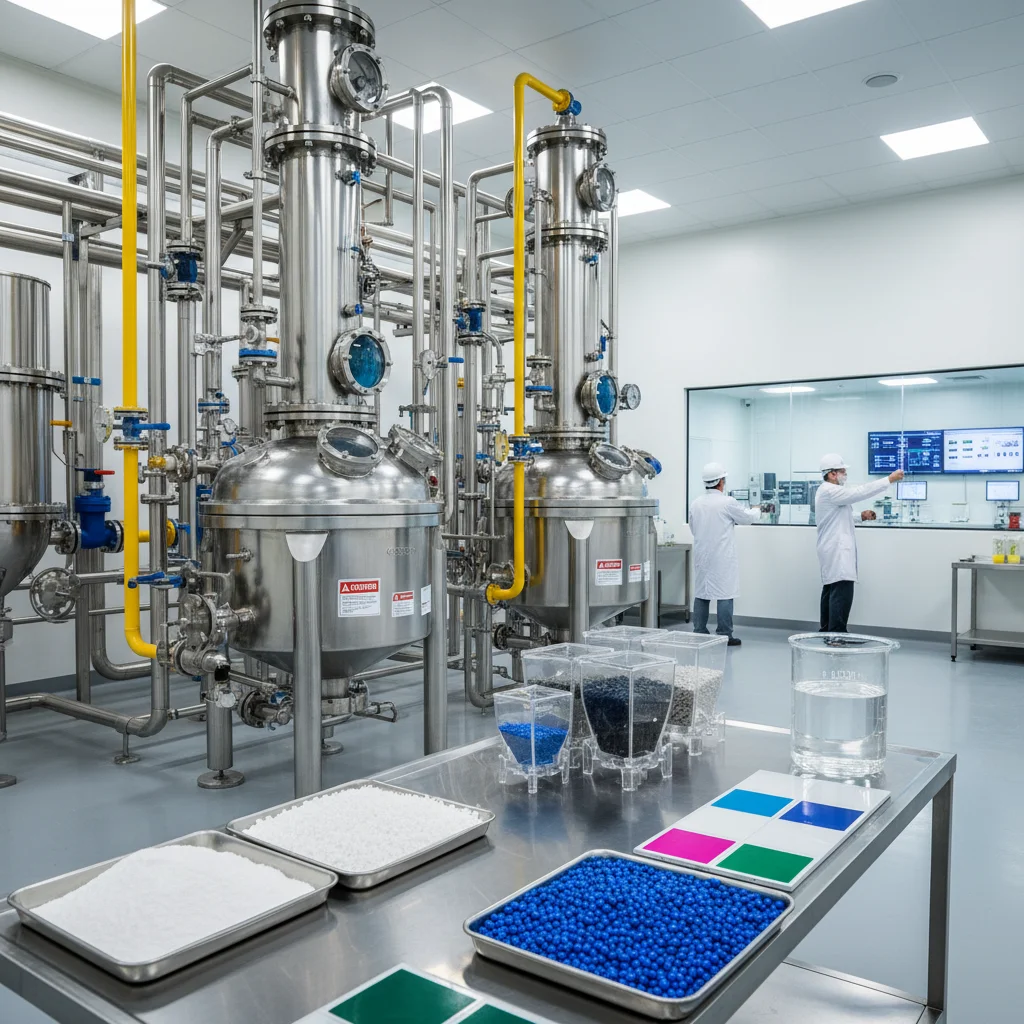
In real-world industrial zones, such as the chemical hubs of Germany and China, ammonia bleach is extensively used in the "Clean-in-Place" (CIP) systems of fungicide production lines. This allows for the total sterilization of piping without the need for disassembly, drastically reducing labor costs and human exposure to hazardous chemicals.
Beyond heavy industry, we see its application in remote agricultural processing centers where water purity is a challenge. By using stabilized ammonia bleach, these facilities can maintain sanitary conditions in seed treatment areas, ensuring that plant growth regulators are applied without contamination from soil-borne pathogens.
Long-Term Value and Sustainability
The long-term value of adopting a high-grade ammonia bleach system lies in the extension of equipment lifespan. By preventing the buildup of corrosive organic acids through regular alkaline bleaching, the structural integrity of reactors is preserved, deferring millions of dollars in capital expenditure for replacement.
From a sustainability angle, modern formulations are focusing on biodegradable surfactants. This ensures that the effluent from ammonia bleach processes can be treated more efficiently in wastewater plants, reducing the environmental footprint of the chemical factory.
Ultimately, the trust established through consistent purity levels leads to stronger B2B relationships. When a manufacturer can guarantee a "zero-residue" certificate thanks to their ammonia bleach protocols, they gain a significant competitive advantage in the global export market.
Future Trends and Technical Innovations
The future of ammonia bleach is being shaped by the integration of "Smart Chemistry." We are seeing the emergence of pH-sensitive indicators within the bleach formulation that change color when the cleaning threshold is reached, eliminating the guesswork from the decontamination process.
Automation is another key driver. Digital twins of chemical plants are now being used to calculate the exact volume of ammonia bleach required for a specific batch of residue, minimizing waste and maximizing safety through precision dosing pumps.
Furthermore, the shift toward green ammonia—produced via renewable energy—is making the precursors of ammonia bleach more eco-friendly, aligning the industry with global Net-Zero targets.
Comparative Analysis of Ammonia Bleach Technical Specifications
| Formulation Grade |
Oxidation Speed |
Material Safety |
Eco-Impact Score |
| Standard Industrial |
Moderate |
High (SS304) |
6/10 |
| Ultra-Pure Grade |
Very High |
Medium (SS316) |
7/10 |
| Eco-Stabilized |
High |
Very High |
9/10 |
| Fast-Action Blend |
Extreme |
Low (Corrosive) |
5/10 |
| Low-Foam Variant |
Moderate |
High |
8/10 |
| Custom Catalyst |
High |
Medium |
7/10 |
FAQS
Unlike standard bleach, which primarily focuses on oxidation, ammonia bleach combines oxidative power with alkaline degreasing. This allows it to break down oily organic residues that often shield contaminants from standard bleach, ensuring a deeper, more comprehensive clean in chemical reactors.
While highly effective, ammonia bleach can be aggressive. It is generally safe for SS316 and SS304, but concentration and contact time must be monitored. We recommend a material compatibility test to ensure that the specific grade of steel in your facility is not prone to stress corrosion cracking.
Ammonia bleach is sensitive to temperature and UV light. To maintain maximum potency, it should be stored in opaque, airtight containers in a cool, ventilated area. Using stabilized formulations can extend the shelf life significantly, preventing the loss of active oxygen.
Yes, provided a thorough rinse cycle follows the application. Its ability to remove organic residues makes it ideal for these lines, preventing cross-contamination. However, operators must follow strict PPE protocols to avoid inhalation of vapors during the process.
The best approach is to utilize automated dosing systems to avoid over-application and to choose eco-stabilized variants that use biodegradable surfactants. Additionally, neutralizing the effluent before it enters the wastewater stream can significantly lower the environmental footprint.
While it varies by contamination level, a common starting ratio is 1:10 for heavy deposits and 1:50 for routine maintenance. We suggest beginning with a lower concentration and increasing it based on the visual and chemical residue test results.
Conclusion
In summary, ammonia bleach is far more than a cleaning agent; it is a critical tool for operational stability and quality control in the chemical manufacturing sector. By balancing powerful oxidative action with alkaline degreasing, it ensures that the high standards of purity required for fungicides and herbicides are met, while simultaneously extending the lifespan of expensive industrial hardware.
Looking forward, the integration of smart dosing and green chemistry will further refine the use of ammonia bleach, making it both more efficient and more sustainable. For manufacturers aiming to lead in the global market, adopting these advanced cleaning protocols is a vital step toward achieving zero-defect production and environmental compliance. Visit our website: www.hbjrain.com