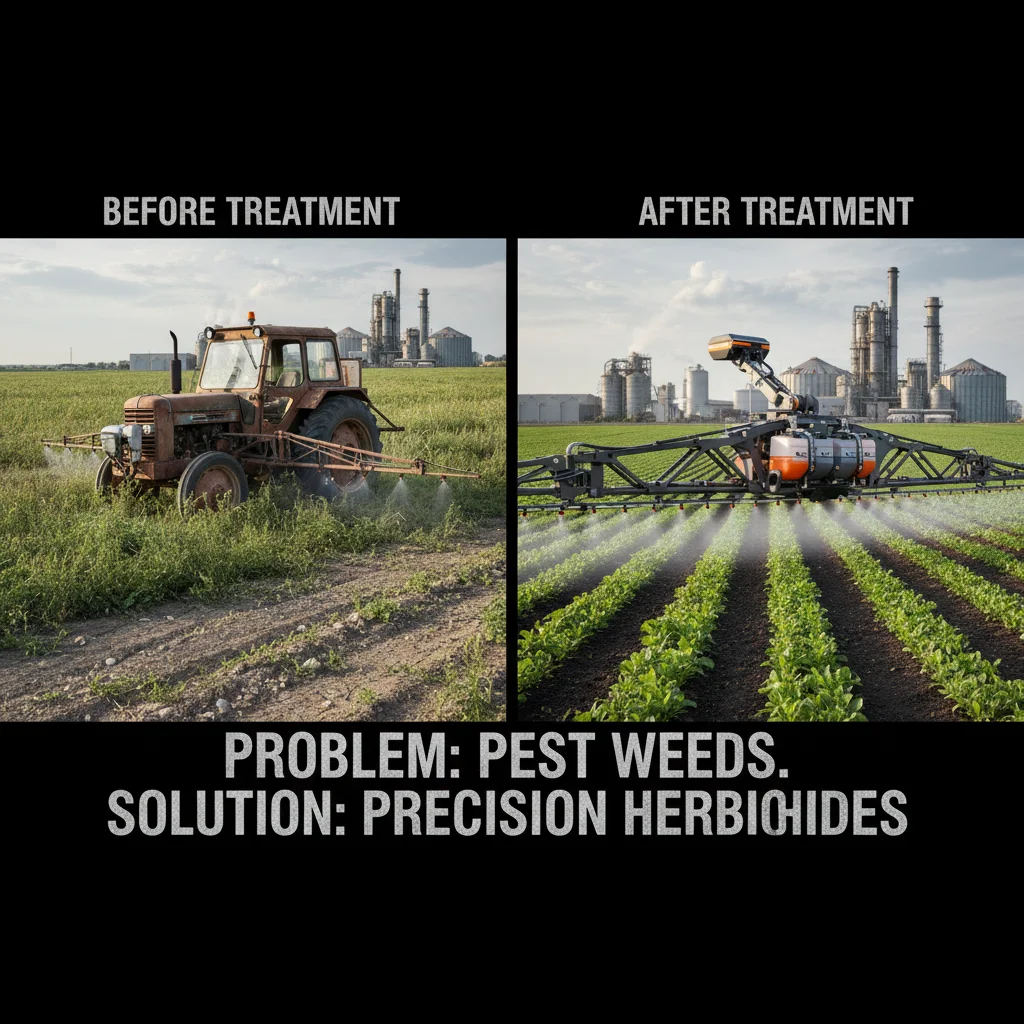
Maximize Crop Yield and Plant Protection with tilt fungicide
Maximizing Crop Yield with Tilt Fungicide: A Complete Guide
In the world of modern agriculture, fungal diseases represent one of the most significant threats to food security and farm profitability. To combat these invisible enemies, farmers rely on high-efficiency chemical solutions. The tilt fungicide stands out as a powerhouse in plant protection, offering systemic action to prevent and cure a wide array of fungal pathogens. By integrating this solution into a comprehensive Integrated Pest Management (IPM) strategy, growers can ensure healthier crops and superior harvests. In this guide, we will explore how this specific fungicide works, its application methods, and why it remains a preferred choice for professionals worldwide.

How Tilt Fungicide Protects Your Crops
The effectiveness of tilt fungicide lies in its systemic properties. Unlike contact fungicides that only protect the surface they touch, a systemic fungicide is absorbed by the plant tissue and redistributed throughout the organism. This means it can protect new growth that emerges after the initial application. It primarily targets the ergosterol biosynthesis in fungal cell membranes, effectively stopping the growth of the fungus and preventing it from spreading. This dual-action approach—both curative and preventative—makes it an indispensable tool for managing rusts, leaf spots, and powdery mildew across various crop species.
Systemic Advantage: Because the active ingredients move within the plant's vascular system, the protection is comprehensive, reducing the need for frequent re-applications and providing a "shield" from the inside out.
Target Pathogens and Crop Compatibility
Not all fungicides are created equal, and the versatility of tilt fungicide allows it to be used on a diverse range of plants, from cereal grains to ornamental flowers. It is particularly effective against Ascomycetes and Basidiomycetes. By controlling these pathogens, farmers can prevent premature leaf drop and fruit rot, which are common causes of yield loss. Whether you are managing a large-scale soybean plantation or a specialty vineyard, understanding the compatibility of the product with your specific crop is the first step toward successful disease management.
Commonly Controlled Diseases:
• Wheat Leaf Rust and Stripe Rust
• Soybean Rust (Phakopsora pachyrhizi)
• Powdery Mildew in various ornamentals
• Septoria Leaf Spot in cereals
Comparing Tilt Fungicide to Traditional Treatments
When deciding between a systemic option like tilt fungicide and traditional contact fungicides, the primary consideration is the duration of protection. Contact fungicides provide a strong immediate barrier but wash away easily with rain. In contrast, systemic treatments offer prolonged internal protection. While the initial cost may differ, the reduction in labor and the increase in final yield often make the systemic approach more cost-effective in the long run.
Application Best Practices for Tilt Fungicide
To achieve the maximum efficacy of tilt fungicide, timing and technique are critical. It is most effective when applied preventatively, before the disease takes a strong hold in the field. However, its curative properties allow it to stop an existing infection from progressing. Farmers should ensure complete coverage of the foliage using calibrated sprayers. It is also recommended to apply the product during early morning or late evening to avoid evaporation and reduce the risk of phytotoxicity caused by intense midday sun.

Technical Specifications of Tilt Fungicide
Understanding the chemical composition and usage rates is essential for safety and efficiency. The tilt fungicide is formulated to be stable and easily mixable with other compatible agrochemicals. Below is a general specification table. Always refer to the specific product label for exact dosages tailored to your region and crop variety to avoid over-application.
Environmental Safety and Resistance Management
While the tilt fungicide is highly effective, responsible usage is key to preventing fungal resistance. If the same chemical class is used repeatedly, pathogens can evolve to survive the treatment. To mitigate this, agricultural experts recommend rotating the product with fungicides from different chemical groups. Furthermore, following strict adherence to safety protocols—such as using Personal Protective Equipment (PPE) and observing pre-harvest intervals (PHI)—ensures that the food produced is safe for consumers and the surrounding ecosystem remains healthy.
Conclusion: Safeguarding Your Harvest
The tilt fungicide represents a sophisticated approach to crop health, blending systemic power with broad-spectrum control. By protecting plants from the inside out, it reduces the risk of devastating fungal outbreaks and secures the farmer's investment. When used in conjunction with proper rotation and precise application, it becomes more than just a chemical—it becomes a guarantee of quality and quantity for your agricultural output. Choose professional protection for professional results.
Frequently Asked Questions (FAQs)
How long does it take for Tilt Fungicide to show results?
Because tilt fungicide is systemic, the plant must first absorb the active ingredients. Typically, you will notice a halt in the progression of the disease within 3 to 7 days. While it may not "erase" existing brown spots (as the tissue is already dead), it will stop the fungus from spreading to healthy leaves, allowing the plant to focus its energy on new, healthy growth. For best results, apply at the first sign of infection or as a scheduled preventative measure.
Can I mix this fungicide with other pesticides?
In most cases, yes, it is compatible with many insecticides and herbicides. However, caution is advised. Some alkaline materials or specific oil-based pesticides can interfere with the stability of the fungicide. We strongly recommend performing a "jar test" (mixing a small amount in a container) to check for precipitates or separation before applying it to an entire field. Always read the product label carefully and consult with an agronomist to ensure that the tank mix does not cause phytotoxicity to your specific crop.
Is it safe to use on organic farms?
No, the tilt fungicide is a synthetic chemical treatment and is not certified for organic farming. Organic standards typically require naturally derived fungicides such as copper or sulfur. If you are pursuing organic certification, please check your local regulatory guidelines. For commercial farming where maximum yield and strict disease control are the priority, this systemic solution provides a level of protection that organic alternatives often cannot match.
What is the recommended storage for this product?
To maintain the potency of the active ingredients, store the fungicide in its original container, tightly closed, in a cool, dry, and well-ventilated area. Keep it away from direct sunlight and extreme temperature fluctuations, as overheating can degrade the chemical formulation. Ensure it is stored in a locked cabinet away from children, pets, and food products. Proper storage not only ensures the product works when you need it but also prevents accidental environmental contamination.