

Product Overview
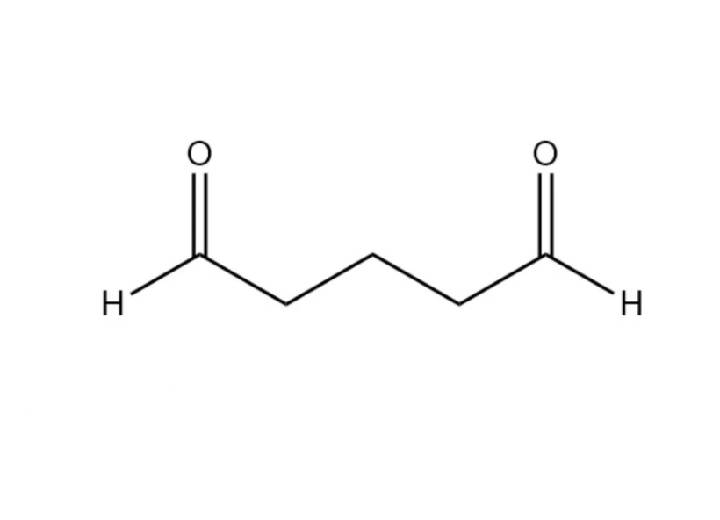
Methyl Hydroxyethyl Cellulose
Product Information
1.Molecular weight: 100.116
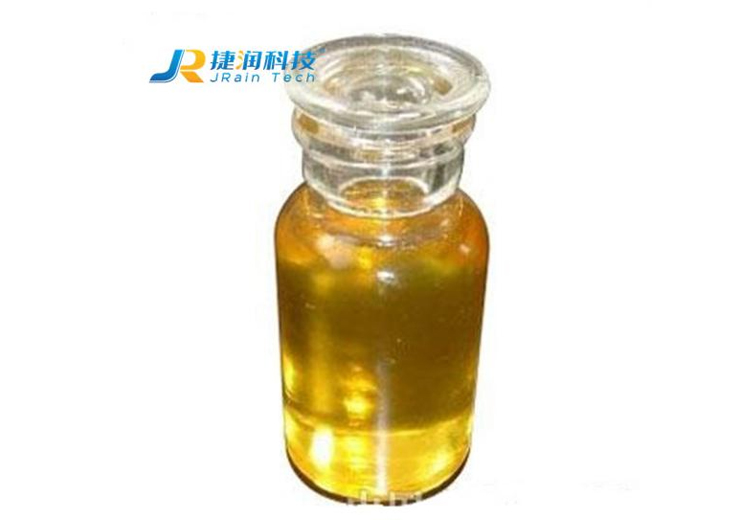
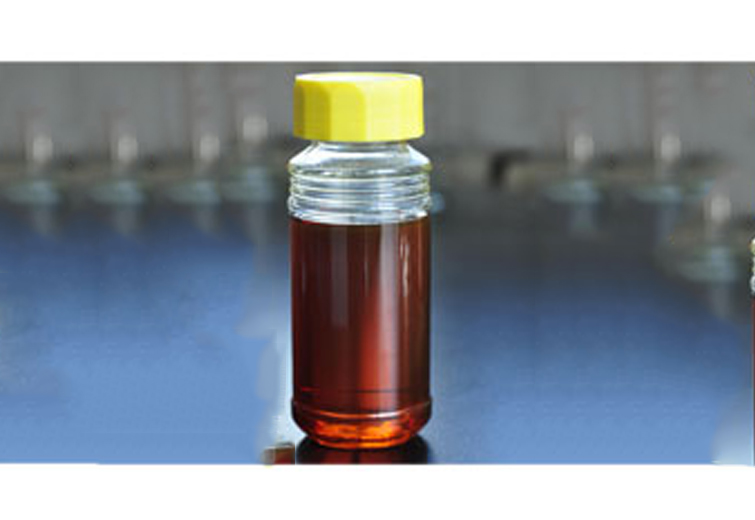
2. Appearance:Colorless or light yellow transparent liquid
3. Usage: Glutaraldehyde has extensive applications in industry. Firstly, it is a rapid, efficient and broad-spectrum disinfectant, widely used in fields such as petrochemicals, papermaking, metal processing, and oilfield water injection. Glutaraldehyde is also an intermediate in organic synthesis, a tanning agent in the leather industry, and a protein cross-linking agent.
Inquiry Now
Glutaraldehyde Customer Reviews
Glutaraldehyde Customer Reviews
-
 MichaelMichaelWe use Glutaraldehyde for sterilizing medical instruments, and it’s consistently effective. The results are reliable, and it works quickly.
 -
 LauraLauraThis product is essential for our lab’s disinfection routines. It’s powerful, easy to use, and ensures thorough sterilization.
 -
 JamesJamesAs part of our water treatment process, Glutaraldehyde has proven to be highly efficient in controlling microbial growth.
 -
 SophiaSophiaI’ve tried other disinfectants, but this one delivers the best performance. Strong, dependable, and worth the investment.


Glutaraldehyde FAQs
Glutaraldehyde FAQs
As a basic producer and leading formulator in agrochemicals, We have rich experience in domestic market, and we have professional technical team can help clients to find the solutions for the new disease who threatens their crop.
-
80%High PurityEnsure the reliability of each product.
-
58%Fast-Acting FormulaQuickly provide visible effects
-
What is Glutaraldehyde?
What is Glutaraldehyde?
Glutaraldehyde is a powerful disinfectant and sterilizing agent widely used in healthcare, laboratories, and industrial applications.
-
What are the main uses of Glutaraldehyde?
What are the main uses of Glutaraldehyde?
It is used for cold sterilization of medical equipment, water treatment, leather tanning, and as a biocide in industrial systems.
-
Is Glutaraldehyde safe to handle?
Is Glutaraldehyde safe to handle?
It should be handled with caution, using appropriate personal protective equipment (PPE) to avoid skin, eye, or respiratory irritation.
-
How should Glutaraldehyde be stored?
How should Glutaraldehyde be stored?
Store it in a cool, well-ventilated area, away from heat sources and direct sunlight, in tightly sealed containers.
-
Is Glutaraldehyde biodegradable?
Is Glutaraldehyde biodegradable?
Yes, it is biodegradable under proper environmental conditions, but disposal should follow local regulations for hazardous chemicals.
Request a Quote


