0%

Table of Contents

Herbicides, essential tools in modern agriculture and land management, represent a complex intersection of scientific innovation and environmental stewardship. Understanding the herbicides meaning – their function, types, and impact – is crucial for optimizing crop yields, controlling invasive species, and ensuring sustainable ecosystems. The global demand for food production, coupled with the challenges of climate change and evolving pest pressures, necessitates a thorough grasp of herbicide technology and responsible application practices.

The significance of knowing herbicides meaning extends beyond agricultural fields. It plays a vital role in maintaining infrastructure, preserving natural habitats, and safeguarding public health. From managing vegetation along railway lines to eradicating noxious weeds in national parks, herbicides are integral to a vast array of essential services. This knowledge empowers informed decision-making by farmers, land managers, policymakers, and the public alike.

Ultimately, a clear understanding of herbicides meaning facilitates a balanced approach to weed control. It enables the implementation of integrated weed management strategies that minimize environmental impact, reduce the development of herbicide resistance, and promote long-term agricultural sustainability. It’s a foundation for creating a secure and resilient food supply for a growing global population.
herbicides meaning

Introduction to herbicides meaning

herbicides meaning

The term ‘herbicides meaning’ encompasses the science and practice of utilizing chemical compounds to control unwanted vegetation. This isn’t simply about killing weeds; it's a multifaceted approach involving understanding plant physiology, soil chemistry, and environmental interactions. The responsible use of herbicides is critical for sustaining global food production and maintaining healthy ecosystems.

Historically, weed control relied heavily on manual labor, a practice that was both time-consuming and often inefficient. The development of synthetic herbicides in the mid-20th century revolutionized agriculture, dramatically increasing crop yields and reducing production costs. However, this advancement also brought forth challenges related to environmental impact and herbicide resistance, highlighting the importance of ongoing research and innovation in the field of herbicides meaning.

Defining herbicides meaning

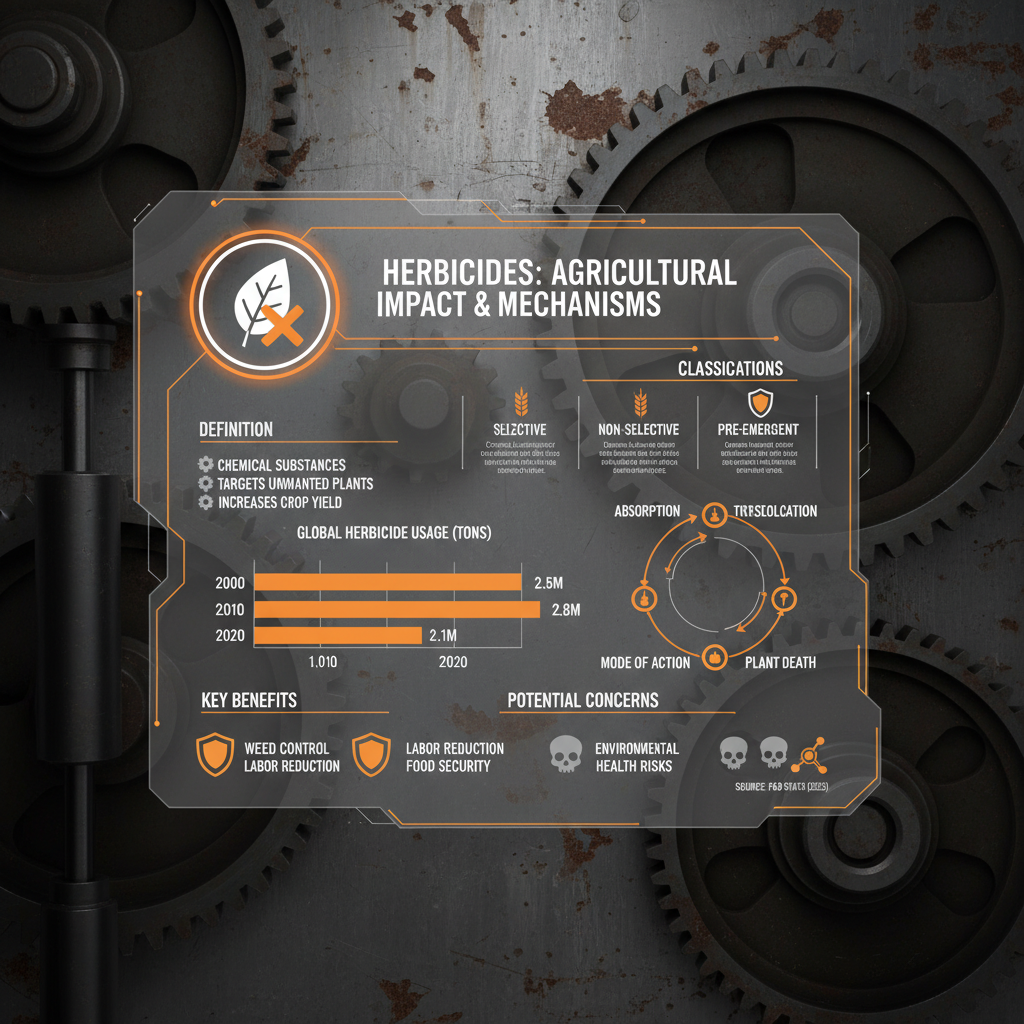
At its core, herbicides meaning refers to the use of substances – typically chemical, but increasingly biological – to disrupt the growth of unwanted plants, commonly known as weeds. These substances act on specific metabolic pathways within the plant, inhibiting essential processes like photosynthesis, amino acid synthesis, or cell division. Herbicides are categorized based on their mode of action, selectivity (whether they kill all plants or only certain types), and chemical composition.

The connection between herbicides and modern industry is undeniable. From the agrochemical companies that develop and manufacture them to the agricultural businesses that utilize them, herbicides underpin a multi-billion dollar industry. Beyond agriculture, industries like forestry, landscaping, and infrastructure maintenance rely heavily on herbicides for efficient vegetation management.

This practice is closely tied to humanitarian needs as well, ensuring food security and increasing the efficiency of food production to meet the demands of a growing global population. Effective weed control translates to higher crop yields, reduced food waste, and ultimately, a more sustainable and equitable food system.

Core Components of Herbicide Action

Understanding how herbicides function requires examining several key aspects. Firstly, selectivity determines which plants are affected. Some herbicides are non-selective, killing all vegetation they contact, while others are selective, targeting specific weed species while leaving desired crops unharmed. Secondly, the mode of action describes the biochemical process the herbicide disrupts within the plant. Thirdly, persistence refers to how long the herbicide remains active in the environment, impacting its effectiveness and potential for environmental consequences.

Another crucial component is formulation. Herbicides aren’t typically applied in their pure form; they’re mixed with other ingredients, such as surfactants and solvents, to improve their efficacy, handling characteristics, and application properties. Finally, application timing is critical. Applying an herbicide at the wrong growth stage of the weed, or under unfavorable environmental conditions, can significantly reduce its effectiveness. These components of herbicides meaning influence the outcome of the process.

These core components directly impact practical applications. For instance, selecting a selective herbicide allows farmers to control weeds in row crops without harming the desired plants. Choosing an herbicide with a specific mode of action can help prevent the development of herbicide resistance. Understanding persistence is vital for minimizing environmental runoff and protecting water sources.

Global Applications of Herbicides

The applications of herbicides are diverse and far-reaching. In agriculture, they’re used extensively in major crops like corn, soybeans, wheat, and rice, contributing significantly to global food production. Beyond row crops, herbicides are crucial in orchards, vineyards, and pastures, maintaining optimal growing conditions.

Non-agricultural applications are equally significant. Right-of-way management – controlling vegetation along roads, railways, and power lines – relies heavily on herbicides to ensure safety and prevent infrastructure damage. Forestry utilizes herbicides for site preparation, thinning, and conifer release, promoting healthy forest growth. Landscaping and turf management employ herbicides for aesthetic purposes and to maintain weed-free lawns and gardens.

Herbicide Application Effectiveness by Method

Advantages and Long-Term Value of Effective Herbicide Use

The advantages of effective herbicide use extend far beyond increased crop yields. Cost savings are significant, reducing the need for manual weeding and tillage, which require substantial labor and fuel. Sustainability is enhanced by enabling no-till farming practices, which conserve soil moisture, reduce erosion, and sequester carbon.

The long-term value also encompasses social impact. Reliable food production contributes to food security and economic stability, particularly in developing countries. Reduced exposure to allergens and toxins from weeds improves public health. Furthermore, the innovation driven by herbicide research and development fosters economic growth and job creation.

Future Trends in Herbicide Technology

The future of herbicides meaning is leaning towards precision agriculture and biological solutions. Genome editing technologies are being used to develop crops with enhanced herbicide tolerance, reducing the need for broad-spectrum herbicides. Biocontrol agents, such as fungal pathogens and bacteria that target weeds, are gaining traction as environmentally friendly alternatives.

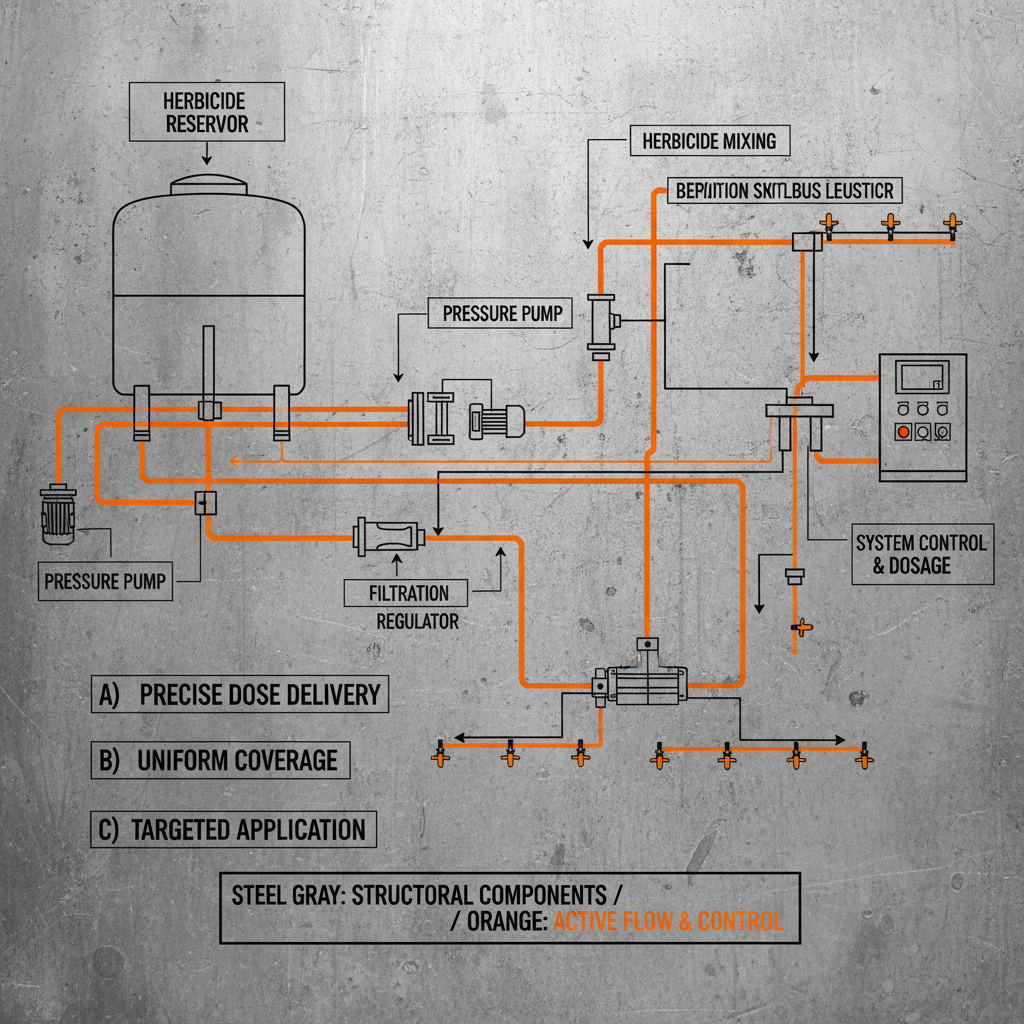
Digital transformation is playing a key role, with the development of drone-based herbicide application systems that can precisely target weeds, minimizing off-target drift and reducing herbicide use. Automation, including robotic weeders, is also poised to revolutionize weed control, particularly in high-value crops.

Challenges and Solutions in Herbicide Application

Despite the benefits, herbicide use faces significant challenges. Herbicide resistance is a growing problem, with many weed species evolving tolerance to commonly used herbicides. Environmental concerns, such as water contamination and impacts on non-target organisms, remain a priority. Regulatory hurdles and public perception can also limit the adoption of new herbicide technologies.

Solutions lie in adopting integrated weed management strategies that combine herbicide use with other control methods, such as crop rotation, cover cropping, and mechanical weeding. Developing new herbicides with novel modes of action is crucial for overcoming herbicide resistance. Investing in research and development of biological control agents and precision application technologies can minimize environmental impact.

A holistic understanding of herbicides meaning, coupled with responsible application practices and continuous innovation, is essential for addressing these challenges and ensuring the sustainable use of herbicides for years to come.

Summary of Challenges and Potential Solutions in Herbicide Application

Challenge Severity (1-10) Potential Solution Implementation Cost (Low/Medium/High)
Herbicide Resistance 9 Rotate Herbicide Modes of Action Medium
Environmental Impact (Water Contamination) 7 Precision Application Techniques High
Off-Target Drift 6 Drift Reduction Technologies Medium
Regulatory Restrictions 5 Collaborative Research & Data Sharing Low
Public Perception 8 Transparent Communication & Education Low
Development of New Herbicides 7 Increased Investment in R&D High

FAQS

What is the primary function of herbicides in agricultural practices?

The primary function of herbicides is to control or eliminate unwanted vegetation (weeds) in agricultural settings. Weeds compete with crops for essential resources like sunlight, water, and nutrients, leading to reduced yields and lower quality produce. Herbicides allow farmers to maximize crop productivity by minimizing this competition. Effective weed control is central to the herbicides meaning in modern food production.

How do different types of herbicides affect plant growth?

Different herbicides impact plant growth in various ways. Some disrupt photosynthesis, preventing plants from converting sunlight into energy. Others interfere with amino acid synthesis, crucial for protein production. Still others affect cell division or hormone balance, inhibiting growth. Understanding these different modes of action is critical for selecting the appropriate herbicide for a specific weed species and crop, and a core component of fully grasping herbicides meaning.

What are the environmental concerns associated with herbicide use?

Environmental concerns include potential water contamination through runoff, harm to non-target organisms (like beneficial insects or wildlife), and the development of herbicide-resistant weeds. These risks are often mitigated through responsible application practices, such as using precision technology, following label instructions, and employing integrated weed management strategies, all reflecting a deeper understanding of herbicides meaning.

How can herbicide resistance be managed effectively?

Managing herbicide resistance requires a multifaceted approach. This includes rotating herbicides with different modes of action, using herbicide mixtures, incorporating non-chemical control methods (like tillage or cover cropping), and implementing preventative measures such as weed scouting and early intervention. Preventing resistance is vital for maintaining the long-term effectiveness of herbicides meaning.

What is integrated weed management (IWM)?

Integrated Weed Management (IWM) is a holistic approach to weed control that combines multiple tactics to minimize weed pressure and reduce reliance on herbicides. IWM includes cultural practices (like crop rotation), mechanical control (like tillage), biological control (using natural enemies of weeds), and, when necessary, herbicide application. IWM promotes sustainable agriculture and a comprehensive understanding of herbicides meaning.

What future innovations are expected in herbicide technology?

Future innovations include the development of new herbicides with novel modes of action, the use of gene editing to enhance crop herbicide tolerance, precision application technologies (like drone spraying), and increased reliance on biological control agents. These advancements aim to create more sustainable and effective weed management solutions, constantly redefining the herbicides meaning of tomorrow.

Conclusion

Understanding the herbicides meaning is not merely about knowing what they are, but about appreciating their complex role in modern agriculture, environmental management, and global food security. From their historical development to the latest technological advancements, herbicides have dramatically reshaped our ability to control unwanted vegetation and increase crop yields. Embracing integrated weed management strategies, investing in research and development, and prioritizing responsible application practices are essential for harnessing the benefits of herbicides while mitigating their potential risks.

Looking ahead, the future of herbicide technology hinges on innovation and sustainability. Developing more selective, environmentally friendly, and resistance-managing solutions will be crucial for ensuring long-term food security and protecting our ecosystems. For more information on herbicides and sustainable agricultural practices, visit our website at www.hbjrain.com.

Jason Harris

Jason Harris

Jason Harris is a Product Specialist at HEBEI JRAIN TECHNOLOGY CO., LTD., with a focus on plant growth regulators like BloomBoost. He provides technical support and marketing materials to promote the benefits of these products, emphasizing their ability to enhance yield and plant health. Jason has a strong background in agronomy and a passion for helping growers maximize their productivity. He actively monitors price trends and product patents within the agricultural chemical industry, ensuring JRAIN TECH remains competitive. He holds a Bachelor’s degree in Agricultural Science.
Previous Is Roundup an Herbicide Understanding Its Role in Agriculture and Beyond
Next Comprehensive Guide to Nitric Acid for Sale and Industrial Applications

If you are interested in our products, you can choose to leave your information here, and we will be in touch with you shortly.