
Algicide. Sounds technical, right? But it's a surprisingly vital part of keeping things running smoothly in a lot of industries. We’re talking about controlling algal blooms, not just in ponds and swimming pools, but also in industrial water systems, cooling towers, even irrigation. I've spent years on site, watching algae clog pipes, reduce efficiency, and cost companies a fortune in downtime and repairs. That’s where a good algicide solution comes in. It's not just about aesthetics, it's about protecting infrastructure and ensuring reliable operations. You wouldn't believe the havoc a little bit of algae can wreak.
The problem is widespread. From power plants needing to keep cooling systems clear to agricultural operations relying on clean irrigation, algal growth is a constant battle. I've seen firsthand how a proactive algicide program can save a business significant money. The key is understanding that not all algicides are created equal. There's a huge range in effectiveness, environmental impact, and compatibility with different systems. Choosing the right one requires a solid understanding of the specific application and the types of algae you're dealing with.
A lot of folks think of algae as just a green slime, but it’s far more complex than that. Different species respond to different treatments. Ignoring the issue, or trying a one-size-fits-all solution, is almost always a recipe for disaster. It’s a constant monitoring and adjustment process, and that’s where experience – and a good algicide partner – really pays off.
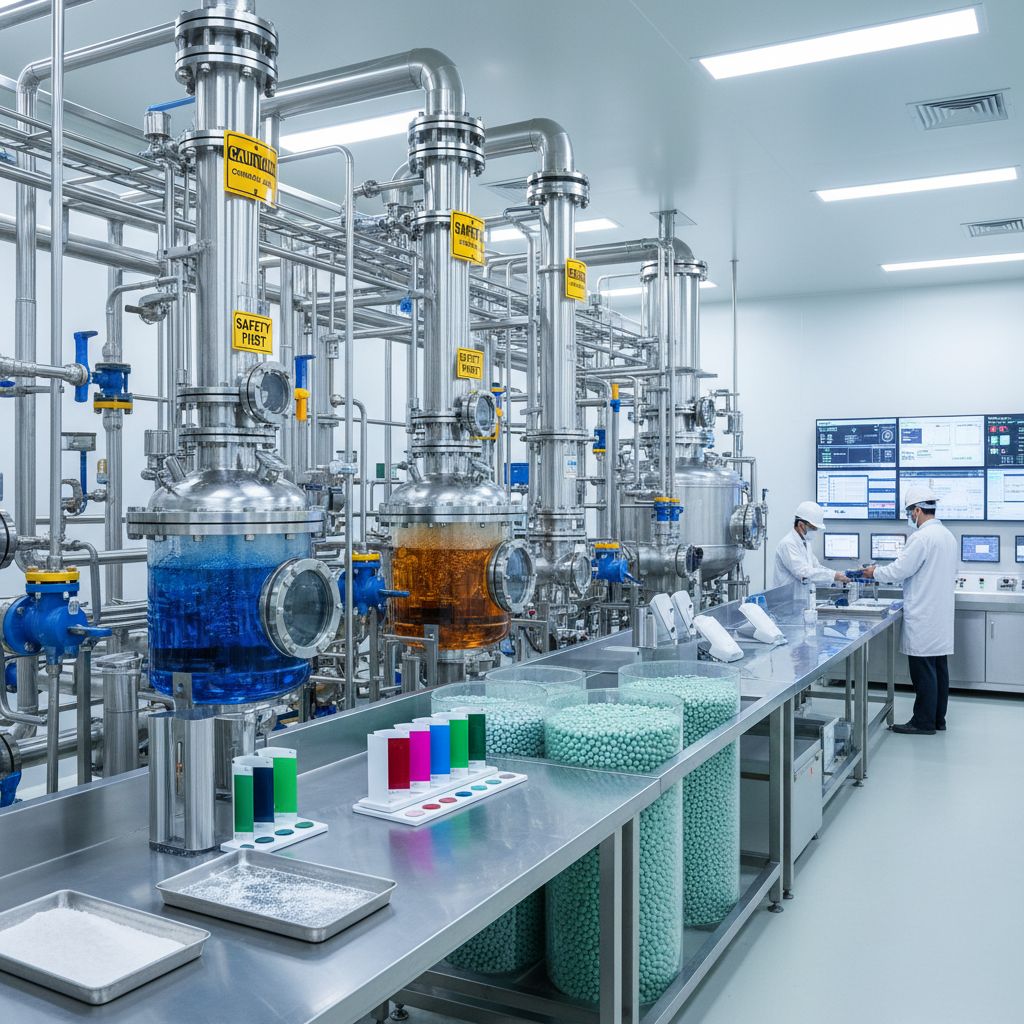
The Importance of Algicide in Industrial Applications
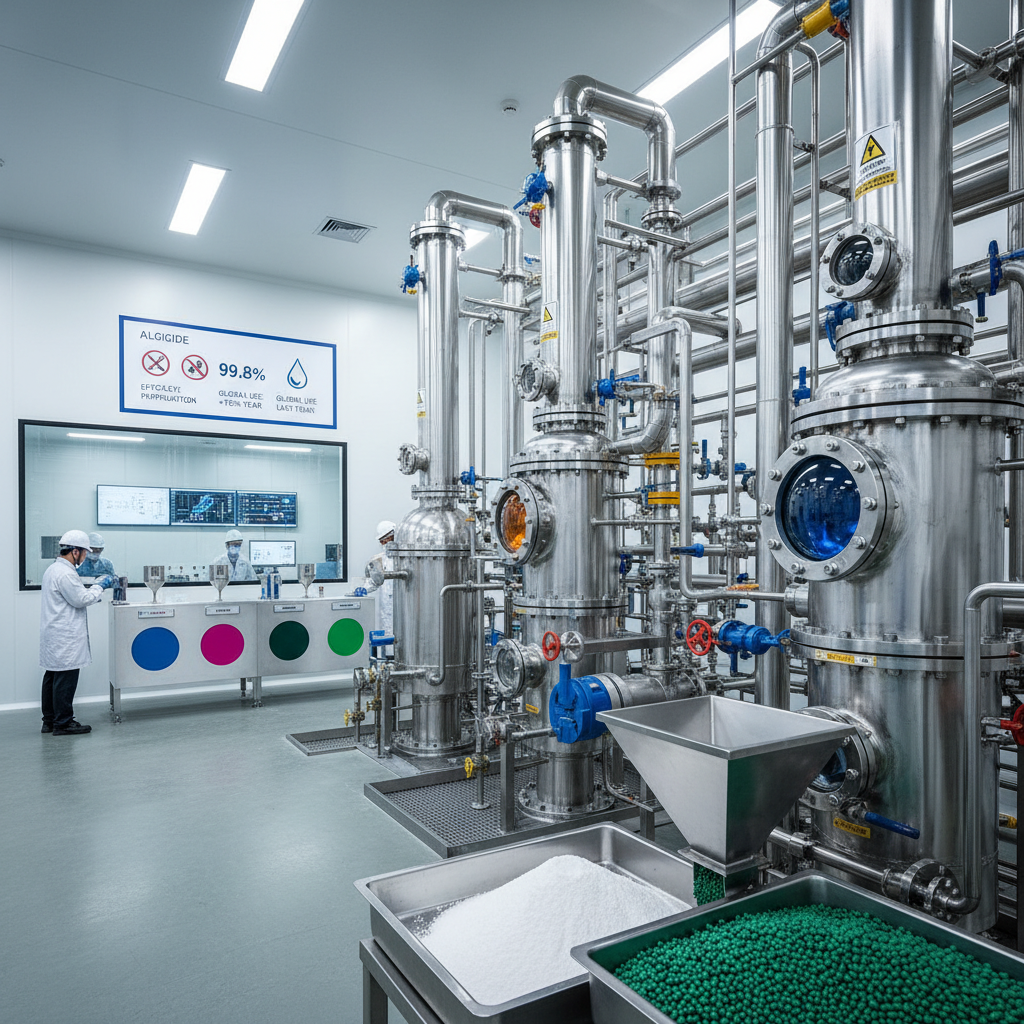
From the trenches, I can tell you that the biggest cost associated with algal growth isn’t always the cleanup. It's the lost productivity. A clogged cooling system means a power plant has to throttle back. An obstructed irrigation line means crops suffer. The economic impact is substantial, and often underestimated. Effective algicide programs are an essential part of preventative maintenance.
I've seen systems where a proactive approach to algicide treatment has drastically reduced the need for costly and time-consuming shutdowns for cleaning and repair. That translates to significant savings, and it keeps operations running smoothly. It’s about minimizing risk and maximizing efficiency.
FAQS
Preventative treatment involves regularly applying algicide before a bloom occurs, maintaining a low level of control. Reactive treatment is used to kill an existing bloom, which often requires higher doses and can be more disruptive. I always recommend preventative – it's cheaper and less stressful in the long run. Think of it like oil changes for your car, versus fixing an engine that’s seized up.
It depends on your system and the environment. At a minimum, I recommend monthly testing during peak season. If you’ve had problems with algae in the past, you might need to test more frequently. Look for changes in water clarity, color, and odor. Regular monitoring is the key to catching problems early.
No, absolutely not. Some algicides can be harmful to aquatic life and other organisms. That's why it's crucial to choose a product that's specifically designed for your application and to follow the manufacturer's instructions carefully. Look for algicides with low toxicity and minimal persistence in the environment.
That's a valid concern. Some algicides can corrode certain metals or damage plastic components. Before using any algicide, you need to check its compatibility with your system materials. It's often a good idea to test a small area first to make sure there are no adverse reactions. Consult the algicide’s data sheet for material compatibility information.
Uniform distribution is key. For large ponds or reservoirs, you'll typically need to use a boat or a specialized application system. Avoid applying algicide on windy days, as it can drift off-target. And always follow the manufacturer’s recommended dosage rates. Even distribution is vital for maximum effectiveness and minimizing localized impacts.
Look for a reduction in algal growth. Water clarity should improve, and the green color should start to fade. You can also monitor chlorophyll levels to get a quantitative measure of algal biomass. If you’re not seeing results, it could be that you’re using the wrong algicide, the dosage is too low, or there are other factors contributing to the bloom.
Conclusion
In the end, effective algicide management isn’t just about killing algae – it’s about protecting your infrastructure, improving efficiency, and ensuring reliable operations. From power plants to irrigation systems, the applications are diverse, but the underlying principles remain the same: understanding the biology of algae, selecting the right algicide, and implementing a proactive monitoring program.
Don't underestimate the power of preventative maintenance. A small investment in algicide treatment can save you a lot of headaches – and a lot of money – down the road. If you’re facing challenges with algal growth, don’t hesitate to reach out to a qualified professional. And for reliable algicide solutions tailored to your specific needs, visit our website: www.hbjrain.com.
Related Posts
-
Exploring the Versatile Applications of 30 Hydrogen Peroxide in Modern Industries
-
Comprehensive Guide to 99 Isopropyl Alcohol Properties and Industrial Applications
-
Optimizing Crop Yields with Plant Growth Hormones for Sale Globally
-
Understanding Herbicides Meaning for Sustainable Agriculture and Ecosystem Management