0%

Table of Contents

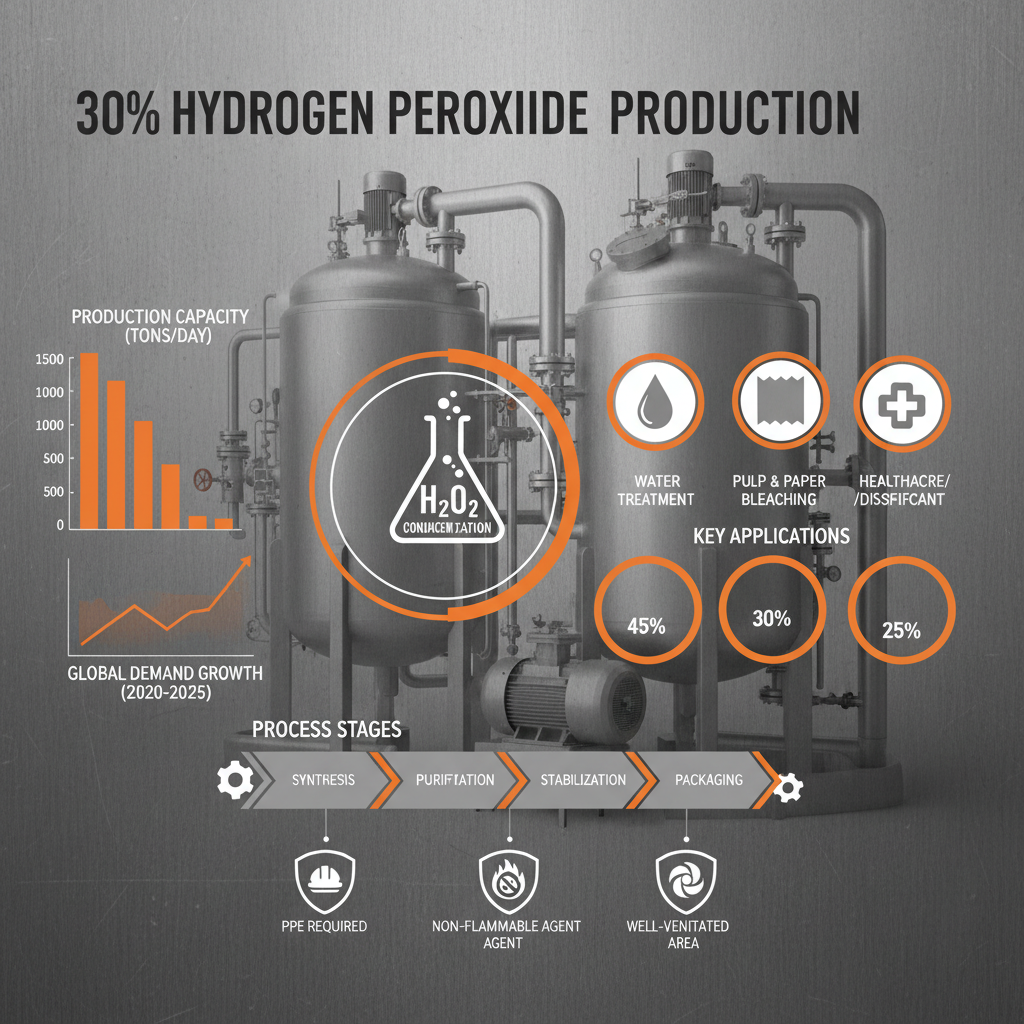
30 hydrogen peroxide is a versatile chemical compound with a wide range of applications spanning from disinfection and sterilization to industrial bleaching and wastewater treatment. Its potency and relatively environmentally friendly decomposition products – water and oxygen – make it a favored choice across numerous sectors globally. Understanding its properties, safe handling procedures, and diverse applications is crucial for professionals and researchers alike, impacting public health, environmental sustainability, and industrial efficiency.

The global demand for 30 hydrogen peroxide is consistently growing, driven by increased awareness of hygiene standards, stricter environmental regulations, and expanding industrial activities. According to market research reports, the hydrogen peroxide market is projected to reach substantial growth in the coming years, fueled by increasing demand in sectors like healthcare, textiles, and pulp and paper. This demand necessitates a comprehensive understanding of its production, transportation, storage, and utilization.

The widespread use of 30 hydrogen peroxide reflects its ability to address pressing challenges in sanitation, pollution control, and manufacturing processes. Its efficacy as a disinfectant is particularly vital in healthcare settings to prevent the spread of infections, while its application in wastewater treatment helps to reduce harmful pollutants. Continued innovation in delivery methods and application techniques further expands its utility and reinforces its position as a cornerstone chemical in many modern industries.
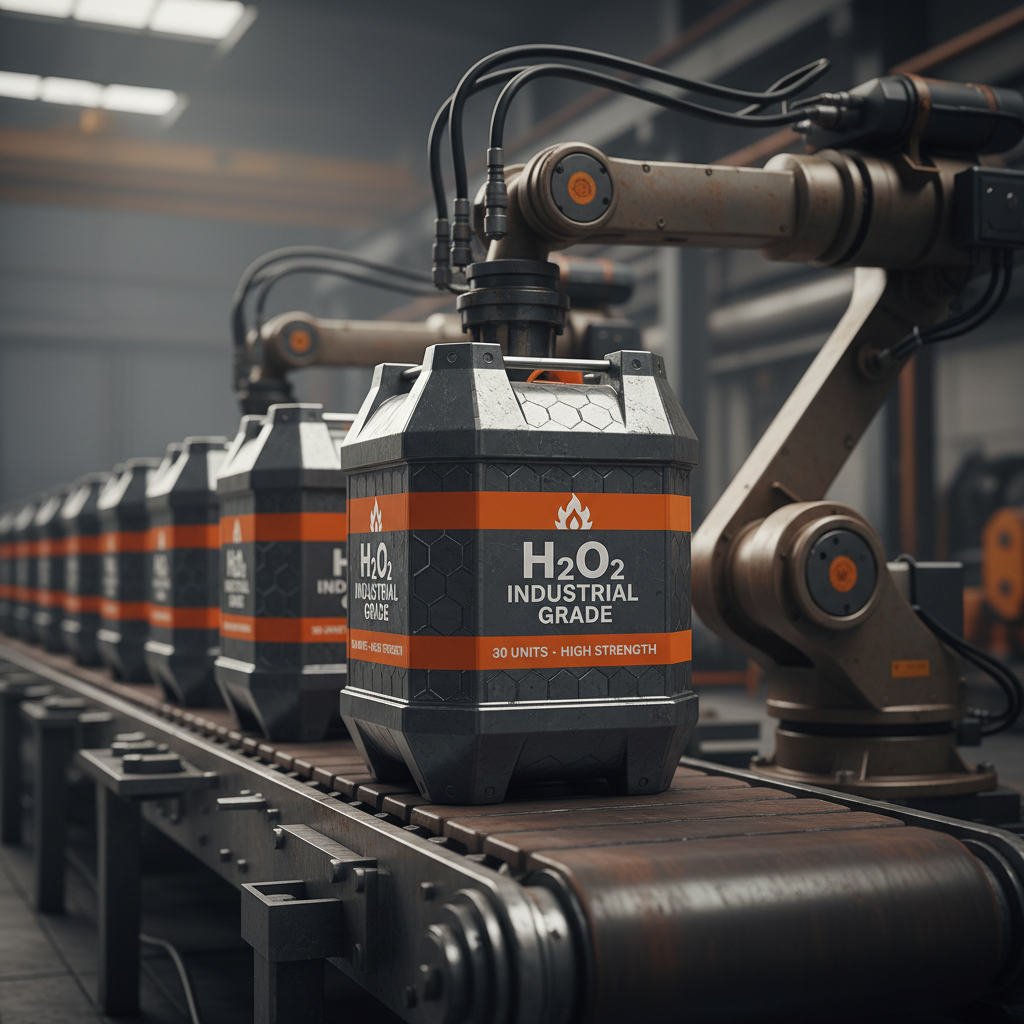
30 hydrogen peroxide

Introduction to 30 Hydrogen Peroxide

30 hydrogen peroxide

30 hydrogen peroxide solutions are commonly utilized for their strong oxidizing properties, making them effective in various disinfection and bleaching processes. The 30% concentration balances effectiveness with handling safety considerations, and is often the preferred solution in both professional and consumer settings. Its use requires adherence to safety protocols due to its potential for skin and eye irritation.

The accessibility and cost-effectiveness of 30 hydrogen peroxide contribute to its wide adoption. While other disinfectants and oxidizers exist, 30 hydrogen peroxide offers a favorable profile, breaking down into water and oxygen, minimizing environmental impact when used correctly. The ongoing development of stabilized formulations further enhances its shelf life and usability across diverse applications.

Defining 30 Hydrogen Peroxide

30 hydrogen peroxide (H₂O₂) is an inorganic compound typically sold as a colorless liquid. The “30” signifies the percentage concentration of hydrogen peroxide in water, meaning a 30% solution contains 30 grams of hydrogen peroxide per 100 grams of solution. This concentration is considered relatively strong and requires careful handling compared to lower concentrations commonly found in household first-aid kits.

Its connection to modern industry and humanitarian needs is profound. In industries, it serves as a crucial bleaching agent in textile manufacturing, a key component in chemical synthesis, and a powerful oxidizer in various processes. For humanitarian efforts, it’s indispensable for water purification, wound disinfection, and sterilizing medical equipment, particularly in areas lacking advanced infrastructure.

The unique molecular structure of 30 hydrogen peroxide, featuring an oxygen-oxygen single bond, contributes to its instability and potent oxidizing ability. This instability makes it a powerful agent for breaking down organic matter, rendering it effective in disinfection and decontamination applications, while its decomposition into water and oxygen minimizes the creation of harmful byproducts.

Core Properties of 30 Hydrogen Peroxide

The reactivity of 30 hydrogen peroxide is a key characteristic. Its ability to readily donate oxygen makes it an effective oxidizing agent, used for bleaching, disinfection, and chemical synthesis. The rate of decomposition is affected by factors like temperature, light, and the presence of catalysts, necessitating proper storage conditions to maintain its potency.

Stability, while seemingly contradictory to its reactivity, is crucial for storage and transportation. Stabilizers are commonly added to commercial 30 hydrogen peroxide formulations to inhibit decomposition and prolong shelf life. These stabilizers typically include compounds that scavenge trace metals which can catalyze the breakdown of hydrogen peroxide.

Cost-efficiency is a significant advantage. Compared to some alternative disinfectants and oxidizers, 30 hydrogen peroxide offers a relatively low-cost solution for various applications, particularly when considering its efficacy and environmentally benign decomposition products. This economic benefit enhances its accessibility and adoption across diverse industries.

Practical Applications of 30 Hydrogen Peroxide

One of the most widespread applications of 30 hydrogen peroxide is as a disinfectant and sterilizer. Healthcare facilities rely on it to disinfect surfaces, medical instruments, and even wounds, minimizing the risk of infection. Its efficacy against a broad spectrum of microorganisms, including bacteria, viruses, and fungi, makes it a versatile tool in infection control.

In the pulp and paper industry, 30 hydrogen peroxide is used extensively as a bleaching agent to whiten wood pulp without generating harmful chlorinated byproducts, which are associated with environmental concerns. This environmentally friendly bleaching process is a significant driver of its demand within this sector.

30 Hydrogen Peroxide Application Efficacy Comparison

Global Applications and Industries Utilizing 30 Hydrogen Peroxide

The healthcare sector is a major consumer of 30 hydrogen peroxide worldwide, utilizing it for sterilization of medical devices, wound cleansing, and disinfection of hospital surfaces. Regions with limited access to advanced sterilization technologies rely heavily on the efficacy and relative affordability of 30 hydrogen peroxide solutions.

The textile industry employs 30 hydrogen peroxide extensively for bleaching fabrics, particularly cotton and synthetic materials. Asian countries like China and India, major textile manufacturing hubs, represent significant markets for this application. The shift towards more sustainable bleaching processes has increased demand for 30 hydrogen peroxide as an alternative to chlorine-based bleaches.

Wastewater treatment facilities globally use 30 hydrogen peroxide for oxidation of pollutants, removing contaminants like dyes, phenols, and organic compounds. Stringent environmental regulations in developed countries, such as those in Europe and North America, are driving increased adoption of advanced oxidation processes utilizing 30 hydrogen peroxide.

Advantages and Long-Term Value of 30 Hydrogen Peroxide

Cost-effectiveness is a primary benefit of utilizing 30 hydrogen peroxide. Compared to alternative oxidizing agents or disinfection methods, it offers a competitive price point, reducing operational expenses for industries and healthcare facilities. This economic advantage makes it particularly attractive in resource-constrained environments.

Sustainability is another key advantage. 30 hydrogen peroxide decomposes into water and oxygen, minimizing its environmental impact compared to chemicals that generate harmful byproducts. This aligns with the growing global focus on environmentally responsible practices and sustainable development goals.

Future Trends and Innovations in 30 Hydrogen Peroxide Technology

Research and development efforts are focused on enhancing the stability and efficacy of 30 hydrogen peroxide through novel stabilization techniques and delivery systems. Nanotechnology and microencapsulation are being explored to improve its targeted delivery and controlled release, minimizing waste and maximizing effectiveness.

The integration of 30 hydrogen peroxide into advanced oxidation processes (AOPs) for wastewater treatment is a significant trend. Combining 30 hydrogen peroxide with UV radiation, ozone, or catalysts creates highly efficient systems for removing recalcitrant pollutants that are difficult to treat with conventional methods.

Future Trends and Innovations in 30 Hydrogen Peroxide Technology

Ongoing research is focused on developing more efficient and sustainable methods for producing 30 hydrogen peroxide, exploring alternative feedstocks and reducing energy consumption. Green hydrogen production, utilizing renewable energy sources, is a promising avenue for creating a truly sustainable supply chain.

Automation and process control technologies are being implemented to optimize 30 hydrogen peroxide usage in industrial applications, minimizing waste and ensuring consistent performance. Real-time monitoring and feedback control systems allow for precise dosing and adjustments based on process conditions, maximizing efficiency and reducing costs.

The convergence of digital technologies, such as artificial intelligence (AI) and machine learning (ML), is enabling predictive maintenance and optimization of 30 hydrogen peroxide storage and handling systems. AI algorithms can analyze data from sensors and historical records to identify potential issues and prevent disruptions, ensuring reliable operation and minimizing downtime.

Summary of Key Challenges and Proposed Solutions in 30 Hydrogen Peroxide Application

Challenge Impact on 30 Hydrogen Peroxide Use Proposed Solution Implementation Cost (1-10)
Decomposition & Stability Reduced effectiveness over time Advanced stabilizer formulations & controlled storage 6
Handling & Safety Concerns Risk of skin irritation/corrosion Enhanced PPE, automated dispensing systems 7
Transportation Regulations Compliance complexities & costs Optimized packaging & logistics solutions 5
Process Optimization Suboptimal dosing & waste Real-time monitoring & AI-driven control 8
Environmental Concerns Potential for residual peroxide Catalytic decomposition systems 9
Cost Fluctuation of Raw Materials Impact on profitability Diversification of supply chains and long-term contracts 4

FAQS

What are the primary safety precautions when handling 30 hydrogen peroxide?

When handling 30 hydrogen peroxide, always wear appropriate personal protective equipment (PPE), including gloves, eye protection, and protective clothing, to prevent skin and eye contact. Work in a well-ventilated area, and avoid contact with combustible materials. In case of spills, immediately dilute with water and follow safety data sheet (SDS) guidelines for cleanup and disposal. Proper training on safe handling procedures is essential for all personnel working with this chemical.

How should 30 hydrogen peroxide be stored to maintain its potency?

30 hydrogen peroxide should be stored in a cool, dark, and well-ventilated area, away from direct sunlight, heat sources, and incompatible materials like metals and organic compounds. Containers should be tightly closed to prevent evaporation and contamination. Proper labeling is crucial, and storage areas should be equipped with spill containment measures. Regular inspection of containers for leaks or damage is also recommended.

What is the shelf life of a 30 hydrogen peroxide solution?

The shelf life of 30 hydrogen peroxide is typically around 12-18 months, but can vary depending on storage conditions and the presence of stabilizers. Over time, hydrogen peroxide decomposes into water and oxygen, reducing its concentration. Regularly check the concentration of the solution to ensure it remains within acceptable limits for its intended use. Proper storage can significantly extend its shelf life.

Can 30 hydrogen peroxide be used for water purification, and what are the considerations?

Yes, 30 hydrogen peroxide can be used for water purification, primarily as an oxidant to remove organic contaminants and disinfect water sources. However, careful consideration must be given to the concentration and contact time required to achieve effective disinfection. It's crucial to monitor the residual peroxide levels after treatment to ensure they are within safe limits for consumption. Proper dilution and handling are essential.

What are the environmental impacts of using 30 hydrogen peroxide, and how can they be minimized?

30 hydrogen peroxide is considered relatively environmentally friendly as it decomposes into water and oxygen. However, high concentrations can still negatively impact aquatic life. Minimizing environmental impact involves responsible use, proper disposal of waste solutions, and preventing spills. Using optimized dosage levels and employing catalytic decomposition systems can further reduce potential environmental concerns.

How does 30 hydrogen peroxide compare to bleach (sodium hypochlorite) as a disinfectant?

While both 30 hydrogen peroxide and bleach are effective disinfectants, they have different properties. Bleach can generate harmful disinfection byproducts (DBPs) and is corrosive. 30 hydrogen peroxide decomposes into water and oxygen, making it more environmentally friendly and less corrosive. However, bleach often has a longer residual effect. The choice depends on the application and desired outcome, considering safety, environmental impact, and effectiveness.

Conclusion

30 hydrogen peroxide stands as a remarkably versatile chemical compound with applications spanning disinfection, bleaching, wastewater treatment, and numerous industrial processes. Its effectiveness, relative environmental friendliness, and cost-efficiency solidify its importance in modern industries and contribute to public health and safety. Understanding its core properties, handling procedures, and potential future innovations is crucial for professionals and researchers alike.

Looking ahead, ongoing research and development focused on enhancing stability, delivery methods, and sustainable production practices will further expand the applications and value of 30 hydrogen peroxide. Embracing innovative technologies and adhering to responsible handling guidelines will unlock its full potential, ensuring its continued role as a cornerstone chemical for a sustainable and healthier future. For more information and to explore how 30 hydrogen peroxide solutions can benefit your operations, visit our website: www.hbjrain.com

Robert Chen

Robert Chen

Robert Chen is a Senior Technical Specialist at HEBEI JRAIN TECHNOLOGY CO., LTD., focused on formulation development and disease solutions. He leads a team dedicated to creating innovative agrochemical formulations tailored to specific crop challenges. Robert possesses extensive knowledge of pest and disease management, and collaborates closely with research departments at leading universities in China. He routinely assists clients in troubleshooting new crop threats and identifying effective treatment strategies. He is proficient in analyzing market supply situations and advising on optimal product choices. Robert holds a PhD in Plant Pathology and is a recognized expert in the field.
Previous The Rising Prominence of 3 o ethyl ascorbic acid in Skincare and Pharmaceutical Applications
Next Comprehensive Insights into 4 Nitrobenzoic Acid Applications and Market Trends

If you are interested in our products, you can choose to leave your information here, and we will be in touch with you shortly.