In the complex landscape of modern agricultural chemistry and industrial sanitation, alkyl dimethyl benzyl ammonium chloride stands as a cornerstone quaternary ammonium compound. Its unique chemical structure allows it to act as a powerful surfactant and antimicrobial agent, providing critical defense mechanisms for crops and industrial surfaces alike. Understanding its versatility is essential for professionals seeking to optimize yield protection and maintain stringent hygiene standards across global supply chains.
The global demand for effective antimicrobial solutions has surged, driven by the need for food security and the prevention of plant diseases. As a key component in various fungicides and disinfectants, alkyl dimethyl benzyl ammonium chloride addresses the challenge of microbial resistance and the persistence of pathogens in harsh environments. By disrupting the lipid bilayer of cellular membranes, it ensures a rapid and decisive action against a wide spectrum of bacteria and fungi.
Integrating this compound into integrated pest management (IPM) strategies offers a sustainable path toward reducing crop loss. Beyond its immediate efficacy, the long-term value of alkyl dimethyl benzyl ammonium chloride lies in its compatibility with other active ingredients, allowing for the creation of synergistic formulations that enhance the resilience of plants and the sterility of manufacturing equipment.
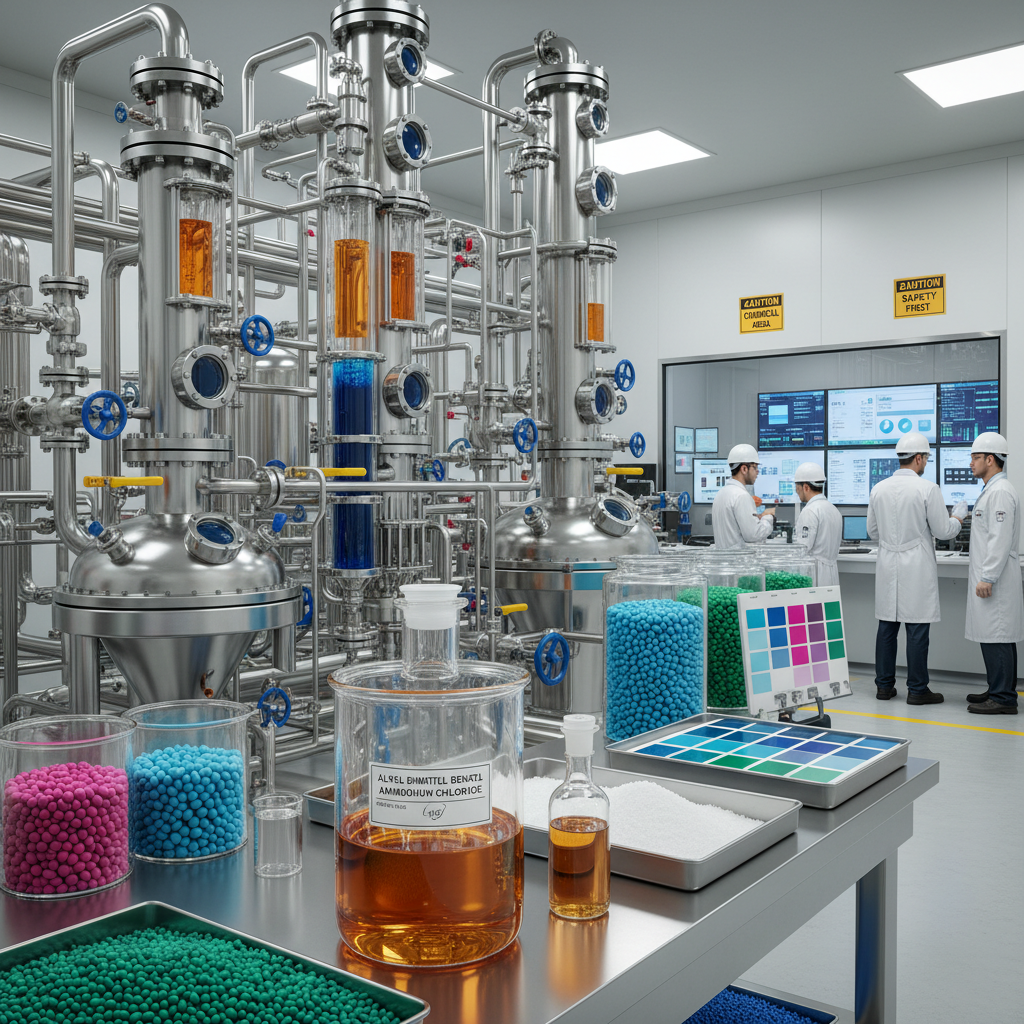
In simple terms, alkyl dimethyl benzyl ammonium chloride is a cationic surfactant. This means it possesses a positively charged head and a hydrophobic tail, a structure that allows it to bind to the negatively charged cell membranes of microorganisms. Once bound, it disrupts the membrane's integrity, causing the cell contents to leak and leading to the inevitable death of the pathogen.
Its role in modern industry extends beyond simple killing; it acts as a stabilizer and emulsifier in complex chemical formulations. For instance, in the production of plant growth regulators, it helps maintain a uniform distribution of active ingredients, ensuring that the application is consistent across the entire crop area. This dual-action nature makes it a versatile tool for chemical engineers.
Humanitarian needs, such as providing clean water and sterile environments in disaster-stricken zones, also rely on the chemistry of alkyl dimethyl benzyl ammonium chloride. Its effectiveness in low concentrations and its stability during transport make it an ideal component for rapid-deployment hygiene kits used by NGOs worldwide to prevent the spread of waterborne diseases.
Another critical factor is the purity and concentration of the alkyl dimethyl benzyl ammonium chloride used in the formulation. High-purity grades reduce the risk of phytotoxicity—where the chemical might inadvertently harm the plant it is intended to protect. Proper concentration ensures that the antimicrobial action is achieved without leaving excessive residues that could interfere with subsequent agricultural processes.
Finally, the interaction with water hardness and organic matter plays a significant role. Because it is a cationic agent, alkyl dimethyl benzyl ammonium chloride can sometimes be neutralized by anionic surfactants or organic debris. Therefore, the formulation of "hard-water stable" versions is a key area of focus for manufacturers to ensure consistent performance in real-world field conditions.
The long-term value of incorporating alkyl dimethyl benzyl ammonium chloride into industrial protocols lies in its reliability. Unlike some volatile organic compounds, it provides a lasting layer of protection that reduces the frequency of re-application. This not only lowers labor costs but also minimizes the total volume of chemicals introduced into the ecosystem, supporting a more sustainable approach to industrial hygiene.
From an emotional and logical standpoint, the use of high-quality quaternary ammonium compounds fosters trust and safety. For producers of food-grade chemicals or pharmaceuticals, knowing that their environment is sterile ensures the dignity of the end-consumer, who receives a product free from contamination. This commitment to purity is what separates market leaders from the rest of the industry.
Moreover, the ability to blend alkyl dimethyl benzyl ammonium chloride with biodegradable chelating agents is leading to a new generation of "green" disinfectants. These innovations prove that high-level efficacy does not have to come at the expense of environmental stewardship, bridging the gap between industrial necessity and ecological responsibility.
The future of alkyl dimethyl benzyl ammonium chloride is being shaped by the digital transformation of agriculture. Precision farming, utilizing IoT sensors and drone application, allows for the "spot-treatment" of pathogens. This means the compound can be applied only where it is needed, drastically reducing waste and further enhancing the sustainability profile of these chemical agents.
Innovation is also moving toward "smart" delivery systems, such as nano-encapsulation. By encapsulating alkyl dimethyl benzyl ammonium chloride, manufacturers can create a slow-release mechanism that provides protection over weeks rather than days. This technology is particularly promising for long-term crop protection in regions with high rainfall, where traditional sprays would be washed away.
Additionally, regulatory shifts toward non-toxic, biodegradable surfactants are pushing the chemistry toward more refined structures. The goal is to maintain the powerful antimicrobial properties of the benzyl ammonium core while ensuring that the alkyl chains break down more rapidly in the soil, preventing long-term accumulation and protecting groundwater quality.
| Application Method | Efficacy Level | Environmental Impact | Cost Per Unit |
|---|---|---|---|
| Foliar Spray | High | Moderate | Low |
| Seed Soaking | Very High | Low | Medium |
| Surface Fogging | Medium | Moderate | High |
| Soil Drenching | High | High | Medium |
| Encapsulated Release | Maximum | Very Low | Very High |
| Equipment Dip | High | Low | Low |
Unlike alcohols, which evaporate rapidly and only provide immediate disinfection, alkyl dimethyl benzyl ammonium chloride is a quaternary ammonium compound that leaves a residual antimicrobial layer on the surface. This ensures that the surface remains protected against re-contamination for a longer period, making it far more suitable for industrial and agricultural environments where constant sterility is required.
While it is generally safe, phytotoxicity can occur if the concentration is too high. The key is using high-purity grades and adhering to recommended dosage levels. It is always advisable to conduct a small-scale patch test on a few plants before full-field application to ensure that the specific crop variety is compatible with the formulation.
High levels of calcium and magnesium in "hard water" can interfere with the cationic charge of alkyl dimethyl benzyl ammonium chloride, potentially reducing its efficacy. To overcome this, we recommend using stabilized versions or adding a chelating agent to the mix, which sequesters the minerals and allows the compound to target the microbes effectively.
Yes, it is often used as a synergistic agent. Because it disrupts the cell membrane, it can make the pathogen more susceptible to other fungicides that target internal metabolic processes. However, you must avoid mixing it with anionic surfactants (like some soaps), as they can neutralize the charge and render the compound inactive.
It should be stored in a cool, dry place, away from direct sunlight and strong oxidizing agents. To maintain its chemical stability and prevent degradation, it is best kept in original, airtight HDPE containers. Proper labeling and temperature control ensure that the active ingredients remain potent for their full shelf life.
Yes, as long as the product complies with the destination country's chemical import regulations and SDS (Safety Data Sheet) requirements. Most high-grade versions are manufactured to meet international ISO standards, facilitating easier customs clearance and ensuring safety during transit to remote or disaster-prone areas.
If you are interested in our products, you can choose to leave your information here, and we will be in touch with you shortly.