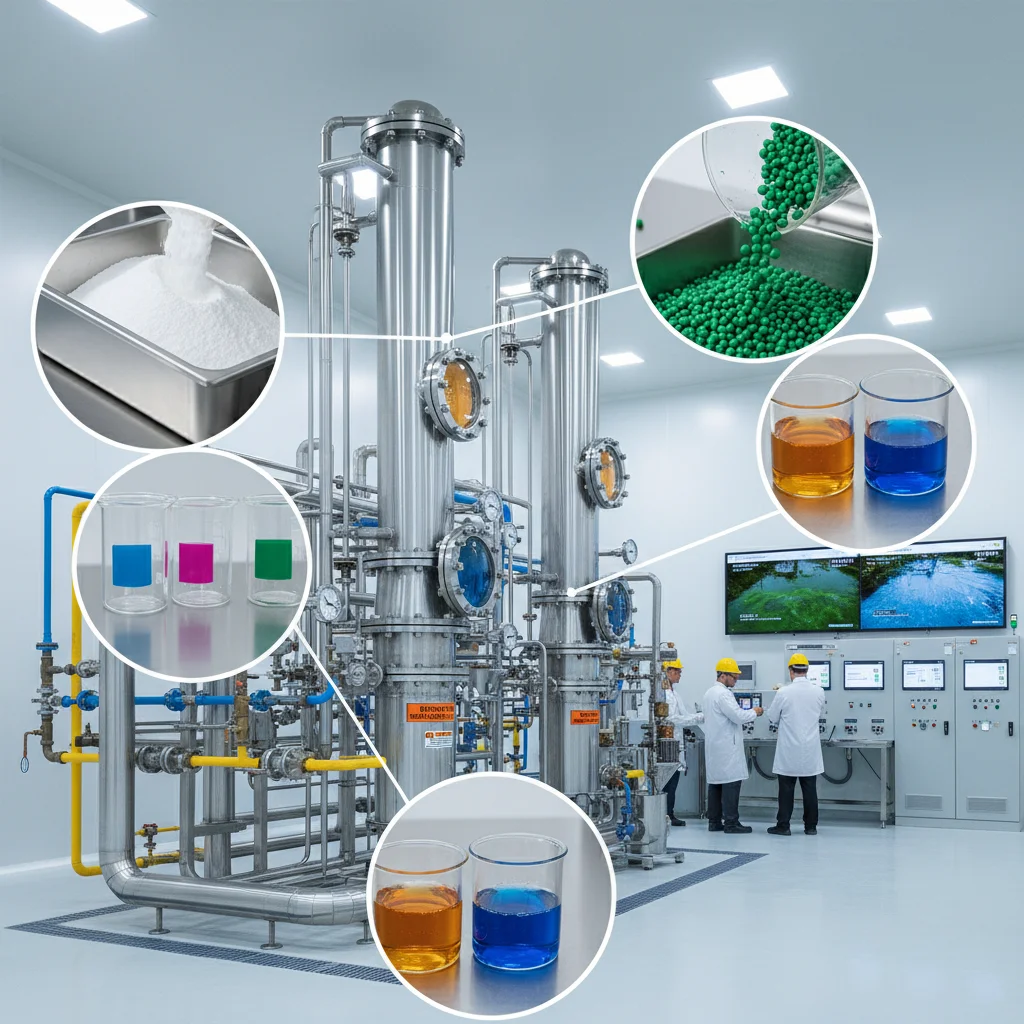
1,3-butadiene is a crucial organic chemical compound with the formula C4H6. Its significance stems from its role as a versatile monomer in the production of synthetic rubber, polymers, and various chemical intermediates. Globally, the demand for 1,3-butadiene is directly linked to the automotive industry, tire manufacturing, and the production of plastics. Understanding its properties, production methods, and applications is paramount for industries reliant on these materials, and for managing its potential environmental and safety concerns.
The global 1,3-butadiene market is experiencing fluctuations driven by crude oil prices, feedstock availability, and economic growth in key regions like Asia-Pacific. The increasing demand for tires in emerging economies, coupled with a growing preference for high-performance polymers, fuels the need for consistent and reliable butadiene supply chains. Successfully navigating these dynamic market conditions requires a thorough grasp of the compound's intricacies.
From the production of styrene-butadiene rubber (SBR) used extensively in tires, to the creation of acrylonitrile butadiene styrene (ABS) plastics employed in countless consumer goods, 1,3-butadiene is integral to modern life. Its impact is far-reaching, influencing industries ranging from automotive and construction to packaging and healthcare, making its study and optimized utilization critically important.
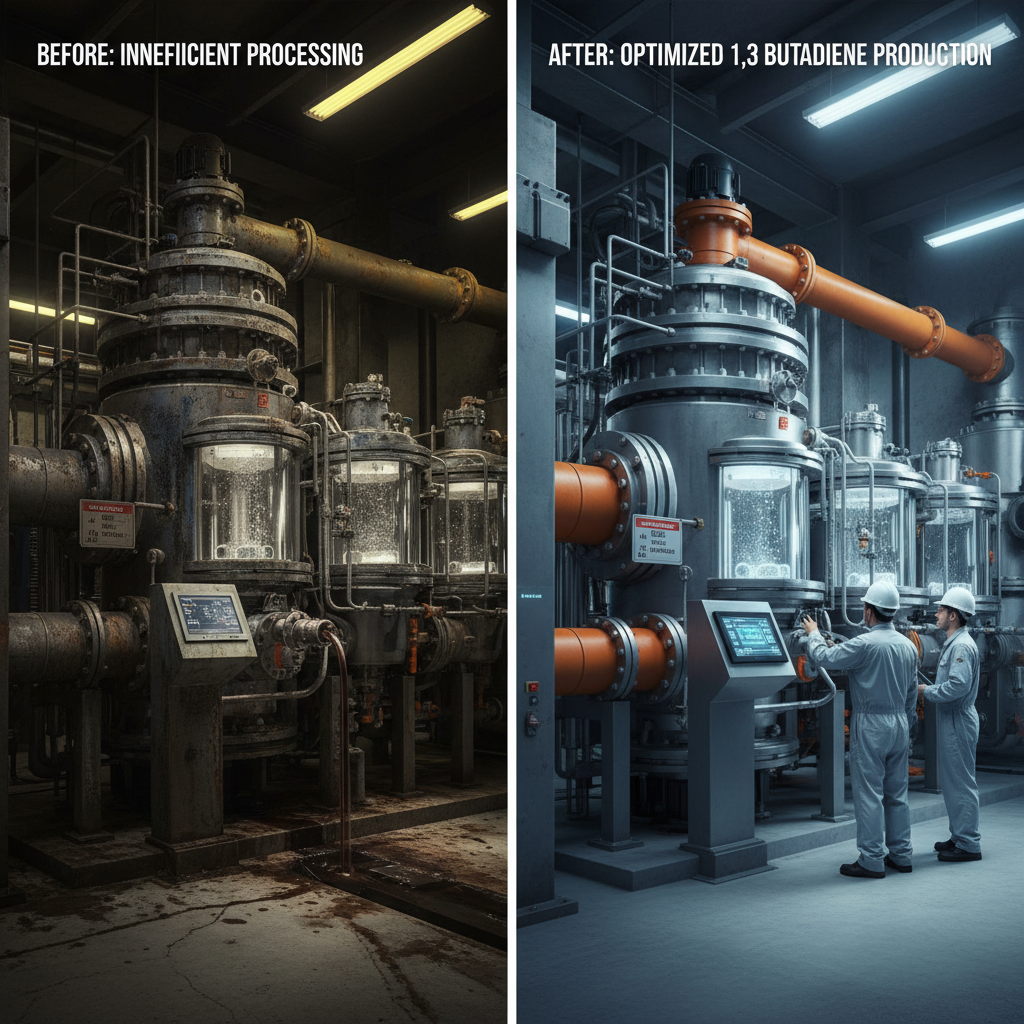
Introduction to 1 3 butadiene
1,3-butadiene, a conjugated diene, is a colorless gas with a slightly gasoline-like odor. Its importance lies in its ability to undergo polymerization, forming the backbone of synthetic rubber production. This process underpins the global tire industry, as well as the manufacture of numerous polymer-based products.
Understanding the intricacies of 1,3-butadiene – from its production methods to its chemical reactivity – is vital for chemical engineers, materials scientists, and anyone involved in the manufacturing processes that rely on this critical building block.
Global Relevance and Production
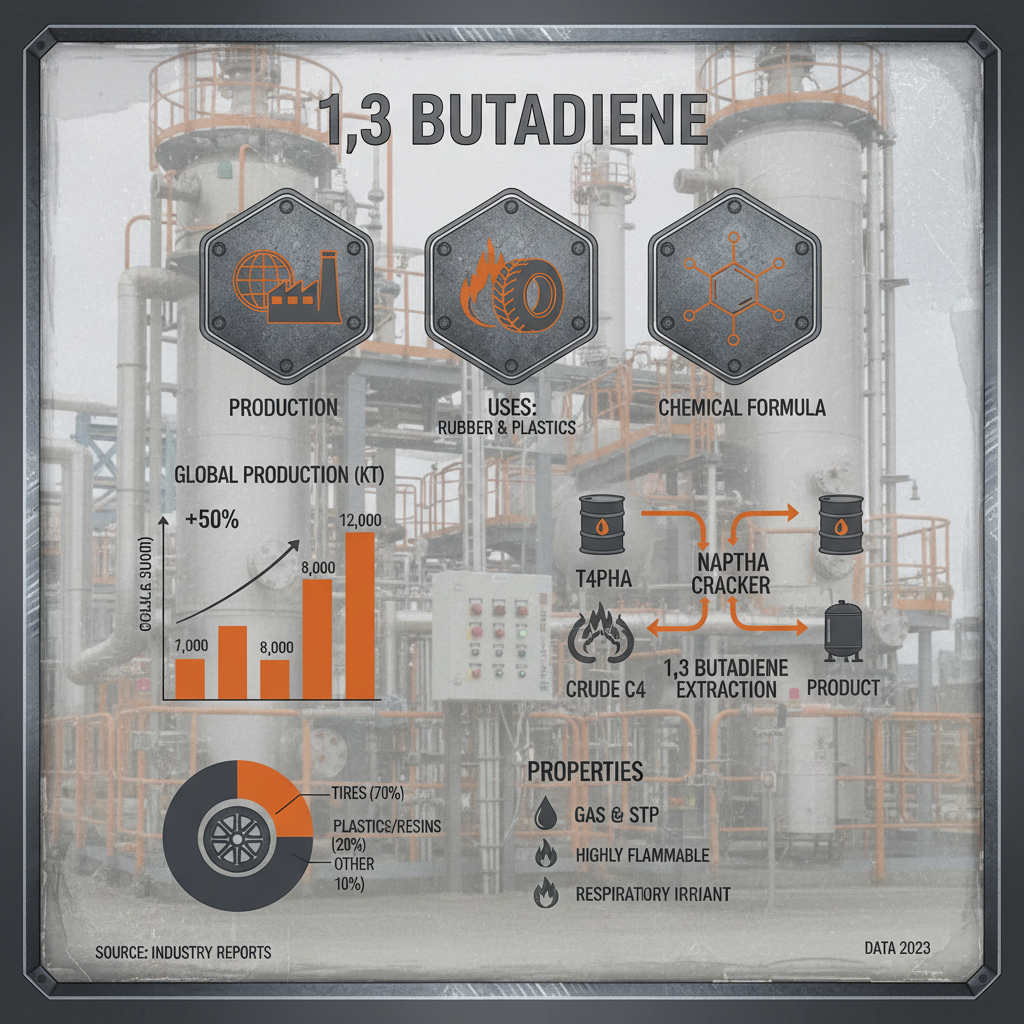
The global production of 1,3-butadiene is largely concentrated in Asia-Pacific, particularly in China, South Korea, and Japan, driven by the region’s substantial manufacturing base and increasing automotive demand. North America and Europe also contribute significantly to global supply, although at a smaller scale. The United Nations Comtrade database shows a consistent multi-billion dollar trade volume for butadiene and related polymers.
The majority of 1,3-butadiene is produced as a byproduct of ethylene production via steam cracking of naphtha or gas oil. However, on-purpose production methods, such as oxidative dehydrogenation of n-butane, are gaining traction due to their greater flexibility and independence from ethylene demand. The World Bank's reports highlight the increasing demand for butadiene in rapidly developing economies.
Fluctuations in crude oil prices have a substantial impact on the cost of 1,3-butadiene production, influencing the overall price of rubber and plastics. Geopolitical factors and supply chain disruptions can also create volatility in the market, emphasizing the importance of diversified sourcing and efficient production technologies.
Defining 1 3 butadiene
1,3-butadiene (C4H6) is an organic chemical compound classified as a conjugated diene. Conjugated dienes feature alternating single and double carbon-carbon bonds, conferring unique reactivity. This structure makes 1,3-butadiene exceptionally well-suited for polymerization reactions, where it forms long chains of repeating units.
The connection to modern industry is deeply rooted in the development of synthetic rubber during World War II, when natural rubber supplies were disrupted. 1,3-butadiene became a critical component in producing alternatives like styrene-butadiene rubber (SBR), enabling the continued production of tires and other essential rubber products. This innovation marked a turning point in materials science and industrial capability.
Today, 1,3-butadiene continues to be indispensable in countless applications. Beyond rubber, it serves as a building block for various plastics, resins, and chemical intermediates used in the automotive, construction, textile, and packaging industries. Its versatility is a testament to its foundational role in modern manufacturing.
Key Properties of 1 3 butadiene
One key property of 1,3-butadiene is its high reactivity, stemming from its conjugated diene structure. This allows it to readily participate in addition polymerization, forming long-chain polymers. Its gaseous state at room temperature demands careful handling and storage.
Furthermore, 1,3-butadiene is flammable and can form explosive mixtures with air, requiring strict safety protocols in production and handling facilities. It’s also a relatively low-boiling point compound, which affects storage and transportation logistics.
1 3 butadiene Polymerization Methods
Applications Across Industries
The largest application of 1,3-butadiene is in the production of synthetic rubber, particularly styrene-butadiene rubber (SBR) and polybutadiene rubber (BR). These rubbers are essential components in tire manufacturing, providing the necessary grip, durability, and wear resistance. Millions of tons of 1,3-butadiene are consumed annually for this purpose alone.
Beyond tires, 1,3-butadiene is used to create acrylonitrile butadiene styrene (ABS) plastic, a versatile thermoplastic used in automotive parts, appliances, electronics housings, and toys. It also finds application in the production of latex, adhesives, and various chemical intermediates used in pharmaceutical and agricultural industries.
Advantages and Future Outlook
The primary advantage of 1,3-butadiene lies in its ability to create polymers with desirable properties, such as elasticity, toughness, and resistance to abrasion. Synthetic rubbers derived from 1,3-butadiene offer superior performance characteristics compared to natural rubber in many applications, contributing to enhanced product reliability and longevity.
Looking ahead, research and development are focused on bio-based 1,3-butadiene production methods, reducing reliance on fossil fuels and minimizing environmental impact. Innovations in polymerization catalysts and polymer processing techniques promise to further enhance the performance and sustainability of butadiene-based materials. The shift towards electric vehicles may also create new demands for specialized elastomers with specific performance criteria.
Moreover, the increasing focus on circular economy principles is driving the development of recycling technologies for butadiene-based polymers, enabling the recovery and reuse of valuable materials and minimizing waste. This holistic approach to material management will be crucial for ensuring a sustainable future for the 1,3-butadiene industry.
Production Processes and Challenges
Currently, the dominant production route for 1,3-butadiene is as a byproduct of ethylene production via steam cracking. This process involves heating hydrocarbon feedstocks to high temperatures, yielding a mixture of olefins, including ethylene and 1,3-butadiene. Separation and purification steps are then employed to isolate the desired butadiene product.
However, this reliance on ethylene production creates inherent limitations in butadiene supply, as it is dependent on ethylene demand and feedstock availability. On-purpose production technologies, such as oxidative dehydrogenation of n-butane, are gaining traction as they offer greater control over butadiene output. Yet, these methods often require significant capital investment and energy consumption.
Summary of 1 3 butadiene Production Method Comparison
| Production Method |
Capital Cost (1-10) |
Butadiene Yield (%) |
Environmental Impact (1-10) |
| Steam Cracking (Byproduct) |
3 |
40-60 |
7 |
| Oxidative Dehydrogenation (ODH) |
8 |
70-90 |
6 |
| Ethanol to Butadiene |
7 |
50-70 |
4 |
| Butane Dehydrogenation |
6 |
60-80 |
5 |
| On-Purpose Dehydrogenation of Butanes |
9 |
80-95 |
7 |
| Propylene Dimerization |
5 |
45-65 |
8 |
FAQS
1,3-butadiene is a critical component in the production of synthetic rubbers like styrene-butadiene rubber (SBR) and polybutadiene rubber (BR), which are extensively used in tire manufacturing. These rubbers provide essential properties like abrasion resistance, flexibility, and grip, impacting tire performance and durability. It's not just a single component, but a cornerstone of modern tire technology, directly influencing safety and fuel efficiency.
The price of 1,3-butadiene is significantly influenced by crude oil prices, as it's often a byproduct of ethylene production through steam cracking, a process reliant on hydrocarbon feedstocks derived from crude oil. When crude oil prices rise, the cost of these feedstocks increases, directly impacting the production cost of butadiene. Furthermore, geopolitical events affecting oil supply can create market volatility, leading to price fluctuations.
1,3-butadiene is a volatile organic compound (VOC) and a potential air pollutant. Its production and handling require careful emission control measures to prevent environmental contamination. Furthermore, the lifecycle impact of butadiene-based polymers, including end-of-life disposal, raises concerns about plastic waste and the need for improved recycling technologies. Sustainable production methods and circular economy initiatives are crucial for mitigating these concerns.
Research is actively focused on producing 1,3-butadiene from renewable sources, such as ethanol via catalytic dehydrogenation. These bio-based methods offer a pathway to reduce reliance on fossil fuels and lower the carbon footprint of butadiene production. Other areas of exploration include utilizing bio-based butanol as a feedstock and developing more efficient and selective catalysts for on-purpose butadiene production.
The shift towards electric vehicles (EVs) could potentially decrease the demand for tires in the long term, as EVs tend to have lower rolling resistance tires or potentially different tire wear patterns. However, EVs still require tires, and the demand for specialized elastomers with specific performance characteristics – such as low rolling resistance and high durability – may actually increase the demand for advanced butadiene-based polymers tailored for EV applications.
1,3-butadiene is a flammable gas that can form explosive mixtures with air. Strict safety protocols are essential, including proper ventilation, leak detection systems, and the use of personal protective equipment (PPE). It is also a potential carcinogen, necessitating careful handling and minimizing exposure. All handling procedures should adhere to relevant safety regulations and industry best practices.
Conclusion
In conclusion, 1,3-butadiene is a foundational chemical building block with far-reaching implications for numerous industries. From enabling the production of synthetic rubber for tires to serving as a precursor for versatile plastics, its importance is undeniable. Understanding its properties, production methods, and challenges is crucial for ensuring a sustainable and efficient supply chain.
Looking forward, continued investment in research and development focusing on bio-based production methods, enhanced recycling technologies, and optimized polymerization processes will be essential. These advancements will not only minimize environmental impact but also unlock new opportunities for innovation and growth in the 1,3-butadiene industry. For further information and exploration of our capabilities, visit our website: www.hbjrain.com