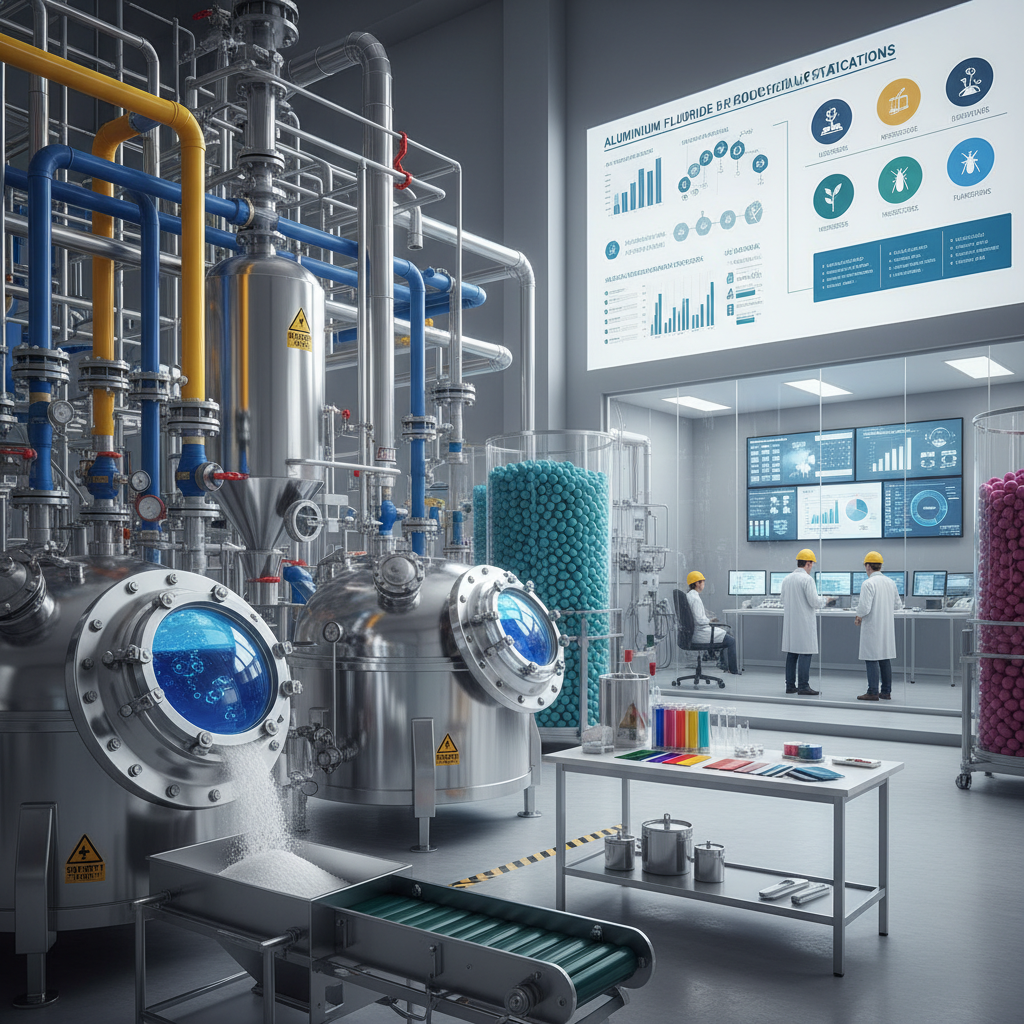
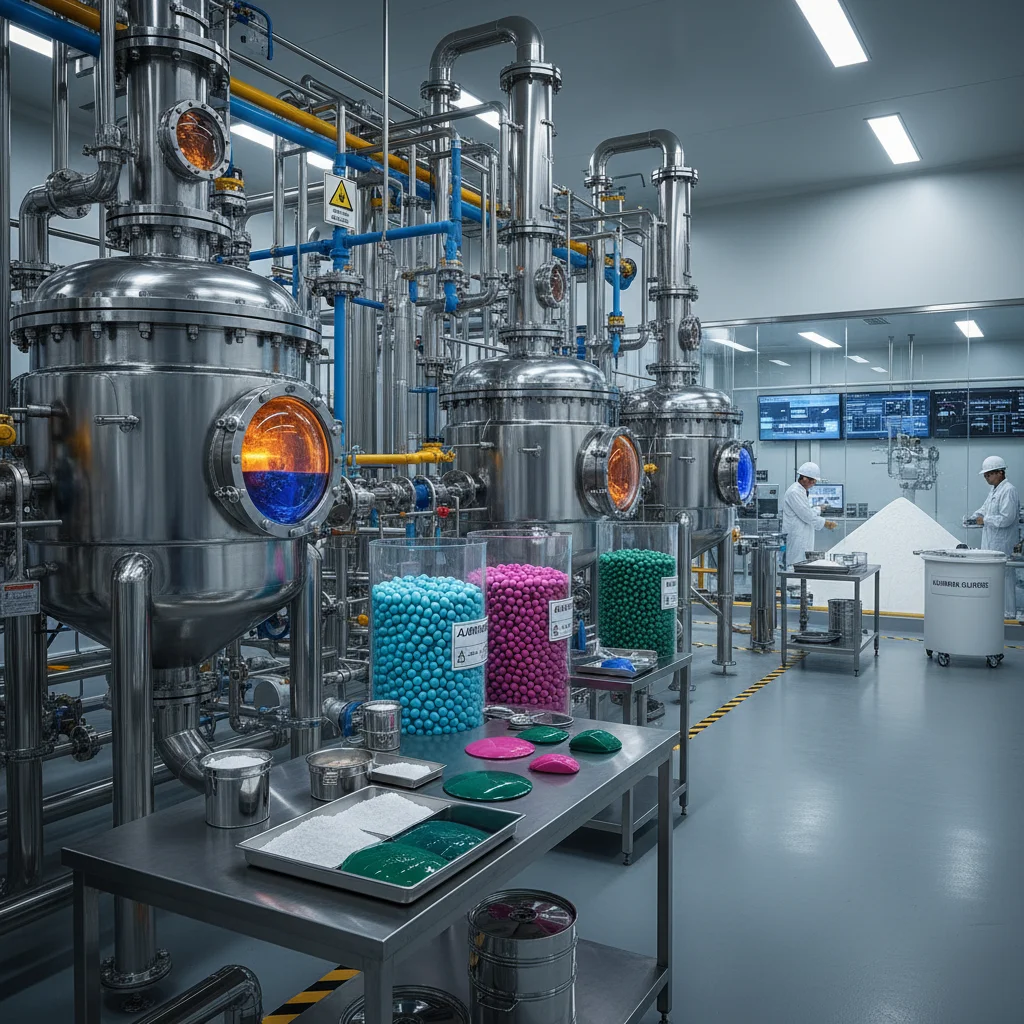
In the complex landscape of industrial chemistry, aluminium fluoride stands as a critical inorganic compound, primarily recognized for its indispensable role in the smelting of aluminium. By lowering the melting point of the electrolytic bath, it optimizes energy efficiency and enhances the overall productivity of metal extraction, making it a cornerstone of modern metallurgical infrastructure globally.
Beyond the heavy industry of smelting, this compound plays a multifaceted role in specialized chemical syntheses and agricultural applications. Its ability to act as a flux and its specific reactivity make it a valuable additive in the manufacturing of certain glass and ceramic materials, as well as a precursor in the development of various agricultural chemical agents designed to protect crops and regulate growth.
Understanding the chemical properties and industrial dynamics of aluminium fluoride is essential for engineers, procurement specialists, and agricultural scientists. As global demand for sustainable materials rises, the focus is shifting toward higher purity grades and more environmentally conscious production methods to ensure long-term industrial viability.
Global Industry Context of Aluminium Fluoride
The global market for aluminium fluoride is intricately linked to the aluminium smelting industry, which is a vital sector for the automotive, aerospace, and construction industries. With the World Bank noting the increasing demand for lightweight materials to reduce carbon emissions in transport, the reliance on efficient electrolytic processes—driven by high-quality fluoride additives—has never been higher.
However, the industry faces a significant challenge in balancing production volume with environmental regulations. The handling of fluorides requires strict adherence to ISO standards to prevent hazardous emissions and soil contamination, pushing manufacturers to innovate in "closed-loop" production systems that minimize waste while maintaining the chemical potency required for industrial smelting.
Defining Aluminium Fluoride and Its Chemical Significance
In simple chemical terms, aluminium fluoride (AlF3) is an inorganic compound consisting of aluminium and fluorine. It typically appears as a white crystalline powder that is insoluble in water but reacts with strong acids. Its primary chemical significance lies in its ability to modify the physical properties of molten salts, specifically by reducing the melting point and increasing the electrical conductivity of the bath in the Hall-Héroult process.
From a humanitarian and societal perspective, the efficiency provided by this compound directly impacts the cost and availability of aluminium. Since aluminium is essential for creating sustainable packaging, energy-efficient building frames, and lightweight electric vehicle components, the chemical stability and purity of the fluoride used in production have a ripple effect on global sustainability goals.
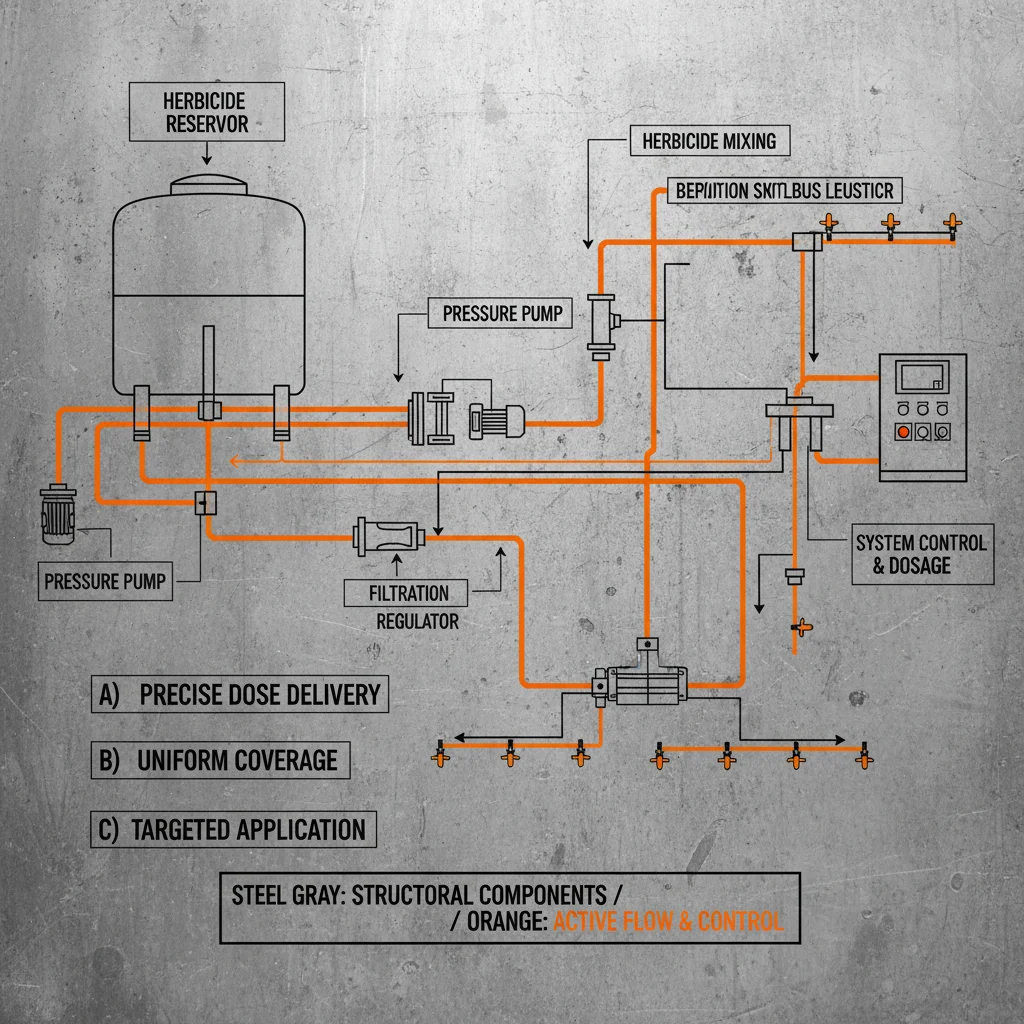
Furthermore, the compound serves as a bridge between heavy metallurgy and fine chemistry. Its role as a catalyst or reactant in the synthesis of specialized agrochemicals—such as certain fungicides and plant growth regulators—demonstrates its versatility. It transforms from a bulk industrial additive into a precision tool for ensuring global food security through crop protection.
Core Components and Technical Factors
When evaluating the quality of aluminium fluoride, purity is the paramount factor. The presence of impurities such as iron, silicon, or moisture can lead to instabilities in the electrolytic cell, causing increased energy consumption and reducing the lifespan of the carbon anodes. High-purity grades are therefore essential for high-performance smelting operations.
Thermal stability and solubility are second-tier critical components. In industrial applications, the compound must maintain its structural integrity at high temperatures without decomposing prematurely. This stability ensures that the chemical reaction remains predictable, allowing plant operators to maintain a consistent "bath ratio," which is key to optimizing electricity usage.
Finally, the physical morphology—such as particle size and bulk density—affects the scalability of the feeding process. Coarser particles may lead to uneven dissolution in the melt, whereas ultra-fine powders can create dusting issues in the factory environment. Achieving a balanced granulometry is vital for operational safety and dosing accuracy.
Global Applications and Industrial Use Cases
The most prominent application of aluminium fluoride is found in the aluminium industry across China, Canada, and the UAE, where massive smelting plants rely on it to optimize the electrolysis of alumina. By maintaining the correct concentration of fluoride ions, these plants can operate at lower temperatures, significantly reducing the carbon footprint of the primary aluminium production process.
In other sectors, such as the manufacture of specialty glasses and ceramics, the compound is used as an opacifier or a fluxing agent. In remote industrial zones specializing in high-tech ceramics, it helps in controlling the viscosity of the glass melt, enabling the creation of precision components for the electronics industry. Additionally, in the agricultural sector, it serves as a critical intermediate in the synthesis of advanced pesticides and plant growth regulators.
Industrial Performance Metrics of Aluminium Fluoride Variants
Long-Term Value and Economic Advantages
The long-term value of integrating high-grade aluminium fluoride into industrial workflows is primarily found in cost reduction and operational reliability. By reducing the melting point of cryolite baths, companies can lower their electricity bills—which typically account for the largest portion of smelting costs—thereby increasing their competitive edge in the global commodities market.
Beyond the logic of cost, there is an emotional and ethical angle: trust in material consistency. When a manufacturer can rely on the purity of their fluoride supply, they reduce the risk of catastrophic cell failure, ensuring the safety of their workforce and the dignity of a stable production environment. This reliability fosters innovation, as engineers can push the boundaries of material science knowing their foundational additives are stable.
Future Trends and Green Innovations
The future of aluminium fluoride is being reshaped by the global push toward "Green Aluminium." New research is focusing on the development of synthetic fluorides produced from recycled industrial waste, effectively turning a pollutant into a resource. This circular economy approach aligns with UN sustainability goals and reduces the dependence on traditional mining of fluorspar.
Digital transformation is also playing a role. Automation and AI-driven dosing systems are now being implemented to monitor the concentration of aluminium fluoride in real-time. By using sensors to detect minute changes in the bath chemistry, AI can adjust the feed rate of the compound automatically, eliminating human error and further optimizing energy efficiency.
Moreover, there is a growing trend toward the use of anhydrous aluminium fluoride in advanced semiconductor manufacturing. As the world moves toward more powerful computing and 5G technology, the demand for ultra-high purity fluorides for etching and cleaning processes is expected to surge, expanding the compound's footprint from heavy industry to high-tech electronics.
Current Challenges and Expert Solutions
One of the primary challenges associated with aluminium fluoride is its environmental impact during production, particularly the emission of hydrogen fluoride gas. To overcome this, experts suggest the implementation of advanced scrubbing systems and the use of calcium-based neutralizing agents to capture airborne fluorides before they leave the facility.
Another limitation is the volatility of raw material pricing, which can fluctuate based on the availability of fluorspar. To mitigate this, many forward-thinking firms are diversifying their supply chains and investing in synthesis technologies that utilize alternative fluorine sources, ensuring a steady supply regardless of geopolitical tensions.
From a technical standpoint, managing the moisture content in stored aluminium fluoride is a constant struggle, as humidity can lead to caking and degradation. The professional solution involves the use of moisture-proof, vacuum-sealed packaging and climate-controlled warehousing, ensuring that the material arrives at the reactor in peak condition.
Analysis of Aluminium Fluoride Application Challenges and Mitigation Strategies
| Challenge Category |
Specific Limitation |
Expert Solution |
Effectiveness (1-10) |
| Environmental |
HF Gas Emissions |
Alkaline Scrubbing Towers |
9 |
| Operational |
Material Caking |
Vacuum Sealed Packaging |
8 |
| Economic |
Raw Material Price Volatility |
Supply Chain Diversification |
7 |
| Technical |
Impurities in Low-Grade AlF3 |
Multi-stage Recrystallization |
9 |
| Safety |
Handling Hazardous Dust |
Automated Closed-Feed Systems |
10 |
| Sustainability |
High Energy Production |
Waste-to-Fluoride Recovery |
8 |
FAQS
The primary purpose of aluminium fluoride is to act as a flux that lowers the melting point of the alumina-cryolite bath. By doing so, it reduces the amount of electrical energy required to maintain the molten state of the electrolyte, which significantly lowers operational costs and reduces the thermal stress on the smelting equipment.
Purity is crucial because contaminants like iron or silicon can interfere with the electrical conductivity of the bath and increase the corrosion rate of the cell lining. High-purity aluminium fluoride ensures a stable electrolytic process, leading to a higher yield of pure aluminium and a longer lifespan for the industrial anodes.
Yes, while its bulk use is in metallurgy, it is used in smaller, precision quantities as a chemical intermediate. It helps in the synthesis of specific fungicides and plant growth regulators, where the fluoride ion plays a role in the biological activity of the final agricultural product.
Because it can release hazardous fumes if mixed with strong acids and can cause irritation to the respiratory tract, it should be handled in well-ventilated areas. Workers should use appropriate PPE, including dust masks and gloves, and the material should be stored in a cool, dry place away from incompatible chemicals.
Yes, current industry trends are moving toward the recovery of fluorides from industrial waste streams (such as phosphate fertilizer production). This recycling process reduces the need for mining new fluorspar and minimizes the environmental footprint of the chemical industry.
To prevent caking and maintain chemical potency, aluminium fluoride should be stored in moisture-proof containers, preferably in a climate-controlled warehouse. Avoiding exposure to high humidity is key to ensuring the powder remains free-flowing and easy to dose in industrial settings.
Conclusion
In summary, aluminium fluoride is far more than a simple industrial additive; it is a critical catalyst for energy efficiency in aluminium production and a versatile building block in agrochemical synthesis. By optimizing the physical and chemical properties of electrolytic baths and enabling the creation of high-performance crop protection agents, this compound supports both the global infrastructure and food security systems. The transition toward higher purity and sustainable production methods marks the next evolution of its industrial application.
Looking ahead, the synergy between digital automation and green chemistry will likely redefine how we produce and utilize aluminium fluoride. For companies seeking to enhance their operational efficiency and meet strict environmental standards, investing in high-grade, sustainably sourced fluorides is no longer optional—it is a strategic necessity. We encourage industry professionals to explore innovative dosing and recovery technologies to maximize the value of this essential compound. Visit our website: www.hbjrain.com