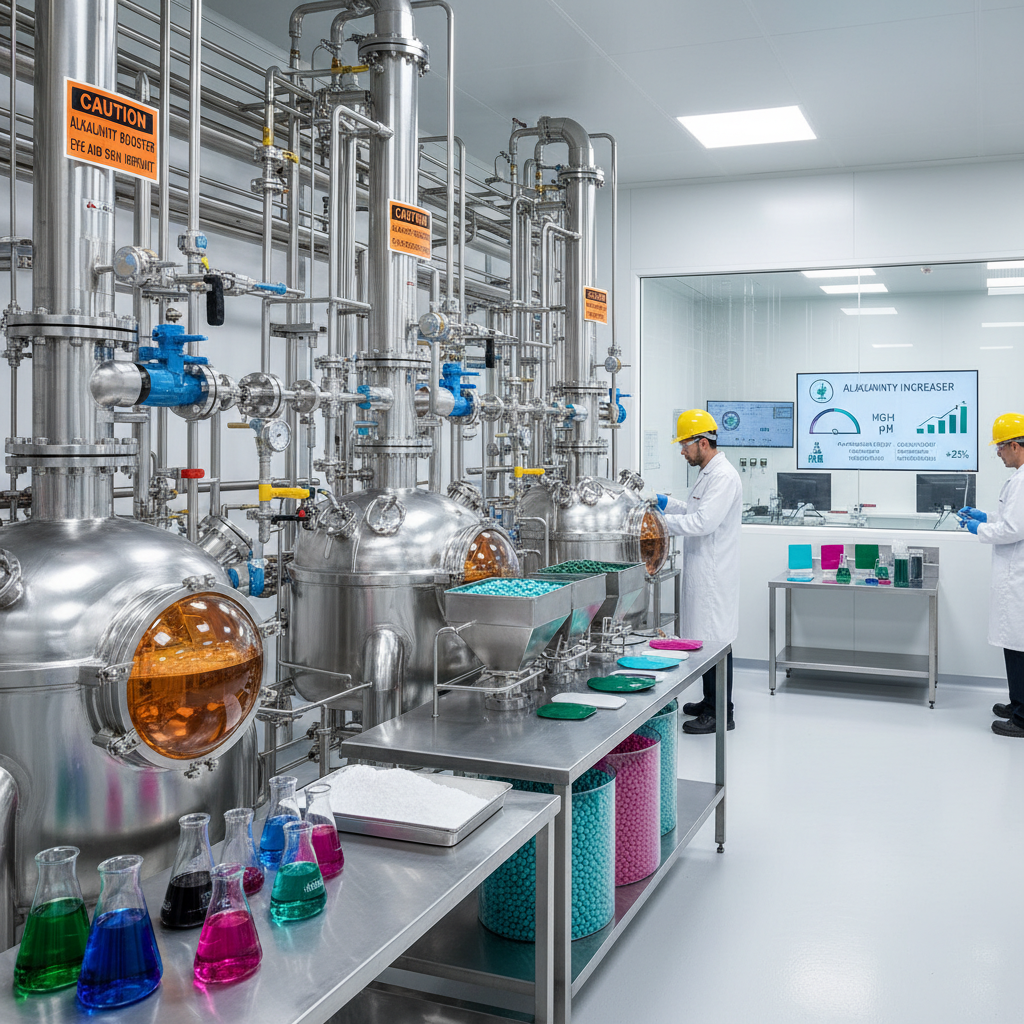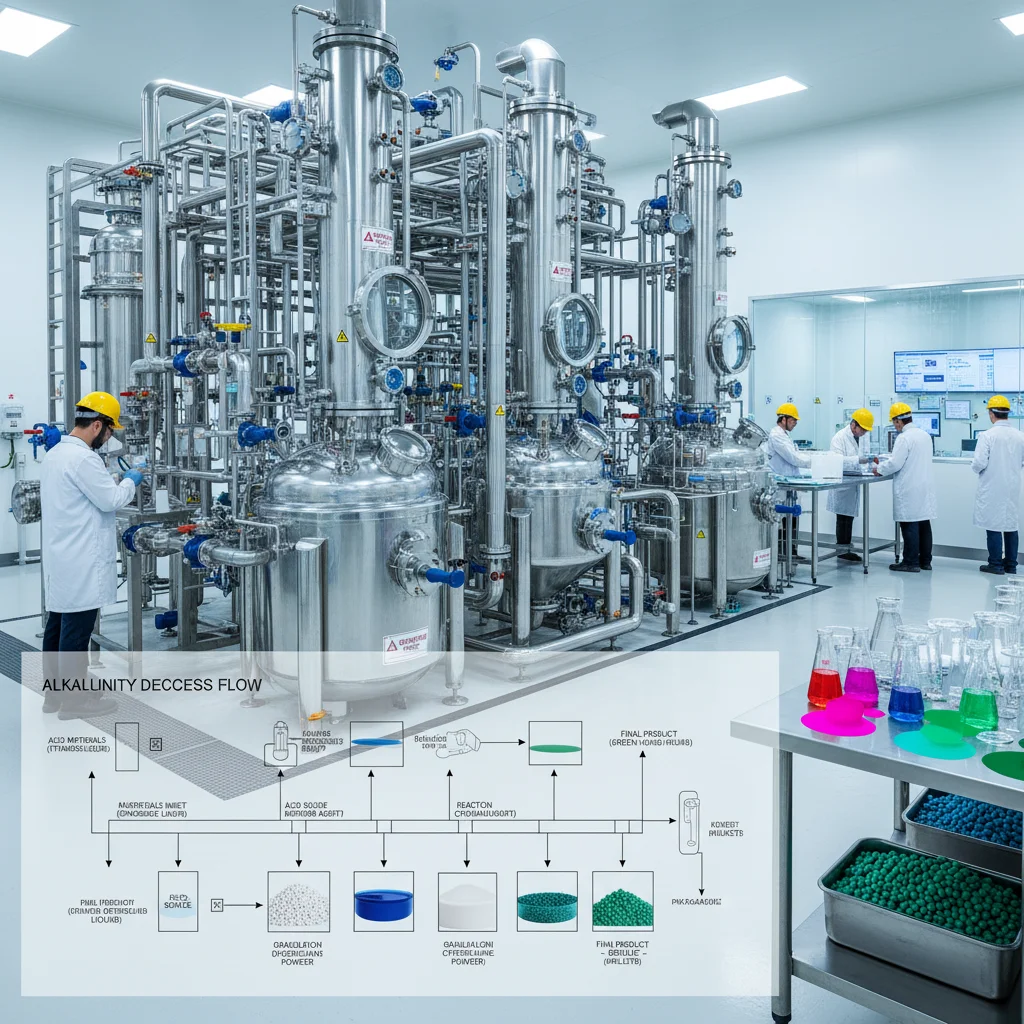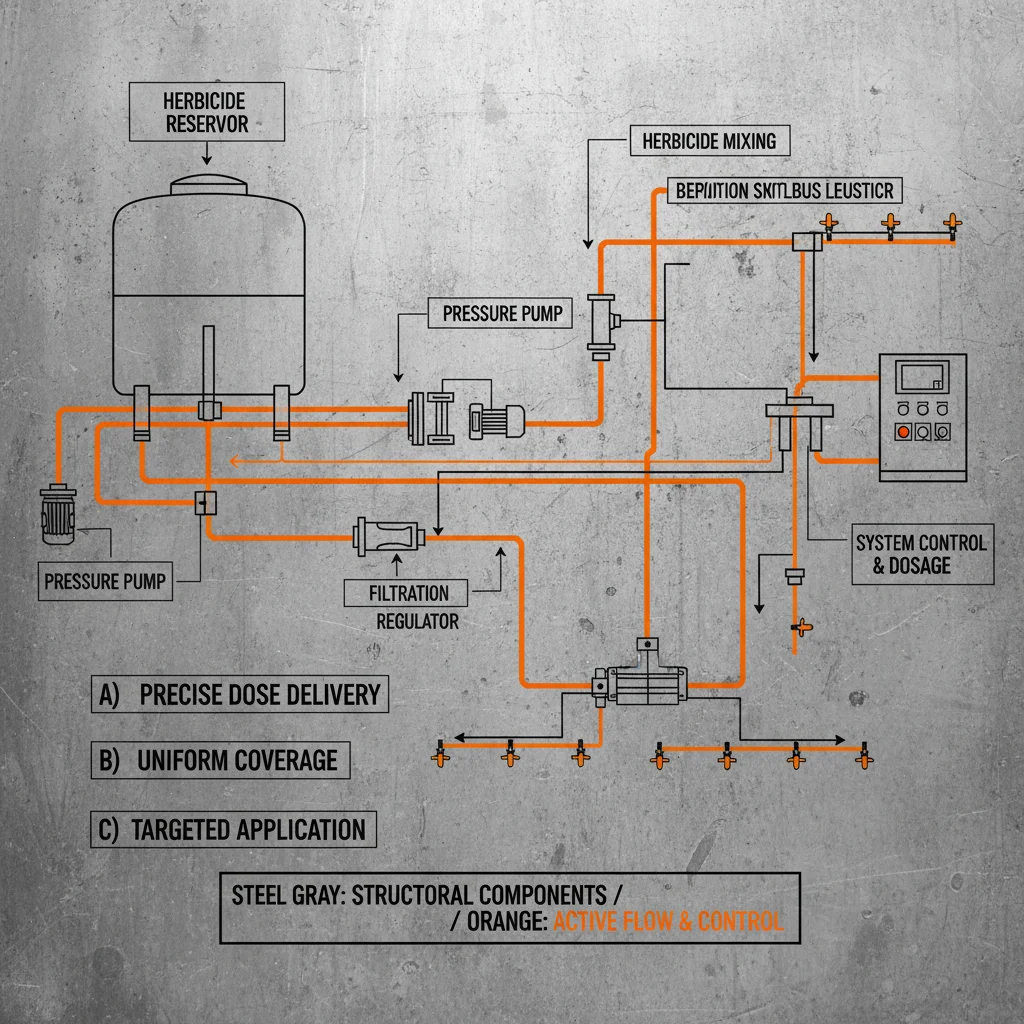
Alkalinity increaser compounds play a critical role in optimizing chemical processes and environmental remediation, particularly within the agricultural sector. These agents effectively neutralize acidity in various mediums – from soil solutions to industrial wastewater – enhancing the efficacy of herbicides, fungicides, and plant growth regulators. Understanding the nuanced applications and benefits of alkalinity increasers is paramount for maximizing crop yields and ensuring responsible chemical management.
Globally, soil acidity is a growing concern, impacting agricultural productivity across vast regions. This is exacerbated by factors like acid rain, intensive farming practices, and the natural weathering of parent rock. Utilizing an alkalinity increaser addresses this critical challenge, allowing for the effective deployment of essential agricultural chemicals and promoting healthier plant growth. The economic implications of improved soil health and crop yields are substantial, driving increased demand for these solutions.
The rise of precision agriculture and a heightened focus on sustainability have further propelled the importance of carefully managing pH levels in agricultural systems. Alkalinity increaser formulations are no longer simply corrective measures; they are integral components of proactive strategies aimed at optimizing plant nutrition and minimizing environmental impact. Their effective implementation translates to increased efficiency and reduced chemical usage, aligning with evolving industry standards and consumer expectations.
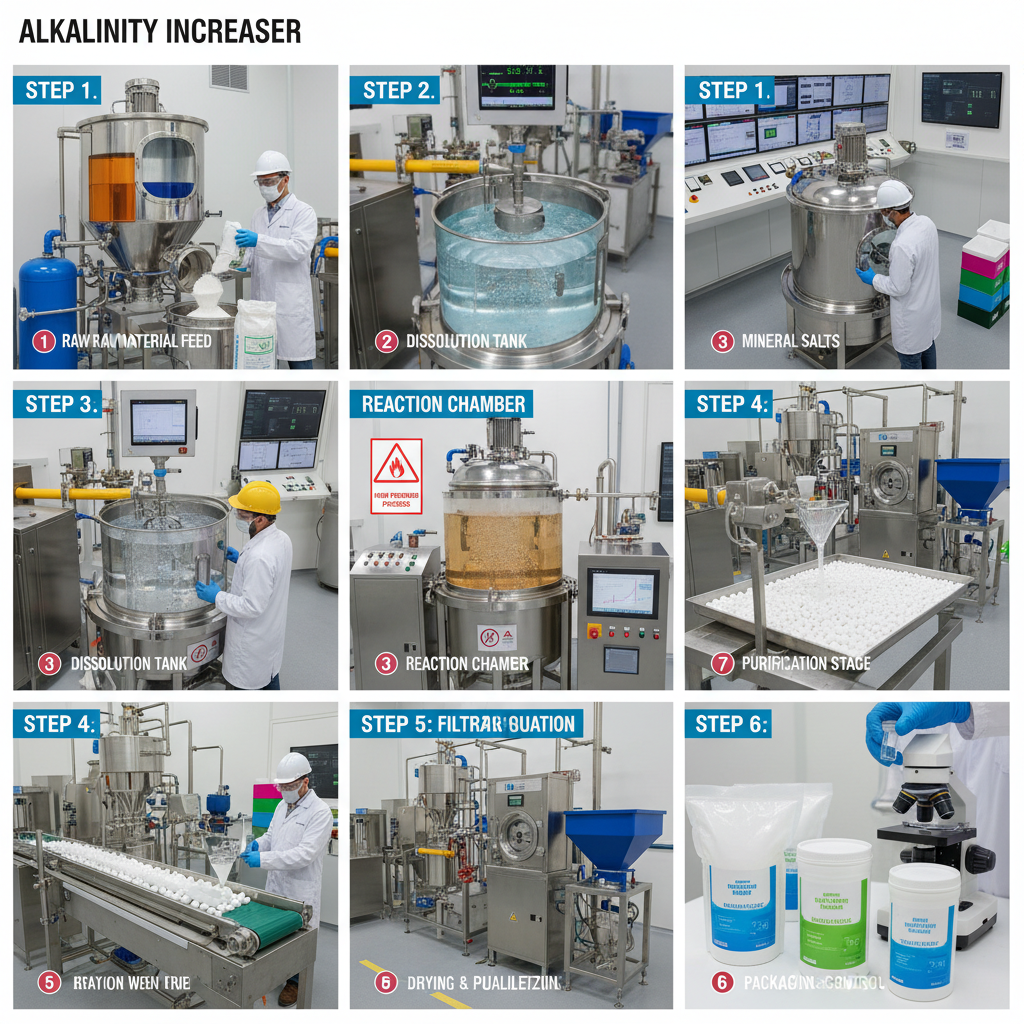
The global demand for food production is continuously increasing, putting immense pressure on agricultural lands. Soil acidity, affecting approximately 30% of arable land worldwide (FAO estimates), significantly limits crop yields. Alkalinity increaser applications are thus critical for reclaiming and maintaining productive agricultural lands, particularly in regions with naturally acidic soils or those impacted by acid deposition.
Furthermore, the effective use of pesticides, herbicides, and fertilizers is often pH-dependent. Utilizing an alkalinity increaser ensures these vital agricultural inputs function optimally, minimizing waste and maximizing their efficacy. This is particularly crucial in regions striving for sustainable agricultural practices and reduced environmental impact.
An alkalinity increaser, in chemical terms, refers to a substance that increases the capacity of a solution to neutralize acids. This is typically achieved through the addition of alkaline compounds, such as calcium carbonate (limestone), magnesium hydroxide (hydrated lime), or sodium bicarbonate (baking soda). These compounds react with hydrogen ions (H+) present in acidic solutions, effectively raising the pH level.
Within the agricultural context, the application of alkalinity increaser is essential for creating a soil environment conducive to optimal plant growth. Many essential nutrients become less available to plants at low pH levels, hindering their ability to absorb vital elements like nitrogen, phosphorus, and potassium.
The connection to modern industrial needs extends beyond agriculture. Alkalinity increasers are also widely used in wastewater treatment to neutralize acidic effluents, preventing corrosion in industrial pipelines, and enhancing the effectiveness of various chemical processes. Their role in environmental protection and resource management is becoming increasingly vital.
The efficacy of an alkalinity increaser isn’t solely determined by its ability to raise pH. Several factors contribute to its overall performance and suitability for specific applications. These include solubility, reaction rate, residual effect, and potential impact on soil structure. A high-quality alkalinity increaser will exhibit a balance of these characteristics.
Crucially, the form of the alkalinity increaser – powder, liquid, or granular – influences its ease of application and distribution. The particle size also plays a role, affecting the speed of dissolution and the uniformity of pH adjustment. Furthermore, the chemical purity of the product is paramount, as impurities can introduce unwanted elements into the soil or industrial system.
Finally, cost-effectiveness and environmental considerations are also important. Sustainable sourcing of raw materials and minimal environmental impact during manufacturing are increasingly valued by consumers and regulatory bodies. Selecting an alkalinity increaser that aligns with these principles is vital for responsible chemical management.
The application of alkalinity increaser is widespread across diverse agricultural settings globally. In regions with naturally acidic soils, such as the southeastern United States, parts of Europe, and extensive areas of South America, regular applications are essential for maintaining optimal crop yields. Tea plantations in India and Sri Lanka routinely utilize alkalinity increasers to optimize pH for tea leaf growth.
In post-disaster relief operations, following volcanic eruptions or acid rain events, alkalinity increasers can play a critical role in rehabilitating agricultural lands. Rapid pH adjustment allows for the swift re-establishment of food production, providing vital sustenance to affected communities. In remote industrial zones where acid mine drainage is prevalent, alkalinity increasers are deployed to neutralize the harmful runoff and protect local ecosystems.
The advantages of utilizing alkalinity increaser extend far beyond immediate pH correction. Improved nutrient availability translates to healthier plant growth, increased yields, and enhanced crop quality. This directly impacts economic returns for farmers and contributes to food security. From a sustainability perspective, the efficient use of fertilizers and pesticides reduces environmental pollution.
Long-term, consistent application of alkalinity increasers can build soil health and resilience. A well-balanced soil pH supports a diverse microbial community, enhancing nutrient cycling and improving soil structure. This creates a virtuous cycle, reducing the need for ongoing chemical inputs and fostering a more sustainable agricultural system. The increased reliability of crop production also provides greater economic stability for agricultural communities.
Research is ongoing to develop more efficient and environmentally friendly alkalinity increaser formulations. Nano-sized alkalinity increasers, for example, offer improved solubility and faster reaction rates, potentially reducing the required application rates. The integration of digital technologies, such as soil sensors and precision application equipment, will enable more targeted and efficient pH adjustments.
The growing emphasis on circular economy principles is also driving innovation in the sourcing of alkalinity increaser materials. Utilizing industrial byproducts, such as calcium hydroxide from flue gas desulfurization, offers a sustainable alternative to traditional mining of limestone. These advancements are paving the way for a more resilient and environmentally responsible agricultural sector.
Despite the numerous benefits, challenges remain in the effective management of soil acidity and alkalinity. Over-application of alkalinity increaser can lead to pH imbalances and nutrient lock-up, highlighting the importance of accurate soil testing and tailored application rates. The cost of transportation and application can also be a barrier, particularly for smallholder farmers in developing countries.
Innovative solutions include the development of slow-release alkalinity increaser formulations that provide a sustained pH adjustment over a longer period. Community-based soil testing and advisory services can empower farmers to make informed decisions about alkalinity management. Furthermore, the use of biochar, a carbon-rich material derived from biomass, offers a sustainable and cost-effective approach to improving soil pH and overall soil health.
The effective integration of these solutions requires collaborative efforts between researchers, policymakers, and agricultural stakeholders. Investing in education and training programs is crucial for disseminating knowledge and promoting best practices in alkalinity management.
| Challenge Area | Severity (1-10) | Potential Solution | Implementation Cost (Low/Medium/High) |
|---|---|---|---|
| Over-application of Alkalinity Increaser | 7 | Precision Soil Testing & Targeted Application | Medium |
| High Transportation Costs | 6 | Localized Production & Bulk Distribution | High |
| Limited Farmer Knowledge | 8 | Educational Workshops & Extension Services | Low |
| Slow Reaction Rate of Some Materials | 5 | Nano-Sized Formulations & Enhanced Solubility | Medium |
| Environmental Impact of Mining | 7 | Utilizing Industrial Byproducts & Recycled Materials | Low |
| Uneven Distribution in Field | 6 | Variable Rate Application Technology | High |
The ideal pH range for most agricultural crops typically falls between 6.0 and 7.0. Within this range, essential nutrients are most readily available for plant uptake. However, specific crops have different pH preferences. Understanding the specific needs of your crops and utilizing an alkalinity increaser to adjust the soil pH accordingly is crucial for maximizing yields and plant health. Regular soil testing is essential to monitor pH levels and make informed adjustments.
The frequency of alkalinity increaser application depends on several factors, including the initial soil pH, the type of soil, the crops being grown, and the rate of acidification. Generally, annual or bi-annual applications are sufficient to maintain a suitable pH range. However, periodic soil testing is essential to determine the specific needs of your soil and adjust the application frequency accordingly.
While excessive application can disrupt the soil ecosystem, properly applied alkalinity increaser generally doesn't harm beneficial soil microorganisms. In fact, maintaining an optimal pH range can actually promote microbial activity, leading to improved nutrient cycling and soil health. It is crucial to follow recommended application rates and avoid over-liming to prevent negative impacts.
Lime (calcium carbonate) is the most common and cost-effective alkalinity increaser. However, other options, such as hydrated lime (calcium hydroxide) and wood ash, are also available. Hydrated lime reacts more quickly than lime but can be more caustic. Wood ash contains additional nutrients but its pH-raising capacity can vary. The best choice depends on the specific soil conditions, application needs, and cost considerations.
Yes, over-correction is possible and can be detrimental. Raising the soil pH too high can reduce the availability of certain micronutrients, such as iron, manganese, and zinc. This is why regular soil testing is paramount. A soil test will accurately determine the current pH level and provide recommendations for the appropriate amount of alkalinity increaser to apply, preventing over-correction and ensuring optimal plant health.
Soil texture and organic matter content significantly influence the effectiveness of an alkalinity increaser. Sandy soils require more frequent applications and larger amounts of material compared to clay soils, due to their lower buffering capacity. Soils with higher organic matter content also exhibit greater buffering capacity, reducing the rate of pH change. Understanding your soil type is essential for optimizing alkalinity adjustment strategies.
In conclusion, alkalinity increaser compounds are indispensable tools for maintaining soil health, optimizing agricultural productivity, and safeguarding environmental sustainability. From reclaiming acidic lands to enhancing the efficacy of essential agricultural inputs, their benefits are far-reaching and critical for meeting the growing global demand for food. Their application requires a nuanced understanding of soil chemistry and specific crop needs.
Looking ahead, continued innovation in alkalinity increaser formulations and application technologies will be crucial for maximizing their effectiveness and minimizing environmental impact. Embracing sustainable sourcing practices and promoting knowledge sharing among farmers and stakeholders will pave the way for a more resilient and productive agricultural future. Visit our website at www.hbjrain.com to learn more about our comprehensive range of chemical solutions.
If you are interested in our products, you can choose to leave your information here, and we will be in touch with you shortly.