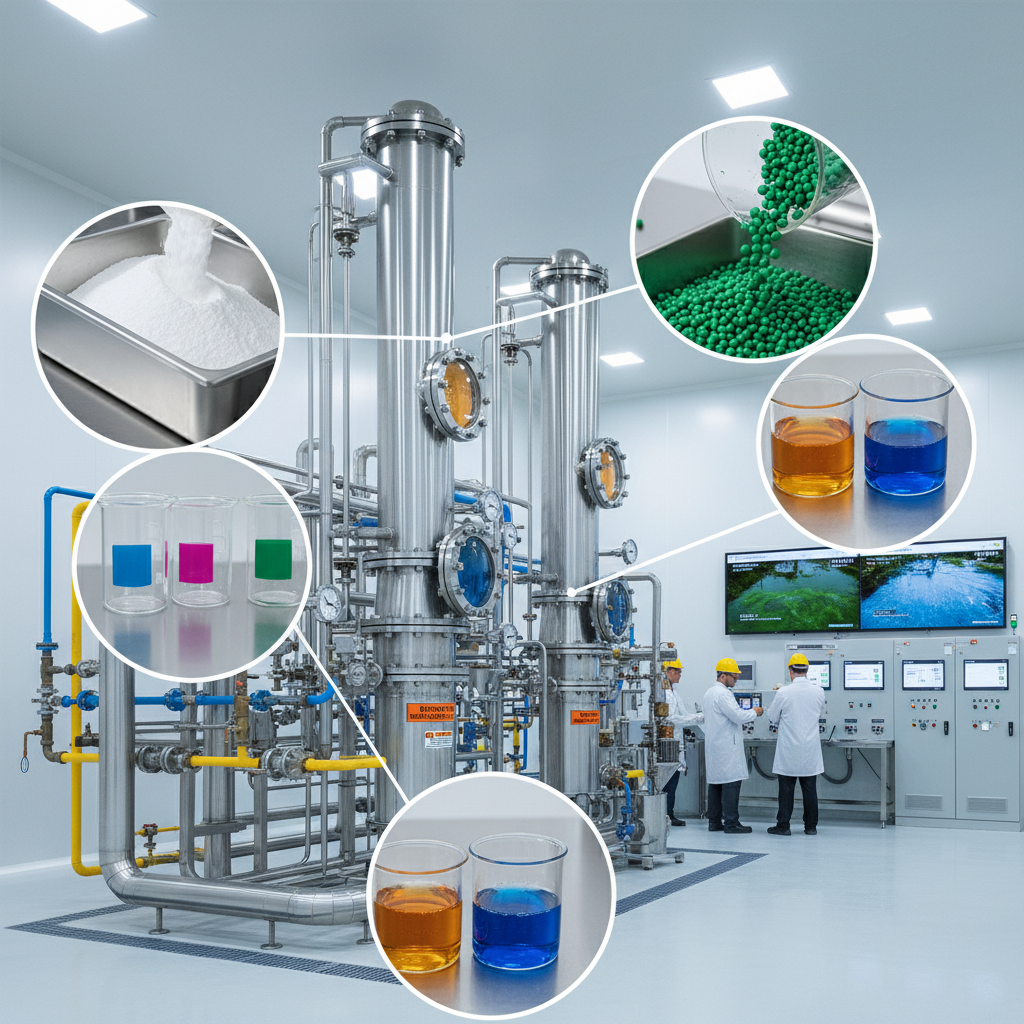
Algaecide. It’s more than just a chemical treatment, believe me. Spending my days on job sites, wading through ponds, talking to engineers about water quality, you quickly realize how crucial controlling algae growth is. It impacts everything from cooling towers and irrigation systems to recreational lakes and even drinking water reservoirs. I've seen projects delayed, budgets blown, and systems compromised all because algae wasn't properly managed. It's not glamorous work, but it's the foundation of keeping things running smoothly. algaecide is the tool that lets us get ahead of the curve, preventing those headaches before they even start.
From the perspective of someone literally in the trenches, the increasing demand for effective algaecide isn’t just a trend – it’s a necessity. Climate change is accelerating algae blooms, and stricter environmental regulations mean we need solutions that are both potent and responsible. We’re seeing a push for more sustainable options, lower toxicity, and increased efficiency. It’s not enough to just kill the algae; we need to understand the ecosystem and minimize collateral damage. That's where the advancements in targeted algaecide formulations really shine.
You get tired of band-aid solutions. Out on the field, you need something that lasts, something you can trust. That’s why understanding the science behind algaecide – the different active ingredients, the varying application methods, the long-term effects – is so critical. It's not a one-size-fits-all game. Choosing the right algaecide for a specific application, factoring in water chemistry, sunlight exposure, and the type of algae present, is what separates a successful project from a costly failure.
The Importance of Algaecide in Modern Infrastructure
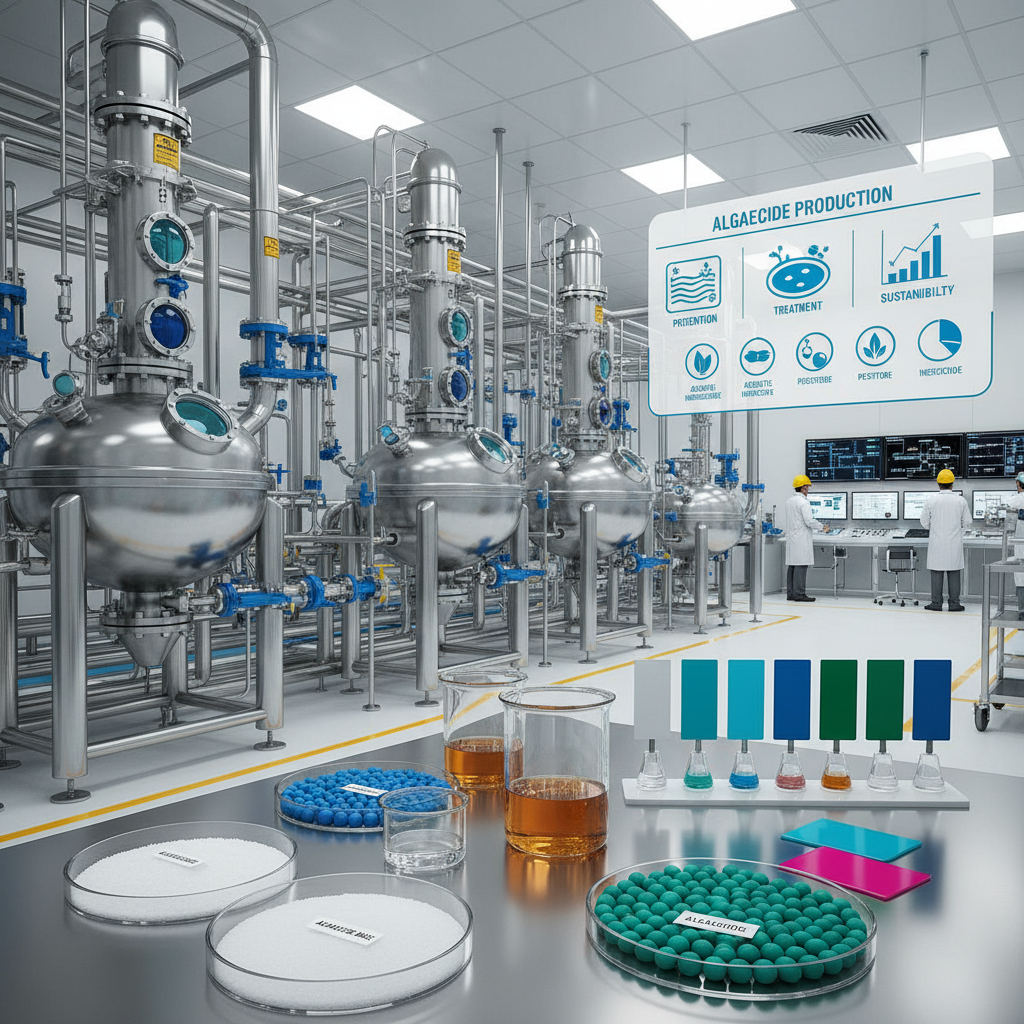
Look, I've seen cooling towers seized up with algal mats, costing companies millions in downtime. Irrigation systems clogged, farms losing yields. And it’s not just industry. Algae blooms in recreational lakes can shut down beaches, impacting tourism and public health. Globally, the problem is escalating due to nutrient runoff from agriculture and increased water temperatures. The UN estimates that harmful algal blooms cost the global economy billions each year, and that number is climbing. Proper algaecide management is therefore no longer a luxury, but a critical component of protecting infrastructure and public resources.
The key is preventative maintenance. Waiting for a full-blown bloom is like waiting for a fire to start before calling the fire department. It's far more cost-effective, and frankly, less stressful, to proactively manage algae growth with a consistent, well-planned algaecide program. It’s about understanding the specific conditions of each site and tailoring the treatment accordingly. That’s what separates the pros from the amateurs.
FAQS
Algaecides are designed to kill existing algae blooms, providing a quick fix to a visible problem. Algaestats, on the other hand, are preventative treatments that inhibit algae growth, acting as a long-term control measure. Think of algaecides as the emergency room and algaestats as preventative medicine. Ideally, you want a combination of both for optimal algae management, starting with a curative treatment followed by a preventative regime.
Treatment frequency depends heavily on factors like sunlight exposure, water temperature, nutrient levels, and the type of algae present. A good starting point is to test your water regularly and treat when algae levels reach a certain threshold. Generally, preventative treatments are applied every 4-6 weeks during the growing season, while curative treatments are applied as needed. Avoid over-treating, as this can lead to resistance and harm the ecosystem.
It can be, but it depends on the specific algaecide used and the dosage applied. Some algaecides are more toxic to fish than others. Always read and follow the label instructions carefully, paying attention to any warnings regarding aquatic life. Choosing formulations with lower toxicity and applying them at the recommended dosage is crucial for minimizing harm. Consider aeration to increase oxygen levels, as some algaecides can deplete oxygen as they break down algae.
For larger ponds, uniform distribution is key. Using a sprayer attached to a boat or ATV is often the most effective method. Ensure the sprayer is calibrated correctly to deliver the proper dosage. Alternatively, you can use a peristaltic pump to inject the algaecide directly into the water circulation system. Always apply algaecide on a calm day to minimize drift and maximize contact with the algae.
String algae (filamentous algae) can be particularly stubborn. Copper-based algaecides are often effective against it, but they can also stain surfaces. Polyquats are a good alternative, offering good control with less staining potential. Mechanical removal – raking or using a string algae remover – is also a good idea to help the algaecide penetrate the algae mat. Combine the chemical treatment with physical removal for best results.
Prevention is key. Reduce nutrient runoff by minimizing fertilizer use near the pond and managing livestock waste. Maintain good water circulation to prevent stagnation. Consider adding beneficial bacteria to help consume excess nutrients. Regularly remove decaying organic matter. And, of course, continue with a preventative algaestat treatment program throughout the growing season. It's an ongoing process, not a one-time fix.
Conclusion
Ultimately, effective algaecide management is about more than just killing algae. It’s about protecting infrastructure, preserving water quality, and ensuring the long-term sustainability of our resources. It requires understanding the science, choosing the right products, and implementing a responsible application program. It's a constantly evolving field, demanding continued learning and adaptation.
Investing in proactive algaecide strategies isn’t just a cost-saving measure, it’s a smart investment in the future. I encourage everyone – from facility managers to homeowners – to take the time to learn about algaecide and its role in protecting our valuable water resources. For expert advice and tailored solutions, visit our website at www.hbjrain.com.