0%

Table of Contents

You know, these days everyone’s talking about pre-fabricated stuff. Modular this, panelized that. Honestly, it’s a response to the labor shortage, plain and simple. I've been on sites where you can't even find a skilled carpenter, let alone afford one. So, people are looking for ways to build faster, easier, and with fewer people. It’s not necessarily better, just…different. And a lot of what's out there isn’t actually as “easy” as the brochures make it seem. It’s shifted the problems, not solved them.

It’s funny, you spend all this time in meetings discussing tolerances, and then you get on site and realize half the problem is the ground isn't level. Or the delivery truck bumped into something. Have you noticed that? Everything looks great on paper, but the real world… well, it’s messy. And that mess costs money.

The big push right now is obviously towards more sustainable materials, too. It's not just marketing hype, there's real pressure from building codes and clients.

insecticides suppliers

The Current Landscape of Insecticides Suppliers
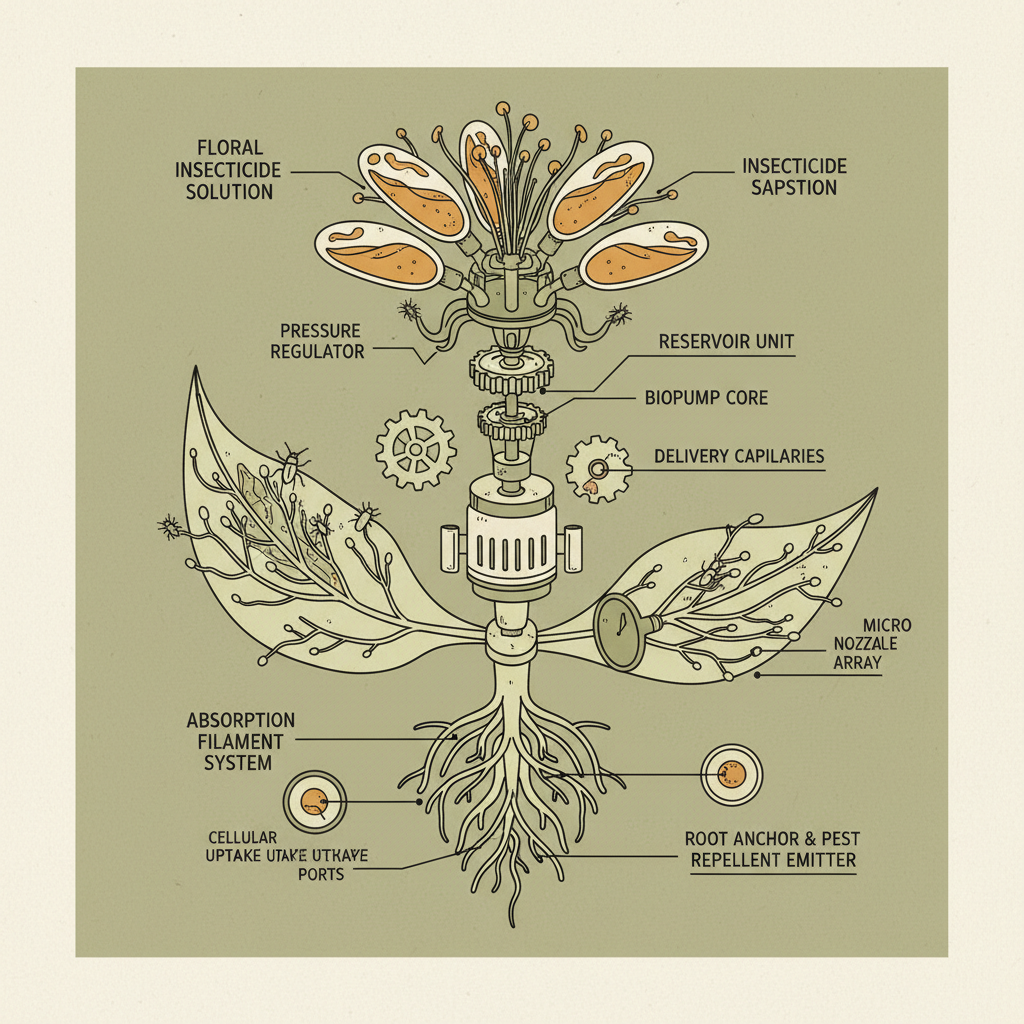
insecticides suppliers

To be honest, the insecticides suppliers market is flooded right now. Everybody and their brother is claiming they have the “best” solution. But most of it’s just repackaged stuff from China. You have to really dig to find suppliers who actually understand the nuances of on-site construction. I encountered a supplier last time at a factory in Nanjing, and the guy was completely clueless when I asked about weatherproofing. Completely clueless!

It’s a global game, for sure. A lot of the materials come from Southeast Asia, and the pricing is…volatile. Shipping costs are insane, and the lead times are stretching out further and further. It's gotten to the point where you basically have to gamble on when things will actually arrive.

Common Pitfalls in Insecticides Suppliers Design

Strangely enough, one of the biggest mistakes I see is over-engineering. People get caught up in trying to make something perfect, and they forget about practicality. Like, a really complex connection detail that takes an hour to assemble. The foreman will find a simpler way, believe me. He always does. And his “simpler way” usually involves a lot more duct tape than the engineer intended.

Another thing is ignoring the weight. People design these elaborate systems and then forget that someone actually has to lift them into place. I saw a modular bathroom unit that was so heavy, they had to bring in a crane just to get it through the door. It was a disaster.

And don’t even get me started on access panels. You need to be able to get to the plumbing and electrical without tearing down half the wall. It seems obvious, but you’d be surprised how often that’s overlooked.

Key Materials Used in Insecticides Suppliers

You're seeing a lot more composite materials now. Fiberglass, carbon fiber, that sort of thing. They're light, strong, and corrosion-resistant. The smell when you cut them though... let me tell you, it's not pleasant. You need a good respirator. And you need to be careful about disposal, because it's a nightmare to get rid of.

Steel is still king, of course. Galvanized steel, mostly. It’s durable, it’s relatively cheap, and everyone knows how to work with it. But it’s heavy, and it rusts if you don’t treat it properly. I remember one job where the steel wasn't galvanized correctly, and the whole structure started to corrode within six months. Cost a fortune to fix.

Then there's the wood. Surprisingly, a lot of structural elements are still wood, especially in residential construction. It's renewable, it's easy to work with, and it feels…warm. But it's susceptible to rot, insects, and fire. You have to treat it, protect it, and constantly maintain it. Anyway, I think there’s a lot of potential in engineered wood products.

Real-World Testing of Insecticides Suppliers

Lab tests are fine, but they don't tell you the whole story. I’ve seen materials pass all the certification tests and still fall apart on site. You need to test things in realistic conditions. Subject them to extreme temperatures, humidity, UV exposure, and just plain abuse. I mean, someone’s going to drop something on it, eventually.

We do a lot of our own testing, which drives the engineers crazy. We’ll take a sample of a new material and just…beat it up. See how it holds up. We'll leave it outside in the rain for a month, bury it in the dirt, and see if it rots. It's not scientific, but it's practical.

Insecticides Suppliers Performance Metrics

How Insecticides Suppliers are Actually Used

You know, it's rarely what the marketing materials say. They’ll show these pristine images of perfectly assembled components. But in reality, it’s usually a bunch of guys improvising with whatever tools they have on hand. A lot of times, things are modified on-site to fit the specific conditions. That's just how it goes.

And the workers… they’re not reading the manuals. They're figuring it out as they go. So, it has to be intuitive. It has to be forgiving. It can’t require a PhD to assemble.

Advantages and Disadvantages of Insecticides Suppliers

The big advantage is speed. If it’s done right, you can significantly reduce construction time. Less time on site means less labor cost, less disruption, and faster return on investment. That's huge.

But the disadvantages are numerous. The initial cost is usually higher, the transportation can be a nightmare, and you’re reliant on a very specific supply chain. If something goes wrong, it can bring the whole project to a halt. And, honestly, the quality control can be spotty.

It's all about balancing the pros and cons. And understanding that there's no magic bullet.

Customization Options for Insecticides Suppliers

Customization is key. You can’t just offer a one-size-fits-all solution. Everyone has different needs, different budgets, and different aesthetic preferences. Last month, that small boss in Shenzhen who makes smart home devices insisted on changing the interface to , and the result was a three-week delay because the entire wiring harness had to be redesigned. Painful. But you have to be flexible.

We can adjust everything from the dimensions and materials to the finishes and the electrical components. We can even integrate different systems, like HVAC and plumbing. It just adds to the cost and the lead time, of course.

Ultimately, it’s about finding the sweet spot between standardization and customization.

Summary of Insecticides Suppliers Key Features

Feature Cost Impact Installation Difficulty Long-Term Maintenance
Modular Design Medium Low-Medium Low
Composite Materials High Medium Medium
Galvanized Steel Frame Low Medium-High Medium-High
Pre-Installed Plumbing Medium Low Low
Integrated Electrical System Medium Low Low
Customizable Finishes Low-High (depending on complexity) Low Low

FAQS

What are the main challenges in sourcing high-quality insecticides suppliers materials?

Finding consistent quality is a real headache. There's a lot of variation, even within the same supplier. You need to build relationships, visit the factories, and do a lot of due diligence. Plus, global supply chains are still incredibly fragile, so you have to be prepared for disruptions. It's not just about price; it's about reliability and making sure the materials will actually perform as expected on the job site.

How does weather resistance affect the lifespan of insecticides suppliers?

Weather is a huge factor. UV exposure, rain, humidity, temperature swings—they all take a toll. That's why proper coatings and materials selection are critical. We’ve seen materials degrade significantly in as little as a year if they aren’t properly protected. Galvanization, proper sealants, and UV-resistant coatings are essential. It's something you have to consider based on the local climate.

What level of on-site modification is typical with pre-fabricated insecticides suppliers?

More than you'd think. Even with precise manufacturing, sites are never perfectly level or square. You almost always need to make some adjustments on-site. It's usually minor stuff—shimming, cutting, and drilling—but it adds up. That’s why you need a crew that’s skilled in problem-solving and improvisation. A rigid "follow the instructions" approach just won’t work.

What are the key certifications to look for when evaluating insecticides suppliers?

ISO 9001 is a good starting point, but it doesn’t tell you everything. Look for certifications specific to the materials being used—like ASTM standards for steel or wood. Also, check for compliance with local building codes. But honestly, certifications are just a piece of the puzzle. You need to do your own independent testing and verification.

How does the cost of insecticides suppliers compare to traditional construction methods?

It's complicated. The initial cost can be higher, but you have to factor in the savings from reduced labor, faster construction time, and less waste. It often comes out ahead in the long run, but not always. It really depends on the specific project and the local labor market. You’ve got to do a thorough cost-benefit analysis.

What are some emerging trends in the insecticides suppliers industry?

3D printing is getting a lot of attention, but it’s still early days. I think we’ll see more use of bio-based materials and a greater focus on sustainability. And, obviously, automation is going to play a bigger role. But the biggest trend, in my opinion, is the demand for more customized solutions. Clients want things that are tailored to their specific needs, and suppliers who can deliver that will be the ones who succeed.

Conclusion

So, looking at it all, insecticides suppliers isn’t a silver bullet. It's not going to solve all the problems in the construction industry. But it’s a valuable tool, and it’s getting better all the time. It requires careful planning, diligent execution, and a willingness to adapt. And a healthy dose of skepticism.

Ultimately, whether this thing works or not, the worker will know the moment he tightens the screw. That’s the truth of it. If it fits, if it feels solid, if it looks right… then you’re probably on the right track. And if it doesn't? Well, you go back to the drawing board. That’s just how it is.

David Miller

David Miller

David Miller serves as the Head of Market Development at HEBEI JRAIN TECHNOLOGY CO., LTD. With over 12 years of experience in the agrochemical industry, David specializes in identifying emerging market trends and forging strategic partnerships. He’s instrumental in expanding JRAIN TECH's reach within the Chinese domestic market and exploring opportunities for international growth. David holds a Bachelor’s degree in Agricultural Economics and a Master's in Business Administration. He frequently contributes to industry publications on topics related to crop protection and agricultural innovation. His deep understanding of ICAMA regulations and market dynamics makes him a key resource for clients seeking registration support. David is passionate about sustainable agriculture and believes JRAIN TECH’s solutions play a vital role in ensuring food security.
Previous Optimizing Herbicide Suppliers for Durability and Practical Application
Next Insecticides Manufacturers Global Impact and Future Innovations

If you are interested in our products, you can choose to leave your information here, and we will be in touch with you shortly.