The question of whether herbicides are harmful to humans is a critical one, impacting global health, agricultural practices, and environmental sustainability. Understanding the potential risks and benefits associated with herbicide exposure is paramount for policymakers, farmers, and the general public alike. The widespread use of these chemicals demands careful consideration of their impact on human physiology, leading to ongoing research and evolving regulations.
The debate surrounding is herbicide harmful to humans extends beyond simple toxicity assessments. It encompasses complex interactions between chemical exposure, individual susceptibility, and long-term health outcomes. The sheer scale of herbicide application – millions of pounds annually worldwide – necessitates a comprehensive approach to risk management and mitigation.
Addressing the question of is herbicide harmful to humans requires a nuanced understanding of the different types of herbicides, exposure pathways, and potential health effects. Furthermore, it demands a commitment to scientific rigor, transparent communication, and proactive strategies to minimize human exposure and protect public health.
Introduction to Herbicide Toxicity
The inherent toxicity of herbicides varies significantly depending on their chemical structure and mode of action. Some herbicides are designed to target specific enzymatic pathways in plants, while others have broader effects that can impact animal cells. Determining the extent to which is herbicide harmful to humans requires a thorough understanding of these toxicological mechanisms.
Initial toxicity assessments often involve laboratory studies on animals to determine lethal doses and identify target organs. However, these results don't always translate directly to human health effects due to differences in metabolism, physiology, and exposure scenarios. Therefore, epidemiological studies are crucial for evaluating the real-world impact of herbicide exposure on human populations.
Defining Herbicide Harm
When asking is herbicide harmful to humans, 'harm' can manifest in numerous ways, ranging from acute, immediate effects to chronic, long-term health problems. Acute exposure can result in skin irritation, respiratory distress, and neurological symptoms. Chronic exposure is linked to an increased risk of cancer, reproductive problems, and neurodevelopmental disorders.
It's important to distinguish between correlation and causation. While many studies have identified associations between herbicide exposure and adverse health outcomes, establishing a definitive causal link can be challenging due to confounding factors such as lifestyle, genetics, and exposure to other environmental toxins. Establishing the correlation between is herbicide harmful to humans is key.
The concept of “acceptable risk” is also central to the debate. Regulatory agencies often set permissible exposure limits based on a risk-benefit analysis, weighing the potential health risks against the economic benefits of herbicide use in agriculture and other industries.
Exposure Pathways and Vulnerable Populations
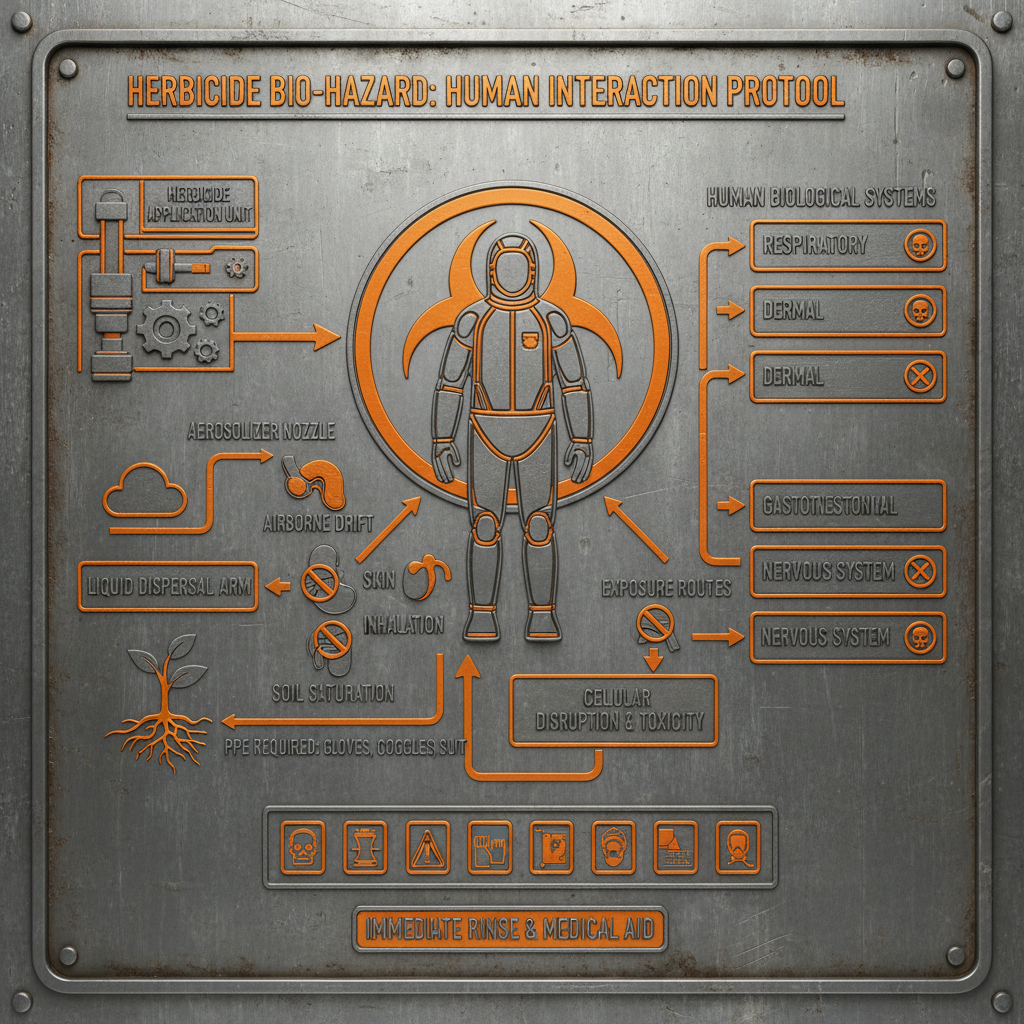
Humans can be exposed to herbicides through various pathways, including dietary intake of contaminated food, inhalation of spray drift, and dermal contact during application. Agricultural workers and their families are particularly vulnerable due to their frequent and direct exposure. This increases the question: is herbicide harmful to humans in these scenarios?
Certain populations, such as pregnant women, children, and individuals with pre-existing health conditions, are more susceptible to the adverse effects of herbicide exposure. Children, for example, have developing nervous systems that are particularly vulnerable to neurotoxic chemicals. The question becomes, how is herbicide harmful to humans during critical developmental stages?
Environmental factors also play a role. Herbicide runoff can contaminate water sources, leading to widespread exposure through drinking water. Air currents can carry herbicide spray drift over long distances, impacting communities far from agricultural fields. Understanding these exposure pathways is crucial for developing effective risk mitigation strategies.
Specific Health Effects of Herbicide Exposure
Numerous studies have investigated the potential health effects of specific herbicides. Glyphosate, one of the most widely used herbicides globally, has been the subject of intense scrutiny due to its potential link to non-Hodgkin's lymphoma. This leads to increased concerns about: is herbicide harmful to humans in the long term?
Other herbicides, such as atrazine and 2,4-D, have been associated with endocrine disruption, reproductive problems, and birth defects. The mechanisms underlying these effects are complex and often involve interference with hormone signaling pathways.
Herbicide Toxicity Ratings
Global Regulations and Risk Assessment
Regulations governing herbicide use vary significantly from country to country. Some nations have banned or severely restricted the use of certain herbicides based on health and environmental concerns, while others have adopted more permissive approaches. The question is important: is herbicide harmful to humans enough to warrant a ban?
Risk assessment processes typically involve evaluating the potential hazards of a herbicide, estimating exposure levels, and characterizing the associated risks. However, these assessments often rely on limited data and may not fully account for cumulative effects or long-term health outcomes.
Mitigating Herbicide Risks
Several strategies can be employed to mitigate the risks associated with herbicide exposure. These include adopting integrated pest management (IPM) practices, using personal protective equipment (PPE) during herbicide application, and implementing buffer zones to reduce spray drift. Reducing overall herbicide use is paramount.
Promoting organic farming and sustainable agricultural practices can also minimize reliance on synthetic herbicides. Investing in research and development of alternative weed control methods, such as biological control and precision agriculture, is crucial for long-term sustainability.
Public awareness campaigns can educate individuals about the potential risks of herbicide exposure and empower them to make informed choices.
Ongoing Research and Future Directions
Research continues to unravel the complex relationship between herbicide exposure and human health. Emerging areas of investigation include the role of the microbiome in herbicide metabolism, the potential for epigenetic effects, and the development of biomarkers for early detection of herbicide-related health problems. Is herbicide harmful to humans in ways we haven’t yet discovered?
The development of more selective and less toxic herbicides is also a priority. Furthermore, advancements in precision agriculture and remote sensing technologies hold promise for reducing herbicide use and minimizing environmental impact.
Continued collaboration between scientists, regulators, and policymakers is essential to address the ongoing challenges and ensure the safe and sustainable use of herbicides.
Summary of Herbicide Risk Mitigation Strategies
| Strategy Category |
Implementation Method |
Effectiveness Rating (1-10) |
Cost of Implementation |
| Integrated Pest Management |
Crop rotation, biological control, targeted spraying |
8 |
Medium |
| Personal Protective Equipment |
Gloves, respirators, protective clothing |
7 |
Low |
| Buffer Zones |
Establishing vegetation barriers around fields |
6 |
Medium |
| Organic Farming |
Eliminating synthetic herbicide use |
9 |
High |
| Precision Agriculture |
GPS-guided spraying, variable rate application |
8 |
High |
| Public Education |
Awareness campaigns, labeling requirements |
5 |
Low |
FAQS
The main routes of exposure include consuming food and water containing herbicide residues, inhaling spray drift during application, and direct skin contact with herbicides. Agricultural workers and their families are at higher risk due to frequent and direct exposure. Understanding these pathways is key to assessing the question of is herbicide harmful to humans.
Yes, children are generally more vulnerable to the effects of herbicide exposure than adults. Their developing nervous systems, faster metabolism, and higher food intake per body weight make them more susceptible to the toxic effects of these chemicals. Concerns about is herbicide harmful to humans are heightened when it comes to child development.
Glyphosate, a widely used herbicide, has been the subject of intense scrutiny due to potential links to non-Hodgkin's lymphoma. While regulatory agencies have differing opinions on its safety, ongoing research continues to investigate its potential health effects. The debate continues: is herbicide harmful to humans specifically through glyphosate exposure?
You can reduce your exposure by washing fruits and vegetables thoroughly, choosing organic produce when possible, avoiding direct contact with herbicides during application, and ensuring proper ventilation in areas where herbicides are used. Adopting preventative measures can help answer if is herbicide harmful to humans by reducing your risk.
IPM strategies involve using a combination of methods to control pests, minimizing reliance on synthetic herbicides. These methods include crop rotation, biological control, and targeted spraying. Implementing IPM is an effective approach to address the question of is herbicide harmful to humans by reducing chemical exposure.
Regulations governing herbicide use vary by country, but typically involve risk assessments, labeling requirements, and permissible exposure limits. Regulatory agencies like the EPA in the US monitor herbicide use and establish safety standards. However, continuous evaluation of regulations is needed to ensure public safety, particularly regarding: is herbicide harmful to humans.
Conclusion
In conclusion, the question of is herbicide harmful to humans is complex and multifaceted. While herbicides play a vital role in modern agriculture, their potential health risks cannot be ignored. Understanding exposure pathways, vulnerable populations, and the specific effects of different herbicides is crucial for informed decision-making. Ongoing research and robust regulatory frameworks are essential to minimize risks and protect public health.
Looking ahead, a shift towards more sustainable agricultural practices, such as integrated pest management and organic farming, is vital. Continued investment in research and development of alternative weed control methods, along with increased public awareness, will empower individuals to make informed choices and promote a healthier future. For more information on herbicide safety and responsible practices, visit our website: is herbicide harmful to humans.