0%

Table of Contents

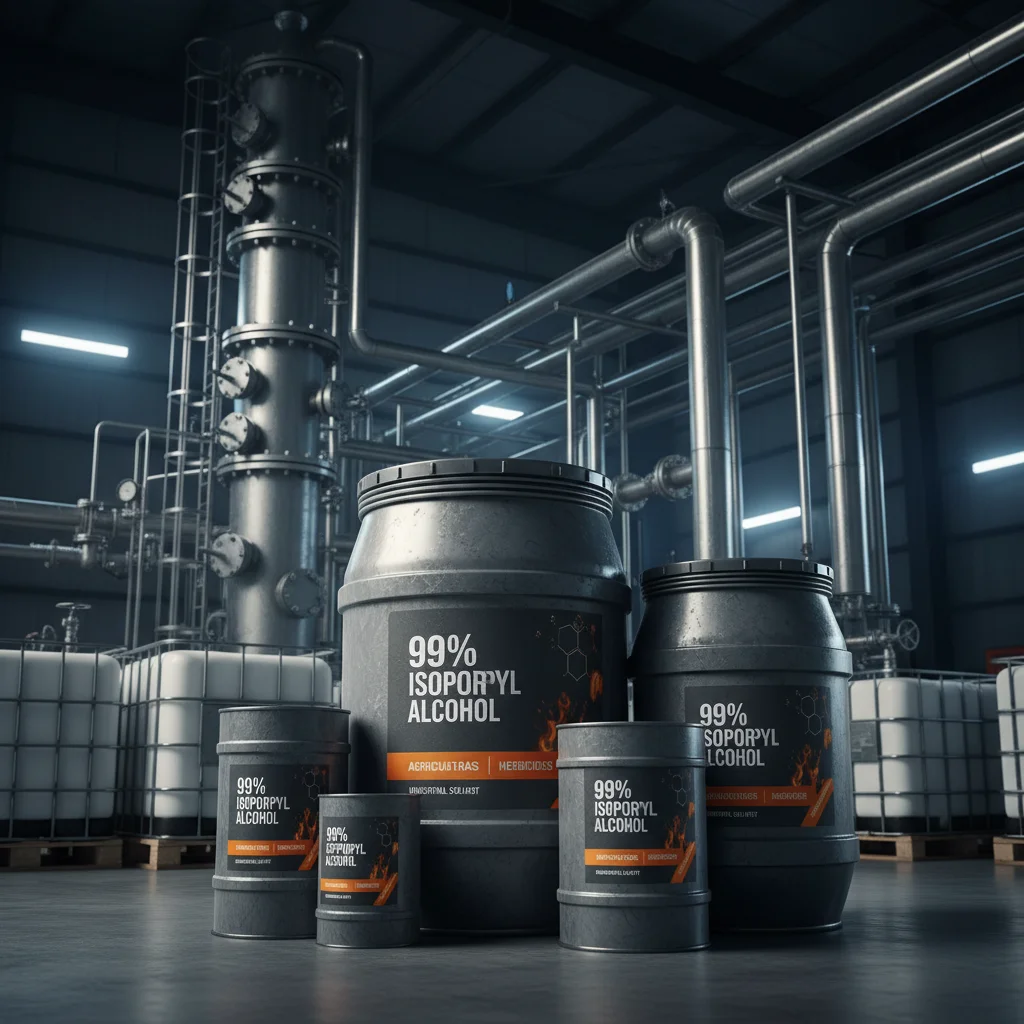
100 isopropyl alcohol, also known as isopropanol, is a ubiquitous chemical compound with a vast range of applications spanning from household cleaning to industrial manufacturing and medical sterilization. Its effectiveness as a solvent and disinfectant, coupled with its relatively low cost, makes it an indispensable component in countless processes globally. Understanding the properties and responsible use of 100 isopropyl alcohol is paramount, especially in contexts demanding high purity and stringent safety standards.

The global demand for 100 isopropyl alcohol is continuously increasing, driven by expanding healthcare sectors, a growing emphasis on hygiene, and the continued need for effective industrial solvents. The United Nations (UN) and organizations like the World Health Organization (WHO) recognize its critical role in infection control, particularly in resource-limited settings. Production and distribution are influenced by petrochemical feedstock availability and global supply chain dynamics.

A key challenge stems from the potential for misuse and the need to balance its widespread benefits with responsible handling protocols. The rise in demand has highlighted vulnerabilities in supply chains, necessitating the development of sustainable production methods and robust quality control measures to ensure consistent purity and availability of this vital chemical.
100 isopropyl alcohol

Introduction to 100 Isopropyl Alcohol
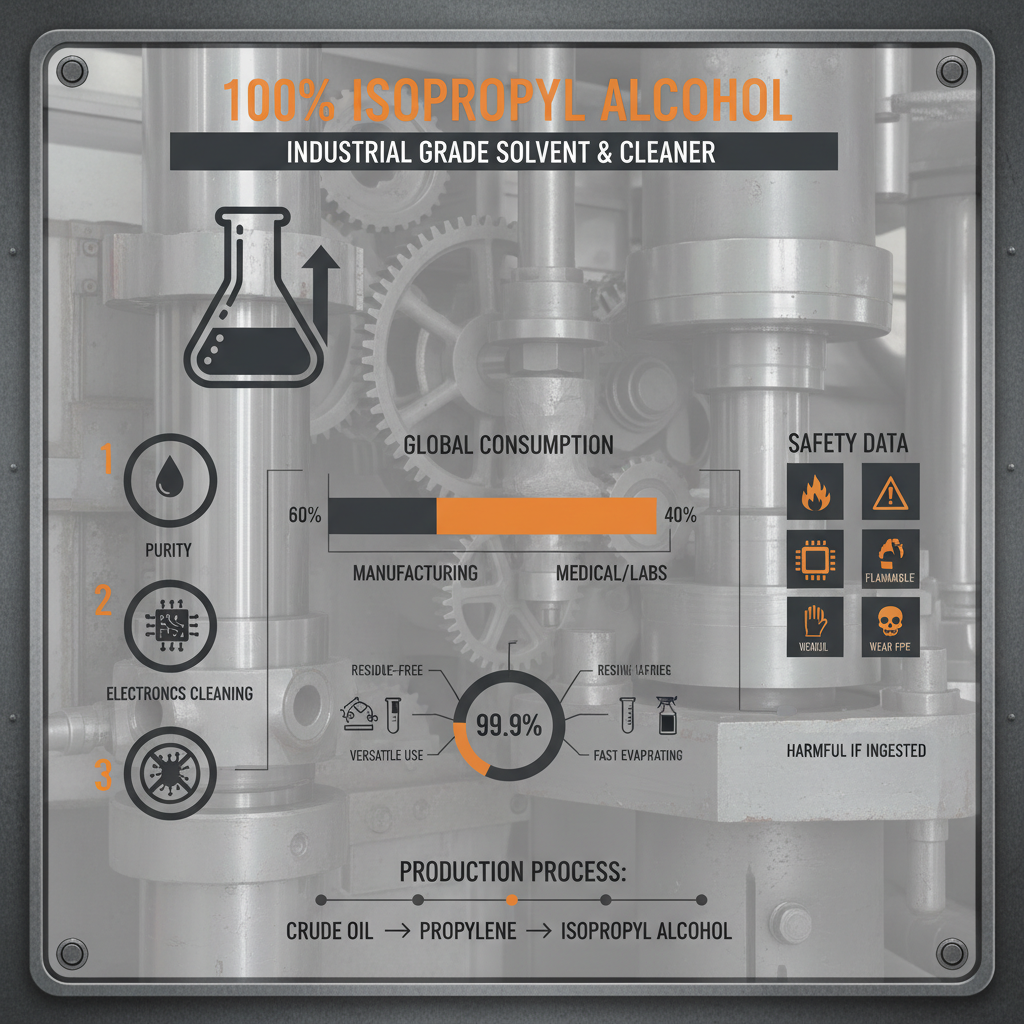
100 isopropyl alcohol

100 isopropyl alcohol is a colorless, flammable chemical compound with a strong odor, belonging to the alcohol family. Its chemical formula is C3H8O. The '100' designation indicates its purity level, signifying it contains a minimum of 99.9% isopropyl alcohol. This high purity is critical in many applications, especially within the pharmaceutical and electronics industries.

The relevance of 100 isopropyl alcohol extends beyond its cleaning and disinfecting properties. It’s a vital component in the manufacturing of various products, including cosmetics, de-icing fluids, and certain types of paints and coatings. Its importance to modern industry and humanitarian needs lies in its versatility, effectiveness, and relative affordability.

Defining 100 Isopropyl Alcohol

In simple terms, 100 isopropyl alcohol is a highly concentrated form of rubbing alcohol. The term “isopropyl” refers to the arrangement of atoms within its molecular structure, distinguishing it from other alcohols like ethyl alcohol (ethanol). Its ability to dissolve both polar and non-polar substances makes it a highly effective solvent, essential for a wide range of industrial processes.

Its connection to modern industry is deeply ingrained. The electronics industry relies on it for cleaning sensitive components, preventing corrosion, and ensuring optimal performance. In healthcare, 100 isopropyl alcohol is a critical sterilizing agent, vital for surgical preparation, wound cleaning, and disinfecting medical equipment.

The humanitarian need for readily available, high-quality 100 isopropyl alcohol became particularly apparent during global health crises, where effective infection control was paramount. Its role in producing hand sanitizers and disinfecting surfaces contributed significantly to mitigating the spread of disease.

Core Properties of 100 Isopropyl Alcohol

One of the key properties of 100 isopropyl alcohol is its rapid evaporation rate, which contributes to its effectiveness as a cleaning agent and disinfectant. It leaves behind minimal residue, making it suitable for applications where surface cleanliness is critical. Its relatively low toxicity, compared to some other solvents, enhances its safety profile.

Its solvency power is also significant. It efficiently dissolves a wide range of substances, including oils, resins, and many organic compounds. Furthermore, 100 isopropyl alcohol exhibits miscibility with water, further enhancing its utility in various formulations. However, it’s important to note its flammability and the need for appropriate handling precautions.

The dielectric constant of 100 isopropyl alcohol is relatively low, making it a suitable solvent for specific electronic applications. This property contributes to its effectiveness in cleaning and preparing electronic components without causing damage. Its high purity, as indicated by the ‘100’ designation, guarantees a consistent level of performance across diverse applications.

Key Applications of 100 Isopropyl Alcohol

100 isopropyl alcohol finds extensive use in the pharmaceutical industry as a disinfectant for skin and medical equipment. Its rapid evaporation and broad-spectrum antimicrobial activity are crucial for preventing infections during surgical procedures and wound care. The production of hand sanitizers relies heavily on high-purity 100 isopropyl alcohol.

In the electronics sector, it's used for cleaning circuit boards, removing flux residue, and preparing surfaces for soldering and coating. Its ability to dissolve contaminants without damaging sensitive components makes it essential for ensuring product reliability. The semiconductor industry utilizes it to maintain stringent cleanliness standards.

Effectiveness of 100 Isopropyl Alcohol Cleaning Methods

Global Use Cases of 100 Isopropyl Alcohol

In post-disaster relief operations, 100 isopropyl alcohol is indispensable for sterilizing medical supplies, treating wounds, and preventing the spread of infectious diseases. Organizations like the Red Cross and Doctors Without Borders rely heavily on its availability and effectiveness in challenging environments.

Within remote industrial zones, where access to clean water and sophisticated sterilization equipment may be limited, 100 isopropyl alcohol provides a readily available and reliable solution for maintaining hygiene and ensuring product quality. Mining operations, research facilities, and remote manufacturing plants frequently utilize it.

Advantages and Long-Term Value

The cost-effectiveness of 100 isopropyl alcohol, compared to other sterilization methods, makes it particularly valuable in resource-constrained settings. Its ease of use and rapid action contribute to its efficiency. This results in lower operational costs and faster turnaround times for critical processes.

From a sustainability perspective, advancements in the production of 100 isopropyl alcohol from renewable sources, such as bio-based feedstocks, are reducing its environmental footprint. This aligns with growing global demands for environmentally responsible chemicals. Furthermore, its role in preventing infections minimizes healthcare burdens, contributing to societal well-being.

The inherent reliability of 100 isopropyl alcohol as a disinfectant and solvent builds trust among users, whether in healthcare facilities, industrial labs, or everyday households. This trust stems from its proven effectiveness and consistent performance over decades of use.

Future Trends in 100 Isopropyl Alcohol

Ongoing research focuses on developing more sustainable production methods for 100 isopropyl alcohol, exploring alternative feedstocks and more efficient manufacturing processes. The integration of digital technologies, such as automated quality control systems, will further enhance product consistency and purity.

The development of innovative formulations incorporating 100 isopropyl alcohol with other antimicrobial agents is enhancing its effectiveness against resistant strains of bacteria and viruses. These advancements address growing concerns about antimicrobial resistance, a significant global health challenge.

Policy changes promoting the use of environmentally friendly solvents and disinfectants are likely to drive demand for sustainably produced 100 isopropyl alcohol. Greater emphasis on responsible handling and waste management will also play a crucial role in minimizing its environmental impact.

FAQS

What are the primary differences between 91% and 100% isopropyl alcohol?

While both are effective disinfectants, 100% isopropyl alcohol offers a higher concentration of the active ingredient, resulting in faster evaporation and potentially greater antimicrobial effectiveness. However, it’s also more flammable and requires stricter handling protocols. The 91% version contains a small amount of water, which can aid in penetration of some surfaces but may slightly reduce its immediate disinfecting power. The choice depends on the specific application and safety considerations.

Is 100 isopropyl alcohol safe for cleaning all types of plastics?

No, 100 isopropyl alcohol can damage certain types of plastics, especially those containing acrylics or polycarbonate. It can cause cracking, clouding, or softening. Before using it on any plastic surface, it's crucial to test it on an inconspicuous area first to ensure compatibility. Alternatively, consider using a milder cleaning solution specifically designed for plastics.

How should I store 100 isopropyl alcohol safely?

100 isopropyl alcohol is highly flammable and should be stored in a cool, dry, well-ventilated area away from heat sources, sparks, open flames, and oxidizing agents. It should be kept in a tightly sealed container made of compatible materials (such as glass or high-density polyethylene). Keep it out of reach of children and pets. Follow all safety guidelines provided on the product label.

Can 100 isopropyl alcohol be used to disinfect fruits and vegetables?

While it's possible, it's generally not recommended to use 100 isopropyl alcohol directly on fruits and vegetables. It can leave behind harmful residues. Safer alternatives for disinfecting produce include washing them thoroughly with potable water, or using a diluted solution of vinegar or food-grade hydrogen peroxide. Proper washing is typically sufficient to remove most contaminants.

What is the shelf life of 100 isopropyl alcohol?

100 isopropyl alcohol doesn't technically “expire” in the same way as some other products. However, over time, it can absorb moisture from the air, reducing its concentration and effectiveness. If stored properly in a sealed container, it can remain usable for several years. But, it is best practice to replace it after 2-3 years to ensure optimal performance, especially for critical applications like sterilization.

Is 100 isopropyl alcohol an effective alternative to bleach for household cleaning?

100 isopropyl alcohol and bleach both have disinfecting properties, but they work differently. Bleach is a stronger oxidizer and effective against a wider range of pathogens, but it can damage surfaces and release harmful fumes. 100 isopropyl alcohol is less corrosive and evaporates quickly, making it suitable for some surfaces. The best choice depends on the specific cleaning task and surface type, always prioritizing safety and proper ventilation.

Conclusion

In summary, 100 isopropyl alcohol is an indispensable chemical compound with a broad spectrum of applications, ranging from healthcare and industry to everyday household cleaning. Its effectiveness as a disinfectant, solvent, and cleaning agent, coupled with its relative affordability, makes it a vital component of modern life. Responsible handling and sustainable production practices are crucial for maximizing its benefits while minimizing potential risks.

Looking ahead, continued innovation in production methods, formulation technologies, and policy frameworks will unlock new possibilities for 100 isopropyl alcohol, ensuring its continued relevance in addressing global challenges. Explore our range of high-purity 100 isopropyl alcohol products and solutions at www.hbjrain.com.

Robert Chen

Robert Chen

Robert Chen is a Senior Technical Specialist at HEBEI JRAIN TECHNOLOGY CO., LTD., focused on formulation development and disease solutions. He leads a team dedicated to creating innovative agrochemical formulations tailored to specific crop challenges. Robert possesses extensive knowledge of pest and disease management, and collaborates closely with research departments at leading universities in China. He routinely assists clients in troubleshooting new crop threats and identifying effective treatment strategies. He is proficient in analyzing market supply situations and advising on optimal product choices. Robert holds a PhD in Plant Pathology and is a recognized expert in the field.
Previous Exploring the Versatility and Global Impact of 1 3 Butadiene Production
Next The Crucial Role of 2 4 d Amine in Herbicide Production and Sustainable Agriculture

If you are interested in our products, you can choose to leave your information here, and we will be in touch with you shortly.