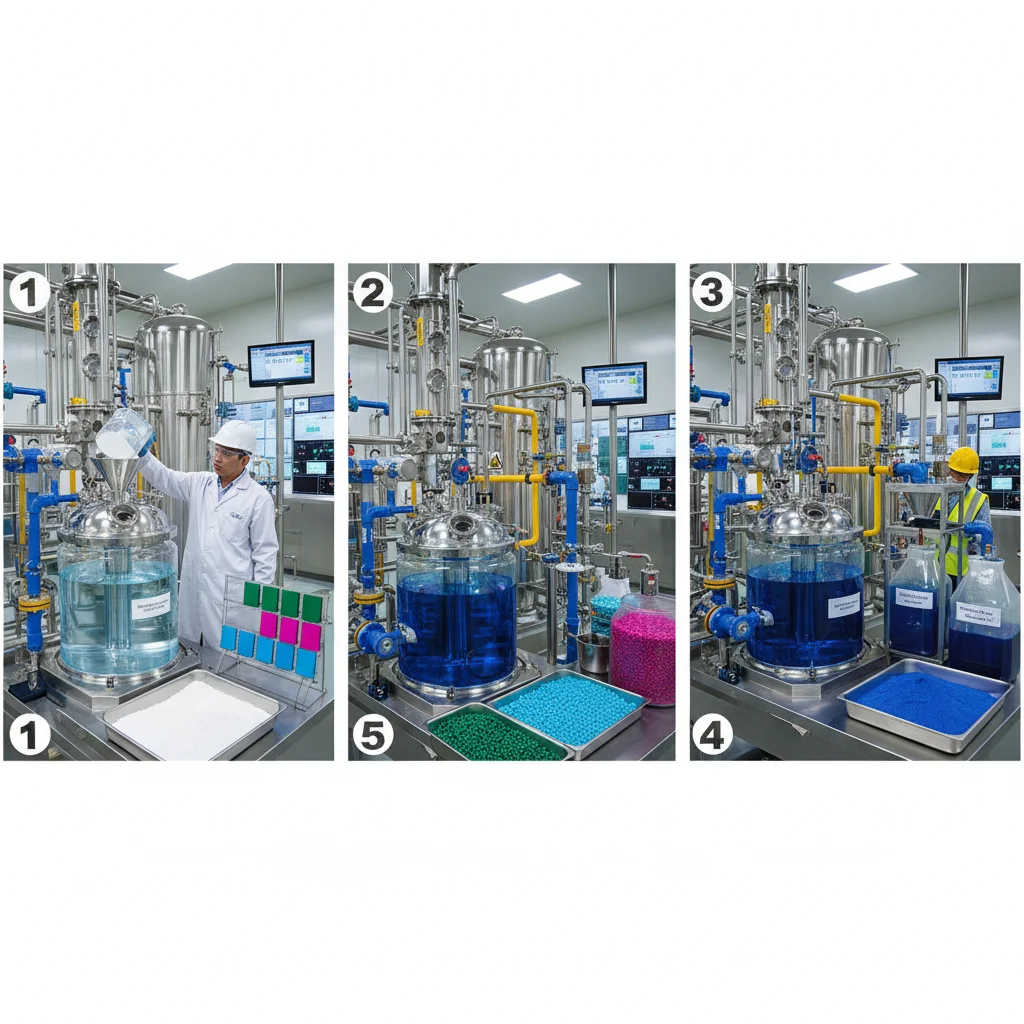
Acetamiprid insecticide stands as a crucial component in modern agriculture, playing a significant role in protecting crops from a wide range of insect pests. Its development and widespread adoption reflect a global need for effective pest management solutions to ensure food security and economic stability. Understanding the nuances of acetamiprid, from its chemical properties to its application methods and environmental considerations, is paramount for responsible and sustainable agricultural practices.
The global demand for food continues to rise, driven by a growing population and evolving dietary preferences. Simultaneously, the impact of climate change and the emergence of invasive species pose increasing challenges to crop production. Acetamiprid insecticide offers a valuable tool for farmers to mitigate these threats, enhancing yields and reducing economic losses. Its systemic properties and broad-spectrum activity make it particularly effective against various sucking insects, contributing to healthier and more productive harvests.
Beyond agriculture, acetamiprid finds applications in horticulture, forestry, and even animal health, demonstrating its versatility as a pest control agent. However, its use necessitates a balanced approach, prioritizing integrated pest management strategies and responsible application to minimize potential environmental impacts and safeguard human health. The continued research and development of acetamiprid formulations aim to optimize its efficacy while minimizing off-target effects, paving the way for a more sustainable future in pest management.

The Chemical and Physical Properties of acetamiprid insecticide
Acetamiprid insecticide is a neonicotinoid insecticide, characterized by its chemical formula C10H11ClN4O. It’s a systemic insecticide, meaning it is absorbed by plants and transported throughout their tissues, providing protection against pests feeding on various plant parts. Its physical form typically appears as a crystalline solid, soluble in water and various organic solvents.
Understanding these chemical and physical properties is crucial for optimizing its formulation, application, and persistence in the environment. The solubility in water, for instance, influences its mobility within plants and its potential for runoff into water bodies. The stability of the molecule under different environmental conditions affects its efficacy and duration of control.
Modes of Action and Target Pests of acetamiprid insecticide
Acetamiprid insecticide primarily acts as an agonist of the nicotinic acetylcholine receptor (nAChR) in insects. This disrupts the normal transmission of nerve impulses, leading to paralysis and ultimately, death of the insect. Its selectivity for insect nAChRs over those found in mammals contributes to its relatively low mammalian toxicity. The systemic nature of acetamiprid insecticide allows it to control pests that feed on the internal tissues of plants, offering protection that contact insecticides may miss.
The target pest range for acetamiprid insecticide is broad, encompassing a variety of sucking insects, including aphids, whiteflies, thrips, leafhoppers, and some species of scale insects. It is also effective against certain chewing insects, such as Colorado potato beetles and some caterpillars. Its effectiveness against these pests makes it a valuable tool for protecting a wide range of crops, including fruits, vegetables, cereals, and ornamentals.
The specific pest spectrum of acetamiprid insecticide varies depending on the crop, application method, and local pest populations. Integrated pest management programs often incorporate acetamiprid alongside other control strategies to maximize efficacy and minimize the risk of resistance development.
Formulation and Application Methods for acetamiprid insecticide
Acetamiprid insecticide is available in a range of formulations, including soluble concentrates (SL), wettable powders (WP), and granular formulations (GR). Soluble concentrates are typically diluted with water and applied as a foliar spray, providing rapid coverage and systemic action. Wettable powders are also mixed with water and sprayed, offering good residual activity. Granular formulations are often applied to the soil, providing longer-term control through root uptake.
Application methods for acetamiprid insecticide vary depending on the crop, pest, and formulation. Foliar sprays are commonly used for controlling pests on above-ground plant parts, while soil applications are effective against soil-dwelling insects and for providing systemic protection. Seed treatments with acetamiprid insecticide are also employed to protect seedlings from early-season pest attacks.
Proper application techniques, including appropriate nozzle selection, spray volume, and timing, are crucial for maximizing efficacy and minimizing off-target exposure. Adhering to label instructions and best management practices is essential for responsible use of acetamiprid insecticide.
Environmental Fate and Impact of acetamiprid insecticide
The environmental fate of acetamiprid insecticide is influenced by several factors, including soil type, climate, and application method. It can undergo degradation through processes such as hydrolysis, photolysis, and microbial metabolism. The half-life of acetamiprid in soil varies, ranging from a few days to several months.
While acetamiprid insecticide generally exhibits lower toxicity to mammals and birds compared to some older insecticides, potential impacts on non-target organisms, such as beneficial insects (e.g., bees) and aquatic invertebrates, have been a subject of concern. Therefore, responsible use and mitigation strategies are crucial to minimize ecological risks.
Acetamiprid Insecticide Degradation Rates in Different Environments
Global Regulatory Landscape for acetamiprid insecticide
The registration and use of acetamiprid insecticide are subject to stringent regulations in most countries. Regulatory agencies, such as the U.S. Environmental Protection Agency (EPA) and the European Food Safety Authority (EFSA), evaluate the risks and benefits of acetamiprid before granting approval for its use. These assessments consider factors such as toxicity, environmental fate, and potential exposure levels.
Regulations often specify maximum residue limits (MRLs) for acetamiprid in food commodities, ensuring that residues remain within safe levels for human consumption. Restrictions on application methods, timing, and rates may also be imposed to minimize environmental impacts and protect non-target organisms.
Resistance Management Strategies for acetamiprid insecticide
The development of insecticide resistance is a growing concern in pest management. Continuous and exclusive reliance on acetamiprid insecticide can lead to the selection of resistant pest populations, reducing its effectiveness over time.
Effective resistance management strategies include rotating insecticides with different modes of action, integrating non-chemical control methods (e.g., biological control, cultural practices), and avoiding prophylactic applications. Monitoring pest populations for resistance levels and adopting adaptive management practices are also crucial for preserving the long-term efficacy of acetamiprid insecticide.
Implementing integrated pest management (IPM) programs, which prioritize a holistic approach to pest control, is essential for minimizing the risk of resistance development and ensuring sustainable pest management practices.
The Future of acetamiprid insecticide: Innovations and Trends
Ongoing research and development efforts are focused on improving the formulation and delivery of acetamiprid insecticide, aiming to enhance its efficacy, reduce environmental impacts, and mitigate resistance risks. Novel formulations, such as microencapsulated and nano-formulations, are being explored to improve target specificity and reduce off-target exposure.
Precision agriculture technologies, such as remote sensing and variable rate application, offer opportunities to optimize acetamiprid insecticide use, applying it only where and when it is needed. Furthermore, the integration of acetamiprid insecticide with biological control agents and other sustainable pest management practices is gaining momentum.
The development of new acetamiprid insecticide analogs with improved properties, such as enhanced selectivity and reduced persistence, may also emerge in the future. These innovations will play a crucial role in ensuring the continued availability of effective pest control solutions while minimizing environmental and health risks.
A Summary of Acetamiprid Insecticide Applications
| Crop Type |
Target Pest |
Application Method |
Typical Dosage (g/ha) |
| Tomatoes |
Aphids |
Foliar Spray |
20-30 |
| Apples |
Apple Aphid |
Foliar Spray |
40-50 |
| Potatoes |
Potato Leafhopper |
Foliar Spray |
30-40 |
| Cotton |
Whiteflies |
Foliar Spray |
50-60 |
| Cereals (Wheat) |
Aphids |
Foliar Spray |
25-35 |
| Vegetable Seedlings |
Various Sucking Insects |
Seed Treatment |
0.5-1.0 (mg/seed) |
FAQS
Acetamiprid insecticide primarily disrupts the insect nervous system by acting as an agonist of the nicotinic acetylcholine receptor (nAChR). This overstimulates the receptor, leading to paralysis and ultimately, death of the insect. It’s this specific action that makes it effective against a range of sucking and chewing pests, while generally exhibiting lower toxicity to mammals due to differing nAChR structures.
Acetamiprid insecticide, like other neonicotinoids, has raised concerns regarding its potential impacts on bee populations. While generally less toxic to bees than some older insecticides, exposure can still lead to sublethal effects, such as reduced foraging ability and impaired learning. Responsible application practices, avoiding spraying during bloom periods and using reduced rates, are crucial to minimize risks to pollinators.
The residual activity of acetamiprid insecticide varies depending on factors such as formulation, application rate, environmental conditions (temperature, rainfall), and target pest. Typically, it provides control for several days to a few weeks. Systemic formulations offer longer-term protection as the insecticide is translocated within the plant tissues. Regular monitoring is recommended to assess effectiveness and reapply if needed.
Acetamiprid insecticide is widely used on a variety of crops, including fruits (apples, citrus, grapes), vegetables (tomatoes, peppers, cucumbers), cereals (wheat, barley), cotton, and ornamentals. Its broad spectrum of activity makes it a versatile option for controlling a range of sucking and chewing pests across different agricultural settings. Always check the product label for specific crop registrations.
To prevent the development of resistance, it’s essential to employ integrated pest management (IPM) strategies. This includes rotating acetamiprid insecticide with insecticides from different chemical classes, using non-chemical control methods (biological control, cultural practices), and avoiding repeated applications of the same insecticide. Monitoring pest populations for signs of resistance is also crucial.
When handling acetamiprid insecticide, always wear appropriate personal protective equipment (PPE), including gloves, long sleeves, and eye protection. Avoid inhaling spray mist or contacting skin and eyes. Follow all label instructions carefully and wash hands thoroughly after handling. Store the product in a secure location, away from children and animals. Consult the safety data sheet (SDS) for detailed safety information.
Conclusion
Acetamiprid insecticide stands as a valuable tool in modern agriculture, offering effective control against a wide range of pests and contributing to improved crop yields and food security. Its systemic properties, broad spectrum of activity, and relatively low mammalian toxicity make it a preferred choice for many growers worldwide. However, responsible use, incorporating integrated pest management strategies, and addressing the potential for resistance development are crucial for ensuring its long-term sustainability.
Looking ahead, ongoing research and innovation will continue to refine acetamiprid insecticide formulations and application methods, enhancing its efficacy while minimizing environmental impacts. The integration of precision agriculture technologies and the exploration of new analogs with improved properties hold promise for a more sustainable future in pest management. For more information and to explore our range of crop protection solutions, visit our website: www.hbjrain.com.