Pyriproxyfen: Uses, Safety, and Applications in Agriculture and Dogs
Pyriproxyfen, identified by CAS 95737-68-1, is a widely used insect growth regulator (IGR) with applications in agriculture, public health, household pest control, and veterinary care. Known for its specificity, low toxicity to mammals, and effectiveness in disrupting insect life cycles, pyriproxyfen cas is a critical tool in modern pest management. From its role as a pyriproxyfen insecticide to specialized use as pyriproxyfen for dogs, understanding its applications, safety, and sourcing from reliable pyriproxyfen manufacturers is essential for both professional and domestic users.
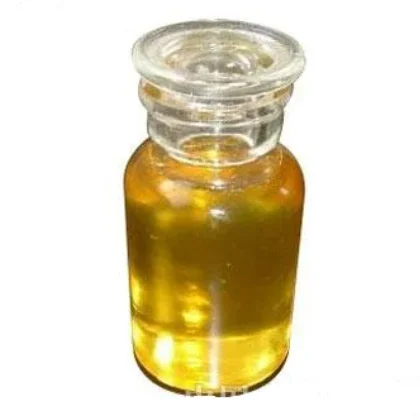
What Is Pyriproxyfen and How Does It Work?
Pyriproxyfen is a synthetic analog of insect juvenile hormone that prevents immature insects from developing into adults. By targeting the reproductive cycle of insects, it effectively reduces populations over time without immediate toxicity to adult insects or mammals. Its chemical identity, CAS 95737-68-1, ensures standardized purity and formulation in commercial applications.
Mechanism of Action
As a pyriproxyfen insecticide, the compound interferes with hormonal regulation in insect larvae and pupae. Juvenile hormone analogs like pyriproxyfen prevent the normal development of larvae into reproductive adults. This mode of action is particularly effective against fleas, mosquitoes, cockroaches, whiteflies, and other common pests. Unlike traditional neurotoxic insecticides, pyriproxyfen’s mechanism minimizes environmental impact and reduces harm to beneficial insects such as bees and predatory species.
Forms and Formulations
Pyriproxyfen is available in various formulations including emulsifiable concentrates, granules, wettable powders, and ready-to-use sprays. In agricultural settings, it can be applied to crops to control sap-sucking pests such as whiteflies, scales, and leafminers. In domestic settings, it is incorporated into household sprays and flea control products. For veterinary use, pyriproxyfen for dogs is included in topical treatments, collars, and sprays, targeting flea larvae and eggs while remaining safe for pets.
Pyriproxyfen Uses in Agriculture, Public Health, and Veterinary Care
The versatility of pyriproxyfen uses makes it a crucial tool for a wide range of applications.
Agricultural Applications
Farmers rely on pyriproxyfen insecticide to protect crops from pest damage. By targeting insect larvae, pyriproxyfen reduces future generations of pests while sparing beneficial organisms. Common agricultural uses include treatment of vegetables, fruits, ornamental plants, and greenhouse crops. Its targeted action allows integration into Integrated Pest Management (IPM) programs, reducing reliance on broad-spectrum chemical pesticides.
Mosquito and Public Health Control
Pyriproxyfen is widely used in public health initiatives to control mosquito populations. It is applied to standing water where mosquito larvae develop, preventing them from maturing into adult mosquitoes capable of transmitting diseases such as dengue, Zika, chikungunya, and malaria. This application demonstrates the compound’s effectiveness in environmental and community-level pest management.
Veterinary Applications: Pyriproxyfen for Dogs
In veterinary medicine, pyriproxyfen for dogs is primarily used to control fleas. Fleas are a major problem for pets and their owners, not only causing irritation but also transmitting diseases. Pyriproxyfen works by preventing flea larvae and eggs from developing, breaking the life cycle and reducing infestations in homes and on pets. Common products include spot-on treatments, flea collars, sprays, and combined formulations with adulticidal insecticides.
Household Pest Control
Pyriproxyfen insecticide is also incorporated into products for cockroach and ant management. By targeting the reproductive stages of these pests, it provides long-term control and reduces the need for frequent applications. Homeowners benefit from its effectiveness and relatively low toxicity compared to traditional chemical insecticides.
Safety Considerations: Is Pyriproxyfen Safe for Dogs?
One of the most important questions regarding pyriproxyfen is its safety for pets. Is pyriproxyfen safe for dogs? When used in approved veterinary formulations, the answer is yes. Pyriproxyfen is highly specific to insects, and its mechanism of action does not interfere with mammalian physiology.
Low Toxicity to Mammals
The compound mimics juvenile hormone in insects—a hormone not present in mammals. As a result, pyriproxyfen for dogs is non-toxic at recommended doses. Veterinary products are carefully formulated to ensure safe concentrations for topical application, ingestion avoidance, and environmental safety.
Safe Application Practices
Safety depends on using products according to label instructions. Dogs should not ingest concentrated industrial formulations, and direct contact with eyes or wounds should be avoided. Proper handling and storage of pyriproxyfen products ensure the safety of pets, humans, and the environment.
Long-Term Safety
Studies indicate that pyriproxyfen is safe for repeated use in pets, making it ideal for ongoing flea control programs. It is often combined with other insecticides to target adult fleas while pyriproxyfen prevents development of larvae, ensuring comprehensive pest management.
Selecting Quality Pyriproxyfen Manufacturers and Products
With a growing global market for pyriproxyfen, sourcing reliable pyriproxyfen manufacturers is critical. Quality products ensure consistent potency, purity, and effectiveness. When selecting suppliers, consider:
Certification and Compliance: Ensure the manufacturer adheres to international chemical and safety standards.
Formulation Options: Availability of agricultural, veterinary, and household formulations suitable for your needs.
Technical Support: Access to usage guidance, safety data, and application instructions.
Stability and Shelf Life: High-quality pyriproxyfen products maintain effectiveness over time.
By sourcing from reputable manufacturers, users can safely implement pyriproxyfen in both pest control and veterinary applications.
Advantages of Using Pyriproxyfen
Targeted Insect Control: Disrupts insect development without affecting adult beneficial species.
Low Mammalian Toxicity: Safe for dogs and other mammals in approved formulations.
Long-Term Population Reduction: Prevents larvae from developing, reducing infestations over time.
Versatile Applications: Effective in agriculture, public health, household pest control, and veterinary medicine.
Environmental Safety: Minimal risk of contamination or non-target species impact when used responsibly.
These advantages make pyriproxyfen an essential tool for integrated pest management, household protection, and veterinary care.
Pyriproxyfen (CAS 95737-68-1) is a versatile and highly effective insect growth regulator widely used in agriculture, public health, household pest management, and veterinary applications. Its role as a pyriproxyfen insecticide provides targeted control of larvae and juvenile insects, reducing populations while minimizing environmental and mammalian risks. Products containing pyriproxyfen for dogs offer safe and efficient flea control, breaking the life cycle of pests in homes and on pets. By sourcing quality products from trusted pyriproxyfen manufacturers and following recommended usage guidelines, users can leverage the full benefits of pyriproxyfen uses, ensuring safe, effective, and long-lasting pest management. Understanding what is pyriproxyfen used for highlights its essential role in modern integrated pest management and veterinary care, making it a valuable tool for professionals and pet owners alike.