Bentazone Herbicide: Uses, Mode of Action, and Regulatory Insights
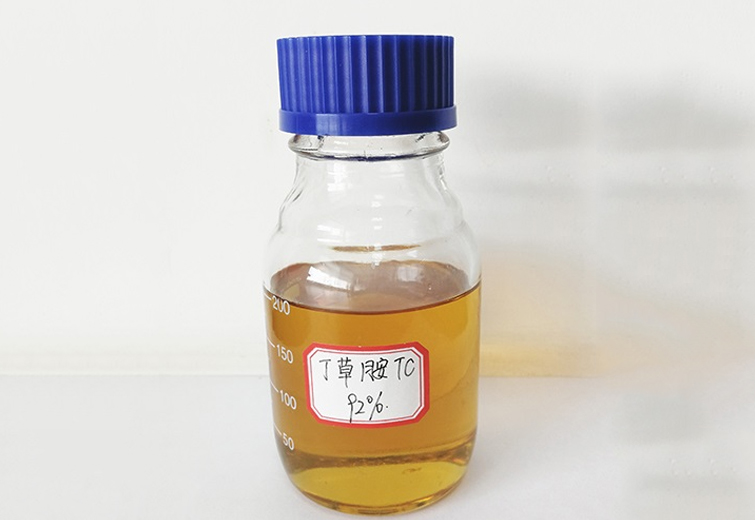
Bentazone is a selective post-emergence herbicide widely used to control broadleaf weeds and sedges in crops such as soybeans, peanuts, and rice. Available in formulations like bentazone 48 SL and bentazone 480 SL, this herbicide has proven effective for modern crop management. Understanding the bentazone herbicide label, its bentazone uses, bentazone mode of action, and compliance with regulatory standards such as GLP and ICAMA ensures safe and efficient application.
Overview of Bentazone 48 SL and Bentazone 480 SL
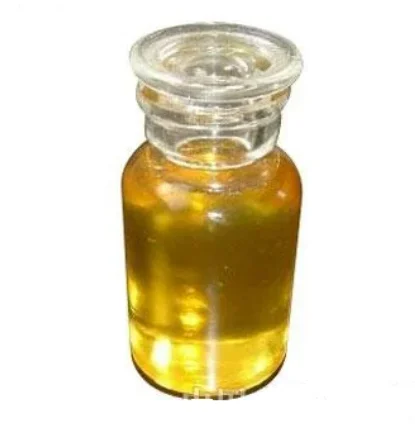
Bentazone is primarily formulated as a soluble liquid (SL) herbicide, with bentazone 48 SL and bentazone 480 SL representing common concentrations for commercial use. These formulations are designed for post-emergence application, targeting actively growing broadleaf weeds while maintaining crop safety in tolerant species.
Formulation and Application
The "SL" designation refers to a soluble liquid, which dissolves easily in water for spraying. Bentazone 48 SL and bentazone 480 SL differ mainly in concentration, allowing flexibility in dosage based on crop type, weed pressure, and environmental conditions. The bentazone herbicide label provides detailed instructions on application rates, crop tolerance, and timing to maximize efficacy while minimizing risks.
Crop Safety and Selectivity
Bentazone is selective for certain crops, making it safe for post-emergence use in soybeans, peanuts, and rice when applied according to label instructions. The herbicide works quickly to inhibit weed growth, reducing competition for nutrients, sunlight, and water without harming the crop.
Bentazone Uses and Applications in Agriculture
Bentazone uses are primarily in the control of annual broadleaf weeds and sedges. Its post-emergence activity ensures that weeds are eliminated during critical stages of crop development.
Soybean Weed Control
In soybeans, bentazone 48 SL and bentazone 480 SL are applied to manage weeds such as pigweed, lambsquarters, morningglory, and velvetleaf. Post-emergence treatment allows farmers to protect the crop after germination while efficiently suppressing emerging weeds.
Rice and Other Crops
Bentazone uses extend to rice cultivation, where it controls broadleaf weeds and sedges that compete with seedlings for nutrients and sunlight. Its quick absorption and systemic action allow the herbicide to reach growing points, effectively stopping weed growth.
Integrated Weed Management
Bentazone is often used as part of integrated weed management programs. By combining bentazone with mechanical weed control or other herbicides with different modes of action, farmers can prevent resistance development and maintain long-term weed control.
Bentazone Mode of Action and Efficacy
Understanding the bentazone mode of action is critical for effective and safe use. Bentazone belongs to the benzothiadiazinone chemical family and functions as a photosystem II inhibitor.
Photosystem II Inhibition
By inhibiting photosynthesis, bentazone disrupts energy production in susceptible plants. The herbicide binds to the D1 protein in the chloroplast, blocking electron transport and leading to rapid leaf necrosis. This action is particularly effective against broadleaf weeds while leaving tolerant crops unaffected.
Selectivity Mechanism
The selective action of bentazone is due to differences in metabolic detoxification between crops and weeds. Crops like soybeans and rice metabolize the herbicide quickly, reducing its phytotoxicity, while sensitive weeds accumulate lethal concentrations in their tissues.
Resistance Management
Rotating bentazone with herbicides from other chemical groups helps prevent the development of resistant weed populations. Knowledge of the bentazone mode of action is essential for planning integrated weed management programs.
Regulatory Compliance: GLP and ICAMA
Compliance with regulatory standards is crucial for safe use and global trade. GLP (Good Laboratory Practice) and ICAMA (Institute for the Control of Agrochemicals, Ministry of Agriculture) certification ensure quality, safety, and environmental compliance.
GLP Standards
GLP ensures that all herbicide efficacy, toxicity, and environmental studies are conducted according to standardized procedures. For bentazone 48 SL and bentazone 480 SL, GLP compliance guarantees reliable data for product registration and safety assessments.
ICAMA Registration
ICAMA oversees agrochemical registration in China. Products listed under ICAMA approval have undergone rigorous testing for safety, efficacy, and environmental impact. Compliance with ICAMA ensures that bentazone formulations meet national and international regulatory standards.
Labeling Requirements
The bentazone herbicide label includes information required by regulatory authorities such as GLP and ICAMA. This includes proper dosage, crop tolerance, application timing, protective equipment, storage conditions, and environmental precautions.
Advantages of Using Bentazone Herbicide
Selective Weed Control: Targets broadleaf weeds and sedges without harming tolerant crops.
Fast Post-Emergence Activity: Rapidly inhibits weed growth, improving crop competition.
Flexibility in Formulation: Available as bentazone 48 SL and bentazone 480 SL for different application needs.
Integration into Weed Management Programs: Compatible with crop rotation and herbicide rotation to prevent resistance.
Regulatory Compliance: Products adhering to GLP and ICAMA standards ensure safety and reliability.
Bentazone herbicide, available in formulations such as bentazone 48 SL and bentazone 480 SL, is a reliable post-emergence solution for controlling broadleaf weeds and sedges in crops like soybeans and rice. Understanding the bentazone herbicide label, its bentazone uses, and bentazone mode of action ensures effective application and crop safety. Regulatory compliance with GLP and ICAMA standards further guarantees product quality, environmental safety, and adherence to international guidelines. By integrating bentazone into well-planned weed management programs, farmers can maximize crop yield, minimize resistance, and maintain sustainable agricultural practices.