Dinotefuran: A Comprehensive Guide to Its Uses, Pricing, and Applications
Dinotefuran, chemically identified as 165252-70-0, is a modern neonicotinoid insecticide widely used in agriculture, horticulture, and pest control. Known for its high efficacy and broad-spectrum activity, dinotefuran insecticide has become a crucial tool in integrated pest management programs. For professionals and gardeners seeking effective pest control solutions, understanding dinotefuran for sale, its pricing, and dinotefuran insecticide uses is essential.
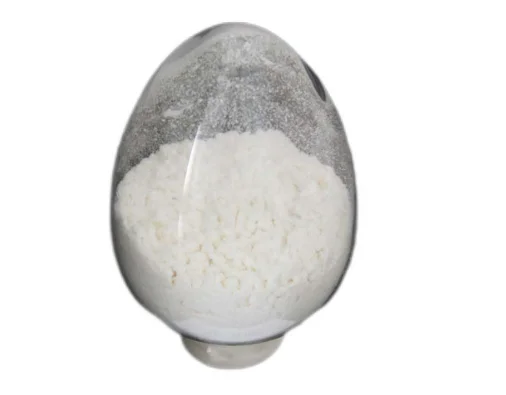
What Is Dinotefuran and How It Works
Dinotefuran belongs to the neonicotinoid class of insecticides, which act on the nervous system of insects. Its chemical identifier, 165252-70-0, ensures standardization across manufacturers and applications. It works by binding to nicotinic acetylcholine receptors in insects, causing paralysis and death. This mechanism makes dinotefuran insecticide highly effective against a wide range of pests while remaining relatively low in toxicity to mammals when used as directed.
Mode of Action
As a neonicotinoid, dinotefuran interferes with the nervous system of insects. It is fast-acting, systemic, and highly mobile within plant tissues. This systemic action allows the chemical to be absorbed through leaves and roots, providing long-lasting protection against chewing and sucking pests such as aphids, whiteflies, leafhoppers, thrips, and certain beetles.
Formulations and Availability
Dinotefuran for sale is available in multiple formulations including water-soluble powders, liquid concentrates, granules, and ready-to-use sprays. These formulations are suitable for both professional agricultural use and small-scale gardening. Its versatility allows it to be applied via foliar spraying, soil treatment, or seed treatment, depending on the crop and pest target.
Dinotefuran Insecticide Uses in Agriculture and Pest Control
Dinotefuran insecticide uses span multiple sectors, making it a highly valuable tool for managing pest populations.
Crop Protection
In agriculture, dinotefuran is applied to fruits, vegetables, rice, cotton, and ornamental plants to control a wide range of insect pests. By targeting both nymph and adult stages of insects, it prevents crop damage, reduces yield loss, and improves overall plant health. Its systemic activity ensures pests feeding on treated plants ingest the insecticide, resulting in highly effective control.
Public Health Applications
Although primarily used in agriculture, dinotefuran is also employed for public health purposes, particularly in controlling mosquito populations. Its rapid action against adult mosquitoes and larvae helps in preventing the spread of vector-borne diseases such as dengue, Zika, and chikungunya in urban and rural environments.
Household Pest Management
Dinotefuran insecticide is increasingly included in products for domestic pest control. It is effective against ants, cockroaches, termites, and fleas. Its systemic action and residual effectiveness make it suitable for preventing infestations in indoor and outdoor environments.
Specialty Applications
Some specialized uses of dinotefuran include controlling pests in greenhouses, golf courses, and nurseries. By targeting sap-sucking insects and other pests in enclosed environments, it helps maintain plant health and reduce economic losses for commercial growers.
Pricing and Availability of Dinotefuran
The market for dinotefuran for sale varies depending on concentration, formulation, and supplier. Dinotefuran price is influenced by factors such as purity, package size, and local market demand. Bulk orders from manufacturers or distributors generally provide more cost-effective solutions for large-scale agricultural operations.
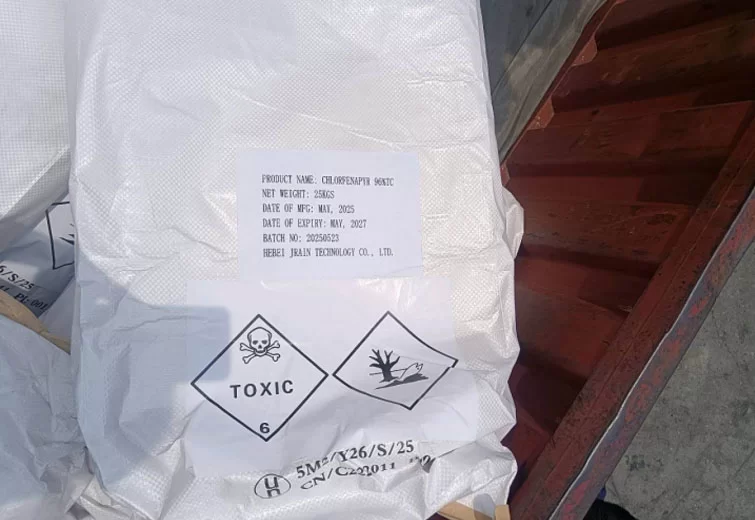
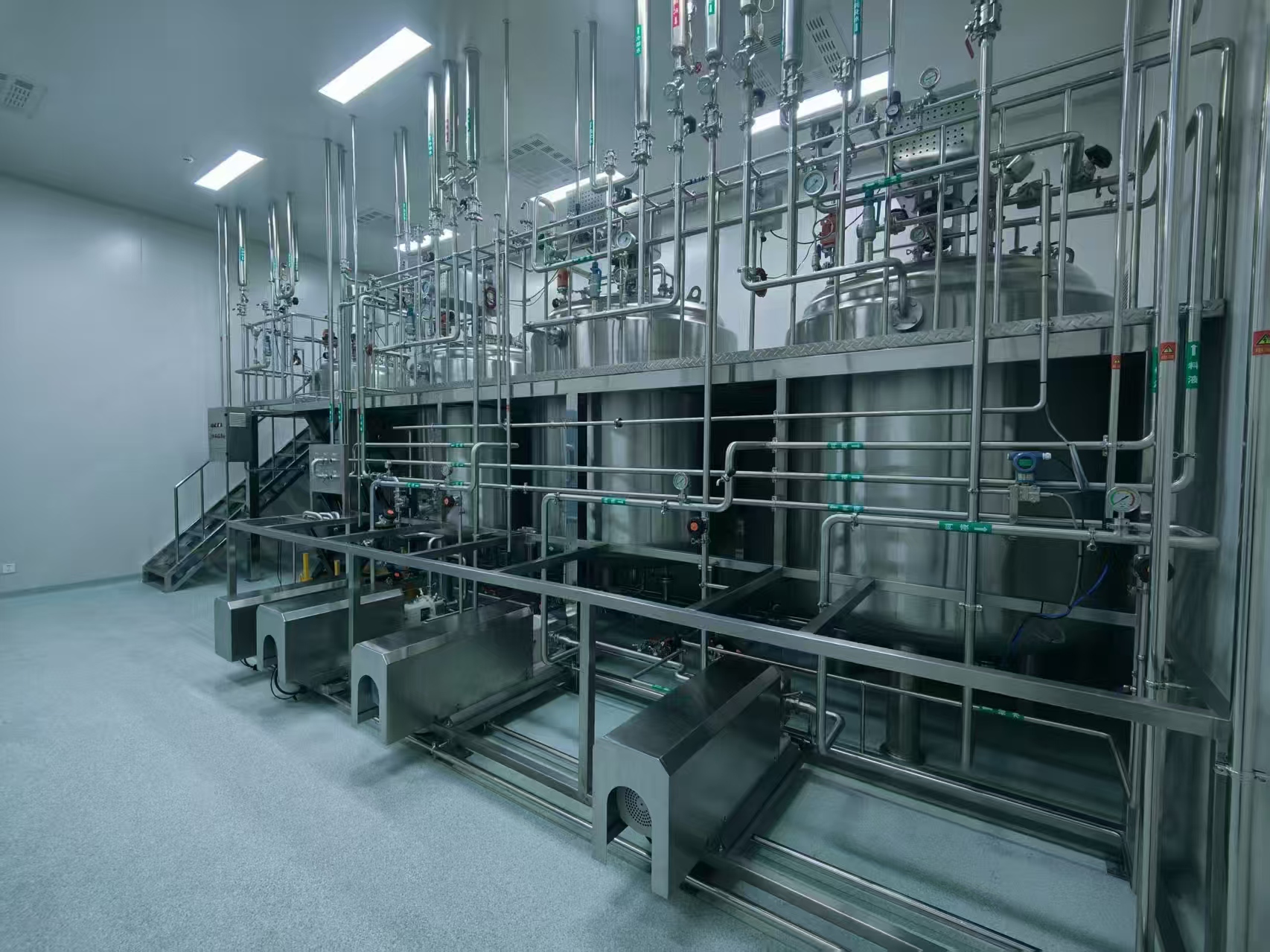
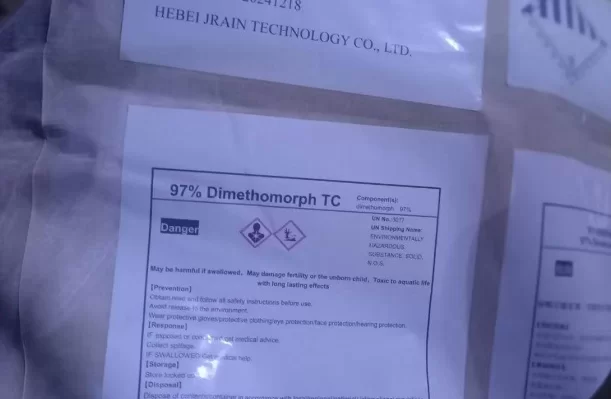
Reliable sourcing is essential to ensure efficacy and safety. Buyers should seek trusted suppliers and dinotefuran manufacturers with proper certifications and quality control processes. Quality products guarantee consistent activity against target pests and reduce the risk of crop damage or environmental contamination.
Advantages of Using Dinotefuran Insecticide
Dinotefuran insecticide offers several advantages that contribute to its widespread use:
High Efficacy: Controls a broad spectrum of pests including aphids, whiteflies, and leafhoppers.
Fast Action: Systemic activity allows rapid absorption and distribution within plants, providing quick pest control.
Versatility: Suitable for foliar, soil, and seed treatment applications.
Low Mammalian Toxicity: When used according to label instructions, it poses minimal risk to humans and animals.
Residual Activity: Offers lasting protection against pests, reducing the need for frequent reapplication.
Integration into IPM Programs: Compatible with other pest management strategies, reducing the reliance on broad-spectrum chemical insecticides.
Safety and Environmental Considerations
Although dinotefuran has low mammalian toxicity, responsible use is essential. Key safety considerations include:
Follow Label Instructions: Correct dosage and application methods are critical to avoid non-target effects.
Avoid Pollinator Exposure: As a neonicotinoid, dinotefuran can impact bees and other beneficial insects if misapplied. Apply during times of low pollinator activity.
Environmental Protection: Prevent runoff into water bodies to avoid aquatic toxicity.
Personal Protection: Wear gloves, masks, and protective clothing during handling and application.
Adhering to these safety measures ensures effective pest control while minimizing environmental and health risks.
Dinotefuran (CAS 165252-70-0) is a versatile and powerful dinotefuran insecticide widely used in agriculture, public health, and household pest management. Its systemic action, broad-spectrum efficacy, and rapid activity make it ideal for controlling chewing and sucking pests in crops, ornamental plants, and domestic environments. Products available as dinotefuran for sale from trusted dinotefuran manufacturers provide reliable solutions for both professional and small-scale users. By understanding dinotefuran insecticide uses, pricing, and safe application practices, growers, homeowners, and pest management professionals can achieve effective pest control while protecting the environment and non-target organisms. With its combination of speed, versatility, and safety, dinotefuran continues to play a vital role in modern integrated pest management strategies.