Optimizing Crop Health and Yields with Sulphate of Potash A Comprehensive Guide
Sulphate of Potash: A Comprehensive Guide to Benefits and Applications
Sulphate of Potash (SOP), also known as Potassium Sulphate, is a valuable source of potassium and sulphur for plant nutrition. Its unique characteristics make it a preferred fertilizer in various agricultural applications, especially for chloride-sensitive crops. This article provides an in-depth look at the benefits, uses, and considerations for using sulphate of potash, helping you understand its role in optimizing crop yields and quality. Understanding the nuances of this fertilizer can lead to healthier plants and increased profitability.
What is Sulphate of Potash and Why is it Important?
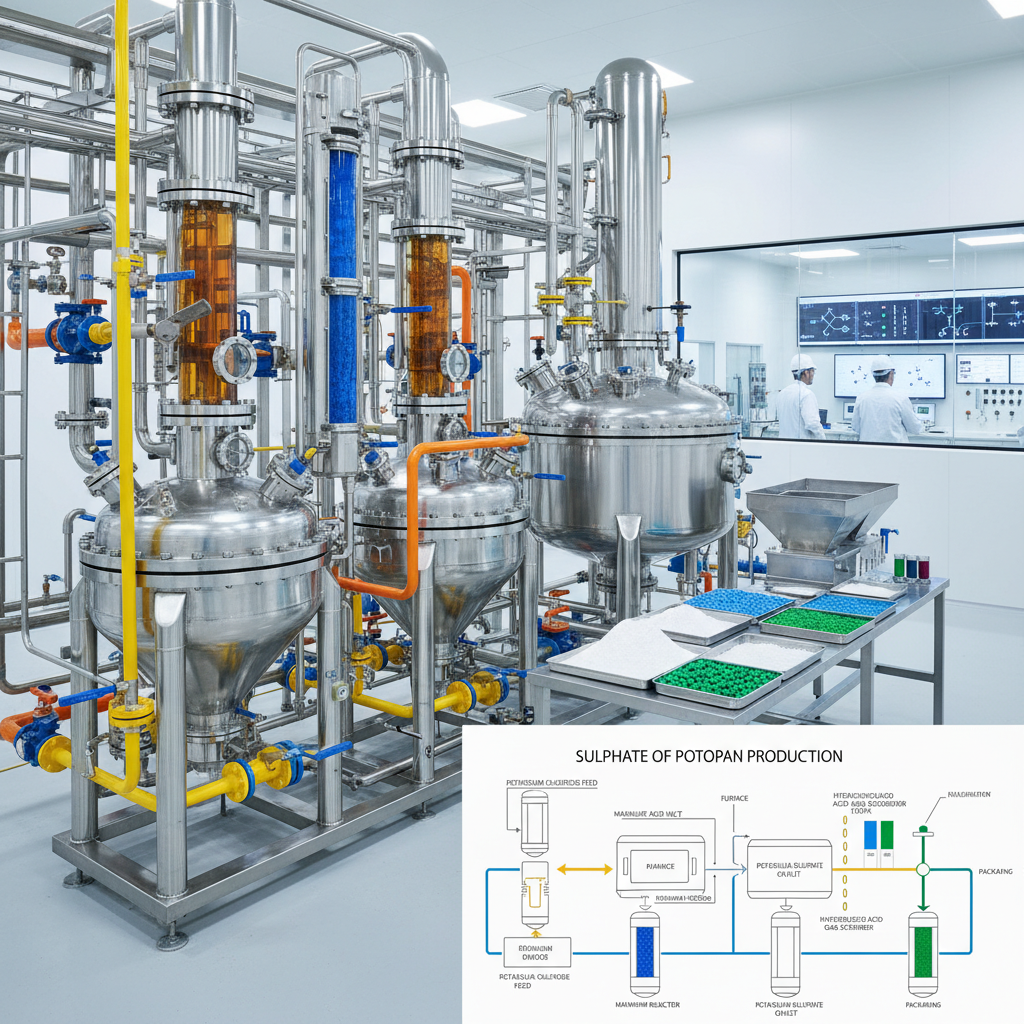
Sulphate of Potash (K₂SO₄) is a naturally occurring salt, commonly mined from mineral deposits. Unlike Potassium Chloride (MOP), SOP doesn’t contain chloride, making it an excellent choice for crops susceptible to chloride toxicity. Potassium is essential for various plant functions, including enzyme activation, water regulation, and carbohydrate metabolism. Sulphur, equally important, is a component of amino acids, proteins, and vitamins. A deficiency in either nutrient can significantly hinder plant growth and development. Therefore, using SOP provides a dual benefit, addressing both potassium and sulphur requirements.
Key Benefits: Provides potassium and sulphur, chloride-free, ideal for chloride-sensitive crops, improves crop quality and yield.
Sulphate of Potash vs. Potassium Chloride: A Comparative Analysis
The choice between Sulphate of Potash and Potassium Chloride often depends on the specific crop and soil conditions. While MOP is a more economical source of potassium, SOP offers advantages for crops sensitive to chloride. Excessive chloride can negatively impact yield and quality in fruits, vegetables, and tobacco. SOP also provides sulphur, which MOP lacks, benefiting plants requiring both nutrients. The following table highlights the key differences:
Key Applications of Sulphate of Potash in Agriculture
Sulphate of Potash is widely used in the cultivation of various crops. Some of the key applications include: Tobacco: Essential for achieving high-quality leaf and reducing chloride-related issues. Fruits & Vegetables: Improves fruit size, color, and sugar content. Potatoes: Enhances tuber quality and starch content. Oil Palm: Promotes vigorous growth and increases yields. Other Crops: Beneficial for crops like soybeans, cotton, and coffee, where sulphur deficiency is common. Using high-quality SOP ensures optimal nutrient uptake and maximized crop performance.
Application Considerations:
• Apply based on soil test results.
• Consider crop-specific nutrient requirements.
• SOP can be applied through soil application or fertigation.
Product Specifications & Grades of Sulphate of Potash
HBJ Rain offers various grades of Sulphate of Potash to meet different application needs. Here’s a typical product specification:
Why Choose HBJ Rain for Your Sulphate of Potash Needs?
At HBJ Rain, we are committed to providing high-quality Sulphate of Potash and exceptional customer service. We source our products from reliable manufacturers, ensuring consistent quality and purity. We also offer competitive pricing, efficient logistics, and expert technical support to help you optimize your fertilizer strategy. Contact us today to discuss your specific requirements.
Conclusion: Maximize Your Crop Potential with Sulphate of Potash
Choosing the right fertilizer is crucial for maximizing crop yields and quality. Sulphate of Potash offers a chloride-free source of potassium and sulphur, making it an excellent choice for a wide range of crops. Partner with HBJ Rain to access high-quality SOP and expert support for your agricultural needs.
Frequently Asked Questions (FAQs)
What crops benefit most from Sulphate of Potash?
Sulphate of Potash is particularly beneficial for crops sensitive to chloride, such as tobacco, potatoes, fruits (citrus, grapes, berries), and vegetables (tomatoes, peppers, cucumbers). It's also excellent for crops with high sulphur requirements like oil palm, canola, and soybeans. Using SOP on these crops can significantly improve yield, quality, and disease resistance. The absence of chloride prevents potential toxicity and allows for optimal nutrient uptake. Choosing HBJ Rain’s SOP guarantees a high-quality product that will deliver these benefits.
How is Sulphate of Potash different from other potassium fertilizers?
The primary difference lies in the absence of chloride. Potassium Chloride (MOP) is the most common potassium fertilizer, but it contains a significant amount of chloride, which can be detrimental to chloride-sensitive crops. SOP also provides sulphur, a crucial nutrient that MOP lacks. Sulphate of Potash has a lower salt index than MOP, reducing the risk of fertilizer burn. Therefore, SOP is often preferred when chloride toxicity is a concern or when sulphur is deficient in the soil.
What is the best method for applying Sulphate of Potash?
Sulphate of Potash can be applied through various methods, including soil application, fertigation, and foliar spray. Soil application is typically done before planting or as a side-dressing during the growing season. Fertigation involves dissolving SOP in irrigation water for efficient nutrient delivery. Foliar spray is used for quick correction of nutrient deficiencies. The best method depends on the crop, soil type, and grower preference. It’s always recommended to follow soil test recommendations and consult with an agronomist for optimal application rates and timing.
Is Sulphate of Potash environmentally friendly?
Sulphate of Potash is generally considered to be environmentally friendly when used responsibly. It's a naturally occurring mineral and doesn't contribute to chloride build-up in the soil. Sulphur is an essential plant nutrient and doesn't pose a significant environmental risk at recommended application rates. However, it's crucial to avoid over-fertilization to prevent nutrient runoff and potential water contamination. Responsible fertilizer management practices are key to minimizing environmental impact.