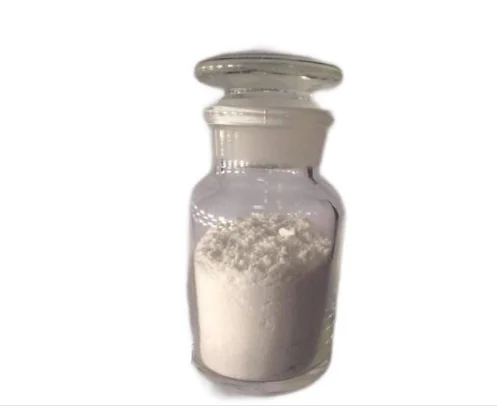
Exploring Sodium Oxide Properties Production Applications and Safety Measures
Sodium Oxide: A Comprehensive Guide
Sodium oxide (Na2O) is a chemical compound with a wide range of industrial applications, from glass manufacturing to chemical synthesis. This article provides a detailed overview of its properties, production methods, uses, safety considerations, and global market trends. Understanding the intricacies of sodium oxide is crucial for businesses involved in related industries, and we at HBJ Rain are dedicated to providing high-quality chemical solutions. We will explore its relevance in various sectors and highlight its importance in modern industrial processes.

Understanding the Chemical Properties of Sodium Oxide
Sodium oxide is a highly reactive, crystalline solid. It is a basic oxide, meaning it reacts readily with acids. It's a powerful desiccant, readily absorbing water from the atmosphere to form sodium hydroxide (NaOH), a strong base. This hygroscopic nature requires careful storage in airtight containers. Its molecular weight is approximately 61.98 g/mol. Sodium oxide is not found freely in nature due to its high reactivity; it is typically produced by the direct reaction of sodium metal with oxygen. This quick reaction is exothermic, releasing significant heat. Its properties make it an essential component in many industrial processes.
Key Properties: Highly reactive, hygroscopic, basic oxide, reacts with acids, exothermic reaction with oxygen.
Production Methods: From Sodium Metal to Oxide
The primary method for producing sodium oxide involves the direct combustion of sodium metal in oxygen. This reaction is highly exothermic and requires careful control. Alternatively, it can be formed by heating sodium nitrate (NaNO3) under reducing conditions. Another route is the thermal decomposition of sodium peroxide (Na2O2). Each method presents its own challenges and advantages in terms of cost, purity, and scalability. At HBJ Rain, we utilize advanced production techniques to ensure high-quality sodium oxide with consistent purity.
Production Method Overview:
• Direct Combustion of Sodium Metal with Oxygen
• Thermal Decomposition of Sodium Nitrate
• Decomposition of Sodium Peroxide
Key Applications of Sodium Oxide in Various Industries
Sodium oxide finds diverse applications across numerous industries. A major use is in the manufacturing of glass, where it acts as a flux, lowering the melting point of the silica. It’s also crucial in the production of sodium hydroxide, a vital chemical used in pulp and paper, textiles, and detergents. Furthermore, it plays a role in the synthesis of other sodium compounds. It’s utilized in ceramics, providing specific color effects and enhancing glaze properties. Its catalytic properties make it useful in certain organic reactions, and it's also investigated for potential applications in energy storage.
Sodium Oxide Safety and Handling Considerations
Due to its high reactivity, sodium oxide requires careful handling. It is corrosive and reacts violently with water, generating heat and forming sodium hydroxide, which is also corrosive. Contact with skin and eyes must be avoided, and appropriate personal protective equipment (PPE), including gloves, safety glasses, and a lab coat, should always be worn. It should be stored in a cool, dry, and well-ventilated area, away from acids, water, and combustible materials. Proper disposal procedures must be followed in accordance with local regulations. Always consult the Material Safety Data Sheet (MSDS) before handling.

Global Market Trends and Future Outlook for Sodium Oxide
The global sodium oxide market is experiencing steady growth, driven by increasing demand from the glass and chemical industries. Emerging economies, particularly in Asia-Pacific, are contributing significantly to this growth. Factors such as rising construction activities, increasing demand for detergents, and advancements in ceramic technology are further fueling the market. The development of more efficient production methods and sustainable practices is expected to shape the future of the industry. HBJ Rain is committed to remaining at the forefront of these advancements, providing innovative solutions to meet the evolving needs of our clients.
Conclusion: Sodium Oxide – A Cornerstone of Modern Industry
Sodium oxide remains a critical component in a multitude of industrial applications. Its unique properties and versatility ensure its continued importance in the years to come. By choosing a reliable supplier like HBJ Rain, businesses can ensure a consistent supply of high-quality sodium oxide to support their operations and drive innovation.
Frequently Asked Questions (FAQs)
What are the primary hazards associated with sodium oxide?
Sodium oxide is highly corrosive and reacts violently with water, releasing heat and forming sodium hydroxide. This can cause severe burns to skin, eyes, and respiratory tract. It is also a strong irritant and should be handled with extreme caution. Always wear appropriate personal protective equipment (PPE) and ensure adequate ventilation when working with sodium oxide. In case of contact, immediately flush the affected area with copious amounts of water and seek medical attention.
How should sodium oxide be stored to maintain its purity?
Sodium oxide is hygroscopic, meaning it readily absorbs moisture from the air. To maintain its purity, it should be stored in a tightly sealed container in a cool, dry, and well-ventilated area. Exposure to humidity will cause it to react with water and form sodium hydroxide. The container should be made of a material that is inert and does not react with sodium oxide. Avoid storing it near acids, water, or combustible materials.
What industries benefit most from using high-quality sodium oxide?
Several industries greatly benefit from using high-quality sodium oxide. The glass manufacturing industry relies on it as a crucial fluxing agent. The chemical industry uses it for producing sodium hydroxide and other sodium compounds. The ceramics industry utilizes it for coloring and glaze properties. Furthermore, it's used in the production of detergents, pulp and paper, and various other industrial processes. Industries requiring high-purity chemical compounds will see the most significant advantages.