Comprehensive Guide to Sodium Hypochlorite Solution Applications and Safe Handling Practices
Sodium Hypochlorite Solution: A Comprehensive Guide
Sodium hypochlorite solution, commonly known as bleach, is a versatile chemical compound used in a wide range of applications, from household cleaning and disinfection to industrial water treatment. Understanding its properties, uses, safety considerations, and sourcing options is crucial for both consumers and businesses. This article provides a detailed overview of sodium hypochlorite solution, its applications, and best practices for handling and storage. We'll also explore where to find a reliable sodium hypochlorite solution supplier.

Understanding Sodium Hypochlorite Solution
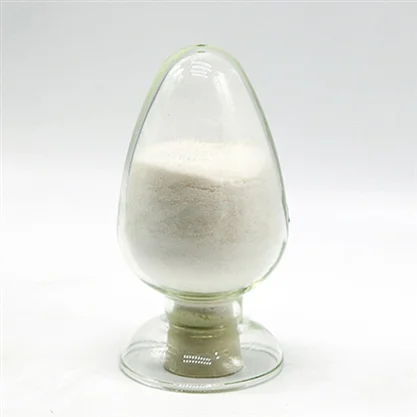
Sodium hypochlorite (NaClO) is a chemical compound created by dissolving chlorine gas in a solution of sodium hydroxide. The resulting solution is typically a clear, slightly greenish liquid with a strong odor. Its effectiveness as a disinfectant comes from its ability to release free chlorine, which is a powerful oxidizing agent capable of destroying bacteria, viruses, and fungi. The concentration of sodium hypochlorite in a solution is typically expressed as a percentage, with common household bleach containing around 3-8% NaClO. Industrial solutions can have much higher concentrations, requiring careful handling and appropriate safety measures. Finding a quality sodium hypochlorite solution is essential for consistent and reliable performance.
Key Highlights: Sodium hypochlorite is a powerful disinfectant effective against a wide range of microorganisms due to its release of free chlorine. Concentration levels vary depending on the intended application.
Common Applications of Sodium Hypochlorite Solution
The versatility of sodium hypochlorite solution lends itself to a diverse array of applications. In households, it is widely used for laundry bleaching, surface disinfection (kitchens, bathrooms), and mold removal. Industrially, it plays a critical role in water purification, wastewater treatment, and the pulp and paper industry. The food industry uses it for sanitizing equipment and surfaces. Healthcare facilities rely on it for disinfecting medical instruments and controlling the spread of infections. Furthermore, it’s used in swimming pool sanitation to maintain water quality. A reliable supply of sodium hypochlorite is vital for these various sectors.
Application Benefits:
• Powerful disinfectant against bacteria, viruses, and fungi
• Effective bleaching agent for laundry and textiles
• Versatile for various industrial and commercial applications
• Essential for water purification and sanitation
Sodium Hypochlorite Solution: Concentration Levels and Their Uses
The concentration of sodium hypochlorite solution directly impacts its effectiveness and safety. Lower concentrations (3-6%) are typically used for household cleaning and laundry. Medium concentrations (8-10%) are often employed for general disinfection in commercial settings. Higher concentrations (12-15%) are reserved for industrial applications like water treatment and pulp bleaching. It's crucial to use the appropriate concentration for each application to ensure effectiveness and avoid potential hazards. Always dilute concentrated solutions according to the manufacturer’s instructions before use. Hbjrain offers various concentrations to suit diverse needs.
Safety Precautions When Handling Sodium Hypochlorite Solution
Sodium hypochlorite solution is a powerful chemical and must be handled with care. Always wear appropriate personal protective equipment (PPE), including gloves, eye protection, and a mask if ventilation is poor. Never mix it with ammonia or other cleaning agents, as this can create toxic gases. Store it in a cool, dry, and well-ventilated area, away from direct sunlight and heat sources. Keep it out of reach of children and pets. In case of skin or eye contact, rinse thoroughly with water for at least 15 minutes and seek medical attention. Proper handling and storage are essential for preventing accidents and maintaining safety. Partnering with a reputable sodium hypochlorite solution supplier ensures you receive properly labeled and packaged products.

Choosing the Right Supplier: Hbjrain
Selecting a reliable supplier of sodium hypochlorite solution is paramount for ensuring product quality, consistency, and safety. Hbjrain is a leading provider of high-quality sodium hypochlorite solutions, serving a diverse range of industries. We offer a variety of concentrations, competitive pricing, and excellent customer support. We adhere to strict quality control standards and prioritize safe handling and transportation. Contact us today to discuss your specific requirements and discover how we can meet your sodium hypochlorite needs.
Conclusion: A Trusted Partner for Your Sodium Hypochlorite Needs
Choosing a reliable supplier like Hbjrain ensures you have access to high-quality sodium hypochlorite solutions, backed by expertise and commitment to safety. Whether you require it for household cleaning, industrial applications, or water treatment, we are dedicated to providing the products and support you need.
Frequently Asked Questions (FAQs)
What is the shelf life of sodium hypochlorite solution?
Sodium hypochlorite solution degrades over time, even when stored properly. Generally, unopened solutions have a shelf life of about 6-12 months. Once opened, the solution will gradually lose its potency and should be used within a few months. Factors like temperature and exposure to light can accelerate degradation. A cloudy appearance or reduced effectiveness indicates the solution has broken down and should be discarded. Always check the expiration date on the product label. Sourcing from a reliable supplier like Hbjrain ensures you receive product with optimal shelf life.
Can sodium hypochlorite solution be used on all surfaces?
No, sodium hypochlorite solution is not suitable for all surfaces. It can damage or discolor certain materials, including metals (like silver and stainless steel), colored fabrics, and some plastics. Always test the solution on an inconspicuous area before applying it to the entire surface. Avoid using it on surfaces that come into contact with food unless thoroughly rinsed afterward. Refer to the manufacturer’s recommendations for specific surface compatibility.
What are the environmental considerations when disposing of sodium hypochlorite solution?
Sodium hypochlorite solution should be disposed of responsibly to minimize environmental impact. Small amounts can typically be diluted with large quantities of water and flushed down the drain. However, larger quantities may require specialized disposal methods. Check with your local regulations for proper disposal guidelines. Avoid pouring it directly into waterways or onto the ground. Hbjrain is committed to sustainable practices and responsible chemical handling.