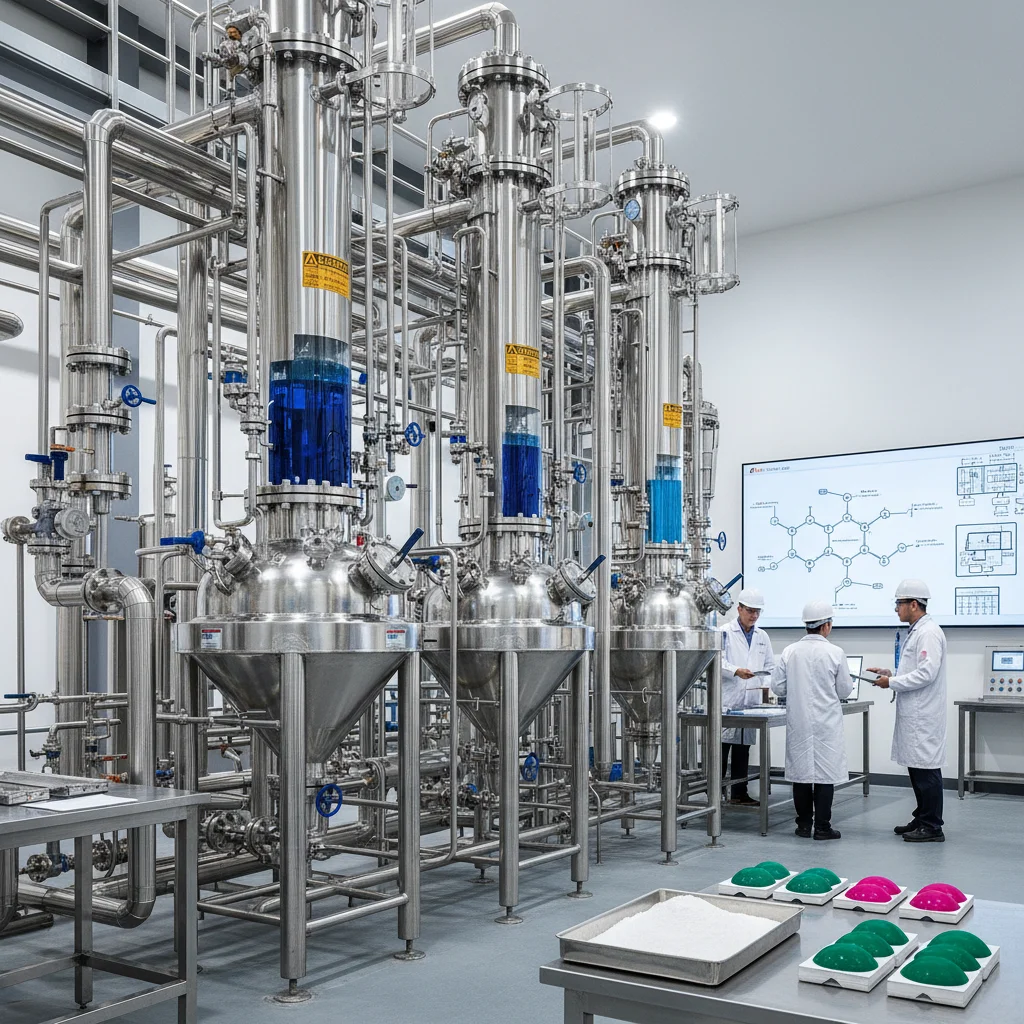
Comprehensive Guide to Sodium Hypochlorite Bleach Applications and Safety
Sodium Hypochlorite Bleach: A Comprehensive Guide
Sodium hypochlorite bleach, a widely used disinfectant and cleaning agent, plays a crucial role in various industries and household applications. Understanding its properties, applications, safety precautions, and sourcing reliable suppliers is paramount. This article provides a detailed overview of sodium hypochlorite bleach, covering everything from its chemical composition to its role in global trade. HBJRAIN is a leading supplier committed to providing high-quality sodium hypochlorite bleach for diverse needs. Choosing the correct bleach and supplier is paramount to efficiency and safety.
What is Sodium Hypochlorite Bleach?
Sodium hypochlorite (NaClO) is a chemical compound commonly known as bleach. It’s a clear, slightly greenish-yellow liquid with a pungent odor. Typically, commercially available bleach solutions contain 3-8% sodium hypochlorite, with the remainder being water. Its powerful oxidizing properties make it effective for disinfection, bleaching, and sanitation. The concentration of sodium hypochlorite directly impacts its effectiveness, and understanding this is key to proper application. HBJRAIN provides bleach solutions with precisely controlled concentrations for optimal performance.
Key Highlights: A powerful oxidizing agent, widely used for disinfection, bleaching, and sanitation. Commercially available solutions contain 3-8% NaClO.
Applications of Sodium Hypochlorite Bleach
The versatility of sodium hypochlorite bleach leads to a wide range of applications across various sectors. In household cleaning, it’s used for disinfecting surfaces, whitening laundry, and removing stains. Industrially, it’s vital for water treatment, pulp and paper bleaching, and food processing sanitation. Healthcare facilities rely on it for sterilizing equipment and controlling the spread of infections. Understanding these varied applications highlights its importance in maintaining public health and hygiene. HBJRAIN caters to diverse industrial and commercial needs with tailored bleach solutions.
Key Application Areas:
• Household Cleaning & Disinfection
• Water Treatment & Purification
• Industrial Bleaching (Pulp & Paper, Textiles)
• Healthcare Sanitation & Sterilization
Sodium Hypochlorite Bleach: Concentration Levels & Uses
The effectiveness of sodium hypochlorite bleach is directly related to its concentration. Different applications require varying levels of NaClO. Lower concentrations (around 3-5%) are suitable for household cleaning and laundry. Higher concentrations (6-8%) are commonly used for industrial disinfection and water treatment. It’s critical to dilute bleach appropriately before use, as concentrated solutions can be corrosive and harmful. Always follow safety guidelines and manufacturer instructions.
Safety Precautions and Handling of Sodium Hypochlorite
Sodium hypochlorite bleach is a powerful chemical and requires careful handling. Always wear protective gloves and eye protection to prevent skin and eye irritation. Ensure adequate ventilation when using bleach, as it releases chlorine gas, which can be harmful. Never mix bleach with ammonia or other cleaning agents, as this can create toxic fumes. Store bleach in a cool, dark place, away from direct sunlight and children. In case of accidental contact, rinse thoroughly with water and seek medical attention if necessary. HBJRAIN provides comprehensive safety data sheets (SDS) with all our products.
Global Trade and Sourcing Sodium Hypochlorite Bleach
Sodium hypochlorite bleach is a globally traded commodity. China is a major producer and exporter. When sourcing bleach, it’s essential to partner with a reputable supplier who guarantees product quality, consistency, and adherence to international standards. Factors to consider include production capacity, logistical capabilities, and commitment to safety. HBJRAIN has a robust supply chain and a commitment to delivering superior quality bleach worldwide.
Conclusion: Reliable Supply and Safe Handling are Key
Choosing a reliable supplier like HBJRAIN and understanding safe handling practices are crucial for maximizing the benefits of sodium hypochlorite bleach. From its widespread applications to its role in maintaining hygiene and sanitation, bleach remains an essential component in numerous industries. Prioritizing quality, safety, and responsible sourcing ensures both operational efficiency and public health.
Frequently Asked Questions (FAQs)
What is the shelf life of sodium hypochlorite bleach?
Sodium hypochlorite bleach degrades over time, losing its effectiveness. Generally, unopened bleach has a shelf life of about 6-12 months. Once opened, its potency decreases more rapidly, and it's best to use it within 3-6 months. Proper storage—in a cool, dark, and dry place—can help extend its shelf life. A noticeable decrease in bleaching power or a change in color indicates degradation. It's always best to replace bleach that is past its prime for optimal disinfection.
Can sodium hypochlorite bleach be used on all surfaces?
No, sodium hypochlorite bleach should not be used on all surfaces. It can damage certain materials like metals, fabrics, and painted surfaces. Always test bleach on an inconspicuous area first to ensure it doesn't cause discoloration or corrosion. Avoid using bleach on aluminum, silver, or wool. It's generally safe for use on porcelain, ceramic, and vinyl, but always rinse thoroughly after application.
What are the environmental considerations when using bleach?
Sodium hypochlorite bleach can have environmental impacts if not disposed of properly. It's harmful to aquatic life, so it should never be discharged directly into waterways. Diluted bleach can often be safely disposed of down the drain with plenty of water, but always check local regulations. Consider minimizing usage and exploring alternative disinfectants when possible. Responsible sourcing from suppliers committed to sustainable practices, like HBJRAIN, also contributes to minimizing environmental impact.