
Honestly, things have been moving fast lately. Everyone's talking about smart construction sites, IoT sensors embedded in everything… fancy stuff. But after spending the last decade covered in dust and concrete, I've learned the real innovation isn’t always the flashiest. It's the little things, the stuff that makes a guy’s life on site a little easier. You wouldn't believe the arguments I've had over a decent cable tie.
I mean, you design something sleek in the office, thinking it's going to revolutionize things, and then you see the guys out there using it as a hammer or a doorstop. It's humbling. A lot of designers forget that stuff gets dropped, stepped on, rained on… it needs to survive. Have you noticed how many products claim to be 'ruggedized' and then fall apart after a week?
We’re seeing a big push for composite materials, which is good. Less weight, more strength, supposedly. But it's not always straightforward. I encountered this at a factory in Ningbo last time – they were using a new type of fiber-reinforced polymer, smelled faintly of burnt sugar, strangely enough. Looked amazing in the samples, but the guys complained it splintered too easily when you cut it with a standard blade. And you have to use a diamond blade, which adds cost and makes a mess. Anyway, I think getting the material right is 80% of the battle.
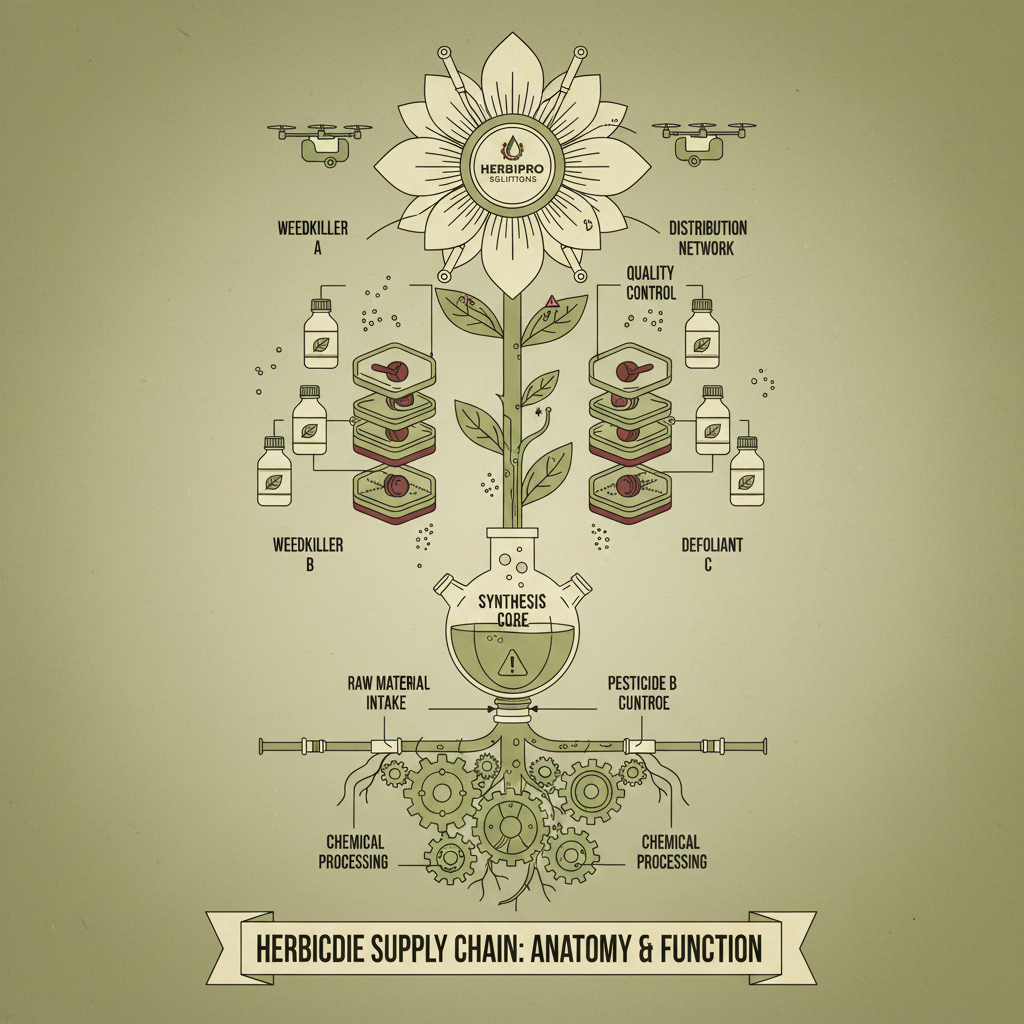
The Current Landscape of herbicides suppliers
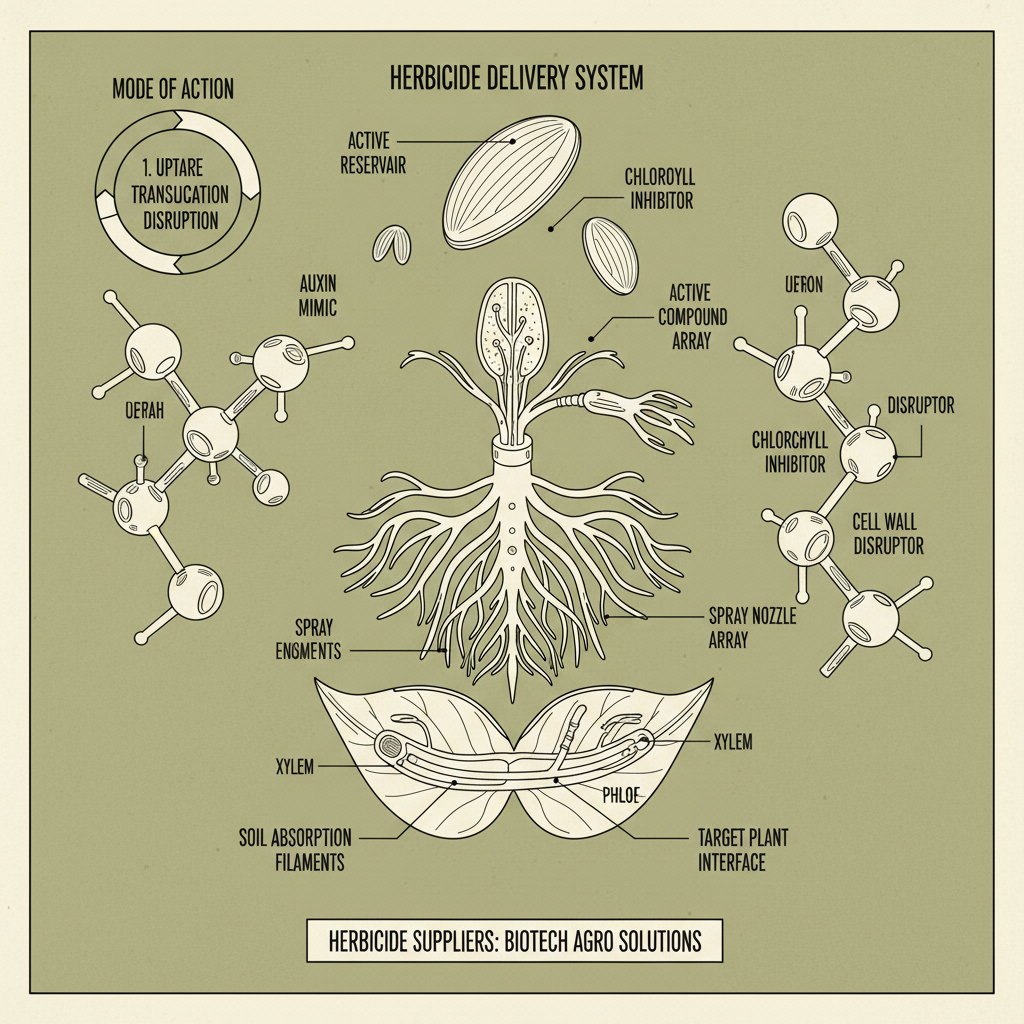
The demand for effective herbicides suppliers is skyrocketing, driven by the need for increased agricultural yields and efficient weed control. Globally, the market's estimated at, well, let's just say a lot of money. It's a competitive space, dominated by a few major players, but with plenty of room for niche suppliers focusing on specific formulations or regional needs. To be honest, the biggest trend I'm seeing is a shift towards more sustainable options – less harsh chemicals, more biological solutions. Farmers are getting pressure from consumers and regulators alike.
But sustainable doesn't always mean easy. You gotta balance efficacy with environmental impact, and that's a tricky equation. A lot of these bio-herbicides need very specific conditions to work, and they're often more expensive up front.
FAQS
Honestly, people think it’s all about fancy materials and high-tech gadgets. It’s not. It's about reliability and usability. A simple, well-designed sprayer that doesn't leak is worth more than a complicated, expensive one that breaks down after a week. Farmers need tools they can depend on, not headaches.
Crucially important. Farmers are carrying these things around all day, often in hot, humid conditions. Every pound matters. We're constantly looking for ways to reduce weight without sacrificing durability. Lighter materials, thinner walls, optimized designs… it all adds up.
The caps and nozzles. Always the caps and nozzles. They get dropped, stepped on, clogged with chemicals… They're the first thing to go. That's why we spend a lot of time testing different designs and materials. A good seal is absolutely essential.
They're definitely increasing the cost. Sustainable materials are often more expensive to produce, and they require different manufacturing processes. But we're seeing more demand for them, so we're willing to invest in research and development. It’s a long-term play.
We expose the materials to a wide range of herbicides and adjuvants, at different concentrations and temperatures. We monitor for swelling, cracking, discoloration, and any other signs of degradation. It's a long and tedious process, but it’s absolutely critical. We don't want to release a product that will dissolve in the field.
Absolutely. We can match almost any color you need. There’s usually a minimum order quantity, and it will add to the cost, but it’s definitely possible. Branding is important, and a custom color can help you stand out from the competition. Plus, some farmers just like a certain color! Don't underestimate the power of aesthetics.
Conclusion
Ultimately, building effective herbicides suppliers isn’t about chasing the latest trends or using the most expensive materials. It’s about understanding the needs of the people who actually use them, designing for real-world conditions, and prioritizing reliability and durability. It’s about paying attention to the little details – the caps, the nozzles, the labels – because those are the things that can make or break a product.
We’ll continue to innovate, to explore new materials and technologies, but we'll never lose sight of the fundamentals. Because, ultimately, whether this thing works or not, the worker will know the moment he tightens the screw.
Related Posts
-
Exploring the Versatile Applications of 30 Hydrogen Peroxide in Modern Industries
-
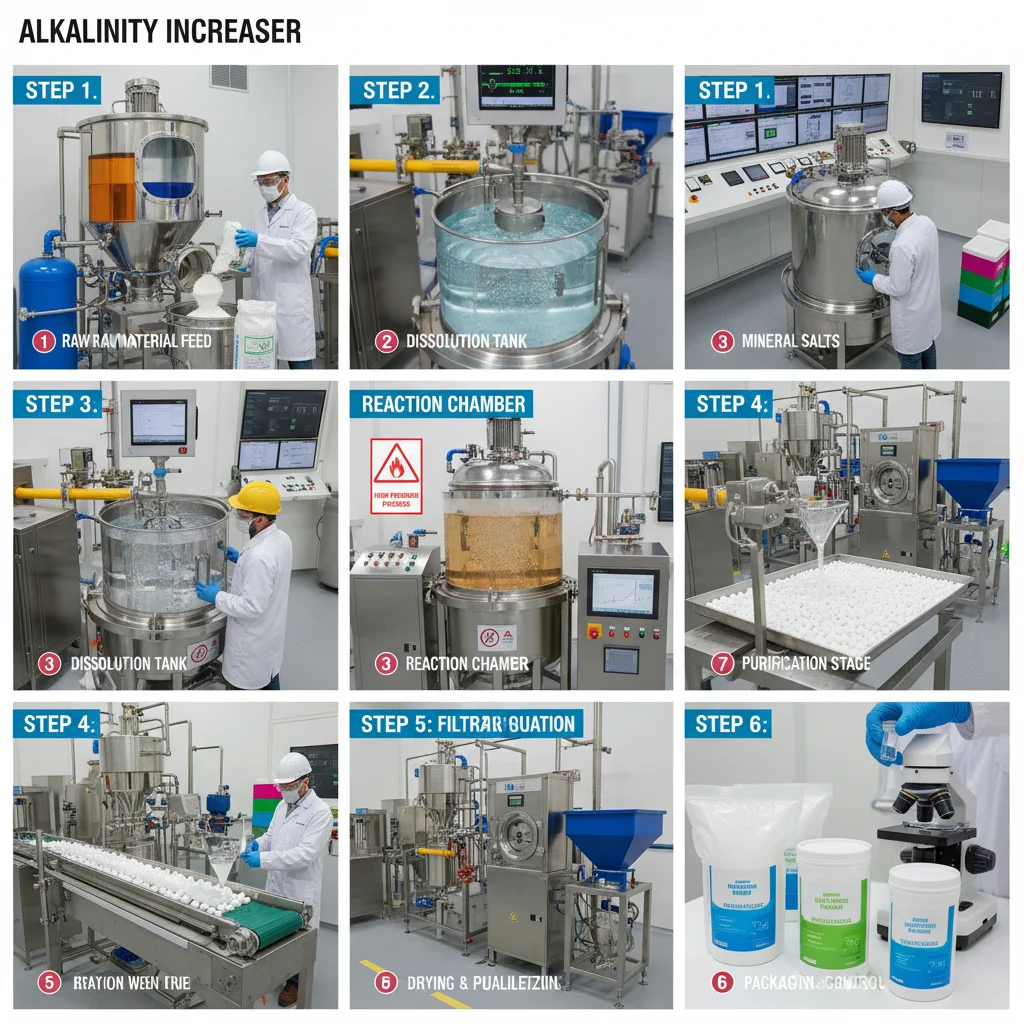
Optimizing Crop Yields with Effective Alkalinity Increaser Solutions
-
Navigating the Landscape of Modern Fungicides for Sale and Application
-
Comprehensive Insights into 4 Nitrobenzoic Acid Applications and Market Trends