Ultimate Guide to Choosing the Right Surface Disinfectant
The Ultimate Guide to Choosing the Right Surface Disinfectant
Maintaining a sterile environment is no longer just a preference—it is a necessity for health and safety across residential, commercial, and industrial sectors. Selecting an effective surface disinfectant ensures that harmful pathogens, including bacteria and viruses, are eliminated from high-touch areas. However, with so many chemical compositions on the market, understanding which product suits your specific surface and safety requirements is crucial. In this guide, we will explore the science of surface disinfection, compare different types of agents, and help you implement a professional hygiene protocol for your workspace.
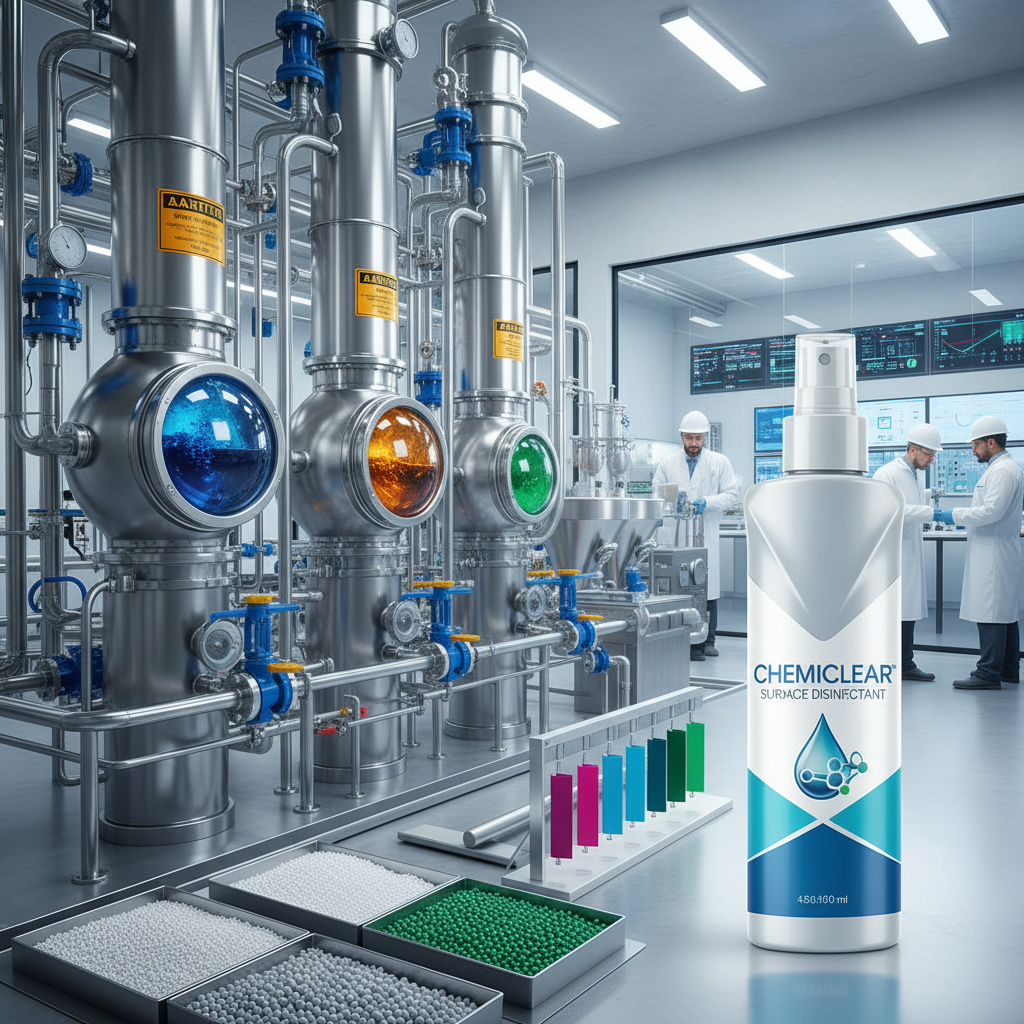
How a Surface Disinfectant Works Against Pathogens
A professional-grade surface disinfectant operates by attacking the structural integrity of microorganisms. Depending on the active ingredient, these products may dissolve the lipid membrane of an enveloped virus or denature the proteins within a bacterial cell. The effectiveness of the process depends heavily on contact time—the duration the surface remains wet. To achieve maximum efficacy, it is vital to follow the manufacturer's instructions and ensure the surface is pre-cleaned of organic debris, which can otherwise shield germs from the chemical agent.
Pro Tip: Always distinguish between "cleaning" (removing dirt) and "disinfecting" (killing germs). For the best results, clean the surface first, then apply your disinfectant.
Comparing Common Types of Surface Disinfectants
Not all disinfectants are created equal. Some are aggressive and fast-acting, while others are gentle and safer for food-contact surfaces. Choosing the wrong surface disinfectant can lead to material degradation—such as pitting in stainless steel or discoloration of plastics. To help you decide, we have compared the most common active ingredients based on their spectrum of activity and material compatibility.
Industrial Applications of Surface Disinfectants
In industrial settings, the scale of disinfection requires more than just a spray bottle. Food processing plants, pharmaceutical labs, and healthcare facilities rely on a systemic approach. A high-performance surface disinfectant in these sectors is often integrated into automated fogging systems or high-pressure washers. The goal is to eliminate biofilms—complex layers of bacteria that adhere to surfaces—which are highly resistant to standard cleaning. By implementing a rotational strategy (using different types of disinfectants periodically), facilities can prevent microorganisms from developing resistance.
Optimizing Surface Disinfectant Use for Cost-Efficiency
For businesses, balancing hygiene and budget is a constant challenge. Many companies over-apply chemicals, which not only wastes money but can also leave toxic residues. The key to optimization is using concentrated formulas that can be diluted on-site. By investing in precise dosing systems, you ensure that the surface disinfectant is used at the exact concentration required for the target pathogen, reducing waste and improving safety for the staff handling the chemicals.
Efficiency Checklist:
• Use microfiber cloths to reduce chemical volume
• Implement automated dosing pumps for consistency
• Schedule disinfection based on high-traffic data
• Train staff on precise "wet-time" requirements
Technical Specifications for Professional Disinfectants
When sourcing a surface disinfectant from a manufacturer, it is essential to review the technical data sheet (TDS) and the safety data sheet (SDS). These documents provide the chemical concentration, pH levels, and hazard classifications. A professional product should offer a balanced pH to prevent surface etching while maintaining a strong oxidative or caustic power to kill germs. Below are the typical specifications found in high-quality industrial disinfectants.
Conclusion: Enhancing Hygiene with Professional Solutions
Choosing the right surface disinfectant is a critical step in protecting people and preserving assets. By understanding the chemical differences between alcohols, quats, and oxidizers, and by respecting the importance of contact time and pre-cleaning, you can create a safe, sterile environment. Whether you are managing a household or a global manufacturing plant, the investment in quality disinfection pays off in reduced illness and prolonged equipment life. Trust in professional-grade formulas to keep your surfaces truly clean.
Frequently Asked Questions (FAQs)
Can I mix different surface disinfectants to make them stronger?
No, you should never mix different disinfectants. Mixing chemicals can lead to dangerous reactions. For example, mixing bleach (sodium hypochlorite) with ammonia or certain acids can create toxic chlorine gas, which is lethal if inhaled. Furthermore, mixing different active ingredients can neutralize each other, rendering the solution ineffective. Always use a single, approved surface disinfectant as per the manufacturer's instructions. If you need a broader spectrum of kill, use a rotational schedule instead of mixing.
What is the difference between a sanitizer and a disinfectant?
While often used interchangeably, they have different goals. A sanitizer reduces the number of microorganisms to a safe level (according to public health standards) but does not necessarily eliminate them all. A surface disinfectant is designed to destroy almost all bacteria, fungi, and viruses on a surface, including those that are more resistant. Sanitize for general maintenance; disinfect when there is a high risk of contamination or after a known exposure to pathogens.
How long should a surface stay wet for the disinfectant to work?
This is known as the "contact time" or "dwell time." It varies significantly by product. Alcohol-based disinfectants may work in 30 seconds, while some Quaternary Ammonium compounds require 5 to 10 minutes of wet contact to be fully effective against certain viruses. If the surface dries too quickly, the disinfection process is interrupted. To ensure the surface disinfectant works, you may need to re-apply the product or use a cloth to keep the area moist for the duration specified on the label.
Are surface disinfectants safe for all types of materials?
No, different chemicals react differently with materials. For instance, bleach is highly corrosive to stainless steel and can damage fabrics. High-concentration alcohols can degrade certain plastics and strip the finish off wood furniture. To prevent damage, always perform a "spot test" on an inconspicuous area of the surface. For sensitive equipment or high-end materials, choose a pH-neutral surface disinfectant specifically formulated for those substrates.