Comprehensive Guide to Superplasticizers in Concrete Technology
Understanding Superplasticizers: A Comprehensive Guide
In the world of concrete production and construction, achieving optimal concrete properties is paramount. One key ingredient in modern concrete mixes is the superplasticizer. These admixtures dramatically improve workability, strength, and durability. This article provides a detailed overview of superplasticizers, including their types, benefits, applications, and considerations for effective use. Understanding superplasticizers is crucial for anyone involved in concrete technology, from engineers to contractors. Let’s explore how these powerful additives are revolutionizing the construction industry.
What are Superplasticizers and How Do They Work?
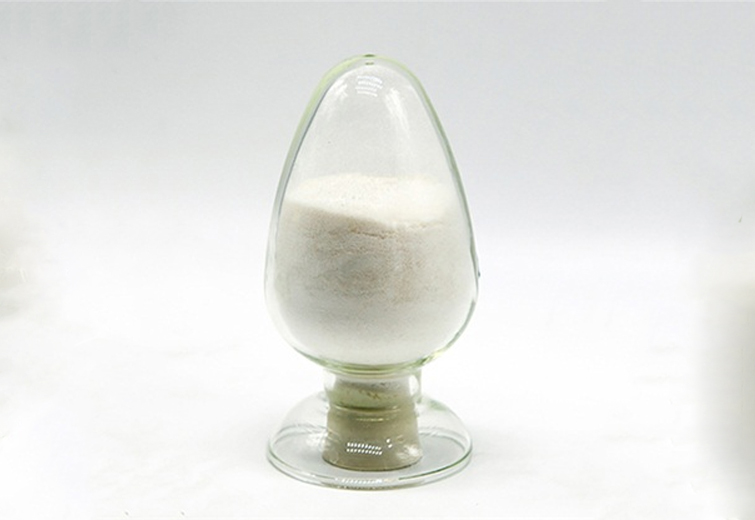
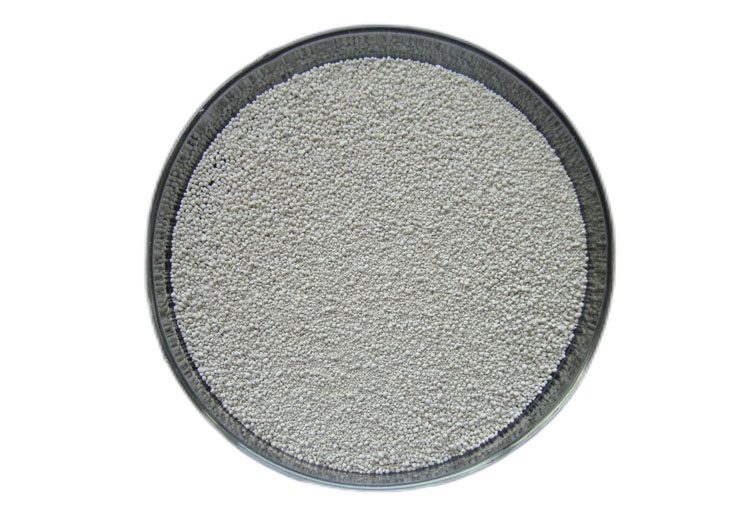
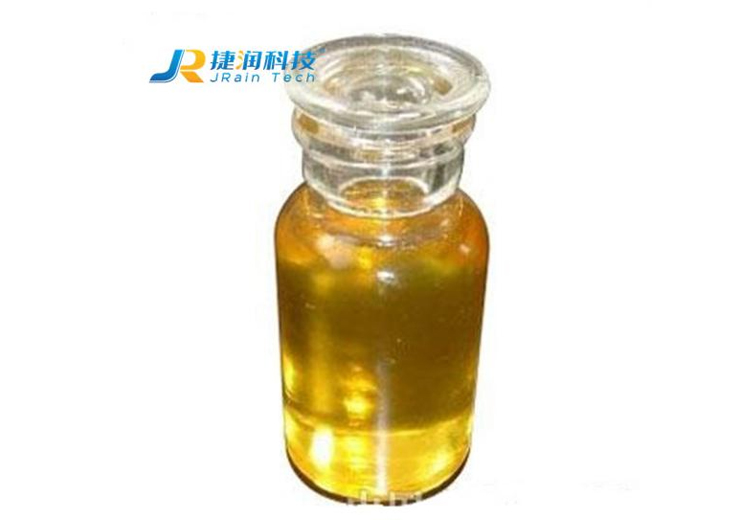
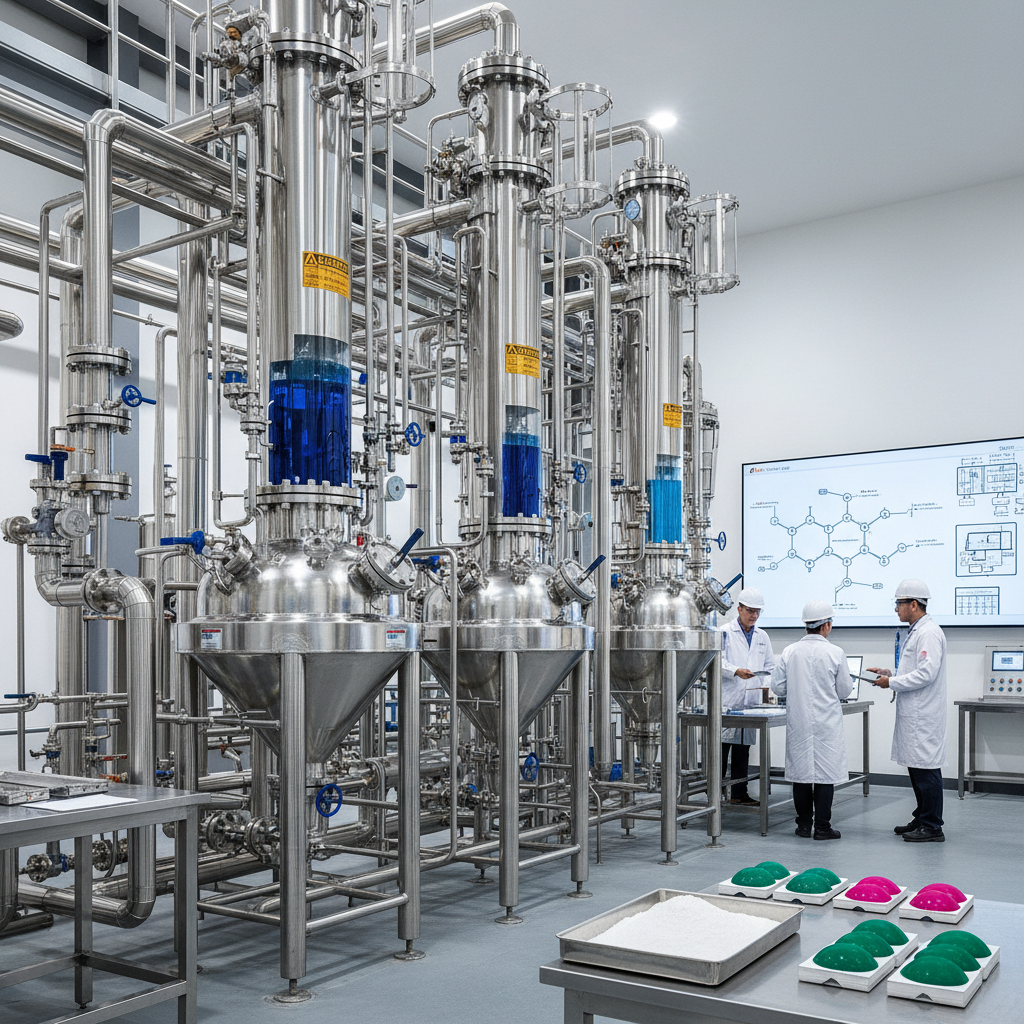
Superplasticizers, also known as high-range water reducers (HRWRs), are chemical admixtures added to concrete mixes to increase workability without increasing water content or to reduce water content while maintaining workability. They achieve this by dispersing cement particles, preventing them from clumping together. This dispersion allows for a more fluid concrete mix, enhancing its flowability and making it easier to place and consolidate. The result is concrete with increased strength, reduced permeability, and improved durability. Essentially, superplasticizers act as a lubricant at the cement particle level, unlocking the concrete’s full potential. HBJ Rain offers a wide range of superplasticizers tailored to different concrete applications.
Key Benefit: Increased workability allows for easier placement, reduced segregation, and better consolidation of concrete, resulting in a stronger, more durable structure.
Types of Superplasticizers
Several types of superplasticizers are available, each with unique characteristics and applications. The most common types include:
- Sulfonated Naphthalene Formaldehyde Condensates (SNF): These were among the first generation of superplasticizers, offering good water reduction but potentially affecting setting time.
- Sulfonated Melamine Formaldehyde Condensates (SMF): Similar to SNF, SMF provides water reduction but may have a slightly different impact on setting time.
- Polycarboxylate Ethers (PCE): PCEs represent the latest generation of superplasticizers. They offer superior water reduction, excellent workability retention, and compatibility with various cement types. PCEs are increasingly preferred for their performance and versatility.
- Lignosulfonates: Derived from wood, these are more economical but generally less effective than PCEs.
Benefits of Using Superplasticizers in Concrete
The benefits of incorporating superplasticizers into concrete mixes are substantial. These include:
- Increased Strength: Reduced water-cement ratio leads to a denser, stronger concrete.
- Improved Workability: Easier placement and consolidation, particularly in complex formwork.
- Reduced Water Content: Lower water demand without compromising workability.
- Enhanced Durability: Decreased permeability reduces the ingress of harmful substances.
- Faster Setting Time: Some superplasticizers can accelerate setting, speeding up construction.
- Cost Savings: Optimized concrete mix designs can reduce cement consumption.
Superplasticizer Comparison: PCE vs. Traditional Types
While all superplasticizers aim to improve concrete properties, their effectiveness varies significantly. Here’s a comparison between Polycarboxylate Ethers (PCEs) and traditional types:
Applications of Superplasticizers
Superplasticizers find application in a wide array of concrete projects, including:
- High-Strength Concrete: Essential for high-rise buildings and infrastructure.
- Self-Consolidating Concrete (SCC): Allows concrete to flow and fill forms without vibration.
- Precast Concrete: Improves mold filling and surface finish.
- Shotcrete: Enhances adhesion and reduces rebound.
- Repair Concrete: Improves bond to existing concrete.
Conclusion: The Future of Concrete is Superplasticized
Superplasticizers are indispensable components of modern concrete technology. They provide significant improvements in concrete properties, leading to stronger, more durable, and more sustainable structures. As construction demands continue to evolve, the role of superplasticizers will only become more crucial. Explore HBJ Rain's extensive range of superplasticizers to find the optimal solution for your next project.
Frequently Asked Questions (FAQs)
What is the optimal dosage of superplasticizer?
The optimal dosage of superplasticizer depends on several factors, including the type of cement, aggregate characteristics, desired workability, and environmental conditions. It's crucial to follow the manufacturer's recommendations as a starting point. Overdosing can lead to segregation and delayed setting, while underdosing may not achieve the desired water reduction. Trial mixes are essential to determine the ideal dosage for specific project requirements. Generally, dosages range from 0.5% to 3% by weight of cement. Consider consulting with concrete experts or utilizing specialized mix design software for accurate dosage determination.
Can superplasticizers be used with all types of cement?
While most superplasticizers are compatible with common cement types (Portland cement, blended cements), compatibility can vary. PCE-based superplasticizers generally exhibit broader compatibility than older-generation types. It’s essential to verify compatibility with the specific cement being used, especially with specialty cements like sulfate-resistant cement or low-heat cement. Always perform trial mixes to assess performance and ensure no adverse reactions occur. Refer to the superplasticizer's technical data sheet for compatibility information.
What are the storage requirements for superplasticizers?
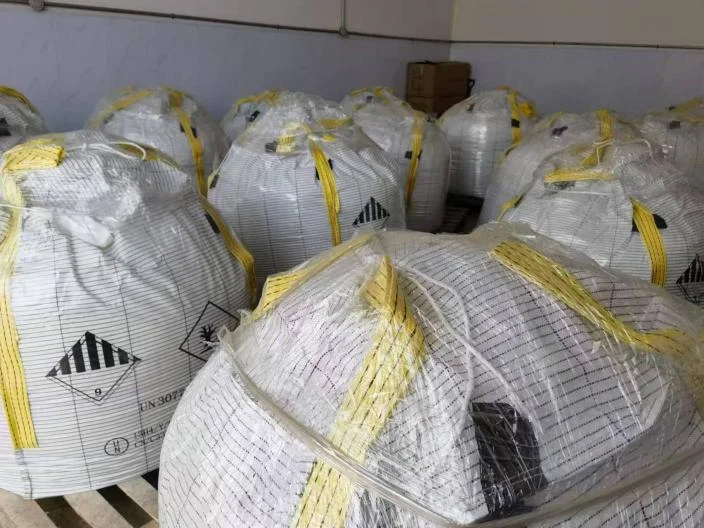
Proper storage is crucial to maintain the effectiveness of superplasticizers. They should be stored in a cool, dry, and well-ventilated area, away from direct sunlight and extreme temperatures. Keep containers tightly sealed to prevent contamination and moisture absorption. Avoid storing near incompatible materials like strong acids or bases. Most superplasticizers have a shelf life, so it’s important to check the manufacturer’s expiration date before use.
Do superplasticizers affect the long-term durability of concrete?
When used correctly, superplasticizers can significantly enhance the long-term durability of concrete. By reducing the water-cement ratio, they decrease permeability, making the concrete less susceptible to chloride ingress, sulfate attack, and freeze-thaw damage. However, improper dosage or incompatibility with cement can potentially lead to issues like efflorescence or alkali-silica reaction. Therefore, adhering to manufacturer’s guidelines and conducting thorough mix designs are essential to ensure optimal durability.