Comprehensive Guide to Sulphamic Acid Uses Properties and Industrial Applications
Sulphamic Acid: A Comprehensive Guide to Uses and Applications
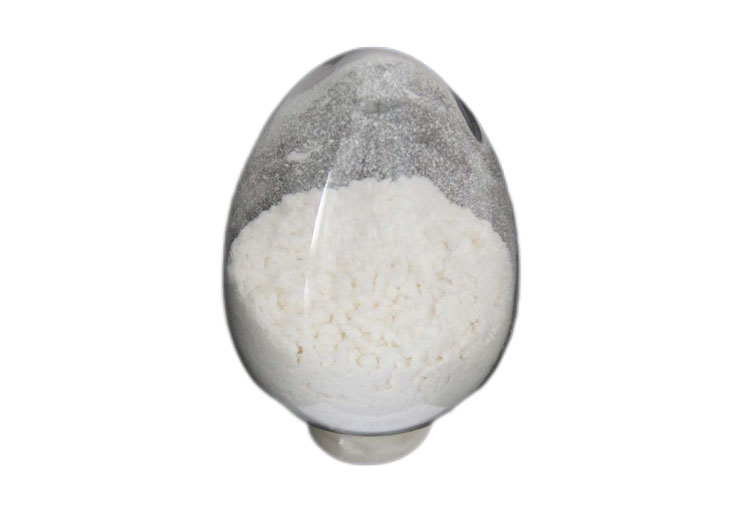
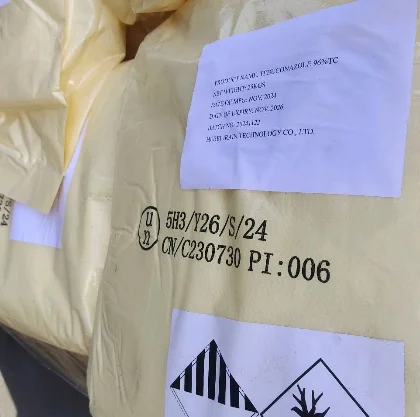
Sulphamic acid (H₃NSO₃) is a white, crystalline solid that is highly soluble in water. Its unique chemical properties make it a versatile compound with a broad range of applications across various industries. From cleaning and descaling to chemical synthesis and even food processing, sulphamic acid is a valuable ingredient. This article will provide an in-depth look into its properties, uses, safety considerations, and why HBJ Rain Chemical is a trusted supplier.
Understanding the Chemical Properties of Sulphamic Acid
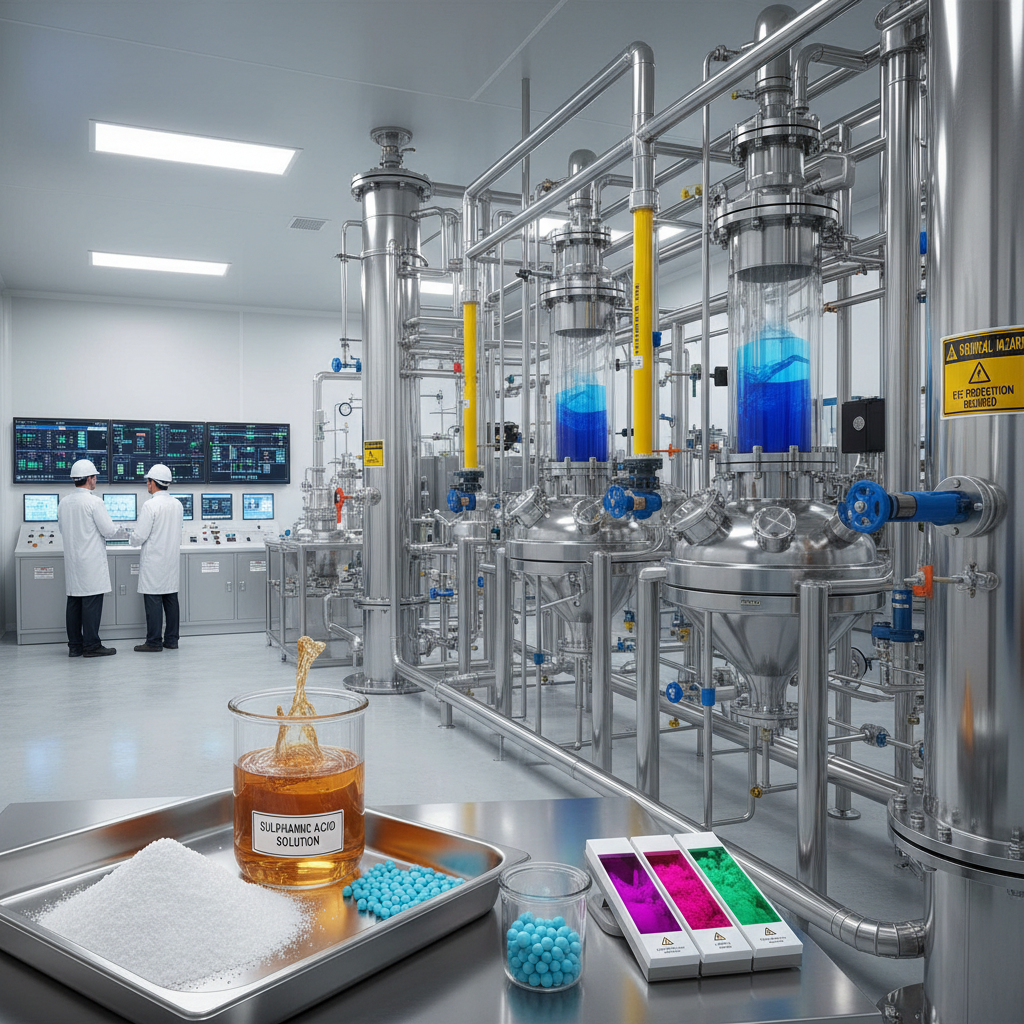
Sulphamic acid is a strong acid, though less corrosive than mineral acids like hydrochloric or sulfuric acid. This makes it safer to handle in many applications. It's a solid at room temperature, making it easier to measure and dispense compared to liquid acids. It exhibits excellent stability in dry form but readily dissolves in water, forming acidic solutions. Its acidity stems from the donation of a proton from the sulphamic group. The key properties contributing to its versatility include its solubility, non-volatility, and relatively low toxicity. HBJ Rain Chemical offers high-purity sulphamic acid to meet stringent industry demands.
Key Properties: Excellent solubility in water, non-volatile, relatively low toxicity, and a strong solid acid.
Applications of Sulphamic Acid Across Industries
The applications of sulphamic acid are remarkably diverse. It's widely used in cleaning formulations for removing scale from boilers, cooling towers, and other industrial equipment. It serves as a chemical intermediate in the production of sweeteners, herbicides, and pharmaceuticals. In the pulp and paper industry, it’s used in bleaching processes. Furthermore, it finds application as a disinfectant and sanitizer, even in some food processing contexts (following regulatory guidelines). Its ability to effectively remove rust and mineral deposits makes it invaluable in maintenance and repair operations.
Key Application Areas:
• Industrial Cleaning & Descaling
• Chemical Synthesis
• Pulp and Paper Bleaching
• Disinfectant & Sanitizer
Sulphamic Acid vs. Hydrochloric Acid: A Comparison for Cleaning Applications
When it comes to descaling and cleaning, sulphamic acid is often compared to hydrochloric acid (HCl). While both are effective, sulphamic acid offers several advantages. It’s significantly less corrosive, making it safer to handle and less damaging to the equipment being cleaned. It also produces less harmful fumes. Hydrochloric acid releases chlorine gas, which requires stringent ventilation. Sulphamic acid is biodegradable, offering a more environmentally friendly alternative. The following table summarizes the key differences:
Quality and Purity: Why Choose HBJ Rain Chemical for Your Sulphamic Acid Needs
When sourcing sulphamic acid, purity is paramount. Impurities can affect performance and introduce unwanted side effects. HBJ Rain Chemical specializes in providing high-purity sulphamic acid that meets rigorous quality control standards. We offer various grades to suit diverse application needs. Our commitment to consistent quality, reliable supply, and competitive pricing makes us a preferred partner for businesses across numerous sectors. We also provide comprehensive technical support to assist our clients in optimizing their processes.

Safety Considerations When Handling Sulphamic Acid
While sulphamic acid is relatively safe compared to some other acids, it's essential to handle it with caution. Avoid contact with skin and eyes. Wear appropriate personal protective equipment (PPE), including gloves, goggles, and a lab coat. In case of contact, rinse thoroughly with water. Ensure adequate ventilation when working with the powder form. Refer to the Safety Data Sheet (SDS) for detailed safety information. Proper storage in a cool, dry place is crucial to maintain its stability.
Conclusion: The Versatile Solution for Numerous Applications
Sulphamic acid's unique properties and diverse applications make it a crucial chemical compound across numerous industries. By choosing a reliable supplier like HBJ Rain Chemical, you ensure access to high-quality, consistent product and expert support. Embrace the benefits of this versatile solution while prioritizing safety and responsible handling.
Frequently Asked Questions (FAQs)
What are the primary uses of sulphamic acid in household cleaning?
Sulphamic acid is a potent and effective cleaning agent for household applications. It's frequently used to remove hard water stains, rust, and mineral deposits from surfaces like toilets, sinks, bathtubs, and tile. Its lower corrosivity compared to other acids makes it safer for use on porcelain and ceramic fixtures. It's also effective in cleaning coffee makers and removing limescale buildup. Always dilute according to the product instructions and avoid using it on sensitive materials like marble or natural stone. Proper ventilation is also recommended.
Is sulphamic acid environmentally friendly?
Compared to many other cleaning chemicals, sulphamic acid is considered more environmentally friendly. It's biodegradable, meaning it breaks down into less harmful substances over time. However, it's still important to handle and dispose of it responsibly. Avoid releasing it directly into waterways or sewage systems. Follow local regulations for proper disposal. Choosing a supplier committed to sustainable practices, like HBJ Rain Chemical, can further minimize environmental impact.
What concentration of sulphamic acid is typically used for descaling boilers?
The concentration of sulphamic acid used for descaling boilers typically ranges from 8% to 10% by weight. However, the exact concentration depends on the severity of the scale buildup and the boiler manufacturer's recommendations. It’s crucial to consult the boiler manual before proceeding with descaling. Always add the acid to water slowly and with agitation to prevent localized overheating and fumes. After descaling, thoroughly flush the boiler with clean water to remove any remaining acid residue.
How should I store sulphamic acid to maintain its quality?
To maintain the quality of sulphamic acid, store it in a cool, dry, and well-ventilated area. Keep it in its original, tightly sealed container to prevent moisture absorption and contamination. Avoid storing it near incompatible materials, such as strong bases or oxidizing agents. Protect it from direct sunlight and extreme temperatures. Proper storage will ensure its stability and effectiveness over time.