Comprehensive Guide to Sodium Laureth Sulfate SLES Applications and Safety Profiles
Understanding Sodium Laureth Sulfate (SLES): A Comprehensive Guide
Sodium Laureth Sulfate (SLES) is a widely used anionic surfactant found in numerous personal care and cleaning products. Its effectiveness as a foaming agent and emulsifier makes it a popular ingredient, but understanding its properties, applications, and safety profile is crucial. This article will provide a detailed overview of SLES, covering its production, uses, potential concerns, and comparisons to similar ingredients. We will explore why HBJ Rain provides high-quality SLES for diverse industrial applications. Choosing the right supplier and understanding the nuances of SLES can significantly impact product performance and consumer satisfaction.
What is Sodium Laureth Sulfate (SLES)?
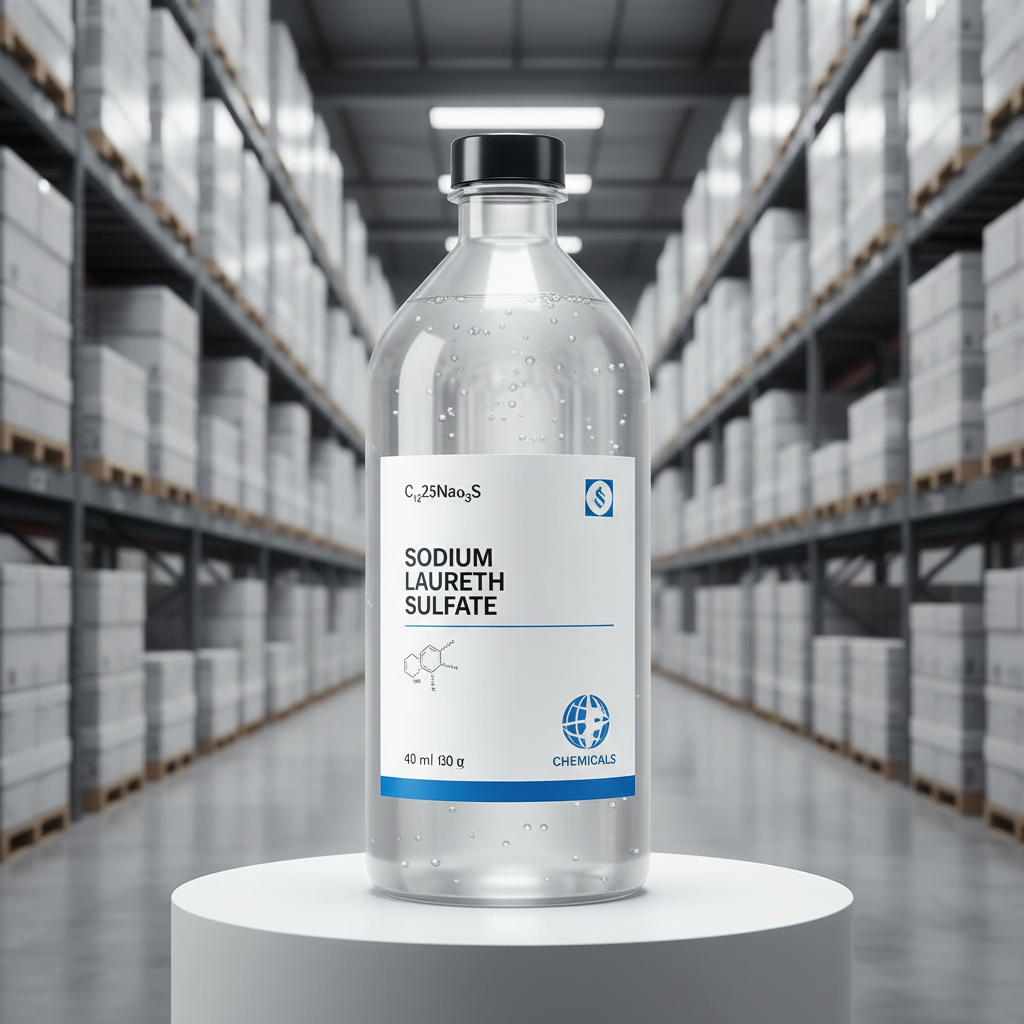
Sodium Laureth Sulfate (SLES), also known as Sodium Dodecyl Sulfate (SDS), is a synthetic organic compound. It's created through the ethoxylation of dodecyl alcohol, a fatty alcohol. This process involves adding ethylene oxide molecules to the alcohol, creating a milder surfactant than its related compound, Sodium Lauryl Sulfate (SLS). The ethoxylation process reduces the potential for skin irritation, making SLES more appealing for a wider range of applications. SLES is a clear, viscous liquid that is readily soluble in water. Its primary function is to reduce surface tension, allowing water to mix with oil and dirt, thus facilitating cleaning and foaming action.
Key Highlights: SLES is created through ethoxylation of dodecyl alcohol. It’s a clear, viscous liquid soluble in water. Its primary function is to reduce surface tension, creating foam and aiding in cleaning.
Applications of Sodium Laureth Sulfate (SLES)
SLES finds its way into a vast array of products, demonstrating its versatility. Some of the most common applications include: Shampoos and body washes – contributing to the rich lather and cleansing properties. Liquid detergents – effectively removing dirt and grease from fabrics. Bubble baths – creating copious amounts of bubbles for a luxurious experience. Cosmetics – acting as an emulsifier and foam booster in various formulations. Industrial Cleaners – utilized in formulations requiring strong cleaning and degreasing action. HBJ Rain offers SLES tailored to meet the specific needs of these diverse industries.
Key Applications:
• Shampoos and Body Washes
• Liquid Detergents
• Bubble Baths
• Industrial Cleaners
SLES vs. SLS: Understanding the Differences
While both Sodium Laureth Sulfate (SLES) and Sodium Lauryl Sulfate (SLS) are anionic surfactants, they differ significantly in their properties and potential for irritation. SLS is a harsher surfactant, known for its powerful cleaning ability but also its potential to strip the skin of natural oils, leading to dryness and irritation. SLES, as mentioned previously, undergoes ethoxylation, which makes it milder and less irritating. This difference makes SLES the preferred choice for many personal care products where gentler cleansing is desired. HBJ Rain carefully controls the ethoxylation process to ensure a consistently mild and effective SLES product.
Safety Considerations and Potential Concerns
While SLES is generally considered safe for use in cosmetic and cleaning products, some concerns have been raised regarding potential contamination with 1,4-dioxane, a byproduct of the ethoxylation process. However, reputable manufacturers like HBJ Rain employ stringent purification methods to minimize 1,4-dioxane levels to comply with regulatory standards. It's important to note that the levels found in SLES are typically very low and are considered safe by regulatory bodies. Properly formulated products containing SLES are unlikely to cause significant skin irritation in most individuals. Individuals with sensitive skin may still experience mild irritation and should perform a patch test before using products containing SLES.
Choosing a Reliable SLES Supplier: HBJ Rain
Selecting a reputable supplier of SLES is crucial for ensuring product quality and safety. HBJ Rain is committed to providing high-purity SLES, manufactured under strict quality control standards. We offer various grades of SLES to meet diverse industrial requirements, along with comprehensive technical support and reliable supply chain management. We prioritize sustainability and responsible manufacturing practices, ensuring our products meet the highest environmental standards. Our commitment to quality and customer satisfaction makes us a trusted partner for businesses across various industries.
Conclusion: The Versatility and Importance of Quality SLES
Sodium Laureth Sulfate (SLES) is a highly versatile surfactant with numerous applications in personal care and industrial cleaning products. By understanding its properties, safety profile, and sourcing a reliable supplier like HBJ Rain, you can ensure optimal product performance and consumer satisfaction.
Frequently Asked Questions (FAQs)
Is SLES biodegradable?
SLES is considered biodegradable, although the process can be relatively slow depending on environmental conditions. The biodegradation rate is influenced by factors such as temperature, pH, and the presence of microorganisms. However, it doesn’t readily degrade in cold environments. Modern wastewater treatment plants are generally effective at breaking down SLES, minimizing its environmental impact. Manufacturers are also actively exploring ways to enhance the biodegradability of SLES through modifications to the ethoxylation process.
What is the recommended storage for SLES?
SLES should be stored in a cool, dry, and well-ventilated area, away from direct sunlight and heat sources. It's essential to keep the container tightly closed to prevent contamination and moisture absorption. The ideal storage temperature is between 5°C and 30°C. Avoid storing SLES near strong oxidizing agents or incompatible materials. Proper storage helps maintain the quality and stability of the product over its shelf life.
What industries benefit the most from using HBJ Rain's SLES?
A diverse range of industries benefit from utilizing our SLES products. These include the personal care industry (shampoo, body wash, liquid soap manufacturers), the household cleaning industry (detergent, dish soap producers), the textile industry (for wetting and scouring agents), and various industrial cleaning applications. Our SLES is tailored to meet the specific requirements of each industry, ensuring optimal performance and cost-effectiveness.
Does HBJ Rain offer custom SLES formulations?
Yes, HBJ Rain offers custom SLES formulations to meet specific customer needs. We can adjust parameters such as the degree of ethoxylation, active matter content, and color to deliver a product perfectly suited to your application. Our team of technical experts can work closely with you to develop a tailored solution that optimizes performance and cost-efficiency.