Comprehensive Guide to Sodium Hydroxide Pellets Applications and Safe Handling
Sodium Hydroxide Pellets: A Comprehensive Guide
Sodium hydroxide pellets (NaOH), also known as caustic soda, are a versatile and essential chemical compound used across a broad spectrum of industries. From manufacturing to water treatment, and even in household applications, understanding the properties, applications, and safe handling of sodium hydroxide pellets is crucial. This article will provide a detailed overview, exploring its diverse uses, safety considerations, and why choosing a reliable supplier like HBJ Rain is paramount. We will delve into its chemical characteristics and provide guidance on proper storage and handling procedures.
Understanding Sodium Hydroxide Pellets
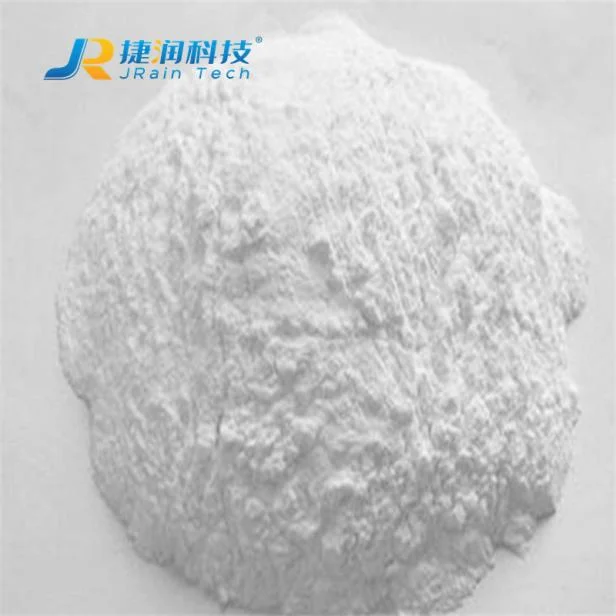
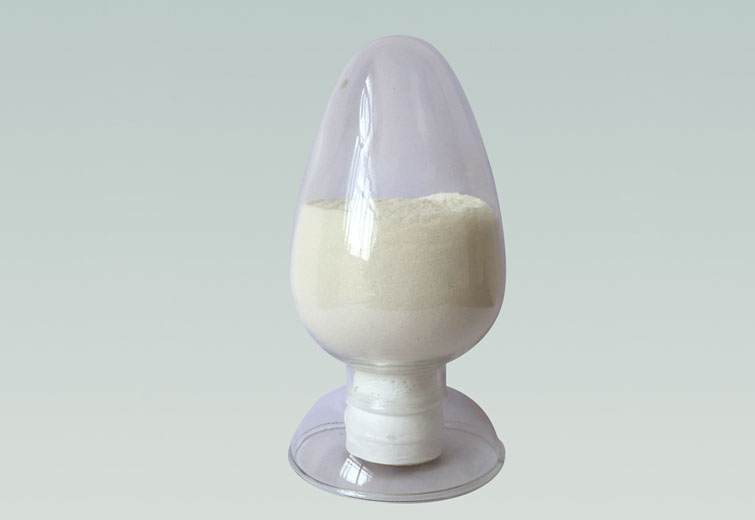
Sodium hydroxide pellets are a white, solid, highly alkaline chemical. They are hygroscopic, meaning they readily absorb moisture from the air. This absorption can cause the pellets to dissolve and release heat, so proper storage is vital. The pellets are typically 98-99% pure NaOH, with the remaining percentage consisting of water and minor impurities. Due to its highly caustic nature, it's essential to handle these pellets with extreme care, utilizing appropriate personal protective equipment (PPE). HBJ Rain provides high-quality sodium hydroxide pellets consistently meeting industry standards.
Key Highlights: Sodium hydroxide pellets are hygroscopic and require careful storage to prevent degradation. Always use appropriate PPE when handling and refer to the Material Safety Data Sheet (MSDS) for detailed safety information.
Key Applications of Sodium Hydroxide Pellets
The applications of sodium hydroxide pellets are incredibly diverse. In the pulp and paper industry, it’s used for delignification. In textile processing, it's employed for mercerization. The chemical also plays a crucial role in soap and detergent manufacturing, as well as the production of alumina from bauxite ore. Furthermore, it’s used extensively in water treatment for pH adjustment and heavy metal removal. Its ability to saponify fats makes it invaluable in cleaning agents. HBJ Rain's sodium hydroxide pellets are trusted by businesses across these industries.
Application Benefits:
• Efficient processing in various industrial applications
• Effective pH adjustment in water treatment
• Crucial component in manufacturing processes
• Versatile cleaning agent due to saponification properties
Sodium Hydroxide Pellets: Comparing Grades & Purity
Sodium hydroxide pellets are available in different grades, varying in purity and intended applications. Industrial grade typically contains 98-99% NaOH and is suitable for general applications. Technical grade offers a slightly lower purity level. Reagent grade, boasting >99.9% purity, is reserved for laboratory use requiring precise chemical reactions. The choice of grade depends on the specific requirements of the application. HBJ Rain provides a variety of grades to meet diverse customer needs.
Safety Considerations for Handling Sodium Hydroxide Pellets
Due to its corrosive nature, handling sodium hydroxide pellets requires strict adherence to safety protocols. Always wear appropriate PPE, including safety goggles, gloves, and a protective apron. Avoid contact with skin and eyes. In case of contact, immediately flush the affected area with copious amounts of water for at least 15 minutes and seek medical attention. Store the pellets in a tightly sealed container in a cool, dry, and well-ventilated area, away from acids and incompatible materials. Review the Material Safety Data Sheet (MSDS) before handling the product.
Product Specifications and Packaging Options
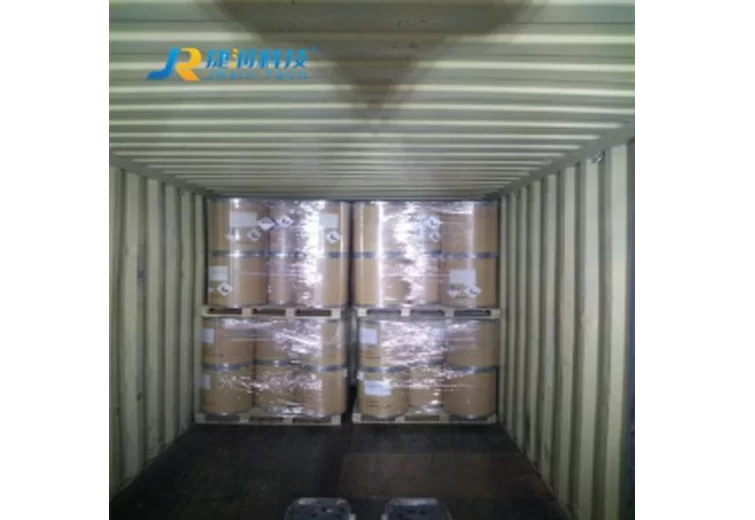
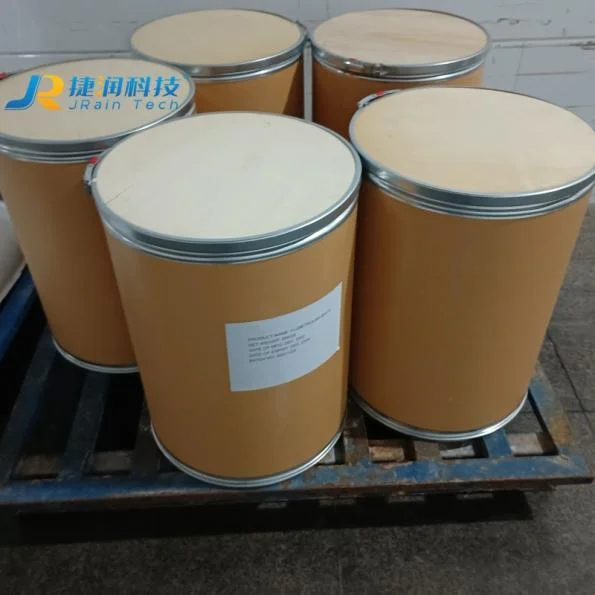
HBJ Rain offers sodium hydroxide pellets in various packaging options to meet diverse customer needs, including 25kg bags, 50kg drums, and 1000kg IBC totes. Our product specifications consistently meet or exceed industry standards, ensuring quality and reliability.
Conclusion: Partner with HBJ Rain for Reliable Sodium Hydroxide Supply
Choosing the right supplier for sodium hydroxide pellets is crucial for operational efficiency and safety. HBJ Rain offers high-quality products, reliable supply chains, and exceptional customer service. We are committed to meeting your specific needs and ensuring a seamless experience. Contact us today to discuss your requirements and discover how we can support your business.
Frequently Asked Questions (FAQs)
What are the proper storage conditions for sodium hydroxide pellets?
Sodium hydroxide pellets should be stored in a cool, dry, and well-ventilated area, away from direct sunlight and sources of heat. It is vital to keep the pellets in a tightly sealed, corrosion-resistant container to prevent moisture absorption and contamination. Incompatible materials, such as acids, metals, and organic compounds, should be kept separate. Proper storage prevents degradation and maintains product quality. Always consult the MSDS for detailed storage instructions.
What PPE is required when handling sodium hydroxide pellets?
Handling sodium hydroxide pellets necessitates comprehensive personal protective equipment (PPE). This includes chemical-resistant gloves, safety goggles or a face shield, and a protective apron or suit to prevent skin contact. In situations where dust may be generated, a respirator is recommended. Proper PPE safeguards against chemical burns and ensures worker safety. Review the MSDS for specific PPE recommendations based on the concentration and application.
What should I do in case of skin or eye contact with sodium hydroxide?
In the event of skin contact, immediately flush the affected area with copious amounts of water for at least 15-20 minutes, removing contaminated clothing. For eye contact, immediately flush with water for at least 15-20 minutes, lifting upper and lower eyelids occasionally. Seek immediate medical attention in both cases. Do not attempt to neutralize the chemical with acids, as this can generate heat and worsen the injury. Prompt and thorough rinsing is crucial to minimize damage.
Can sodium hydroxide pellets be used for drain cleaning?
While sodium hydroxide can dissolve organic matter and is sometimes used for drain cleaning, it should be used with extreme caution. It can react violently with other chemicals commonly found in drain cleaners, producing hazardous fumes. Furthermore, it can damage pipes, especially older ones. It is generally recommended to use commercially available drain cleaners specifically formulated for this purpose, following all safety instructions carefully. If using sodium hydroxide for drain cleaning, always wear appropriate PPE and ensure adequate ventilation.