Comprehensive Guide to Selecting the Best Solvent Cleaners for Industrial Applications
Choosing the Right Solvent Cleaners for Your Industrial Needs
In industrial settings, maintaining cleanliness and preparing surfaces for processes like painting, coating, or bonding is crucial. Solvent cleaners play a vital role in achieving this, effectively removing contaminants like oil, grease, dirt, and residue. However, with a diverse range of options available, selecting the appropriate solvent cleaner can be challenging. This article provides a comprehensive guide to understanding solvent cleaners, their types, applications, safety considerations, and how to choose the best solution for your specific needs. Ensuring optimal surface preparation translates directly to improved product quality and process efficiency.
Understanding the Different Types of Solvent Cleaners
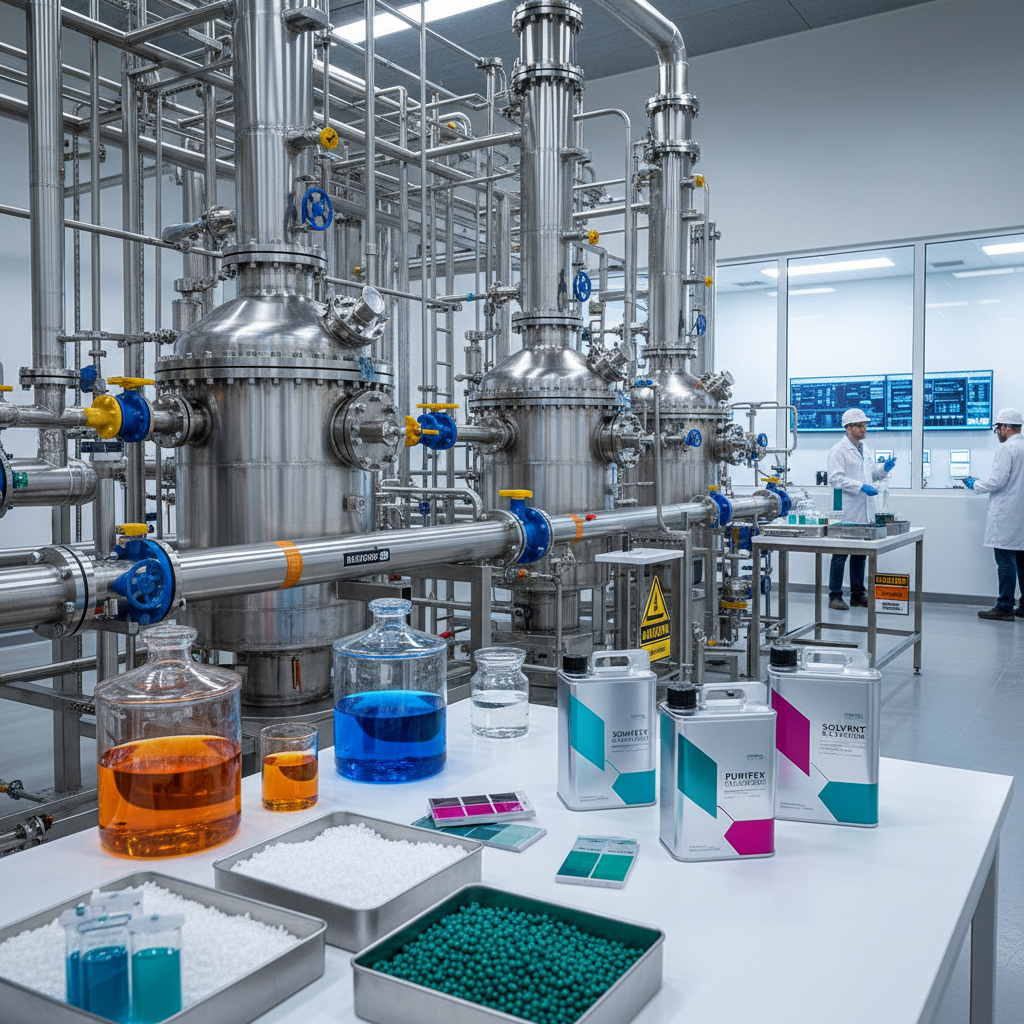
Solvent cleaners aren't a one-size-fits-all solution. They are categorized based on their chemical composition and cleaning power. Common types include chlorinated solvents (like trichloroethylene and methylene chloride), glycol ethers, alcohols (like isopropyl alcohol and ethanol), ketones (like acetone and methyl ethyl ketone), and hydrocarbons (like mineral spirits and naphtha). Each type has unique properties, advantages, and disadvantages. For instance, chlorinated solvents are powerful degreasers but pose environmental and health concerns. Alcohols are generally safer but less effective on heavy-duty grime. Selecting the right type depends on the specific contaminants you need to remove, the material being cleaned, and safety regulations.
Key Takeaway: Consider the nature of the contaminant, the substrate material, and safety regulations when choosing a solvent cleaner.
Applications of Solvent Cleaners Across Industries
The applications of solvent cleaners are incredibly diverse. In the automotive industry, they're used for degreasing engine parts and preparing surfaces for painting. In electronics manufacturing, they remove flux residue from circuit boards. Metalworking utilizes them for cleaning metal parts before welding or coating. Aerospace relies on them for cleaning aircraft components. Even in everyday applications, like removing adhesive residue or cleaning tools, solvent cleaners are essential. Each industry demands specific levels of cleaning power and adherence to stringent safety standards, influencing the selection of the appropriate solvent.
Industry-Specific Applications:
• Automotive: Degreasing, paint preparation.
• Electronics: Flux removal, component cleaning.
• Metalworking: Metal part cleaning, surface preparation.
• Aerospace: Aircraft component cleaning.
Comparing Common Solvent Cleaners: A Detailed Look
Choosing the right solvent cleaner requires a clear understanding of their respective strengths and weaknesses. Here's a comparison of some common types:
Safety Considerations When Using Solvent Cleaners
Safety is paramount when working with solvent cleaners. Many are flammable, volatile, and can pose health hazards upon inhalation or skin contact. Always work in a well-ventilated area, wear appropriate personal protective equipment (PPE) such as gloves, safety glasses, and respirators, and follow the manufacturer's safety data sheet (SDS) instructions. Proper storage and disposal are also crucial to prevent environmental contamination and accidents. Adhering to these safety guidelines is vital for protecting both personnel and the environment.
Choosing the Right Solvent Cleaner: A Step-by-Step Guide
To ensure you select the most effective and safe solvent cleaner, follow these steps: 1) Identify the contaminant you need to remove. 2) Determine the material you'll be cleaning. 3) Assess safety requirements and regulations. 4) Consider the evaporation rate needed for your process. 5) Evaluate the environmental impact of different options. HBJ Rain offers a wide range of high-quality solvent cleaners tailored to various industrial applications. Our experienced team can assist you in finding the perfect solution for your specific needs.
Conclusion: Optimizing Your Cleaning Processes with the Right Solvent
Selecting the right solvent cleaner is a critical step towards optimizing your industrial cleaning processes. By understanding the different types, their applications, and safety considerations, you can make informed decisions that improve efficiency, product quality, and workplace safety. Don't hesitate to consult with experts at HBJ Rain for personalized guidance and support.
Frequently Asked Questions (FAQs)
What are the environmental concerns associated with solvent cleaners?
Many traditional solvent cleaners contribute to air pollution through volatile organic compound (VOC) emissions. Some are also harmful to aquatic life if improperly disposed of. Increasingly, environmentally friendly alternatives like water-based cleaners and biodegradable solvents are available. Choosing these options can significantly reduce your environmental impact. Proper disposal practices, following local regulations, are crucial for minimizing harm to the environment. HBJ Rain offers a selection of environmentally responsible solvent cleaners to help you meet sustainability goals.
How do I determine the appropriate flash point for a solvent cleaner?
The flash point is the lowest temperature at which a liquid can form an ignitable mixture in air. A lower flash point indicates a higher flammability risk. Your choice of solvent should depend on the operating temperature and potential ignition sources in your workplace. If working near open flames or high temperatures, select a solvent with a higher flash point. Always consult the SDS for the flash point of the specific solvent and follow all fire safety precautions.
What is the role of a Safety Data Sheet (SDS)?
A Safety Data Sheet (SDS) is a crucial document that provides detailed information about a chemical substance, including its hazards, safe handling procedures, first aid measures, and disposal guidelines. It's essential to review the SDS before using any solvent cleaner. The SDS outlines potential health risks, flammability hazards, reactivity concerns, and required personal protective equipment (PPE). Manufacturers are legally required to provide an SDS for all hazardous chemicals.
Can solvent cleaners be used on all types of materials?
No, solvent cleaners are not universally compatible with all materials. Some solvents can damage plastics, rubber, or painted surfaces. Always test the solvent on a small, inconspicuous area before applying it to the entire surface. Check the solvent's compatibility chart (usually found on the SDS) to ensure it won't cause damage or discoloration. Using an incompatible solvent can lead to costly repairs or material failure.