Introduction
When evaluating the capabilities of modern fertilizer companies, procurement managers often struggle to balance raw chemical efficacy with the precision of the application equipment. The challenge lies in the integration of high-performance chemical agents with the machinery required for drying, filling, and distribution. Without this synergy, even the most potent plant growth regulators or fungicides may fail to reach their full biological potential due to poor formulation stability or imprecise dosage during the packaging phase.
This technical gap is particularly critical for those operating in the chemical raw materials sector, where the transition from a laboratory-grade chemical product to a field-ready agricultural input requires rigorous quality control. The relationship between the surfactant properties of the chemical agents—such as the foaming and stability provided by amphoteric surfactants—and the mechanical precision of the filling lines determines the ultimate ROI for the end-user. Inconsistent formulation often leads to precipitation or reduced detergency, especially in hard-water regions.
By analyzing the full chain of value, from molecular synthesis to the final filling equipment, stakeholders can optimize their supply chain for maximum efficiency. This guide explores how the integration of professional formulation and intelligent machinery allows fertilizer companies to safeguard crop yields while maintaining strict regulatory compliance across global markets.

The Role of Amphoteric Surfactants in Agrochemicals

In the production of fungicides, herbicides, and plant growth regulators, the choice of surfactant is pivotal. Lauryl Betaine, a high-performance amphoteric surfactant, is frequently utilized due to its exceptional foaming properties and mildness. Unlike traditional anionic surfactants, it reduces irritation potential while enhancing the stability of aqueous formulations, ensuring that active ingredients remain evenly distributed and effective during application.
Beyond mere stabilization, these agents provide essential functional benefits such as bactericidal activity and hard-water resistance. For fertilizer companies, this means the final product maintains its cleaning and foaming power regardless of the mineral content in the water used by the farmer, preventing the precipitation of active chemicals and ensuring consistent crop protection.
Technical Parameters for Formulation Stability
Achieving a stable chemical product requires strict adherence to molecular specifications. Lauryl Betaine, with a molecular weight of 271.45, serves as a critical foam booster and conditioner. Its amphoteric nature allows it to function across various pH levels, making it compatible with a wide range of pesticides and plant growth regulators without compromising the biological activity of the primary active ingredient.
The critical technical advantage of high-purity amphoteric agents lies in their ability to maintain high detergency and foam stability in hard water, effectively eliminating bacteria, including tuberculosis bacteria, while remaining non-irritating to the skin barrier.
Furthermore, the integration of these chemicals requires a specialized production environment. Hebei Jrain Technology Co., Ltd. leverages its expertise as a leading formulator to ensure that the transition from raw chemical materials to finished products preserves these sensitive molecular properties, utilizing professional technical teams to solve challenges posed by new crop diseases.
Value Creation Through Integrated Production Chains
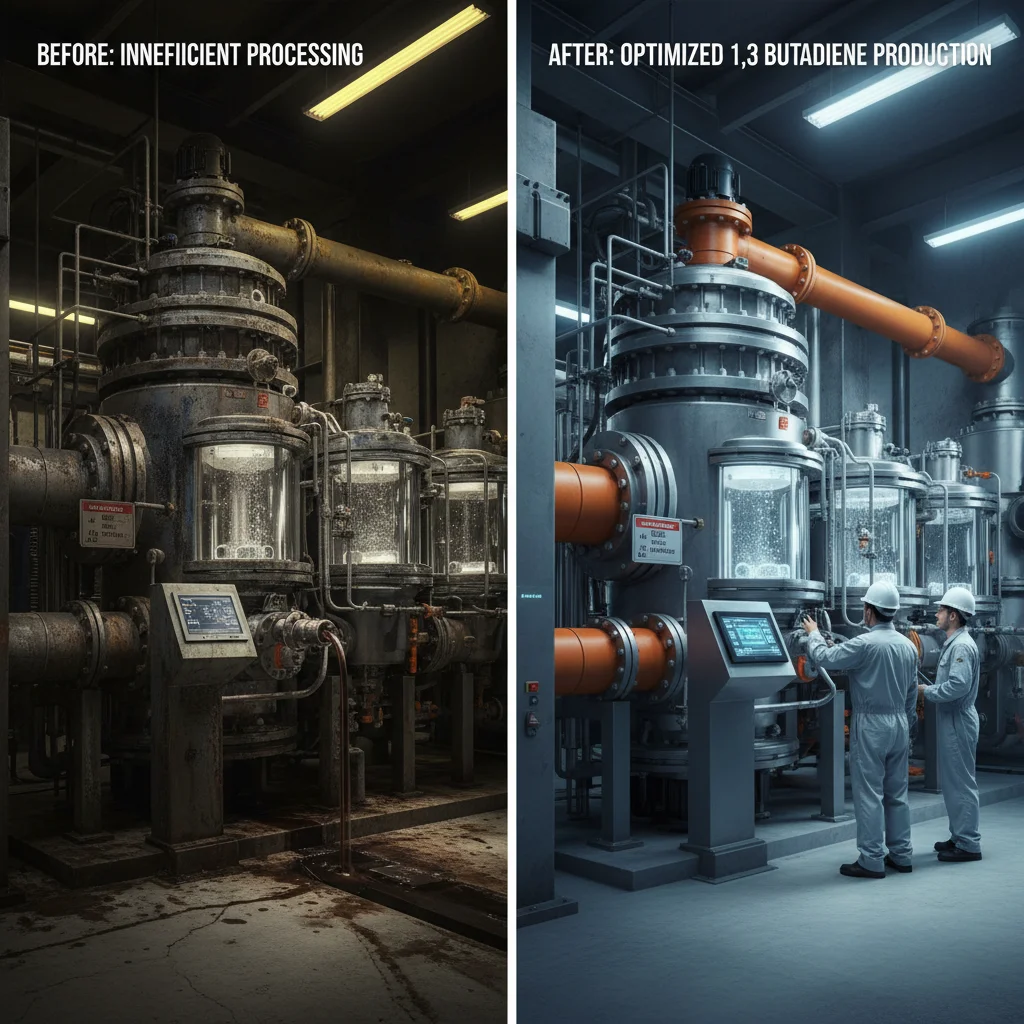
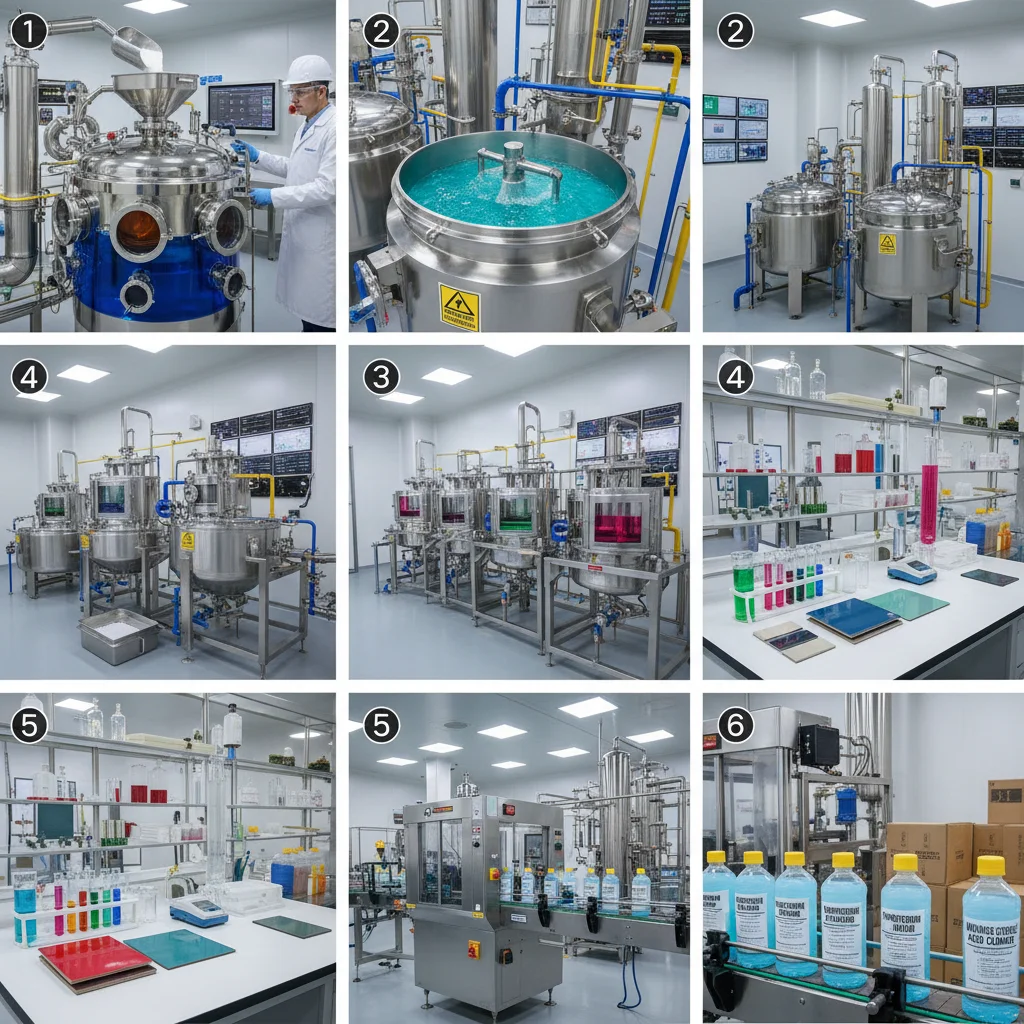
The value of an agrochemical product is not just in the formula, but in the "Full Chain Value" approach. This encompasses everything from the initial synthesis of the chemical product to the precision of the drying and filling equipment. When the production line is designed to handle specific viscosities and foaming characteristics, the waste of raw materials is minimized, and the consistency of each batch is guaranteed.
For buyers, the ROI is realized when a product offers multi-purpose utility. For instance, a single agent that provides both bactericidal efficacy and anti-static properties for textile processing adds versatility to a manufacturer's portfolio, reducing the need for multiple specialized chemicals and simplifying inventory management.
Performance Evaluation: Lauryl Betaine vs Standard Surfactants
Industrial Application Scenarios for Chemical Agents
The application of amphoteric surfactants extends far beyond simple agriculture. In the personal care sector, they are indispensable for manufacturing non-irritating shampoos and skincare products. In industrial settings, they serve as fiber softeners and anti-static agents for material processing, highlighting the versatility of these chemical raw materials across different manufacturing sectors.
Additionally, these agents are utilized as metal surface processing aids, enhancing the finish and treatment of industrial parts. This cross-industry utility allows chemical producers to stabilize their revenue streams by serving both the agricultural and industrial conditioning markets, provided they maintain strict adherence to international purity standards and SDS regulations.
Future Trends in Precision Agricultural Engineering
The future of the agrochemical industry is moving toward "precision intelligence." This involves the development of more targeted plant growth regulators that enhance yield without damaging the plant structure. The trend is shifting away from broad-spectrum chemicals toward specialized formulations that respond to specific environmental stressors, requiring more sophisticated formulation technology.
Simultaneously, the automation of filling and packaging is becoming a necessity. The ability to offer customer-exclusive production lines for different packaging specifications (from 10ml to 5000L) allows companies to respond rapidly to market demands and different regional regulatory requirements, such as ICAMA or GLP certifications.
A plausible direction is the integration of real-time stock tracking and custom synthesis, allowing manufacturers to adjust chemical specifications on the fly to meet unique industrial requirements, thereby reducing the environmental footprint and increasing the efficiency of chemical delivery worldwide.
Overcoming Integration Challenges in Chemical Filling
One of the primary challenges in the chemical industry is the incompatibility between high-foaming agents and standard filling machinery. Excessive foam during the filling process can lead to inaccurate volumes and packaging leaks. Solving this requires a coordinated approach where the chemical properties of the surfactant are matched with the mechanical settings of the filling equipment.
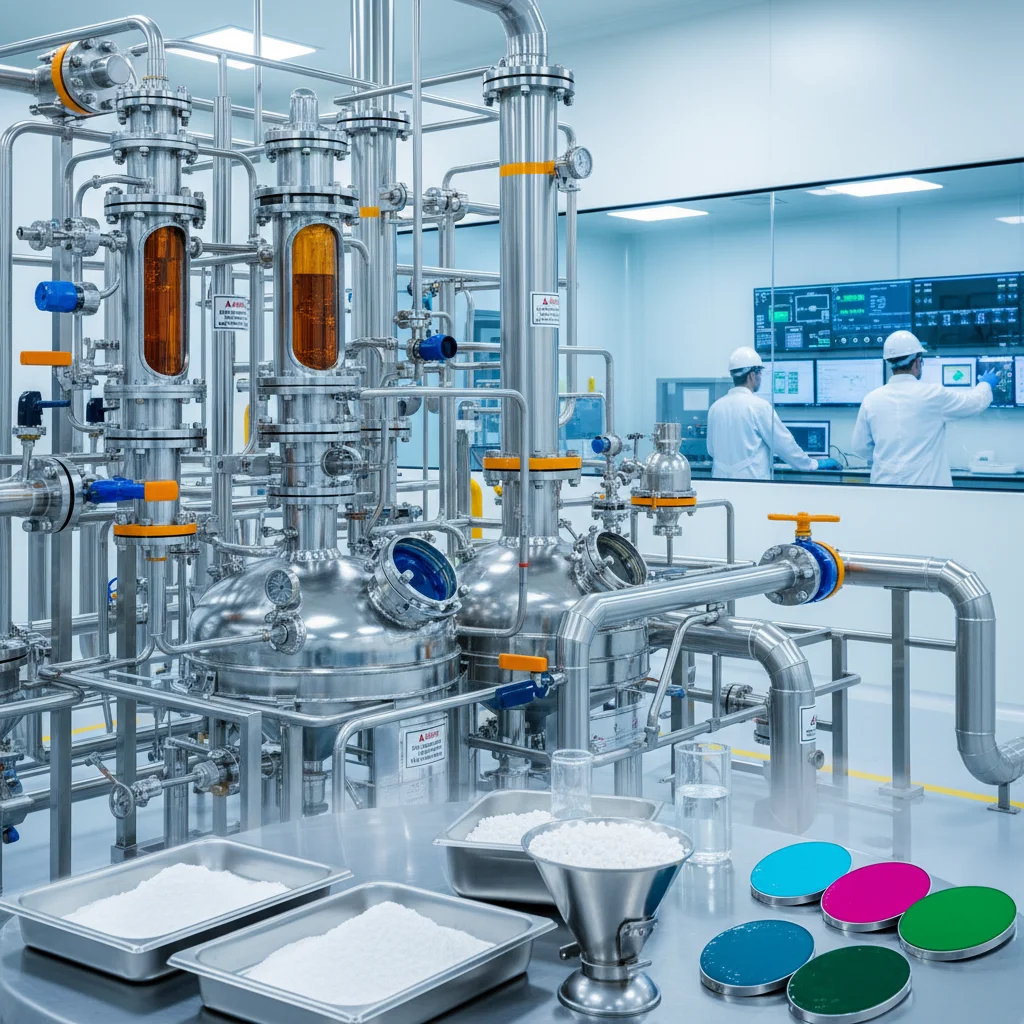
Another significant hurdle is maintaining purity during large-scale production. Strict molecular weight verification and quality control systems are essential to prevent contamination. Hebei Jrain Technology Co., Ltd. addresses this by providing a one-stop solution that integrates formulation expertise with the actual machinery used for powder and granulate drying.
By aligning the chemical nature of the product with the technical capability of the production line, manufacturers can avoid common pitfalls such as product precipitation or inconsistent texture, ensuring that the final agrochemical input delivers the promised biological activity in the field.
Surfactant Comparison for Industrial Applications
| Evaluation Metric | Standard Surfactants | Lauryl Betaine | Operational Impact |
|---|---|---|---|
| Foam Stability | Moderate | Excellent | Consistent Texture |
| Skin Irritation | Higher Risk | Very Low | Safe Handling |
| Hard Water Efficiency | Reduced | Highly Stable | Field Reliability |
| Functionality | Single Purpose | Multi-purpose | Portfolio Value |
| Biological Activity | Basic | Bactericidal | Enhanced Hygiene |
| Overall ROI | Basic | Premium | High Efficiency |
Frequently Asked Questions
Lauryl Betaine is an amphoteric surfactant, which means it possesses the ability to reduce the irritation potential of other anionic surfactants. This makes it an ideal ingredient for non-irritating shampoos and baby products, as it protects the skin barrier while providing effective cleaning and foaming properties.
It possesses excellent resistance to hard water, meaning it does not precipitate easily. This ensures that the product maintains its cleaning and foaming power regardless of the mineral content in the water, which is critical for agricultural applications in diverse geographic regions.
Yes, it can be used as a bactericide. It is capable of eliminating various bacteria, including tuberculosis bacteria, making it a valuable component for specialized hygienic cleaning agents and industrial disinfectants beyond its use in cosmetics.
It is widely utilized as a fiber softener in the textile industry, as an anti-static agent for various materials, and as a critical processing aid for metal surface treatments to enhance the final finish of parts.
Absolutely. Its conditioning properties help in making the hair soft and reducing tangles. This is why it is a staple ingredient in high-end hair-conditioning shampoos, providing a luxurious texture and superior stability in aqueous solutions.
It falls under the category of chemical products used in the manufacture of surfactants. It is often associated with the broader chemical raw materials sector and is frequently used as an additive in the pesticide and plant growth regulator industries.
Conclusion
The success of modern agricultural and industrial chemical production depends on the seamless integration of molecular science and mechanical precision. By utilizing high-performance amphoteric surfactants like Lauryl Betaine, fertilizer companies can ensure their products remain stable and effective across varied environmental conditions. When these formulations are paired with specialized drying and filling equipment, the result is a high-value supply chain that maximizes crop yield and operational efficiency.
For organizations seeking to optimize their production lines or enhance their chemical formulations, a holistic approach to the agricultural chemical chain is essential. Whether you require custom synthesis or a complete design for your production line, visiting www.hbjrain.com can provide the technical guidance and equipment solutions needed to define your standards with precision.