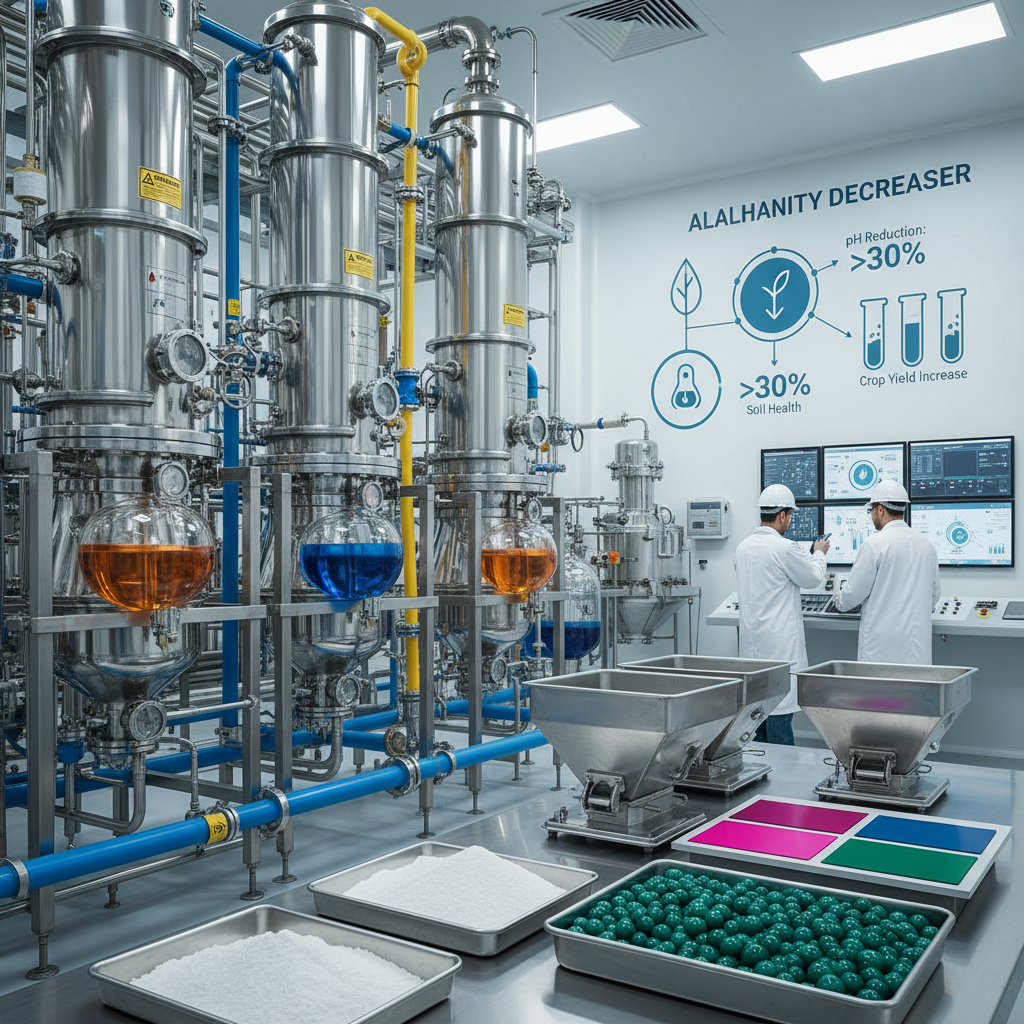
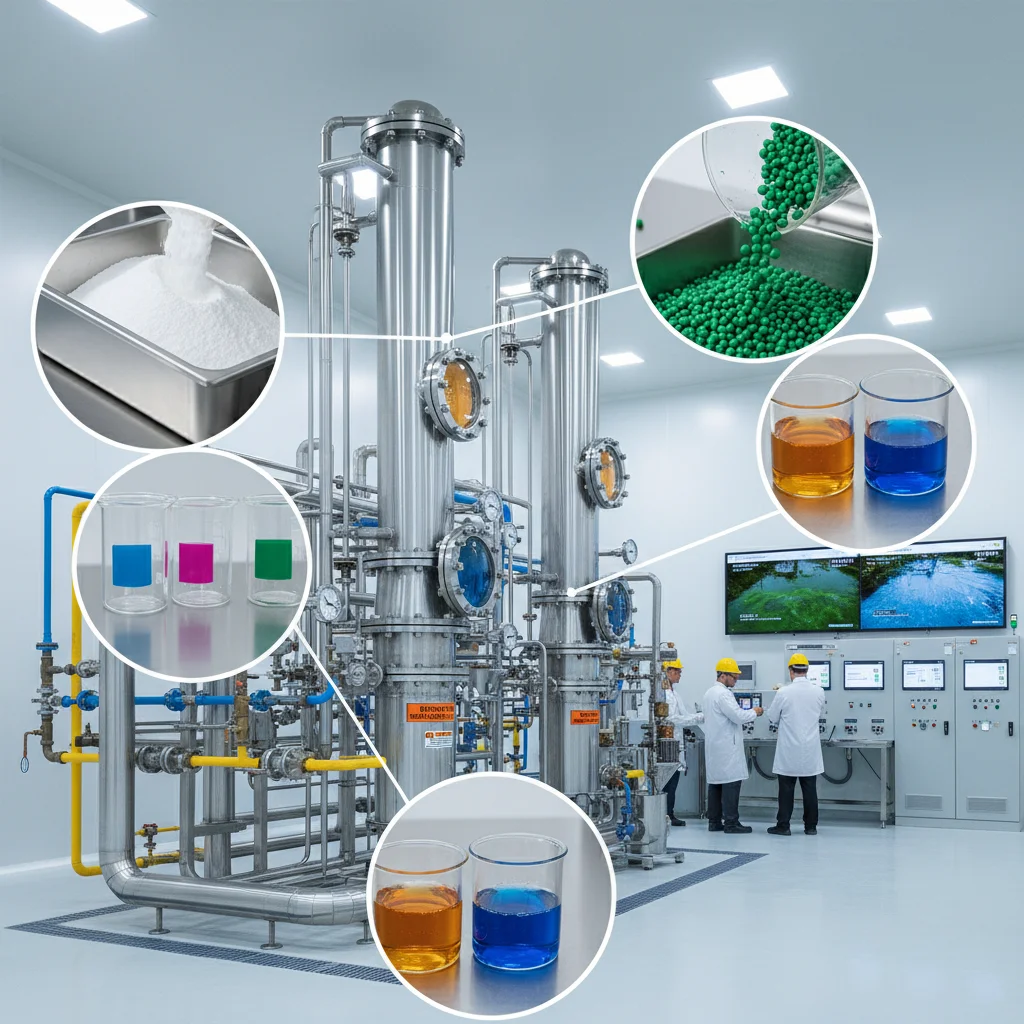
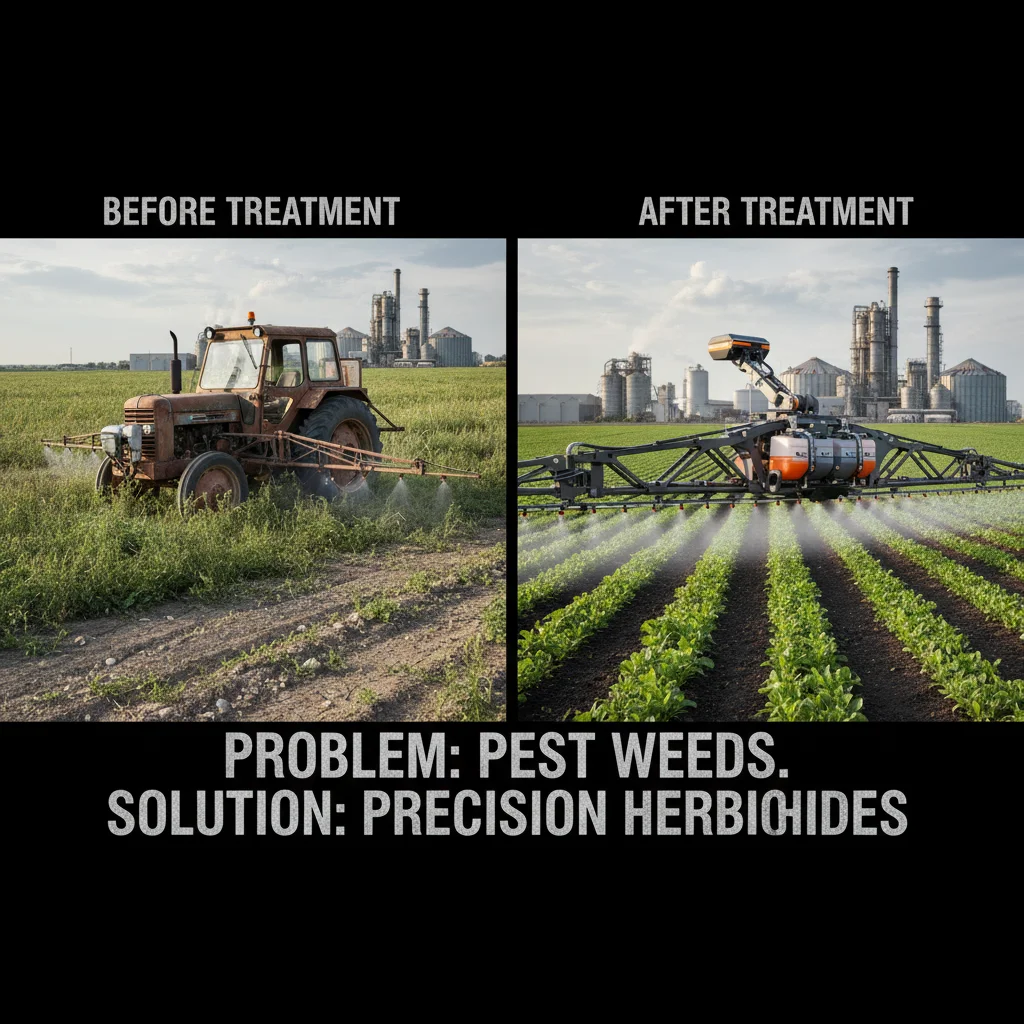
Alkalinity decreasers are vital components in maintaining optimal pH levels across a wide range of industrial applications, particularly within the agricultural chemical sector. Their ability to neutralize alkalinity in water and soil is paramount for the effectiveness of herbicides, fungicides, and plant growth regulators. Understanding the nuances of alkalinity decreasers is crucial for maximizing product performance and minimizing environmental impact. This knowledge directly impacts crop yields, resource efficiency, and sustainable agricultural practices.
Globally, the demand for efficient and environmentally responsible agricultural solutions is steadily increasing, driven by a growing population and the need for enhanced food security. Alkalinity in water sources and soil can significantly hinder the efficacy of agrochemicals, reducing their ability to control pests, diseases, and promote healthy plant growth. Addressing this issue with effective alkalinity decreasers is not merely a matter of operational efficiency; it’s becoming a core component of sustainable farming strategies.
The increasing focus on precision agriculture and tailored chemical applications further underscores the importance of precise pH control. Utilizing appropriate alkalinity decreasers ensures that agrochemicals are delivered in the most effective form, reducing waste, lowering costs, and minimizing the potential for environmental contamination. The continued innovation in alkalinity decreaser formulations directly supports these advancements.
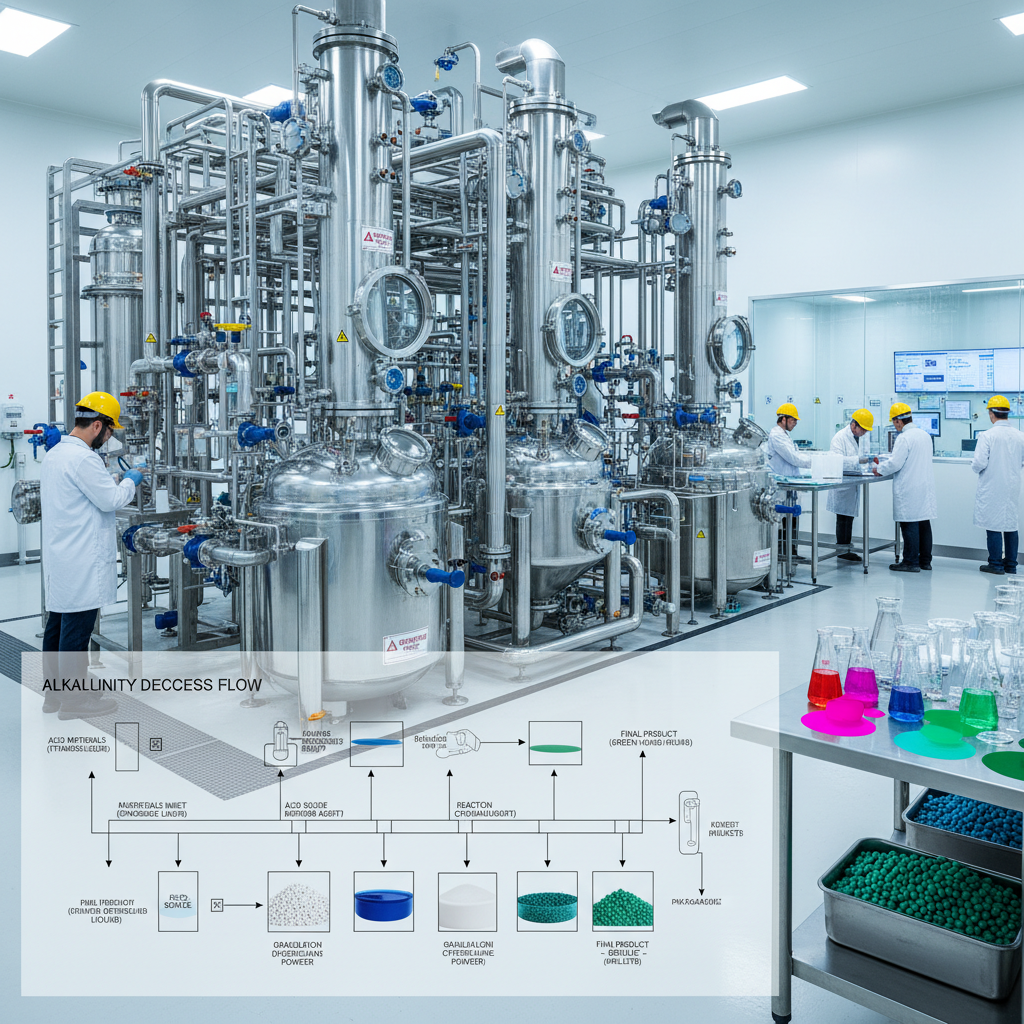
The Significance of Alkalinity Decreasers
Alkalinity decreasers play a critical role in ensuring the optimal performance of a broad spectrum of agricultural chemicals. Soil and water pH levels drastically influence the solubility, stability, and biological activity of herbicides, fungicides, and plant growth regulators. High alkalinity can render these products ineffective, leading to reduced crop yields and increased application costs. Therefore, using an effective alkalinity decreaser is not simply a preparatory step but a fundamental element of successful agrochemical applications.
The significance extends beyond effectiveness. Maintaining proper pH balance also minimizes the risk of phytotoxicity – damage to plants caused by excessive chemical concentrations. By neutralizing alkalinity, these products ensure that agrochemicals are available in their active form, contributing to sustainable agricultural practices and environmental protection.
Defining Alkalinity Decreasers: A Fundamental Overview
An alkalinity decreaser is a chemical compound specifically designed to reduce the pH of water or soil. While several substances can lower pH, commercially available alkalinity decreasers are formulated for agricultural use, often containing acids like citric acid, sulfuric acid, or specialized proprietary blends. The goal is to neutralize alkaline compounds (like calcium carbonate and magnesium carbonate) present in the environment, creating a more acidic environment.
This is particularly crucial in regions with hard water or alkaline soils, common in many agricultural areas globally. The efficacy of an alkalinity decreaser is determined by its strength (acid concentration), its buffering capacity (ability to resist pH changes), and its compatibility with other agrochemicals. Proper selection and application are essential to achieve the desired pH reduction without causing adverse effects.
The connection to modern industry and humanitarian needs lies in the necessity for efficient food production. As global food demands increase, optimizing agricultural inputs, including ensuring proper pH balance, becomes paramount. Alkalinity decreasers are integral to this process, contributing to higher yields, reduced chemical usage, and sustainable farming practices.
Key Factors Influencing Alkalinity Decreaser Effectiveness
Several key factors determine the effectiveness of an alkalinity decreaser. First, the concentration of active acid directly impacts its neutralizing capacity. Higher concentrations generally lead to faster and more significant pH reductions, but must be carefully managed to avoid over-acidification. Second, the buffering capacity of the solution is critical; it determines how well the decreaser can maintain a stable pH level despite the continuous presence of alkaline compounds.
Third, water hardness plays a vital role. Hard water contains high concentrations of calcium and magnesium ions, which consume acid and reduce the overall effectiveness of the decreaser. Fourth, soil type impacts the amount of alkalinity present and the rate at which the decreaser is absorbed. Finally, application method – whether via direct application to the soil, incorporation into spray tanks, or irrigation systems – influences the distribution and contact time of the decreaser with the alkaline source.
Understanding these factors is crucial for selecting the right alkalinity decreaser for a specific application. For instance, heavily buffered water may require a higher concentration of acid, while sandy soils with low organic matter content may need more frequent applications. Proper assessment and customized solutions are essential for maximizing efficiency and minimizing environmental impact. Compatibility with other agrochemicals must also be verified to prevent adverse reactions.
Effective alkalinity decreasers often incorporate additives to enhance their performance. These can include surfactants to improve wetting and penetration, chelating agents to bind with metal ions and reduce interference, and buffering agents to maintain pH stability. Furthermore, the formulation should be designed to minimize corrosion of application equipment and to be environmentally friendly, avoiding the introduction of harmful substances into the ecosystem.
Global Applications of Alkalinity Decreasers in Agrochemicals
Alkalinity decreasers find widespread application across various agricultural settings globally. In regions with naturally alkaline soils, such as parts of the Western United States, Australia, and the Middle East, they are essential for successful crop production. Farmers routinely use them to amend soil pH before planting, allowing for optimal nutrient uptake and herbicide effectiveness.
In irrigation systems, alkalinity decreasers are employed to prevent scale buildup in pipes and emitters, ensuring efficient water delivery. This is particularly important in areas using hard water for irrigation. Furthermore, they are frequently added to spray tanks alongside herbicides, fungicides, and insecticides to maintain the ideal pH range for product activity. This practice is prevalent in large-scale agricultural operations in South America and Asia.
Beyond broad-acre farming, alkalinity decreasers are utilized in specialty crop production, such as vineyards, orchards, and greenhouses, where precise pH control is critical for maximizing yield and quality. They are also used in post-harvest treatments to prevent spoilage and extend the shelf life of fruits and vegetables.
Alkalinity Decreaser Application Methods and Effectiveness
Advantages and Long-Term Value Proposition
The advantages of utilizing an effective alkalinity decreaser extend far beyond immediate performance gains. From a cost perspective, minimizing agrochemical waste and maximizing product efficacy translates into significant savings for farmers. Reduced application rates, coupled with improved crop yields, contribute to enhanced profitability.
Sustainability is another key benefit. By ensuring that agrochemicals are used efficiently, alkalinity decreasers help minimize environmental impact, reducing the risk of water contamination and soil degradation. This aligns with the growing global demand for responsible agricultural practices. The long-term value lies in maintaining healthy soils and protecting vital ecosystems.
Future Trends and Innovations in Alkalinity Control
The future of alkalinity control is focused on developing more precise and environmentally friendly solutions. Research is underway on bio-based alkalinity decreasers, derived from renewable resources, offering a sustainable alternative to traditional acid-based formulations. Furthermore, advancements in sensor technology are enabling real-time pH monitoring in soil and water, allowing for targeted and optimized application of decreasers.
Digital agriculture and precision farming are also driving innovation. Data-driven insights, combined with automated application systems, will enable farmers to tailor alkalinity control strategies to specific crop needs and environmental conditions. This will maximize efficiency, minimize waste, and contribute to sustainable agricultural practices.
Challenges and Solutions in Alkalinity Decreaser Implementation
Despite their benefits, the implementation of alkalinity decreasers presents certain challenges. One common issue is the risk of over-acidification, which can damage plant roots and disrupt soil microbial activity. Proper monitoring and careful application are crucial to avoid this. Another challenge is the potential for corrosion of application equipment, especially when using strong acids.
Solutions include using corrosion-resistant materials, incorporating inhibitors into the decreaser formulation, and implementing regular equipment maintenance. Additionally, educating farmers on proper application techniques and the importance of pH monitoring is essential. Developing formulations that are compatible with a wider range of agrochemicals also remains a key area for improvement.
Finally, the cost of alkalinity decreasers can be a barrier for some farmers. Developing more affordable and efficient formulations, coupled with government subsidies or financial incentives, can help promote wider adoption of these essential tools.
Summary of Alkalinity Decreaser Formulation Characteristics
| Formulation Type |
Acid Concentration (Rating 1-10) |
Environmental Impact (Rating 1-10) |
Cost-Effectiveness (Rating 1-10) |
| Citric Acid Based |
6 |
9 |
7 |
| Sulfuric Acid Based |
9 |
4 |
8 |
| Proprietary Blend A |
7 |
7 |
6 |
| Bio-Based Formulation |
5 |
10 |
5 |
| Polycarboxylic Acid Blend |
8 |
8 |
7 |
| Phosphoric Acid Solution |
7 |
6 |
6 |
FAQS
Most herbicides perform optimally within a pH range of 5.5 to 7.5. Outside this range, their solubility decreases, and they can become bound to soil particles, reducing their availability to target weeds. Alkalinity decreasers help to adjust the pH to this ideal range, maximizing herbicide efficacy and minimizing the need for repeated applications. Proper pH control contributes to cost savings and reduced environmental impact.
While generally compatible, it's crucial to verify the compatibility of specific alkalinity decreasers with your irrigation system materials. Some formulations can be corrosive to certain metals or plastics. Consider using corrosion-resistant systems or selecting formulations designed for irrigation applications. Always follow the manufacturer's instructions and conduct a small-scale test before full-scale implementation.
The frequency of application depends on several factors, including the initial pH level, soil type, water hardness, and rainfall. Regular soil testing is essential to monitor pH levels and determine the appropriate application schedule. Generally, applications are needed before planting, during periods of high alkalinity, or when using alkaline irrigation water. Following manufacturer's guidelines is also recommended.
Alkalinity decreasers are often acidic and can cause skin and eye irritation. Always wear appropriate personal protective equipment (PPE), including gloves, goggles, and a face shield, when handling these products. Avoid contact with skin and eyes, and in case of contact, rinse thoroughly with water. Store products in a cool, dry, well-ventilated area, away from children and incompatible materials.
Yes, research and development efforts are focused on bio-based alkalinity decreasers derived from renewable sources, such as citric acid or other organic acids. These alternatives offer a more sustainable option with reduced environmental impact. While they may have different application rates or effectiveness compared to traditional acids, they are gaining popularity as environmentally conscious farming practices increase.
High alkalinity can reduce the efficacy of certain fungicides by promoting their hydrolysis or degradation. This means the active ingredient breaks down more quickly, reducing its ability to control fungal diseases. Alkalinity decreasers help maintain the optimal pH for fungicide stability and activity, ensuring they remain effective for longer periods and provide adequate disease control.
Conclusion
In conclusion, alkalinity decreasers are indispensable tools for optimizing agricultural chemical performance, promoting sustainable farming practices, and enhancing crop yields. Their ability to neutralize alkalinity in water and soil is critical for ensuring the efficacy of herbicides, fungicides, and plant growth regulators. Understanding the factors influencing their effectiveness, adopting appropriate application techniques, and embracing emerging innovations are vital for maximizing their benefits.
Looking ahead, the continued development of bio-based alternatives, coupled with advancements in precision agriculture technologies, will further solidify the role of alkalinity decreasers in creating a more efficient, sustainable, and resilient food system. We encourage you to explore our range of high-quality alkalinity decreasers and contact our expert team to find the optimal solution for your specific needs. Visit our website: www.hbjrain.com