Solomon Insecticide A Comprehensive Guide for Effective Pest Management
Solomon Insecticide: A Comprehensive Guide to Effective Pest Control
Protecting crops and maintaining healthy environments relies heavily on effective pest control. Solomon insecticide is a leading solution, renowned for its broad-spectrum efficacy and targeted action. This article explores the benefits, applications, and safety considerations surrounding Solomon insecticide, providing a detailed overview for agricultural professionals, homeowners, and anyone seeking reliable pest management. Choosing the right insecticide is crucial for maximizing yields and minimizing environmental impact, and Solomon insecticide offers a compelling combination of power and responsibility.
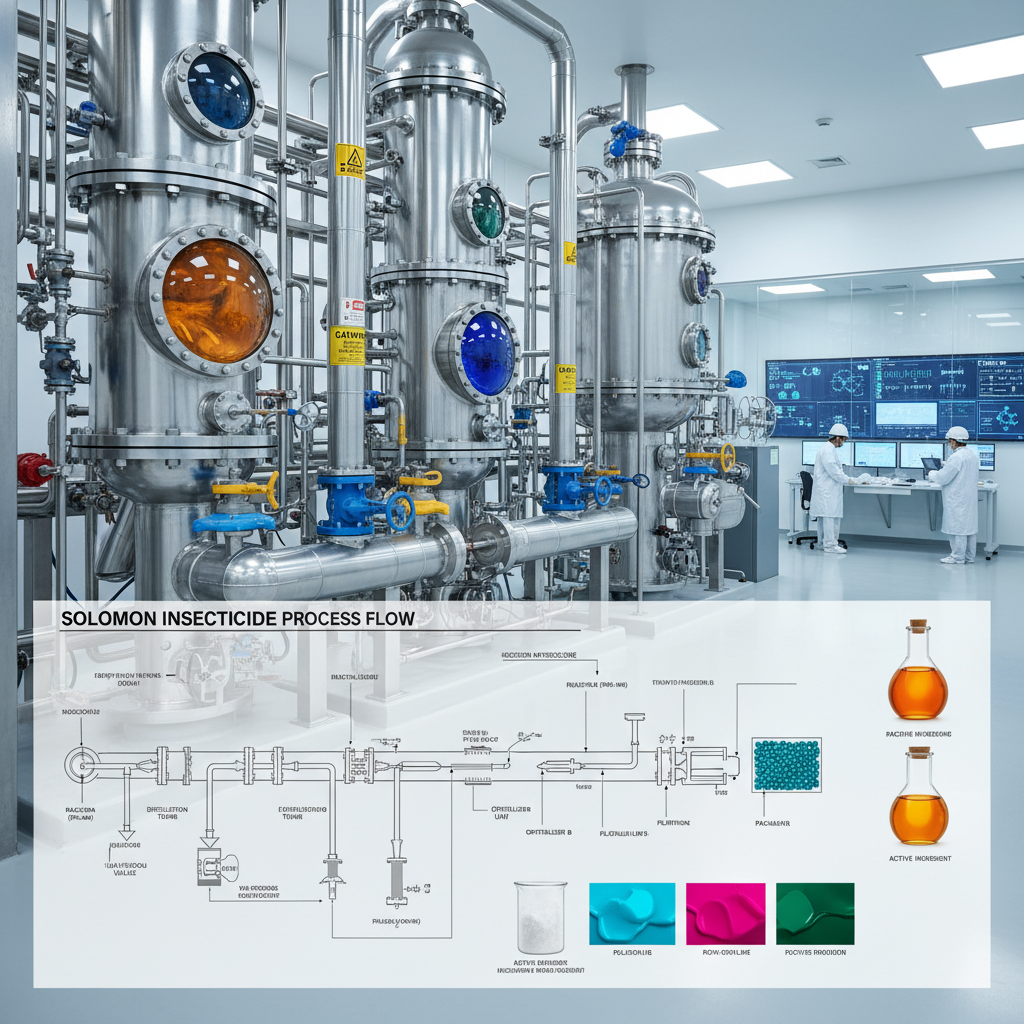
Understanding Solomon Insecticide’s Active Ingredients
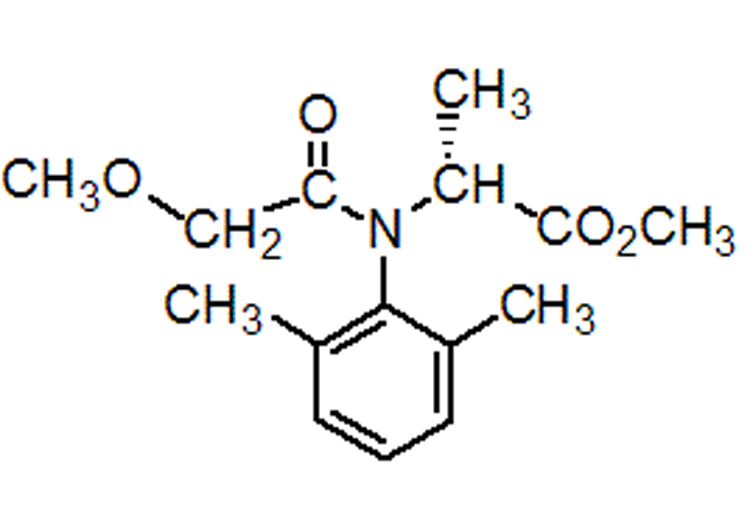
Solomon insecticide boasts a carefully formulated composition, typically containing active ingredients like Imidacloprid or Acetamiprid, chosen for their effectiveness against a wide range of pests. These neonicotinoid compounds act on the central nervous system of insects, causing paralysis and ultimately, death. The specific formulation of Solomon insecticide can vary depending on the target pest and application method. The concentration of active ingredients is carefully balanced to maximize efficacy while minimizing risks to non-target organisms. Understanding the active ingredients is vital for responsible application and achieving optimal results. HBJ Rain offers detailed product specifications and formulations.
Key Highlights: Solomon insecticide’s formulation combines potent active ingredients with stabilizers and surfactants to enhance performance and ensure consistent results.
Target Pests and Application Areas
Solomon insecticide is effective against a broad spectrum of pests, including aphids, thrips, whiteflies, leafhoppers, and various caterpillars. It finds extensive application in agriculture, protecting crops like vegetables, fruits, cereals, and cotton. It's also commonly used in horticulture, nurseries, and even residential gardens to control infestations. The versatility of Solomon insecticide makes it a valuable tool for integrated pest management programs. Proper identification of the target pest is crucial for selecting the appropriate application rate and method.
Target Pest Examples:
• Aphids
• Thrips
• Whiteflies
• Caterpillars
Solomon Insecticide: A Comparative Analysis
When compared to other insecticides, Solomon insecticide offers several advantages. Its systemic action means it’s absorbed by the plant, providing protection from pests feeding on both the surface and within the plant tissues. This contrasts with contact insecticides which only kill pests upon direct contact. Furthermore, Solomon insecticide generally exhibits lower toxicity to beneficial insects when used according to label instructions. It also displays good residual activity, offering prolonged pest control. HBJ Rain's formulation maximizes these benefits.
Safe Handling and Application Guidelines
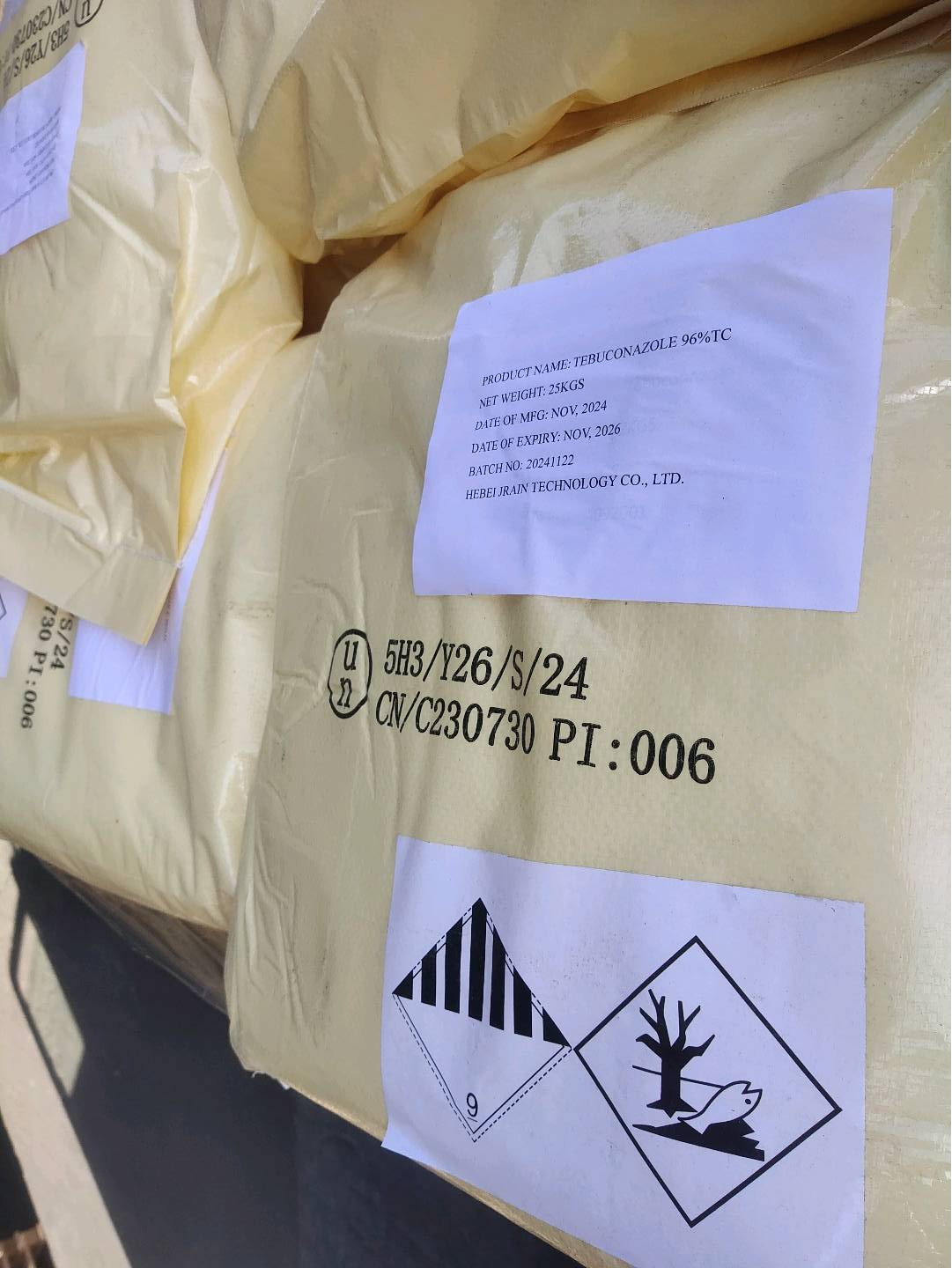
Responsible use of Solomon insecticide is paramount. Always read and follow the label instructions carefully. Wear appropriate personal protective equipment (PPE), including gloves, eye protection, and a mask. Avoid contact with skin and eyes. Do not apply near waterways or during windy conditions. Store the product in a secure, dry location out of reach of children and animals. Proper disposal of containers is also essential, following local regulations. HBJ Rain provides comprehensive safety data sheets (SDS) and training resources.

Product Specifications & Formulation Details
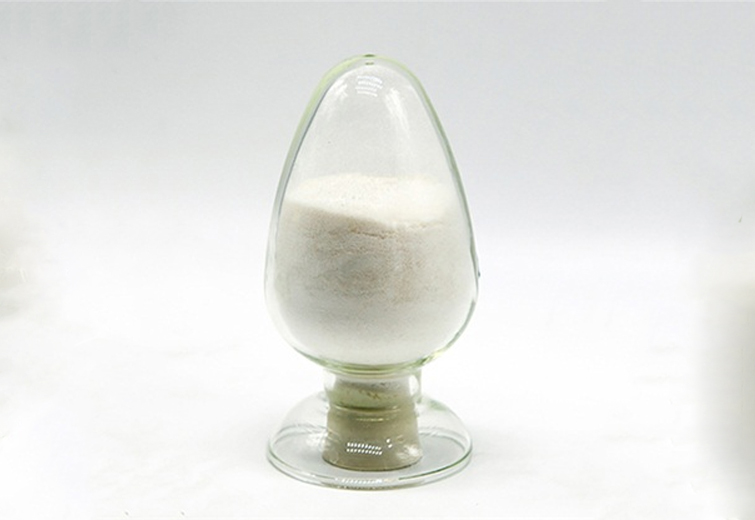
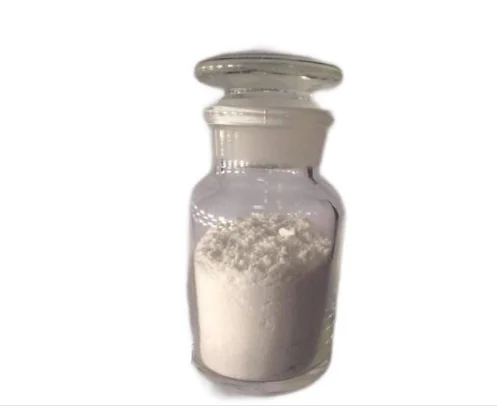
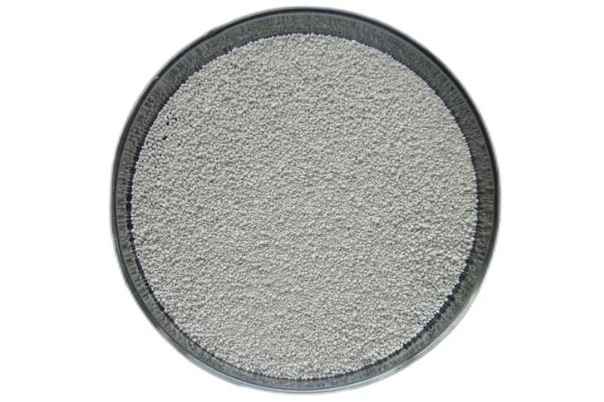
Understanding the precise formulation is key to optimal application. Solomon Insecticide typically comes in various forms, including emulsifiable concentrates (EC) and wettable powders (WP). The concentration of active ingredient, the type of solvent or carrier, and the addition of surfactants all contribute to the product's performance. Refer to the specific product label for the most accurate and up-to-date information.
Conclusion: Effective Pest Control with Responsibility
Solomon insecticide offers a powerful and versatile solution for managing a wide range of pests. When used responsibly and in accordance with label instructions, it can play a crucial role in protecting crops, safeguarding environments, and ensuring sustainable agricultural practices. HBJ Rain is committed to providing high-quality products and expert support to help you achieve optimal pest control results.
Frequently Asked Questions (FAQs)
What is the best time of day to apply Solomon Insecticide?
The optimal time for application is typically early morning or late evening when temperatures are cooler and there is less wind. This minimizes drift and allows the insecticide to adhere to plant surfaces more effectively. Avoid applying during the hottest part of the day, as this can reduce efficacy and potentially damage sensitive plants. Always check the label for specific recommendations regarding application timing.
Is Solomon Insecticide harmful to bees?
Like many insecticides containing neonicotinoids, Solomon insecticide can pose a risk to bees if not used responsibly. To minimize the risk, avoid applying when bees are actively foraging, such as during flowering periods. Follow label instructions carefully, and consider using alternative pest control methods when possible. HBJ Rain promotes integrated pest management strategies that prioritize pollinator protection.
How long does it take for Solomon Insecticide to work?
The speed of action depends on the pest, the concentration of insecticide, and environmental conditions. Generally, you should start to see a reduction in pest populations within 24-72 hours. Systemic insecticides like Solomon Insecticide may take longer to show visible effects as the plant absorbs and distributes the active ingredient. Consistent monitoring and follow-up applications may be necessary for complete control.