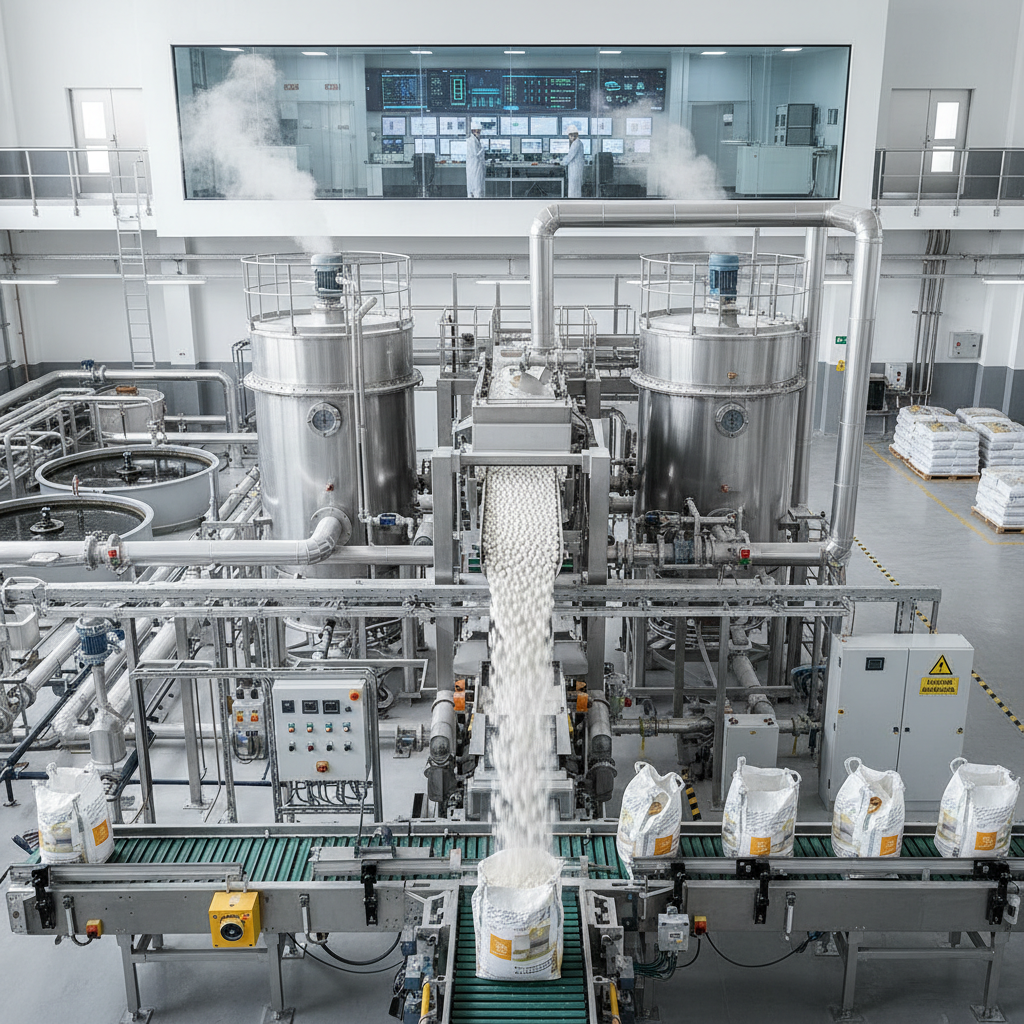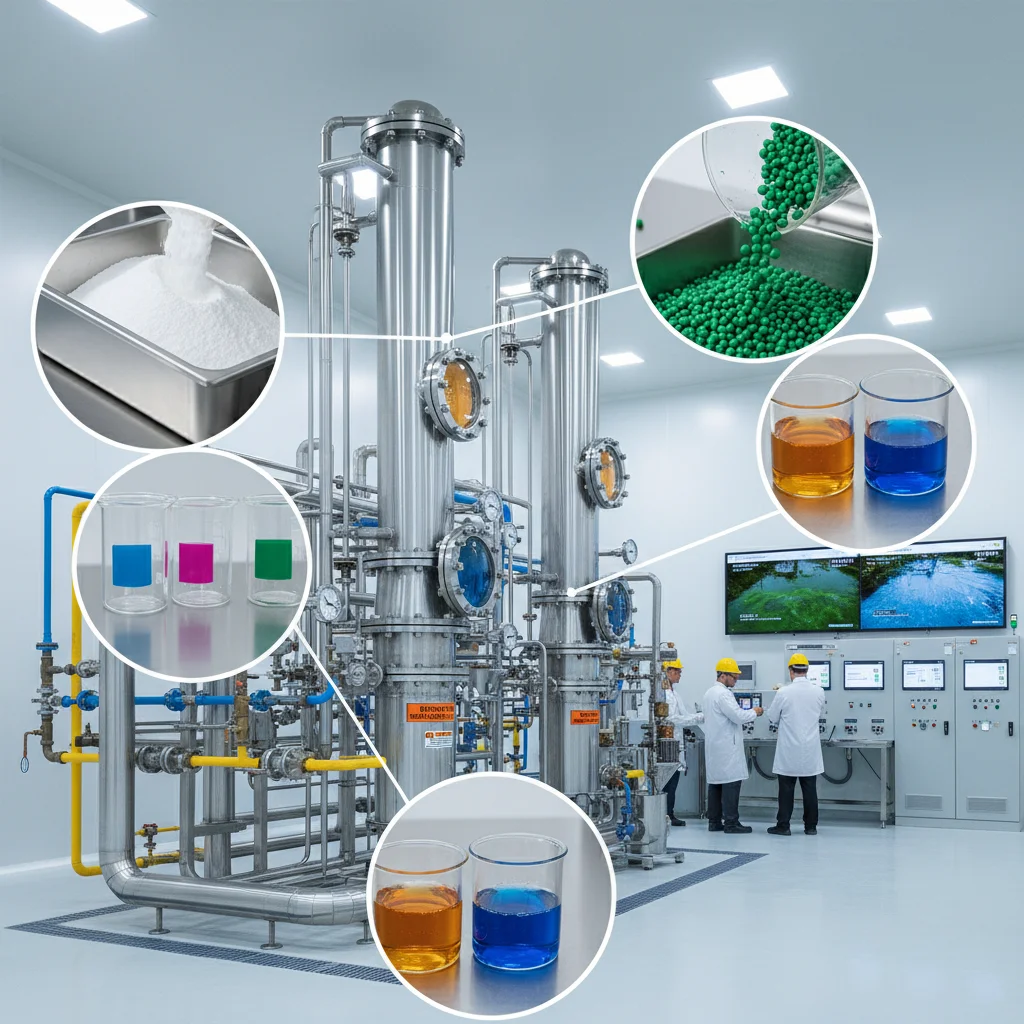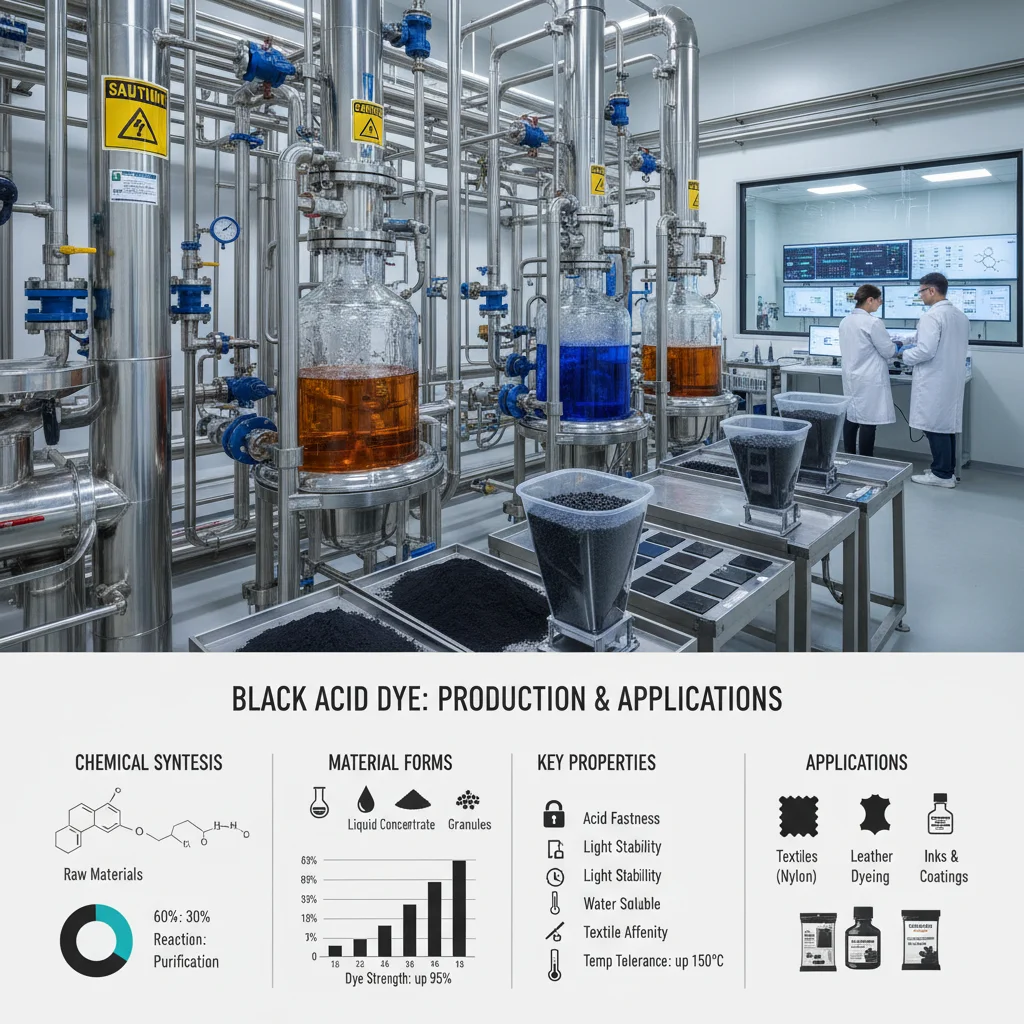
The global agricultural landscape relies heavily on the efficient delivery of nitrogen to crops, and ammonia fertilizer stands as one of the most critical pillars of modern food security. By providing a concentrated source of nitrogen, these fertilizers enable farmers to maximize yields and sustain growing populations across diverse climatic zones.
Understanding the chemistry and application of nitrogen-based nutrients is not merely a technical requirement for agronomists but a strategic necessity for global stability. As the demand for high-efficiency farming grows, the industry is shifting toward more precise application methods to balance high productivity with environmental stewardship.
From the vast plains of the Midwest to the intensive rice paddies of Southeast Asia, the strategic use of ammonia fertilizer ensures that essential plant proteins and chlorophyll are synthesized effectively, directly impacting the nutritional quality of the world's harvest.
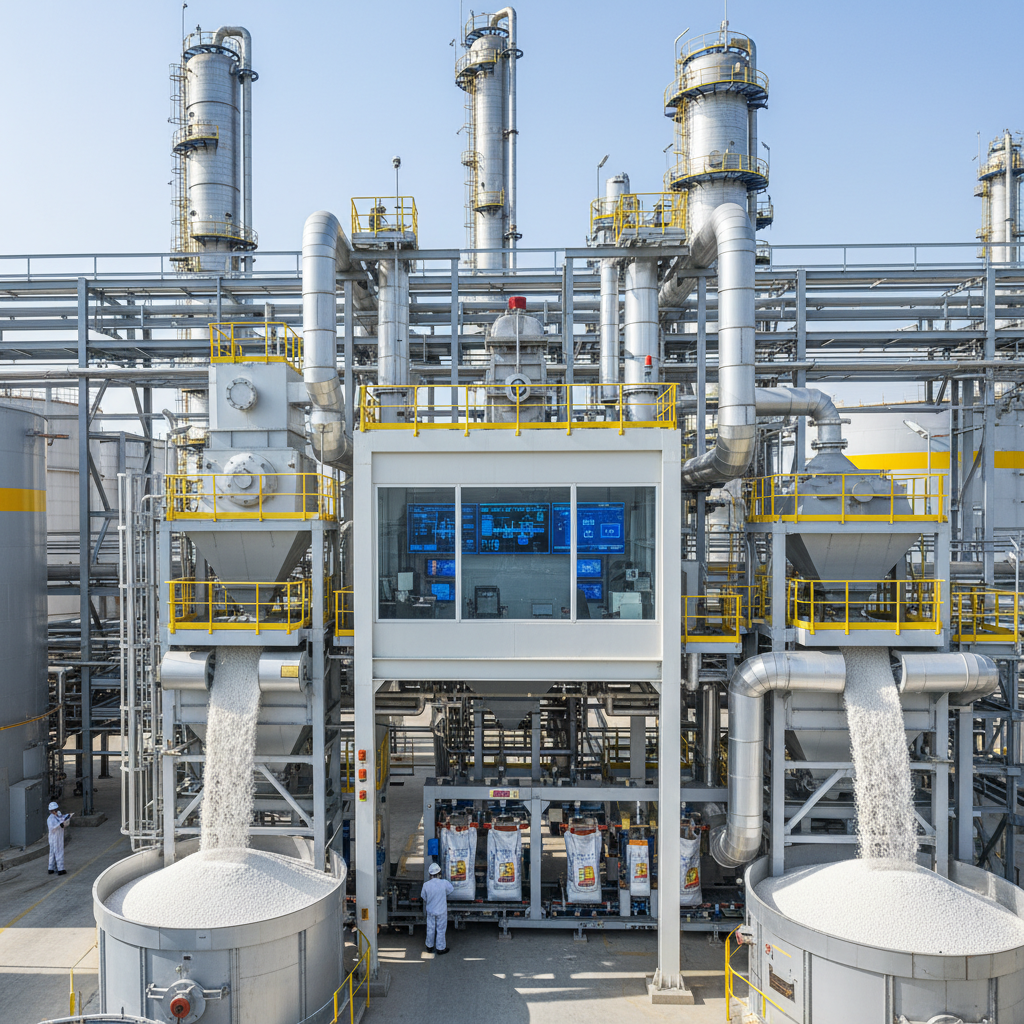
The industrial production of ammonia fertilizer is perhaps one of the most significant achievements of chemical engineering. By fixing atmospheric nitrogen into a bioavailable form, the Haber-Bosch process effectively removed the natural ceiling on crop productivity, allowing for a dramatic increase in the global carrying capacity of the earth.
Today, this chemical foundation supports nearly half of the global population. Without the scalable production of ammonia-based nutrients, the world would face chronic food shortages, as organic nitrogen sources alone could not meet the caloric demands of 8 billion people.
In simple terms, ammonia fertilizer refers to products derived from anhydrous ammonia (NH3) or its salts, designed to supply nitrogen to plants. Nitrogen is the primary component of amino acids and proteins, making it the most sought-after nutrient for vegetative growth and leaf development.
Modern industry has evolved this basic chemical into various forms, including liquid anhydrous ammonia, urea, and ammonium nitrates. This diversification allows farmers to choose the delivery mechanism that best suits their soil type, climate, and crop variety, ensuring that the nutrient is available at the precise moment the plant needs it most.
Beyond simple growth, the integration of these fertilizers into integrated pest management and crop rotation systems helps maintain soil health. When used correctly, they bridge the gap between natural soil depletion and the high-demand requirements of genetically optimized seed varieties.
The effectiveness of ammonia fertilizer depends largely on its chemical stability and the rate at which it converts to ammonium (NH4+) and nitrate (NO3-). This process, known as nitrification, is the engine that drives plant uptake.
To optimize this, manufacturers focus on nitrogen density and volatility control. High-quality ammonia fertilizer is engineered to minimize ammonia volatilization—where nitrogen escapes into the atmosphere as gas—thereby increasing the Nutrient Use Efficiency (NUE).
Furthermore, the pH balance of the soil plays a pivotal role. Because the application of certain nitrogen sources can acidify the soil over time, the industry often combines ammonia products with lime or other buffering agents to ensure a sustainable growing environment.
The success of any ammonia fertilizer application is measured by its bioavailability and its impact on the root zone. Factors such as solubility and the timing of the release determine whether the nitrogen feeds the crop or leaches into the groundwater.
Advanced formulations now incorporate slow-release coatings or nitrification inhibitors. These innovations ensure that the nitrogen remains in the soil longer, reducing the number of applications required and lowering the overall cost for the producer.
In high-intensity grain belts, such as those in North America and Ukraine, ammonia fertilizer is often applied via deep-injection methods. This technique places the anhydrous ammonia directly into the soil, minimizing gas loss and ensuring a steady nitrogen supply for corn and wheat.
Conversely, in developing agricultural zones of Sub-Saharan Africa, the focus is on granulated ammonia derivatives like urea. These are easier to transport and apply manually, providing a critical boost to subsistence farming where mechanized injection equipment is unavailable.
The primary advantage of using ammonia fertilizer is the sheer concentration of nitrogen per unit of weight. This efficiency reduces transportation costs and logistical overhead, allowing for a more streamlined supply chain from the chemical plant to the farm gate.
From an economic perspective, the reliability of these fertilizers provides farmers with a predictable ROI. By eliminating the uncertainty of natural nitrogen fixation, producers can guarantee yield targets, which in turn stabilizes food prices for the end consumer.
Furthermore, the ability to tailor the nitrogen release to the crop's growth stage enhances plant resilience against pests and diseases, reducing the need for excessive chemical interventions and promoting a more robust agricultural ecosystem.
The industry is currently undergoing a paradigm shift toward "Green Ammonia." Traditional production relies on natural gas, but new innovations use electrolysis powered by renewable energy to split water and nitrogen, creating an ammonia fertilizer with a near-zero carbon footprint.
Digital transformation is also playing a role through "Precision Nitrogen Management." By integrating satellite imagery and IoT soil sensors, farmers can apply ammonia only where and when it is needed, drastically reducing waste and preventing environmental runoff.
These advancements are not just about sustainability; they are about survival. As global regulations on carbon emissions tighten, the transition to green production and smart application will determine the competitiveness of chemical manufacturers worldwide.
| Fertilizer Type | Nitrogen Content (%) | Environmental Impact | Cost Efficiency |
|---|---|---|---|
| Anhydrous Ammonia | 82% | Moderate (Volatile) | High |
| Urea | 46% | Moderate (Leaching) | Very High |
| Ammonium Nitrate | 33-34% | Low (Stable) | Medium |
| Ammonium Sulfate | 21% | Low (Acidifying) | Medium |
| Green Ammonia | 82% | Very Low (Carbon Free) | Low (Current) |
| Controlled Release | Variable | Very Low | Medium |
Anhydrous ammonia is a concentrated gas (stored as liquid) with a much higher nitrogen content (about 82%), requiring specialized pressure equipment for injection. Urea is a solid granule with about 46% nitrogen, which is easier to handle, transport, and apply using standard spreading equipment, though it is more prone to surface volatilization.
Most ammonia-based fertilizers can lead to soil acidification. As the ammonium (NH4+) is converted to nitrate (NO3-) by soil bacteria during nitrification, hydrogen ions are released into the soil. To counteract this, farmers often apply agricultural lime (calcium carbonate) to maintain a balanced pH level for optimal nutrient uptake.
Yes, through the adoption of "4R Nutrient Stewardship": the Right Source, Right Rate, Right Time, and Right Place. By using nitrification inhibitors, precision application technology, and timing the delivery to match plant demand, farmers can significantly reduce nitrate leaching and greenhouse gas emissions.
Green Ammonia is produced using hydrogen derived from water electrolysis powered by renewable energy (wind/solar) rather than natural gas. This eliminates the carbon dioxide emissions associated with the traditional Haber-Bosch process, making the entire food supply chain more sustainable and reducing the carbon footprint of agriculture.
Due to its corrosive nature and toxicity, anhydrous ammonia must be stored in specialized high-pressure steel tanks with safety relief valves. Granular products like urea should be kept in cool, dry environments to prevent caking. All storage facilities must have strict ventilation and emergency protocols to protect personnel.
Generally, synthetic ammonia fertilizers are not permitted in certified organic farming. Organic standards require nitrogen to come from natural sources like compost, manure, or nitrogen-fixing cover crops (e.g., legumes). However, the chemical principles of ammonia are still at work in these organic sources.
In summary, ammonia fertilizer remains an indispensable tool in the global effort to ensure food security. By providing a high-density, efficient source of nitrogen, it enables the scale of production necessary to feed the modern world, while evolving through chemical innovation to become more precise and stable.
Looking forward, the transition toward green ammonia and AI-driven precision application will redefine the relationship between agriculture and the environment. By embracing these sustainable technologies, the industry can continue to drive productivity without compromising the health of our planet. To learn more about high-efficiency chemical solutions, visit our website: www.hbjrain.com
If you are interested in our products, you can choose to leave your information here, and we will be in touch with you shortly.