Comprehensive Guide to Sodium Thiosulfate Uses Properties and Industrial Applications
Sodium Thiosulfate: A Comprehensive Guide to Uses, Properties, and Applications
Sodium thiosulfate (Na2S2O3) is a versatile chemical compound with a wide range of applications across various industries. Known for its reducing properties and ability to dissolve silver halides, it’s a crucial component in photography, water treatment, and even medicine. This article delves into the chemical properties, diverse applications, safety considerations, and sourcing options for sodium thiosulfate. Explore how this compound plays a critical role in numerous processes, and learn where to find a reliable supplier of sodium thiosulfate.

Chemical Properties of Sodium Thiosulfate
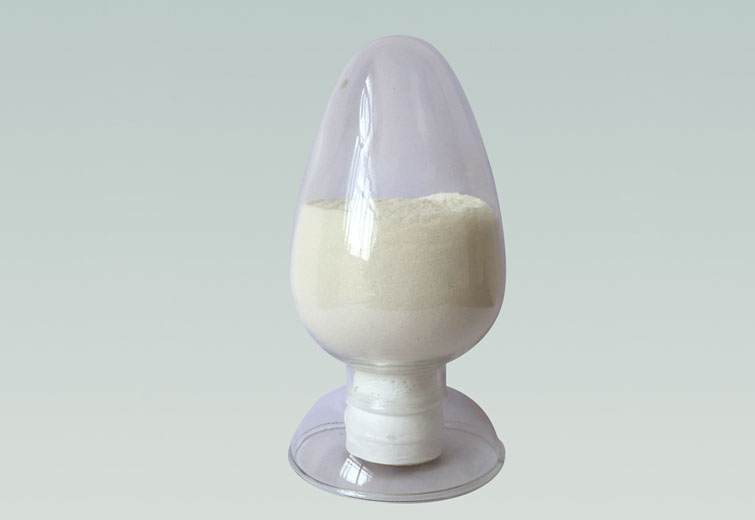
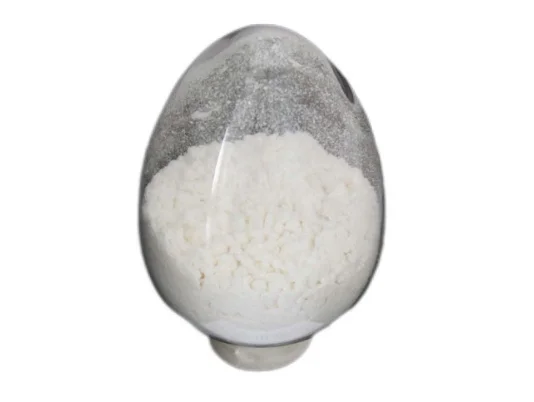
Sodium thiosulfate is a colorless, odorless, and crystalline solid that is highly soluble in water. Its chemical formula, Na2S2O3, reveals its composition of sodium, sulfur, oxygen, and hydrogen. A key property is its reducing capability, meaning it readily donates electrons in chemical reactions. This makes it effective in neutralizing oxidizing agents like chlorine. It's also known to form soluble complexes with metal ions, which is fundamental to its use in photographic processing. Importantly, it's a relatively stable compound under normal conditions, though it can decompose upon heating, releasing sulfur dioxide. Understanding these properties is crucial for safe handling and effective application.
Key Highlights: Sodium thiosulfate is a potent reducing agent, dissolves silver halides, and forms soluble complexes with metal ions. It's highly soluble in water and stable under normal conditions.
Applications of Sodium Thiosulfate Across Industries
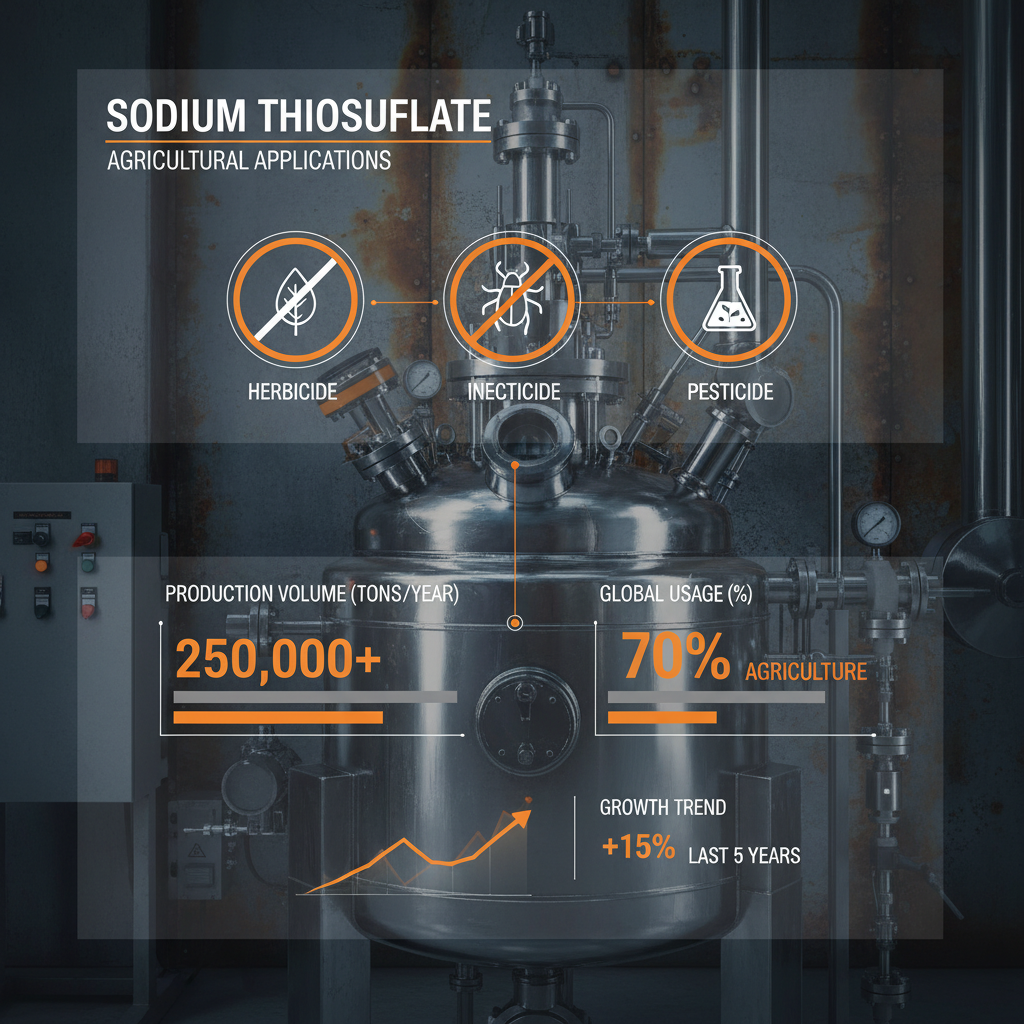
The applications of sodium thiosulfate are remarkably diverse. In photography, it's the ‘fixing’ agent, removing unexposed silver halide crystals from film and paper, resulting in a stable image. Water treatment utilizes it to dechlorinate water, making it safe for discharge and aquatic life. Medically, it’s used as an antidote for cyanide poisoning and in topical creams to treat certain skin conditions. Industrial applications include gold extraction, textile bleaching, and as a laboratory reagent. Its versatility makes it a valuable commodity in numerous sectors, and a consistent, high-quality supply is essential. For reliable sourcing, you can explore options from experienced sodium thiosulfate suppliers.
Application Benefits:
• Dechlorination of wastewater
• Fixes photographic images
• Antidote for cyanide poisoning
• Gold extraction in mining
Sodium Thiosulfate Grades & Specifications
Sodium thiosulfate is available in different grades, each suited for specific applications. Technical grade is typically used for industrial purposes, while photographic grade is highly purified for photographic processing. Reagent grade, the purest form, is used in laboratory settings. Different specifications exist regarding purity, iron content, and other impurities. Here's a comparison of common grades:
Safety Considerations When Handling Sodium Thiosulfate
While generally considered safe, sodium thiosulfate can cause irritation to the skin, eyes, and respiratory tract. Direct contact should be avoided by wearing appropriate personal protective equipment (PPE) such as gloves, safety glasses, and a dust mask. Ingestion can lead to nausea, vomiting, and diarrhea. In the event of contact, flush the affected area thoroughly with water. Avoid mixing sodium thiosulfate with strong acids, as this can release toxic sulfur dioxide gas. Always refer to the Safety Data Sheet (SDS) before handling the chemical and follow recommended safety procedures.
Sourcing Sodium Thiosulfate: Choosing a Reliable Supplier
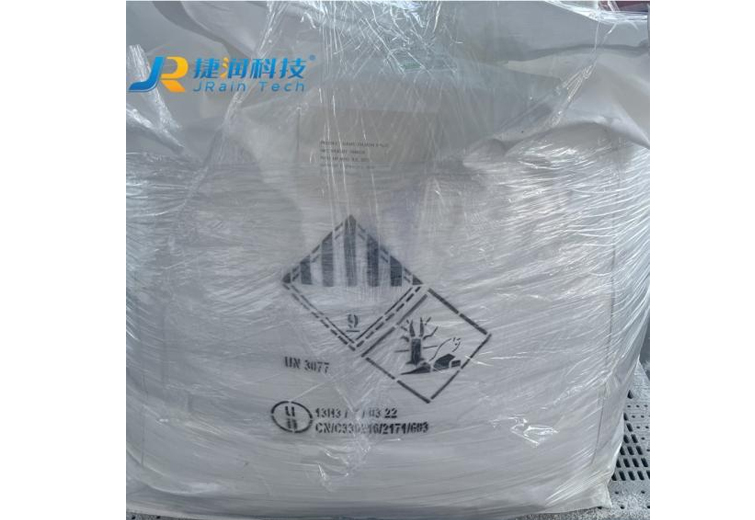
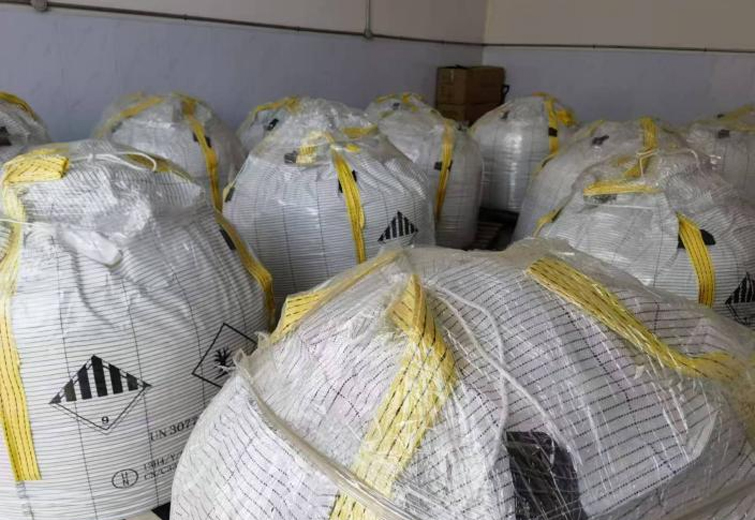
Selecting a reputable supplier is paramount to ensuring the quality and consistency of your sodium thiosulfate. Factors to consider include purity, packaging, shipping options, and price. HBJ Rain Chemical provides a reliable source of high-quality sodium thiosulfate, offering various grades to meet your specific needs. We prioritize quality control, efficient logistics, and competitive pricing. Contact us today to discuss your requirements.
Conclusion: Sodium Thiosulfate – A Cornerstone Chemical
Sodium thiosulfate's unique chemical properties and wide array of applications make it an indispensable compound across diverse industries. From its role in photographic development to water purification and medical treatments, its versatility is undeniable. Partnering with a dependable supplier, like HBJ Rain Chemical, ensures access to consistent, high-quality sodium thiosulfate for your specific needs.
Frequently Asked Questions (FAQs)
What are the primary uses of sodium thiosulfate in water treatment?
Sodium thiosulfate is primarily used to dechlorinate wastewater, neutralizing residual chlorine after disinfection processes. This is critical to protect aquatic life and comply with environmental regulations. Chlorine can be harmful to aquatic organisms, even in small concentrations, making dechlorination a necessary step before discharging treated water back into the environment. It's also used to remove excess bromine, which is sometimes used as a disinfectant instead of chlorine. The amount of sodium thiosulfate needed depends on the initial chlorine level and the volume of water being treated.
Can sodium thiosulfate be used for more than just fixing photos?
Absolutely! While widely known for its role in photographic fixing, sodium thiosulfate has diverse applications. It’s used in the gold mining industry to extract gold from ore, in the textile industry as a bleaching agent, and in the pharmaceutical industry as an antidote for cyanide poisoning. It also finds use in analytical chemistry as a reducing agent and in various industrial processes where a controlled reducing environment is needed. Its versatility stems from its ability to form complexes with metal ions and its strong reducing properties.
What precautions should I take when storing sodium thiosulfate?
Sodium thiosulfate should be stored in a cool, dry, and well-ventilated area, away from incompatible materials like strong acids and oxidizing agents. Keep the container tightly closed to prevent moisture absorption, as it's hygroscopic. Avoid storing it in direct sunlight or near sources of heat. It's also recommended to store it in a container made of materials that won't react with the chemical, such as polyethylene or polypropylene. Always consult the SDS for detailed storage instructions.
Where can I find a reliable supplier of sodium thiosulfate?
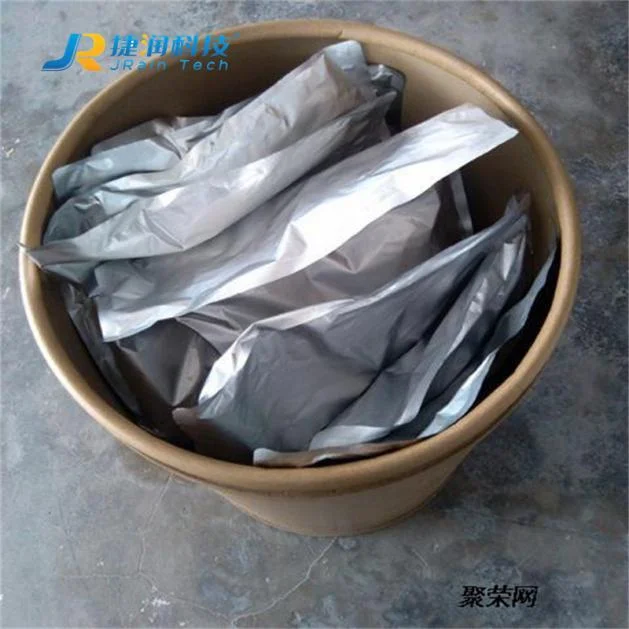
HBJ Rain Chemical is a trusted supplier of high-quality sodium thiosulfate. We offer various grades to meet your specific needs, with a focus on consistent quality, competitive pricing, and reliable logistics. You can find more information about our products and services, and request a quote, on our website: https://www.hbjrain.com.