
24d herbicide is a widely used systemic herbicide in agriculture and land management, crucial for controlling broadleaf weeds in cereal crops, pastures, and turf. Its effectiveness and relatively low cost have made it a cornerstone of weed control strategies globally. Understanding its properties, applications, and potential impacts is vital for sustainable agricultural practices and environmental stewardship.
The global demand for effective weed control solutions is consistently high, driven by the need to maximize crop yields and maintain the quality of grazing lands. 24d herbicide plays a significant role in meeting this demand, particularly in regions where broadleaf weeds pose a substantial threat to agricultural productivity. According to the FAO, global herbicide consumption is steadily increasing, with phenoxy herbicides like 24d remaining prominent.
This herbicide offers a targeted approach to weed management, minimizing competition for resources and ensuring healthier crops. However, its use is not without considerations, requiring careful application and adherence to safety guidelines to prevent unintended consequences. The continued relevance of 24d herbicide hinges on responsible use and ongoing research into optimizing its effectiveness while mitigating potential environmental impacts.
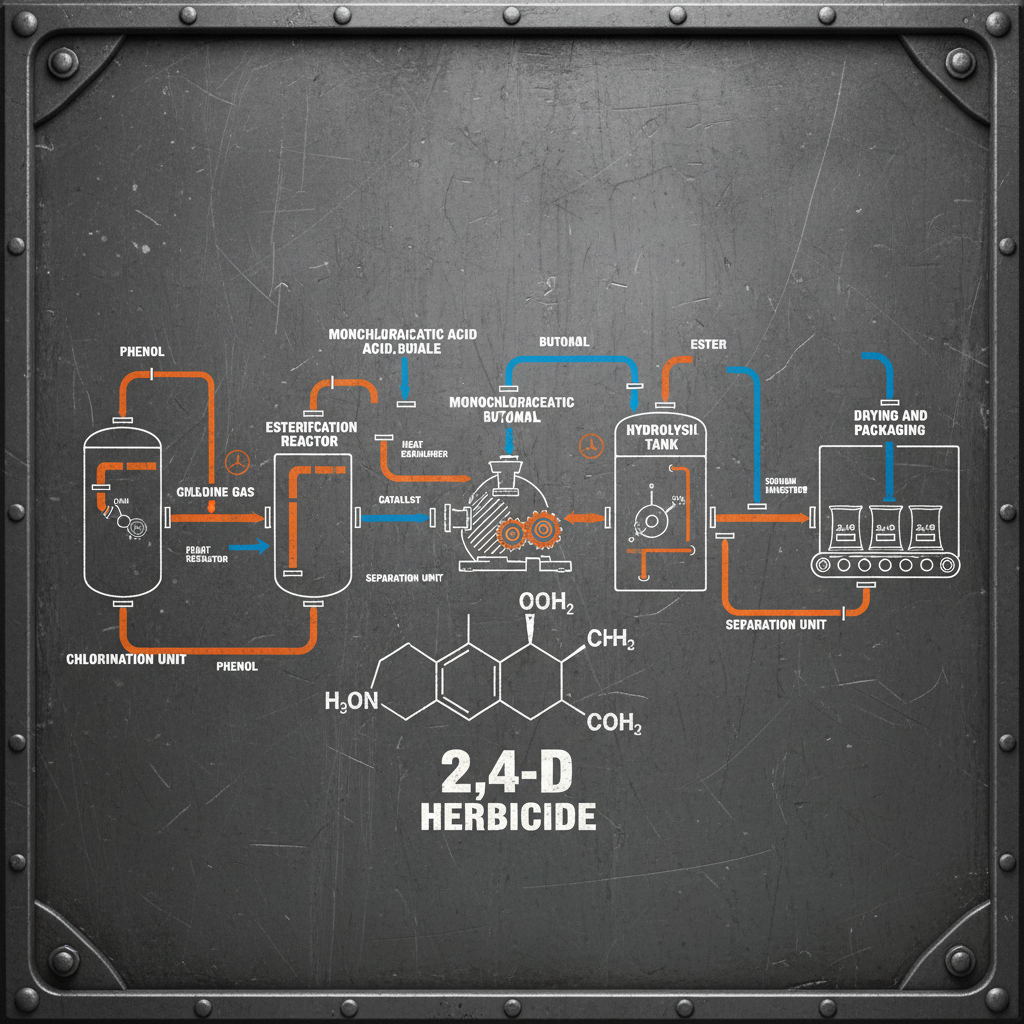
The Role of 24d Herbicide in Modern Agriculture
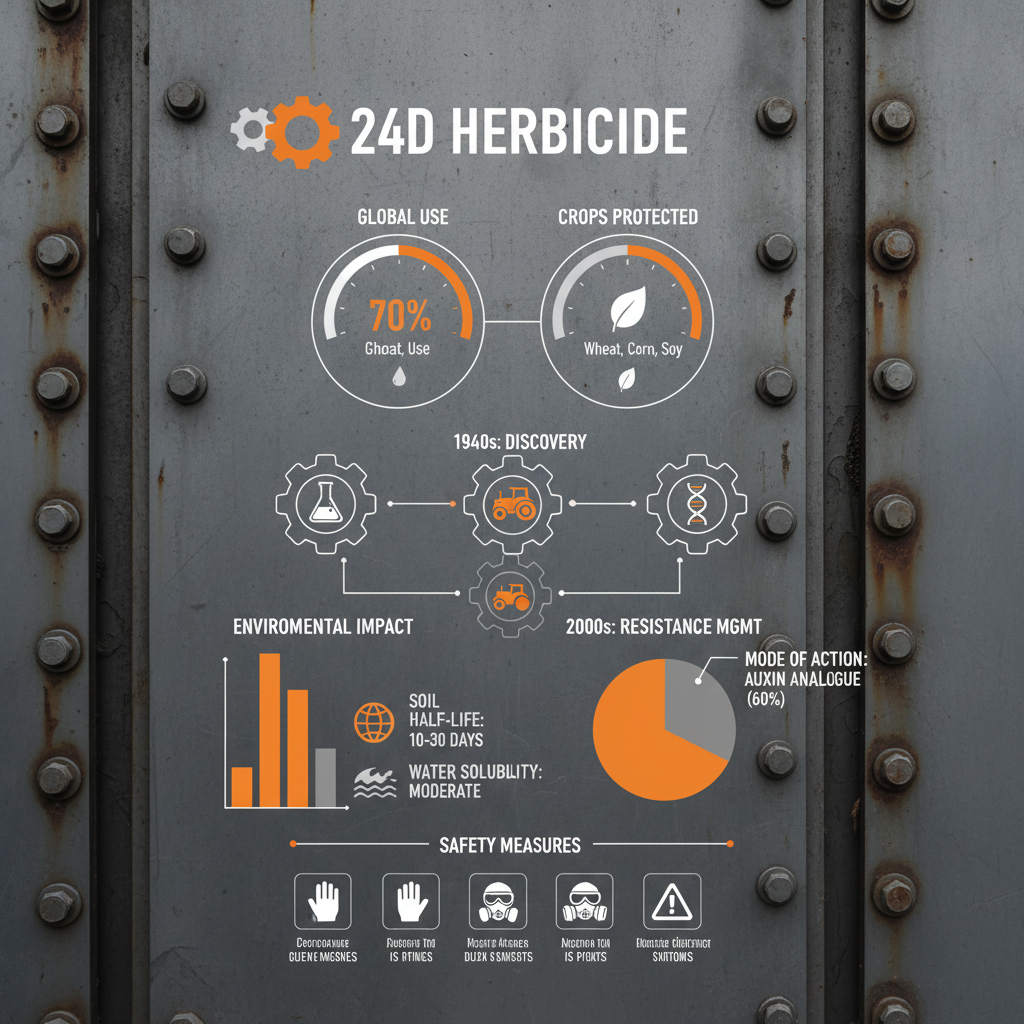
24d herbicide is instrumental in maintaining crop health and maximizing yields by selectively targeting broadleaf weeds that compete with desired plants for essential resources like sunlight, water, and nutrients. Its widespread adoption across various agricultural sectors underscores its importance in modern farming practices.
The herbicide's systemic action, meaning it's absorbed by the plant and translocated throughout its tissues, ensures effective control even of deeply rooted weeds. This characteristic is particularly beneficial in perennial weed management, where complete removal is crucial for long-term control.
FAQS
24d herbicide mimics the plant hormone auxin, disrupting normal plant growth processes. This leads to uncontrolled cell division and elongation, ultimately causing the weed to become distorted and die. It’s particularly effective on broadleaf weeds because of their greater sensitivity to auxin disruption compared to grasses.
The persistence of 24d herbicide in the soil varies depending on factors such as soil type, temperature, and moisture. Generally, it degrades within a few weeks to a few months. Microbial activity in the soil plays a key role in its breakdown. Proper application techniques minimize soil residue and environmental impact.
When used according to label instructions, 24d herbicide generally poses a low risk to humans and animals. However, it’s crucial to follow all safety precautions, including wearing protective clothing, avoiding inhalation of spray mist, and keeping children and pets away from treated areas until they are dry. Always consult the product label for specific safety information.
Yes, weeds can develop resistance to 24d herbicide with repeated exposure. To mitigate this risk, it's recommended to rotate herbicides with different modes of action, use integrated weed management strategies, and avoid relying solely on 24d herbicide for weed control. Monitoring weed populations for signs of resistance is also crucial.
Optimal application conditions include calm winds to prevent drift, temperatures between 60-85°F (15-29°C), and actively growing weeds. Avoid applying 24d herbicide during rainfall or when rain is expected shortly after application, as this can reduce its effectiveness. Always check the product label for specific recommendations.
24d herbicide is often more cost-effective than some newer broadleaf herbicides, but it may not be as effective on certain particularly resistant weed species. Newer herbicides might offer broader spectrum control and reduced drift potential, but they typically come at a higher price point. The best choice depends on the specific weed problem and budget.
Conclusion
24d herbicide remains a vital tool in modern agriculture and land management, offering a cost-effective and selective solution for controlling broadleaf weeds. Its widespread use underscores its importance in maximizing crop yields, maintaining pasture health, and ensuring efficient food production. Understanding its properties, application techniques, and potential environmental impacts is crucial for responsible and sustainable use.
Looking ahead, continued innovation in formulation technology, integration with precision agriculture practices, and a commitment to integrated weed management strategies will be essential for preserving the long-term effectiveness of 24d herbicide. Responsible stewardship and ongoing research are key to ensuring its continued contribution to a sustainable agricultural future. For further information on 24d herbicide and related products, please visit our website: www.hbjrain.com
Related Posts
-
Is Roundup an Herbicide Understanding Its Role in Agriculture and Beyond
-

Effective Algicide Solutions for Industrial Water Systems and Infrastructure Protection
-
Comprehensive Guide to Insecticides Wholesale for Global Agriculture and Public Health
-

Understanding Captaf Fungicide Price Dynamics for Sustainable Agriculture