Indole-3-Butyric Acid (IBA): Uses, Pricing, and Applications in Plant Propagation
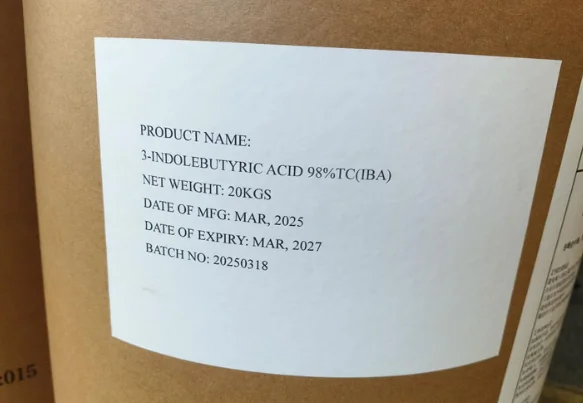
Indole-3-butyric acid (IBA) is a widely used plant growth regulator that has become essential in horticulture, agriculture, and plant propagation. Known chemically as CAS 133-32-4, this compound belongs to the auxin family and plays a critical role in stimulating root development in cuttings and promoting healthy plant growth. Commonly referred to as 3 indolebutyric acid or indole butyric acid, IBA is available in various formulations, and understanding its uses, pricing, and application methods is vital for growers and agricultural professionals.
What Is Indole-3-Butyric Acid (IBA)?
Indole-3-butyric acid (IBA) is a synthetic auxin, a type of plant hormone that regulates growth processes such as root initiation and elongation. Its chemical identifier, CAS 133-32-4, ensures consistency in manufacturing and quality control. IBA is structurally similar to indole-3-acetic acid (IAA), the natural auxin found in plants, but it is more stable and effective in stimulating root formation.
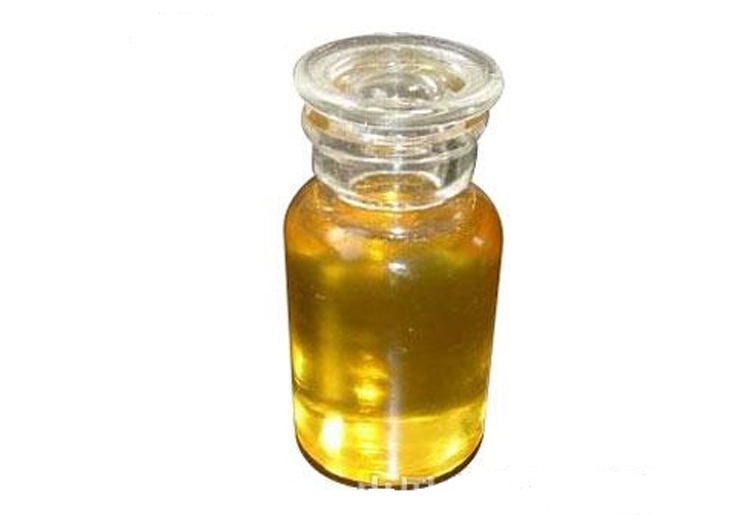
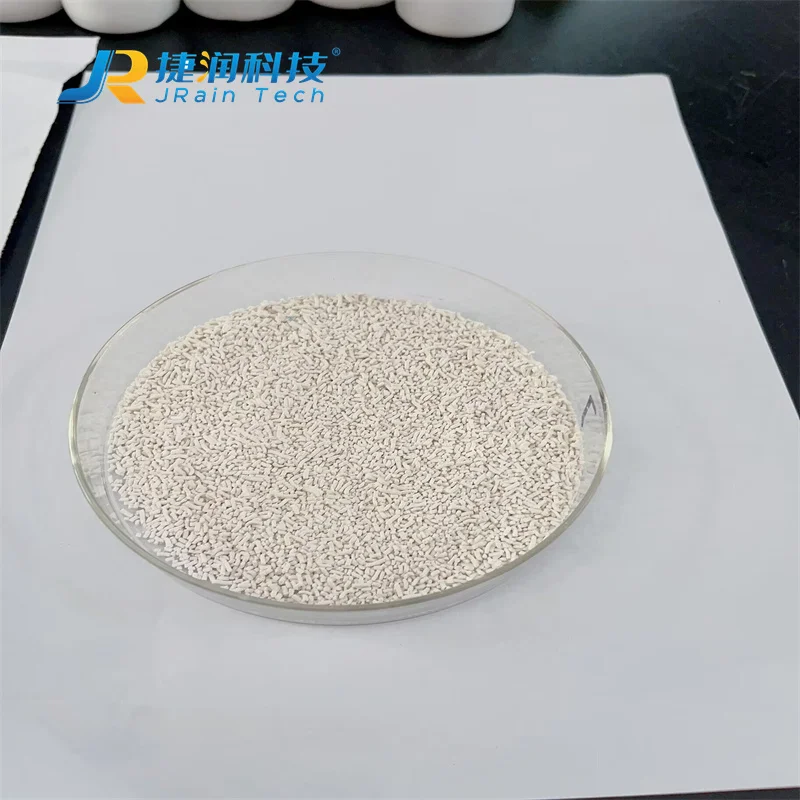
The most common forms of IBA include powders, liquids, and soluble granules, which can be applied directly to cuttings or incorporated into plant propagation solutions. 3 indolebutyric acid is especially popular among horticulturists for its ability to promote strong root systems in a wide range of plant species, including ornamental plants, vegetables, shrubs, and fruit trees.
One of the key advantages of IBA is its effectiveness at low concentrations, reducing the risk of toxicity while providing rapid and reliable root induction. This property makes it an ideal choice for both small-scale gardening and commercial propagation operations.
Applications and Uses of Indole Butyric Acid
The primary application of indole butyric acid is in plant propagation, but its uses extend to several other horticultural and agricultural processes.
Rooting of Plant Cuttings
Indole-3-butyric acid (IBA) is most widely used to stimulate root formation in stem, leaf, or root cuttings. By applying IBA to the base of cuttings, growers can significantly increase the success rate of rooting. This is particularly valuable for species that are difficult to propagate naturally, such as certain ornamental shrubs or fruit trees. Cuttings treated with IBA develop stronger, more uniform root systems, which improves plant survival and growth after transplantation.
Seedling Development and Transplant Success
Apart from rooting cuttings, indole butyric acid uses include enhancing seedling growth and improving transplant establishment. By promoting root elongation and lateral root formation, IBA ensures seedlings develop a robust root network, increasing nutrient and water uptake.
Tissue Culture and Micropropagation
In controlled laboratory settings, 3 indolebutyric acid is often used in tissue culture and micropropagation. Small amounts of IBA in growth media encourage root initiation in plantlets, supporting large-scale propagation of genetically uniform and disease-free plants.
Horticultural Maintenance
Indole butyric acid is also applied in horticultural maintenance practices, such as promoting root development in potted plants, bonsai trees, and container-grown shrubs. By enhancing root structure, IBA improves plant health and resilience against stressors like drought or transplant shock.
Pricing and Availability of Indole Butyric Acid
The market for indole butyric acid price varies depending on purity, formulation, and supplier. IBA is available in powder form, concentrated solutions, and ready-to-use rooting powders. Prices generally fluctuate based on quantity and grade, with larger commercial quantities offering more cost-effective options.
When purchasing indole-3-butyric acid (IBA), buyers should ensure they source from reputable suppliers to guarantee consistent purity and effectiveness. Technical-grade IBA is widely used in commercial horticulture, while laboratory-grade IBA is used for research or tissue culture applications.
Affordable pricing, combined with its high efficacy, makes IBA a preferred choice for both amateur gardeners and professional growers. Furthermore, its long shelf life and stability compared to natural auxins contribute to cost efficiency by reducing waste and repeat applications.
Advantages of Using Indole-3-Butyric Acid
Indole-3-butyric acid offers several benefits that have contributed to its widespread adoption in plant propagation:
Enhanced Root Development: IBA stimulates primary and lateral root growth, ensuring healthy plant establishment.
High Success Rate in Propagation: Cuttings treated with IBA root more reliably and quickly compared to untreated plants.
Versatile Applications: Useful in cuttings, seedlings, tissue culture, and potted plant care.
Stability: More chemically stable than natural auxins, allowing for storage and consistent results.
Low Toxicity: Effective at low concentrations, minimizing the risk of damaging plants while maximizing rooting efficiency.
These advantages make 3 indolebutyric acid an essential tool for gardeners, nurseries, and agricultural professionals.
Indole-3-butyric acid (IBA), also known as 3 indolebutyric acid or simply indole butyric acid, is a powerful and reliable plant growth regulator widely used in modern horticulture. With its chemical identifier CAS 133-32-4, IBA ensures consistent quality and performance in stimulating root formation, improving transplant success, and supporting seedling growth. Its applications in cuttings, tissue culture, and potted plant maintenance, combined with cost-effective availability, make it an indispensable tool for both commercial growers and hobbyists. Understanding the indole butyric acid uses and sourcing quality products helps maximize plant health, propagation efficiency, and overall crop success.