The modern agricultural landscape relies heavily on the efficient production of nitrogen-based fertilizers, where the ammonia plant serves as the foundational engine. By converting atmospheric nitrogen into a bioavailable form, these industrial facilities ensure global food security, supporting billions of people through enhanced crop yields and soil productivity.
Understanding the complexities of an ammonia plant is essential for stakeholders in the chemical manufacturing sector, as these systems integrate high-pressure thermodynamics with precise catalytic reactions. The shift toward more sustainable production methods is currently redefining how these plants operate, moving from traditional carbon-heavy processes to innovative, low-emission alternatives.
Whether you are an engineer, an investor, or an agricultural distributor, grasping the operational nuances of an ammonia plant allows for better optimization of the supply chain. From the synthesis of fungicides and herbicides to the production of basic chemical raw materials, the output of these plants is the lifeblood of the agrochemical industry.

Global Industry Context of Ammonia Production
On a global scale, the ammonia plant is more than just a chemical factory; it is a pillar of the global economy. According to industry data, nitrogen fertilizers derived from these plants contribute to nearly 50% of the global food production. This massive scale of operation necessitates a rigorous adherence to ISO safety standards and environmental regulations to prevent hazardous leaks and minimize the carbon footprint of the Haber-Bosch process.
However, the industry faces a critical challenge: the high energy intensity of traditional production. Most plants rely on natural gas for hydrogen extraction, making the global food supply chain vulnerable to fluctuations in energy prices and geopolitical instability. This vulnerability has sparked a global race to modernize the ammonia plant, integrating renewable energy sources to ensure a more stable and ethical production cycle.
Defining the Modern Ammonia Plant
In simple terms, an ammonia plant is an industrial complex designed to synthesize anhydrous ammonia (NH3) from nitrogen (extracted from the air) and hydrogen (typically derived from natural gas or water electrolysis). This process requires extreme precision, as the synthesis occurs under high pressure and temperature, utilizing catalysts to force the reaction forward.
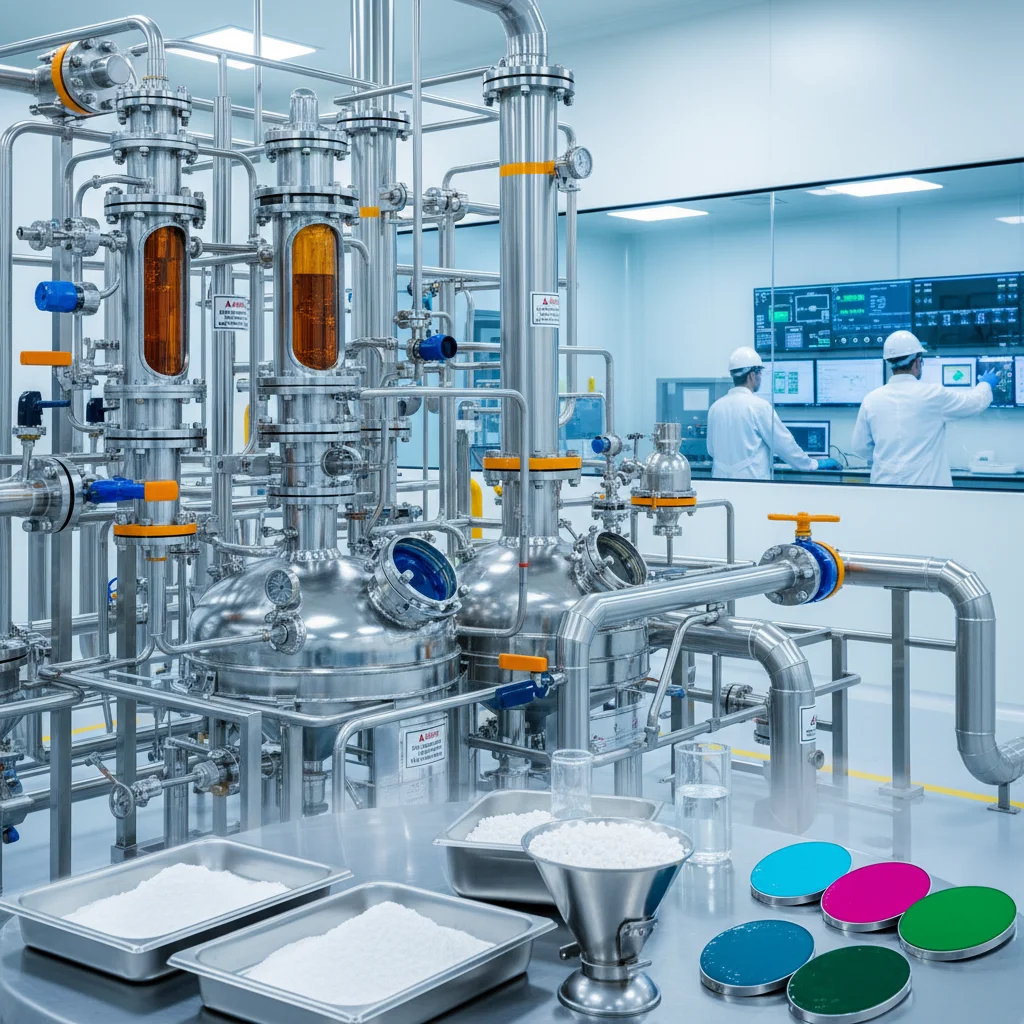
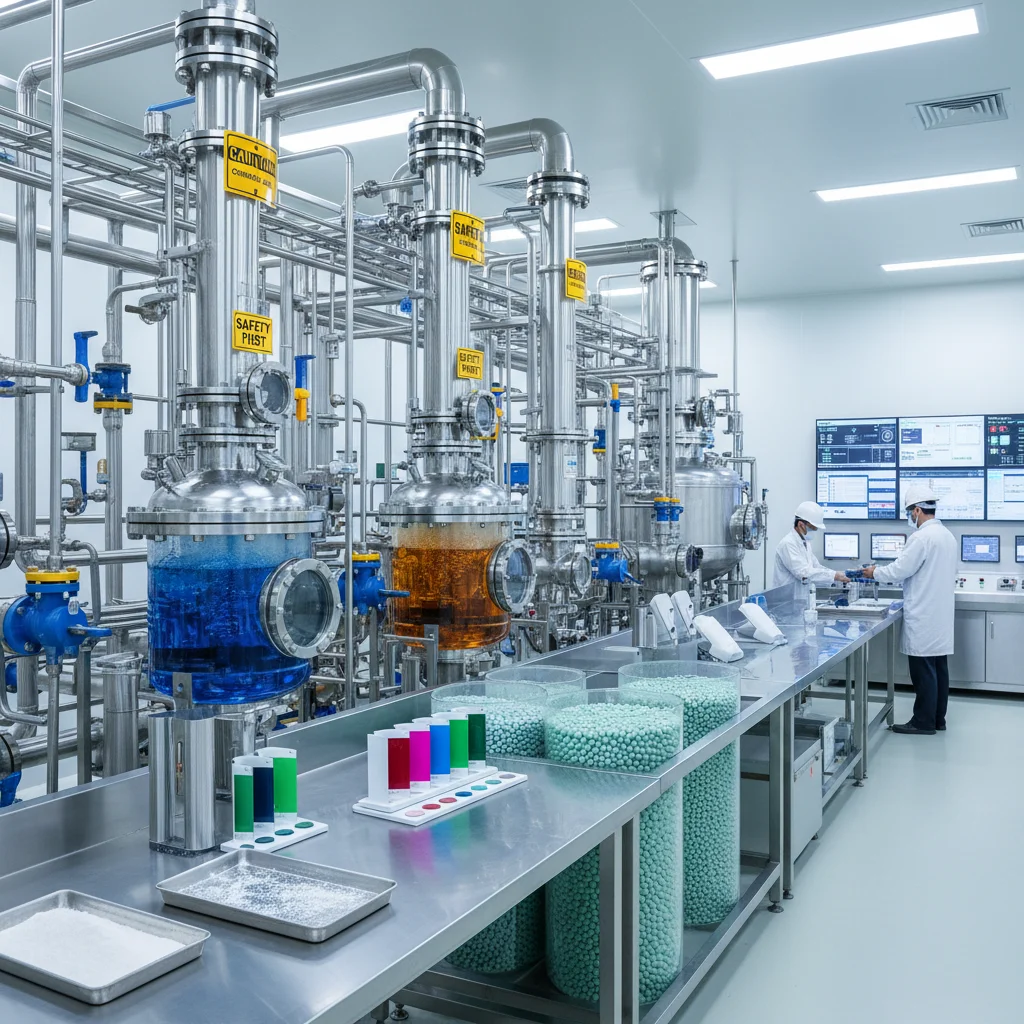
Beyond the chemical reaction, the plant functions as a sophisticated ecosystem of compressors, heat exchangers, and distillation columns. It serves as the primary source for nitrogen-based compounds, which are then processed further into fungicides, herbicides, and plant growth regulators, making it the starting point for most modern crop protection products.
The humanitarian significance of this technology cannot be overstated. By overcoming the natural limitation of nitrogen fixation in soil, the ammonia plant has effectively prevented widespread famine in the 20th and 21st centuries, transforming agriculture from a subsistence activity into a high-efficiency industrial science.
Core Components for Operational Excellence
To maintain a high-performing ammonia plant, the integration of high-grade materials is paramount. Durability in the synthesis loop is critical, as the combination of high pressure and corrosive ammonia requires specialized alloys and steel to prevent structural failure and ensure long-term operational safety.
Scalability is another core factor. Modern plants are designed with modular components that allow operators to increase capacity without completely redesigning the facility. This flexibility allows the ammonia plant to adapt to fluctuating market demands for chemical products and fertilizers without incurring prohibitive capital expenditures.
Finally, cost efficiency is driven by heat integration. By capturing waste heat from the exothermic synthesis reaction and reusing it to power other stages of the plant, operators can significantly reduce the overall energy input, making the ammonia plant more competitive in a global market characterized by tight margins.
Comparative Efficiency of Synthesis Methods
Evaluating the performance of different technological approaches is essential for selecting the right configuration for an ammonia plant. Depending on the available feedstock—whether it be natural gas, coal, or electrolysis—the efficiency and environmental impact of the plant will vary significantly.
Below, we analyze the relative performance of various synthesis strategies based on operational reliability, energy consumption, and purity of the final output. These metrics help plant managers optimize their infrastructure for maximum ROI.
Performance Metrics of Various Ammonia Plant Technologies
Real-World Applications Across Agriculture
The output of an ammonia plant finds its most critical application in the synthesis of urea and ammonium nitrate. In regions like the Midwestern United States and the plains of Brazil, these nitrogenous products are essential for corn and soy production, directly influencing the global price of commodities.
Beyond bulk fertilizers, the chemicals produced in an ammonia plant are precursors for advanced crop protection agents. For instance, specific fungicides and herbicides rely on ammonia-derived intermediates to create molecules that can selectively target pests while leaving the primary crop unharmed, demonstrating the versatility of the ammonia-based chemical chain.
Long-Term Value and Economic Sustainability
Investing in a state-of-the-art ammonia plant provides long-term value by securing a reliable source of raw materials for downstream chemical products. By owning the production process, manufacturers can insulate themselves from the volatility of the open chemical market, ensuring a steady supply of precursors for insecticides and plant growth regulators.
From a social and ethical perspective, the modernization of the ammonia plant contributes to regional development. These facilities often become industrial hubs, creating high-skilled engineering jobs and fostering innovation in chemical safety and environmental stewardship, which in turn builds trust with local communities and regulatory bodies.
Furthermore, the shift toward "Green Ammonia" transforms the plant from a potential liability into a sustainable asset. By leveraging carbon capture and storage (CCS) or green hydrogen, a forward-thinking ammonia plant not only reduces its environmental impact but also gains access to "green" subsidies and premium markets.
Future Trends in Green Ammonia Technology
The future of the ammonia plant is inextricably linked to the energy transition. We are seeing a rapid shift toward the "Green Ammonia" model, where hydrogen is produced via water electrolysis powered by wind or solar energy, completely eliminating the need for fossil-fuel-based steam methane reforming.
Digital transformation is also playing a pivotal role. The implementation of "Digital Twins"—virtual replicas of the ammonia plant—allows engineers to simulate operational changes in real-time, predicting equipment failure before it occurs and optimizing the catalyst's life cycle through AI-driven analytics.
As global policies tighten around carbon emissions, the ammonia plant is evolving into a carbon-neutral facility. This evolution will not only sustain the agrochemical industry but may also position ammonia as a viable carbon-free fuel for the shipping industry, expanding the market for these plants far beyond the realm of agriculture.
Technical Analysis of Ammonia Plant Evolution Trends
| Technology Era |
Primary Feedstock |
Carbon Footprint |
Energy Efficiency |
| Traditional Haber-Bosch |
Natural Gas / Coal |
Very High |
Moderate |
| Blue Ammonia Plant |
Gas + Carbon Capture |
Low to Medium |
High |
| Green Ammonia Plant |
Water + Renewables |
Near Zero |
Optimizing |
| Modular Micro-Plants |
Distributed Energy |
Low |
High (Localized) |
| Hybrid-Integrated |
Multi-source Hydrogen |
Medium |
Very High |
| AI-Optimized Plant |
Dynamic Feedstock |
Low |
Maximum |
FAQS
The primary concern is the toxicity and corrosiveness of anhydrous ammonia. Leaks can lead to severe respiratory issues and chemical burns. Modern plants mitigate this through rigorous sensor networks, automated shut-off valves, and strict adherence to pressure vessel certifications to prevent catastrophic failures.
A conventional ammonia plant uses steam methane reforming (SMR) to get hydrogen from natural gas, emitting significant CO2. A green ammonia plant uses electrolysis powered by renewable energy (solar/wind) to split water into hydrogen and oxygen, resulting in a nearly carbon-neutral process.
Yes, for remote agricultural zones. While they lack the economies of scale of giant facilities, they eliminate the massive logistics and transport costs of moving hazardous ammonia over long distances, making them highly cost-effective for localized fertilizer production.
The catalyst (typically iron-based) lowers the activation energy required for nitrogen and hydrogen to bond. Without it, the reaction would require temperatures so high that the ammonia would decompose as soon as it formed, making the industrial synthesis impossible.
With proper maintenance and the use of corrosion-resistant alloys, the core structural components can last 25-40 years. However, catalysts and seals require periodic replacement every few years to maintain peak efficiency and safety standards.
While traditional ammonia is synthetic, the development of "Green Ammonia" aligns better with sustainability goals by removing fossil fuel dependency. However, the application must be managed carefully to prevent soil acidification and runoff into water systems.
Conclusion
The ammonia plant remains the indispensable cornerstone of the global agrochemical industry, bridging the gap between atmospheric nitrogen and the high-yield crops required to feed the planet. From the intricate balance of the Haber-Bosch process to the emergence of green hydrogen and AI-driven optimization, these facilities are evolving to meet the dual demands of productivity and environmental sustainability.
Looking ahead, the transition to carbon-neutral ammonia production will not only safeguard the environment but will also redefine the economic landscape of chemical manufacturing. By investing in modular, green, and digitally optimized systems, the industry can ensure a resilient supply chain for fertilizers and plant growth regulators for generations to come. Visit our website: www.hbjrain.com