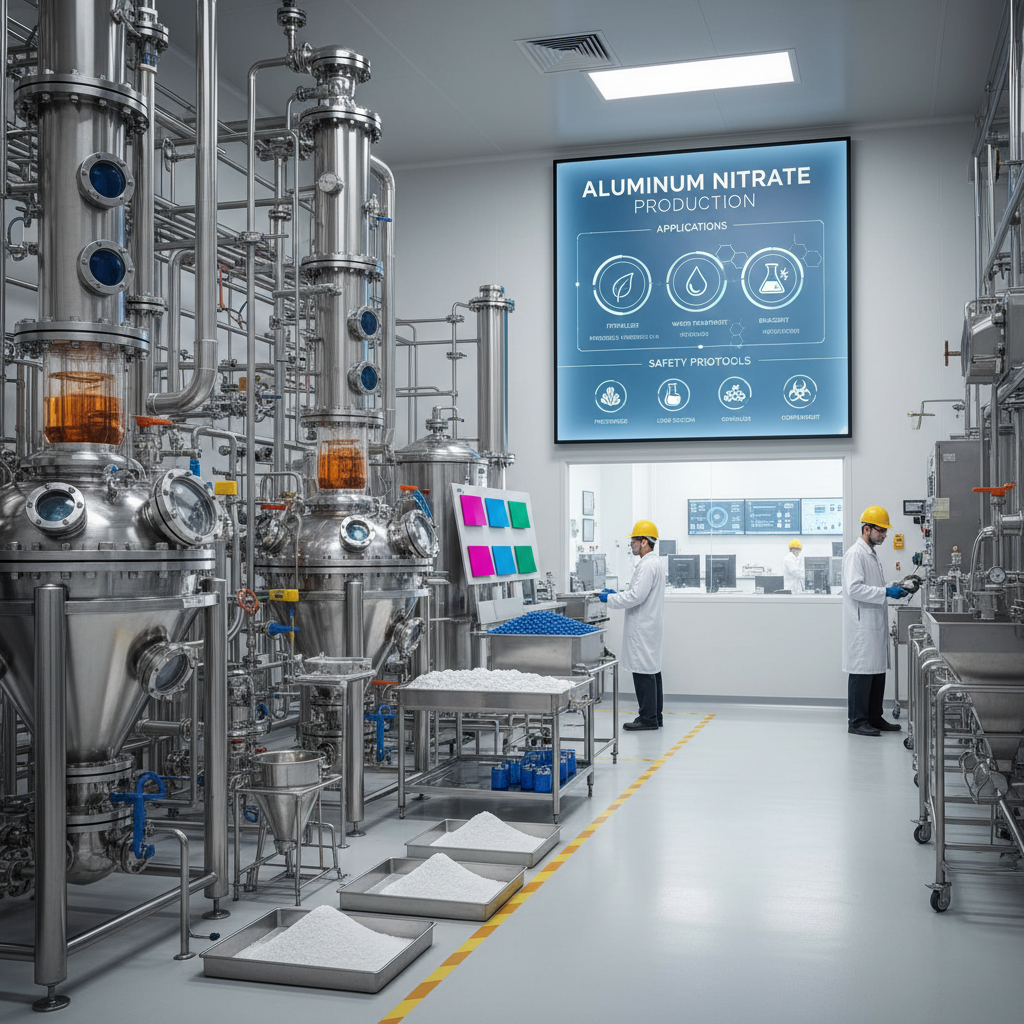
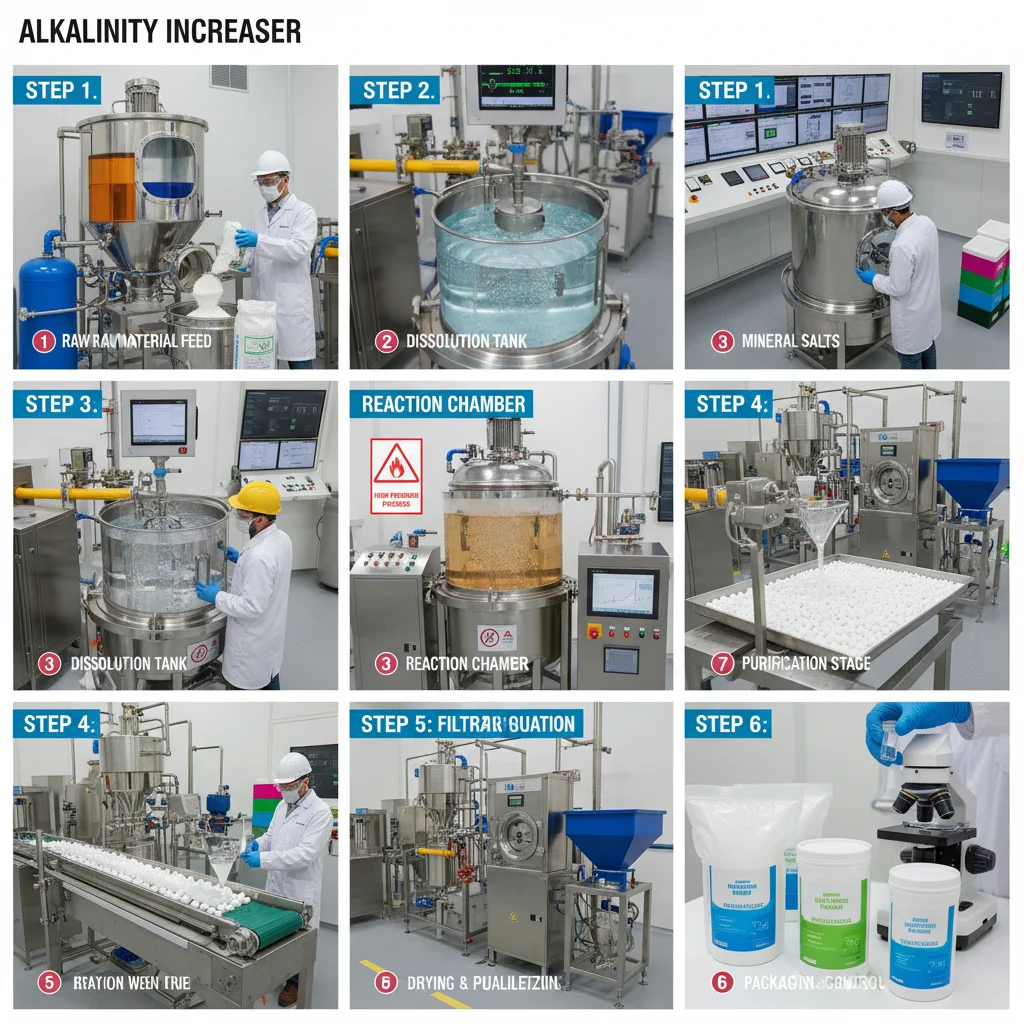
In the complex landscape of industrial chemistry, aluminum nitrate serves as a pivotal inorganic compound, bridging the gap between basic metal salts and high-performance chemical synthesis. Its unique solubility and reactivity make it indispensable across various sectors, from the production of specialized catalysts to the formulation of advanced agricultural enhancers, where precise mineral delivery is critical for crop resilience.
Globally, the demand for high-purity aluminum nitrate is driven by the shift toward more sustainable industrial processes and the need for efficient chemical precursors. As industries strive to meet ISO standards for quality and safety, understanding the chemical behavior and application versatility of this salt becomes essential for engineers and procurement specialists seeking to optimize their production cycles.
Whether utilized as a mordant in the textile industry or a key component in the synthesis of aluminum oxide catalysts, this compound offers a reliable pathway to achieving high-grade results. By exploring its properties and strategic applications, businesses can unlock new efficiencies in chemical manufacturing, ensuring that their end products maintain a competitive edge in a rigorous global market.
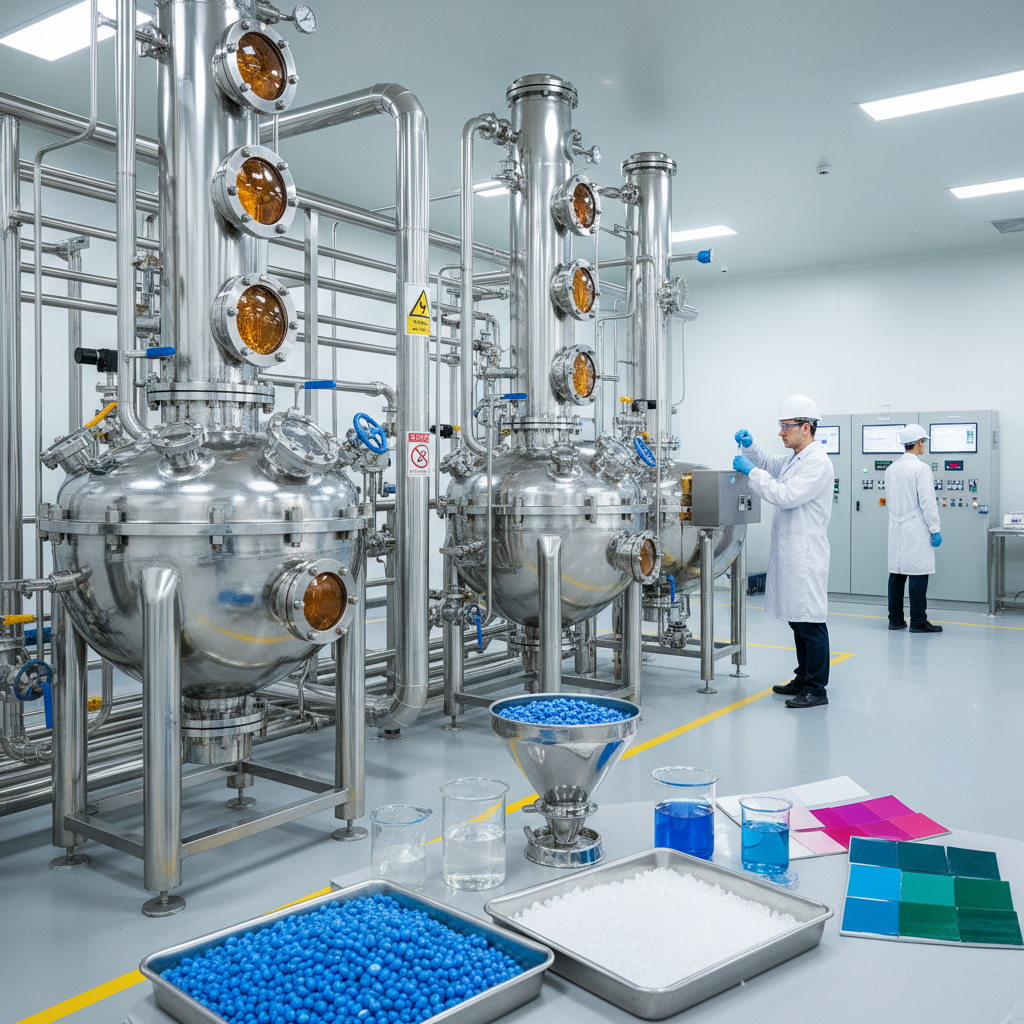
Global Relevance of Aluminum Nitrate
On a global scale, aluminum nitrate is more than just a chemical reagent; it is a foundational element in the supply chain of modern materials science. From the expansion of petrochemical refineries in the Middle East to the high-tech laboratories of East Asia, this compound provides the necessary precursors for the production of alumina and other aluminum-based ceramics.
The challenge often lies in the purity and stability of the compound during transport and storage. Many industries face the hurdle of "chemical degradation," where impurities in the salt lead to inconsistent reaction yields. By utilizing high-grade aluminum nitrate, manufacturers can significantly reduce waste and increase the reliability of their chemical synthesis processes.
Technical Definition and Chemical Properties
At its core, aluminum nitrate is an inorganic salt with the chemical formula Al(NO3)3. It typically exists as a nonodrate in its crystalline form, characterized by its high solubility in water and alcohol, and its ability to act as a strong oxidizing agent. This chemical nature allows it to be easily integrated into liquid-phase reactions, making it a preferred choice for aqueous-based industrial processes.
Beyond the basic chemistry, the compound plays a vital role in humanitarian and agricultural needs, particularly in the synthesis of specialized plant growth regulators. By providing a controlled source of aluminum and nitrate ions, it helps in formulating products that can modulate plant responses to environmental stress, thereby contributing to global food security.
In the context of modern industry, the "meaning" of aluminum nitrate extends to its role as a catalyst precursor. When decomposed under controlled thermal conditions, it yields high-purity aluminum oxide (alumina), which is essential for everything from spark plug insulators to high-performance abrasives used in aerospace engineering.
Core Components of Performance
The operational success of aluminum nitrate in commercial applications is primarily defined by its Solubility and Dissolution Rate. The speed at which the salt integrates into a solvent determines the homogeneity of the resulting solution, which is critical in the production of uniform catalysts and chemical coatings.
Another critical factor is Thermal Stability. The predictable decomposition temperature of aluminum nitrate allows engineers to precisely control the calcination process when creating alumina. This ensures that the resulting material has the specific surface area and pore structure required for high-efficiency filtration or catalytic conversion.
Finally, Chemical Purity remains the most significant driver of cost-efficiency. Minimizing trace iron or sodium contaminants in the aluminum nitrate supply prevents "catalyst poisoning," a common industrial failure where impurities deactivate the active sites of a catalyst, leading to costly production downtime and reduced product quality.
Comparative Efficiency in Industrial Use
When evaluating the performance of different grades of aluminum nitrate, industry experts look at the balance between purity and reactivity. Different synthesis methods—ranging from direct acid reaction to purified crystallization—yield results that vary in their effectiveness for specific high-tech applications, such as semiconductor grade alumina production.
The following analysis demonstrates how different variations of the compound perform across key industrial metrics. By comparing these "methods," companies can determine whether a standard grade is sufficient or if a specialized, high-purity version is required for their specific chemical process.
Industrial Performance Rating of Aluminum Nitrate Variations
Diverse Global Applications
The real-world utility of aluminum nitrate spans multiple continents and sectors. In the textile hubs of Southeast Asia, it is frequently used as a mordant to fix dyes to fabrics, ensuring color fastness and brilliance. Meanwhile, in North American petrochemical complexes, it serves as a precursor for the alumina supports used in hydrocracking catalysts, which are essential for producing high-quality gasoline and diesel.
Furthermore, in remote industrial zones specializing in mining and mineral processing, aluminum nitrate is employed in the synthesis of specialized flocculants. These chemicals are vital for water treatment and the purification of ores, allowing mining companies to reduce their environmental footprint by recycling process water more effectively.
Long-Term Strategic Value
The tangible benefits of integrating high-quality aluminum nitrate into a production line include significant cost reductions over time. While high-purity salts may have a higher upfront cost, they eliminate the need for expensive post-processing purification steps and reduce the frequency of catalyst replacement, thereby improving the overall ROI of the chemical plant.
From a sustainability perspective, the use of refined aluminum nitrate supports "green chemistry" goals. By increasing the selectivity of chemical reactions, it reduces the generation of hazardous by-products, aligning industrial output with the strict environmental regulations imposed by agencies like the EPA and the European Chemicals Agency (ECHA).
Ultimately, the reliability of this compound fosters trust between suppliers and manufacturers. In an era of volatile supply chains, having a consistent, high-spec source of aluminum nitrate ensures that production schedules are met without the risk of quality-related delays, providing a logical and emotional sense of security for operations managers.
Future Trends and Innovation
Looking ahead, the evolution of aluminum nitrate usage is being shaped by the digital transformation of the chemical industry. "Smart manufacturing" is allowing for the real-time monitoring of salt concentrations in reaction vessels, ensuring that the addition of aluminum nitrate is optimized to the milligram, further reducing waste and energy consumption.
Innovation is also trending toward the development of "nano-alumina" derived from nitrate precursors. These nanoparticles possess extraordinary surface areas and are being tested for use in next-generation battery electrodes and advanced drug delivery systems. This shift transforms a traditional industrial salt into a cornerstone of the nanotechnology revolution.
As policies push toward carbon neutrality, the synthesis of aluminum nitrate itself is becoming more eco-friendly. New methods focusing on closed-loop nitrate recovery and the use of renewable energy in the electrolysis phase are making the lifecycle of the compound more sustainable, ensuring its viability for decades to come.
Analysis of Aluminum Nitrate Application Performance and Future Outlook
|
Application Sector
|
Primary Role of Al-Nitrate
|
Efficiency Score (1-10)
|
Sustainability Impact
|
| Catalyst Production |
Alumina Precursor |
9.5 |
High (Reduced Emissions) |
| Textile Dyeing |
Color Mordant |
8.0 |
Moderate (Waste Water) |
| Agriculture |
Growth Regulator |
7.5 |
High (Crop Yield) |
| Water Treatment |
Flocculant Synthesis |
8.8 |
Very High (Pure Water) |
| Aerospace Ceramics |
Ultra-Pure Alumina |
9.8 |
Moderate (Energy Intensive) |
| Nanotechnology |
Nano-particle Seed |
9.2 |
High (Precision Tech) |
FAQS
The primary difference lies in the purity level. Industrial grade aluminum nitrate is suitable for bulk applications like mordanting or basic flocculants, whereas analytical grade (AR) is purified to remove trace metals. AR grade is essential for laboratory research and high-precision catalyst synthesis where even parts-per-million of impurities can compromise the result.
Aluminum nitrate is hygroscopic and an oxidizer. It should be stored in airtight, moisture-proof containers, away from combustible materials and strong reducing agents. Maintaining a cool, dry environment prevents the salt from clumping and ensures its chemical stability for long-term use.
Yes, when formulated correctly and used in specified concentrations. It provides essential nitrogen and aluminum ions that can modulate plant growth. However, strict adherence to dosage guidelines is necessary to avoid aluminum toxicity in the soil, which can inhibit root growth if over-applied.
Not always. While both provide aluminum ions, the nitrate anion is a strong oxidizer and more soluble than the sulfate anion. The choice depends on the desired reaction kinetics and the sensitivity of the end product to nitrate ions. Consult a chemical engineer to determine if the substitution is viable for your specific process.
Waste containing aluminum nitrate must be treated to neutralize the nitrate content and precipitate the aluminum. Uncontrolled discharge can lead to nitrate pollution in groundwater. Following local environmental regulations and using professional hazardous waste disposal services is mandatory to ensure ecological safety.
Importing aluminum nitrate requires proper documentation, including a Certificate of Analysis (CoA) and a Material Safety Data Sheet (MSDS). Because it is an oxidizer, it must be shipped according to international hazardous materials regulations (IMDG/IATA). We recommend partnering with a certified supplier like HBJ Rain to ensure compliance with customs and safety standards.
Conclusion
In summary, aluminum nitrate stands as a versatile and critical tool in the modern chemical arsenal. From its foundational role in catalyst and alumina production to its specialized applications in agriculture and textiles, its high solubility and predictable thermal properties provide unmatched industrial value. By prioritizing purity and stability, manufacturers can achieve higher yields, lower waste, and a more sustainable production cycle.
As we move toward an era of nanotechnology and green chemistry, the significance of aluminum nitrate will only grow. Companies that adopt high-purity standards and embrace digital optimization in their chemical processes will be best positioned to lead the market. For those seeking reliable, high-performance chemical solutions, investing in the right grade of precursors is the first step toward innovation. Visit our website: www.hbjrain.com