Understanding the Versatile Applications and Safety of Spirit of Ammonia
Understanding Spirit of Ammonia: Uses, Safety, and Applications
Spirit of ammonia, also known as ammonia solution, is a versatile household and industrial cleaning agent. Its strong, pungent odor and effective cleaning properties have made it a staple for various applications. However, its potency demands careful handling and understanding of its risks. This article will delve into the composition, uses, safety precautions, and proper handling of spirit of ammonia, providing comprehensive information for both home and professional users. Understanding these aspects is crucial for utilizing its benefits safely and effectively.
What is Spirit of Ammonia? Composition & Properties
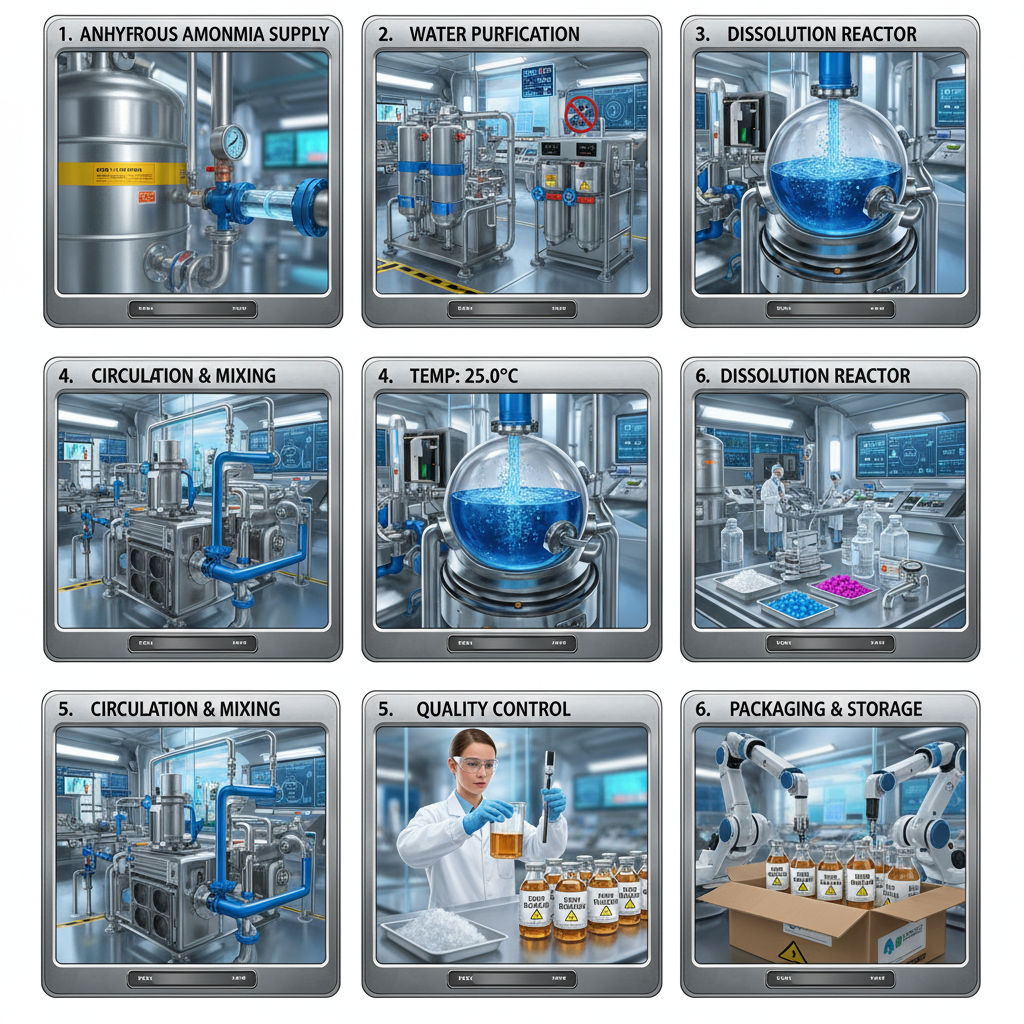
Spirit of ammonia isn't ammonia gas itself, but rather a 8-10% solution of ammonia gas (NH₃) dissolved in water. It’s a clear, colorless liquid with a characteristic sharp odor. Its alkaline nature makes it an excellent degreaser and cleaning agent. The concentration can vary slightly between manufacturers, but the typical range remains consistent. It effectively cuts through grease, grime, and dirt, making it popular for cleaning floors, windows, and bathroom fixtures. Beyond cleaning, it has uses in certain medical applications (though these are becoming less common) and industrial processes. It's important to always check the product label for the specific concentration and recommended uses. You can find high-quality spirit of ammonia from reputable suppliers.
Key Highlights: A clear, colorless liquid with a sharp odor. An 8-10% solution of ammonia gas in water, making it an effective alkaline cleaning agent.
Common Uses of Spirit of Ammonia
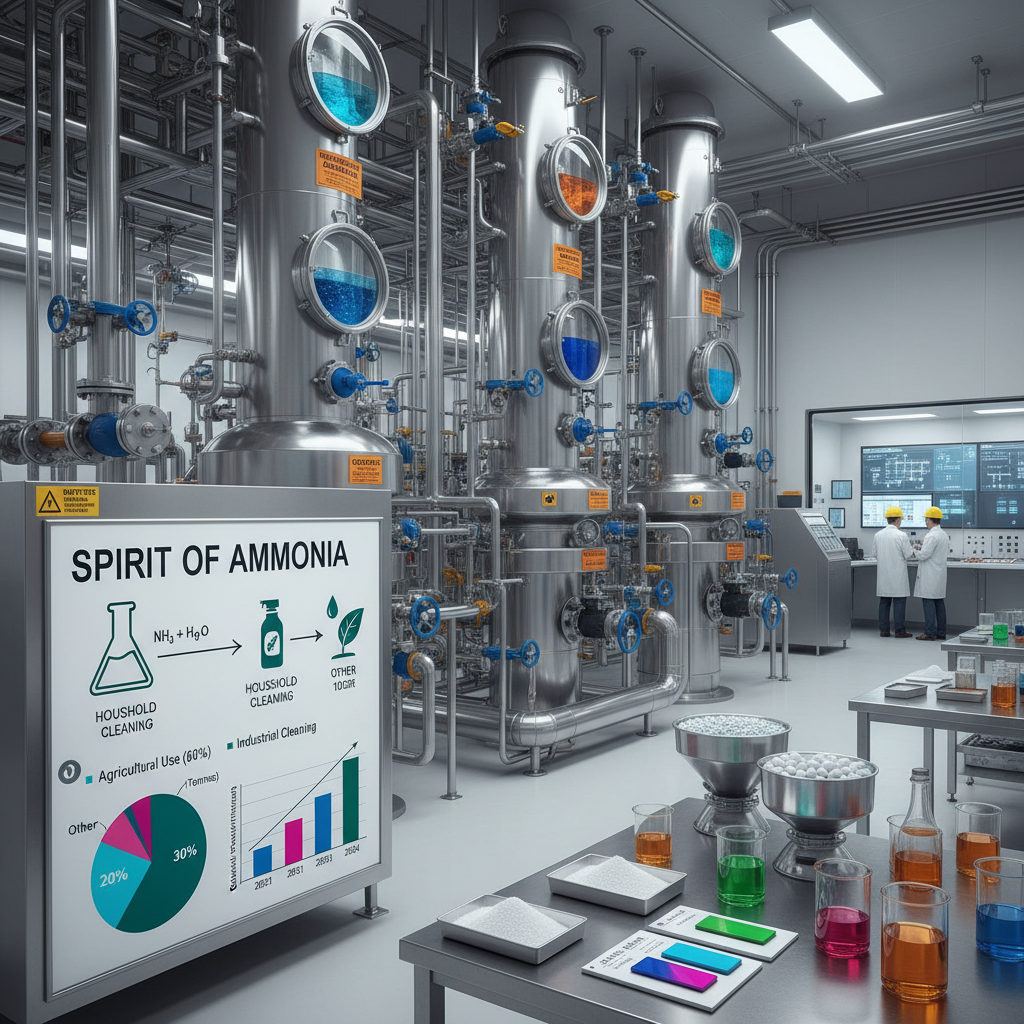
Spirit of ammonia boasts a wide array of applications. In households, it’s commonly used to clean glass and mirrors, leaving them streak-free. It’s also effective in removing stubborn dirt and grime from floors (avoid use on delicate surfaces). In the bathroom, it can tackle soap scum and mildew. Industrially, it’s used as a cleaning agent in metalworking, textile processing, and pharmaceutical manufacturing. Historically, it was used in some medicinal contexts as a stimulant, but this practice is now largely discouraged due to safety concerns. Care should be taken when using it on different surfaces to avoid damage. Proper dilution is key to safe and effective use.
Versatile Applications:
• Cleaning glass and mirrors
• Removing grime from floors
• Tackling soap scum and mildew in bathrooms
• Industrial cleaning in metalworking and textiles
Spirit of Ammonia vs. Other Cleaning Agents: A Comparison
Compared to other cleaning agents, spirit of ammonia offers unique benefits and drawbacks. While bleach is a powerful disinfectant, it can damage certain surfaces and release harmful fumes when mixed with ammonia. Vinegar, a milder acid, is effective for some cleaning tasks but lacks the degreasing power of ammonia. Commercial all-purpose cleaners often contain a blend of chemicals and may not be as effective on heavy grease. Spirit of ammonia stands out for its cost-effectiveness and potent cleaning ability, but it requires careful handling and ventilation. Choosing the right cleaning agent depends on the specific task and safety considerations.
Safety Precautions When Using Spirit of Ammonia
Due to its corrosive nature, handling spirit of ammonia requires strict adherence to safety guidelines. Never mix it with bleach, as this creates toxic chloramine gas. Always work in a well-ventilated area to avoid inhaling the fumes. Wear protective gloves and eye protection to prevent skin and eye irritation. Keep it out of reach of children and pets. If contact with skin or eyes occurs, rinse thoroughly with water and seek medical attention. Store in a cool, dry place, away from direct sunlight and heat sources. For detailed safety information, refer to the Safety Data Sheet (SDS) provided by the manufacturer. You can find consistently high-quality and safe products at Hbjrain.
Proper Dilution and Application Techniques
Dilution is crucial for safe and effective use of spirit of ammonia. For general cleaning, a dilution of 1 part ammonia to 10 parts water is recommended. For tougher grime, you can increase the concentration slightly, but never use it undiluted. Always add ammonia to water, never water to ammonia, to avoid splashing. When cleaning surfaces, test a small, inconspicuous area first to ensure compatibility. Apply with a sponge or cloth, and rinse thoroughly with clean water. Avoid using it on aluminum, painted surfaces, or delicate materials. Proper dilution and application minimize risks and maximize cleaning performance.
Conclusion: Responsible Use of Spirit of Ammonia
Spirit of ammonia remains a valuable cleaning agent when used responsibly. Understanding its properties, applications, and safety precautions is paramount. By following the guidelines outlined in this article, you can harness its cleaning power while minimizing risks. For reliable and high-quality spirit of ammonia, trust Hbjrain as your trusted supplier.
Frequently Asked Questions (FAQs)
What should I do if I accidentally inhale spirit of ammonia fumes?
If you inhale spirit of ammonia fumes, immediately move to fresh air. If you experience difficulty breathing, coughing, or throat irritation, seek medical attention. Open windows and doors to ventilate the area. Avoid further exposure to the fumes. Severe inhalation can cause pulmonary edema, so prompt medical care is crucial. Prevention is key – always use spirit of ammonia in a well-ventilated space.
Can spirit of ammonia be used to clean stainless steel?
Yes, spirit of ammonia can be used to clean stainless steel, but with caution. Dilute it significantly (1 part ammonia to 20 parts water) and test a small, hidden area first. Apply with a soft cloth, following the grain of the stainless steel, and rinse thoroughly with clean water. Avoid abrasive scrubbing, as it can scratch the surface.
What are the proper storage conditions for spirit of ammonia?
Store spirit of ammonia in a cool, dry, and well-ventilated area, away from direct sunlight, heat sources, and incompatible materials (especially bleach). Keep the container tightly closed when not in use. Store it out of reach of children and pets. Original, labeled containers are the safest option. Ensure the storage area is protected from temperature extremes.