Understanding the Risks and Management of Toxic Chemicals
Understanding the Risks and Management of Toxic Chemicals
In today's industrial landscape, the use of various synthetic compounds is inevitable. However, the presence of toxic chemicals poses significant challenges to both human health and environmental sustainability. From manufacturing plants to agricultural runoff, these substances can infiltrate our ecosystems if not managed with precision. Understanding how to identify, handle, and neutralize these hazardous materials is not just a regulatory requirement but a moral imperative for modern businesses. This guide explores the nature of these substances and the best practices for mitigating their impact.

Common Types of Toxic Chemicals in Industry
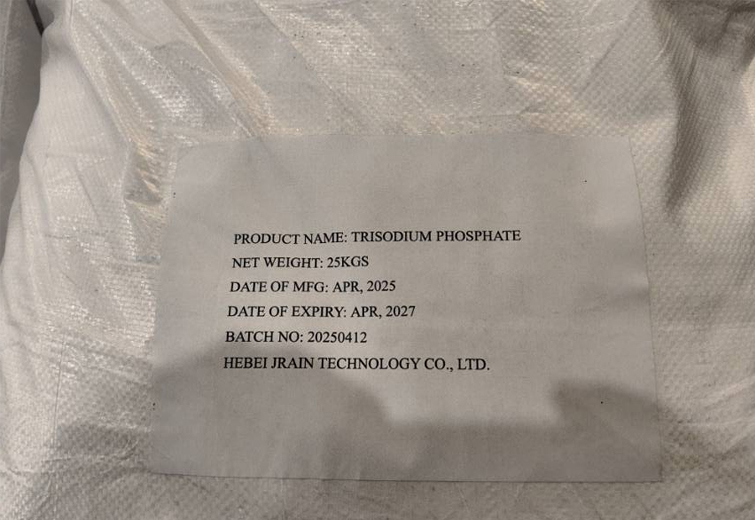
Toxic substances are generally categorized by their effect on biological systems. Some act as acute poisons, causing immediate harm, while others are chronic toxins that build up over time. Heavy metals like lead and mercury, volatile organic compounds (VOCs), and various corrosive acids are frequently encountered in industrial settings. The danger often lies in their invisibility; many toxic chemicals are colorless and odorless, making professional monitoring equipment essential. Proper labeling and Safety Data Sheets (SDS) are the first line of defense in identifying these risks.
Industry Insight: Most industrial accidents involving hazardous substances occur due to improper storage or a lack of understanding of chemical compatibility, highlighting the need for rigorous staff training.
Environmental Impact of Toxic Chemicals
When toxic chemicals enter the environment, they often undergo a process called bioaccumulation. This occurs when toxins build up in the tissues of living organisms, increasing in concentration as they move up the food chain. Water contamination is particularly concerning, as soluble chemicals can travel miles from the original spill site, affecting drinking water and aquatic life. Implementing closed-loop systems and advanced filtration is critical to preventing these pollutants from reaching the groundwater.

Comparing Exposure Levels of Toxic Chemicals
Not all exposure to hazardous substances is equal. The toxicity of a chemical is often measured by its LD50 (Lethal Dose, 50%) or its Permissible Exposure Limit (PEL). While some toxic chemicals cause immediate irritation, others are insidious, affecting the endocrine or nervous systems over decades. Below is a comparison of different toxicity categories and their typical industrial impact.
Best Practices for Handling Toxic Chemicals
Safe handling of toxic chemicals requires a multi-layered approach. First, the principle of substitution should be applied: can a less hazardous chemical achieve the same result? If not, engineering controls, such as fume hoods and automated dispensing systems, must be implemented to isolate the worker from the substance. Finally, Personal Protective Equipment (PPE) acts as the last line of defense. This includes chemically resistant gloves, face shields, and specialized respirators tailored to the specific chemical's molecular weight and volatility.
Safety Checklist for Handling:
• Verify the Safety Data Sheet (SDS) before use
• Ensure secondary containment for all liquid storage
• Test ventilation systems and alarms weekly
• Maintain a clear emergency eyewash and shower station
Regulatory Standards for Toxic Chemicals Disposal
Disposing of toxic chemicals is a heavily regulated process. Simply pouring substances down the drain can lead to catastrophic failures in municipal wastewater treatment plants and severe legal penalties. Regulations often require the "cradle-to-grave" tracking of hazardous waste, meaning the producer is responsible for the chemical from the moment it is created until it is permanently neutralized. Proper disposal methods include high-temperature incineration, chemical stabilization, and secure landfilling.
Conclusion: A Sustainable Approach to Chemical Management
Managing toxic chemicals is a complex but essential part of industrial operations. By combining rigorous safety protocols, advanced engineering controls, and a commitment to environmental regulations, companies can protect their workforce and the planet. The shift toward "Green Chemistry" offers a promising future where hazardous substances are replaced by sustainable alternatives. Until then, vigilance and professional management remain the only way to ensure safety and compliance in the face of chemical risks.
Frequently Asked Questions (FAQs)
How can I identify if a substance is one of the toxic chemicals in my workplace?
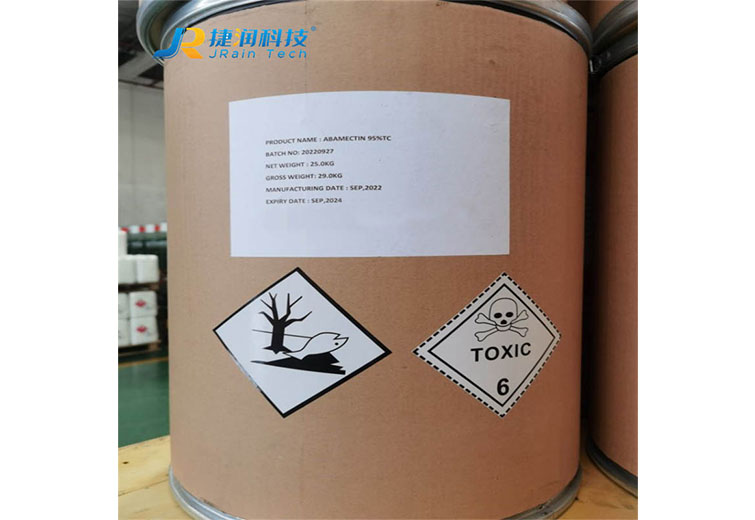
The most reliable way to identify hazardous substances is by consulting the Safety Data Sheet (SDS) provided by the manufacturer. The SDS contains 16 standardized sections, including hazard identification, first-aid measures, and handling instructions. Additionally, look for GHS (Globally Harmonized System) pictograms on the container labels—such as the skull and crossbones for acute toxicity or the health hazard symbol for carcinogens. If a substance is unlabeled, it should be treated as highly toxic until professionally analyzed by a lab.
What is the difference between acute and chronic toxicity?
Acute toxicity refers to adverse effects occurring shortly after a single exposure or multiple exposures within a short timeframe (usually 24 hours). Examples include chemical burns or immediate respiratory failure. Chronic toxicity, however, occurs through repeated, long-term exposure to small amounts of toxic chemicals. This can lead to organ failure, cancer, or neurological disorders that may not appear for years. Monitoring both immediate reactions and long-term health trends is essential for worker safety.
What should be the first step in the event of a toxic chemical spill?
The immediate priority is evacuation and isolation. Clear the area of all non-essential personnel to prevent inhalation or skin contact. Once the area is secure, notify the hazardous materials (HAZMAT) team or the safety officer. If the spill is small and the substance is known, trained personnel using appropriate PPE should use absorbent materials or neutralizing agents as specified in the SDS. Never attempt to clean up an unknown chemical spill without full respiratory and dermal protection, as the substance could be volatile or reactive.
Are there sustainable alternatives to common toxic chemicals?
Yes, the field of Green Chemistry is dedicated to finding safer alternatives. For example, water-based solvents are replacing many volatile organic compounds (VOCs) in paints and coatings. Bio-based surfactants are replacing petroleum-derived chemicals in detergents. Many industries are also moving toward enzymatic catalysts instead of heavy metal catalysts to reduce toxic waste. Switching to these alternatives not only reduces the risk of exposure to toxic chemicals but often lowers disposal costs and improves brand reputation.