Understanding Styrene Properties Applications and Current Market Trends
Understanding Styrene: Properties, Applications & Market Trends
Styrene is a crucial organic compound with a wide range of industrial applications. Primarily known as the building block for polystyrene plastics, its impact extends to numerous other products, from rubber to resins. This article will delve into the properties of styrene, its diverse applications, current market trends, and the role HBJ Rain plays in sourcing and supplying this essential chemical. Understanding styrene's characteristics is vital for professionals across various industries.

Chemical and Physical Properties of Styrene
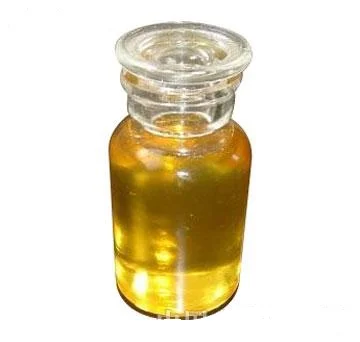
Styrene (C8H8) is an unsaturated aromatic hydrocarbon. At room temperature, it exists as a colorless oily liquid with a sweet odor. Its key properties include high reactivity, allowing it to readily polymerize. Important characteristics include a boiling point of 82.1°C and a flash point of 31°C. It is generally insoluble in water but miscible with many organic solvents. Styrene is flammable and requires careful handling due to its potential health hazards, including irritant effects. Due to its volatility, it can form explosive mixtures with air. The quality of HBJ Rain's styrene offerings guarantees consistency and purity.
Key Highlights: High reactivity enabling polymerization, colorless oily liquid, flammable and requires careful handling.
Applications of Styrene Across Industries
The largest application of styrene is in the production of polystyrene, used extensively in packaging, insulation, and consumer products. However, its use isn't limited to this. It’s also a vital component in the manufacturing of styrene-butadiene rubber (SBR) used in tires, acrylonitrile butadiene styrene (ABS) resins known for their strength and impact resistance, and unsaturated polyester resins used in fiberglass. Other applications include synthetic latex, coatings, and adhesives. The demand for styrene is thus closely tied to the growth of these end-use industries. HBJ Rain delivers styrene to diverse manufacturing sectors.
Key Application Areas:
• Polystyrene Production (Packaging, Insulation)
• Styrene-Butadiene Rubber (Tires)
• ABS Resins (Automotive Parts, Appliances)
• Unsaturated Polyester Resins (Fiberglass)
Styrene Production Methods: A Comparative Overview
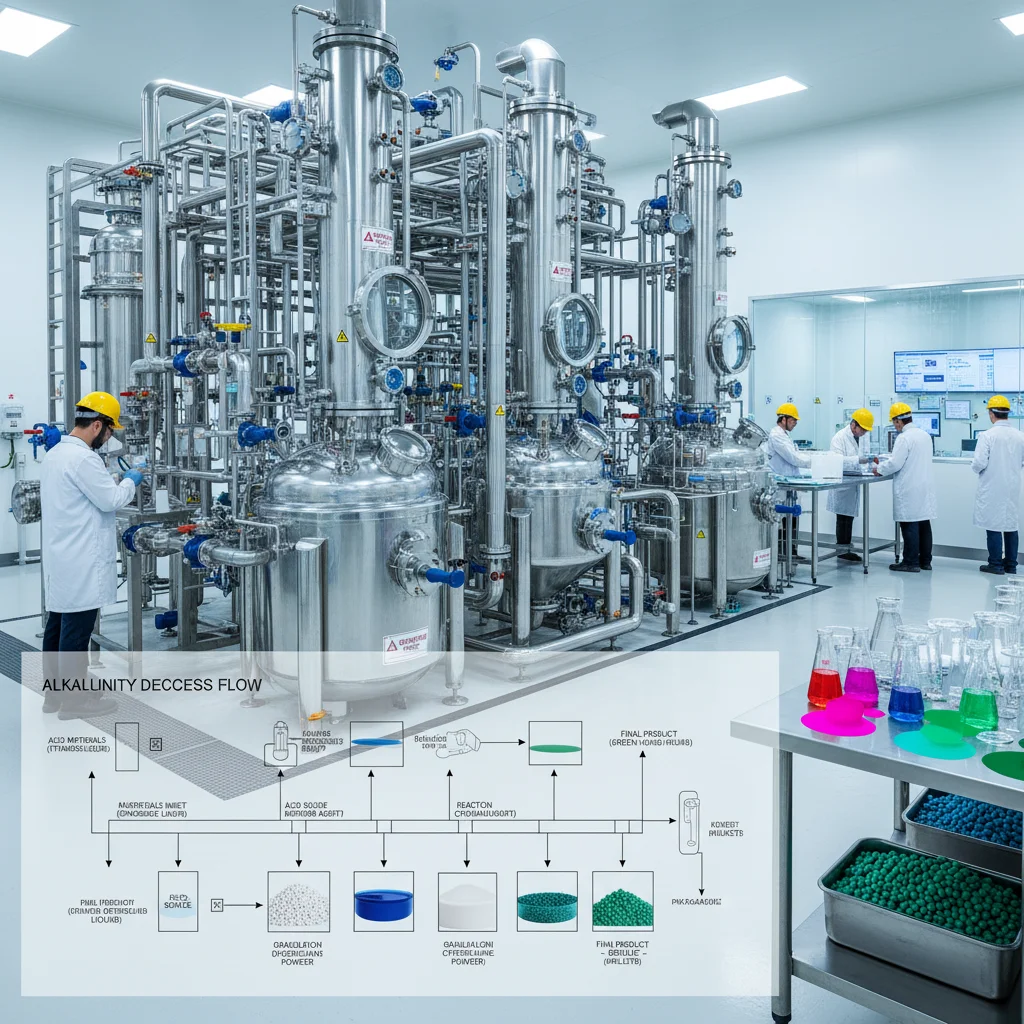
The dominant method for styrene production is the ethylbenzene dehydrogenation process. This involves reacting ethylbenzene with steam at high temperatures in the presence of a catalyst. Alternative, though less common, routes include the propylene oxide/styrene monomer (POSM) process and the cumene process. The ethylbenzene dehydrogenation route is favored due to its higher styrene yield and cost-effectiveness. Continuous improvements in catalyst technology are enhancing the efficiency of this process. HBJ Rain partners with reliable manufacturers utilizing advanced production methods.
Global Styrene Market Trends and Future Outlook
The global styrene market is influenced by economic growth, particularly in the automotive, construction, and packaging sectors. Demand in Asia-Pacific currently dominates the market, driven by rapid industrialization in countries like China and India. Fluctuations in crude oil prices significantly impact styrene production costs. Recent trends include a growing focus on bio-based styrene production as a sustainable alternative. The market is expected to continue growing steadily in the coming years, though subject to economic uncertainties. HBJ Rain monitors these trends to provide customers with competitive pricing and reliable supply.
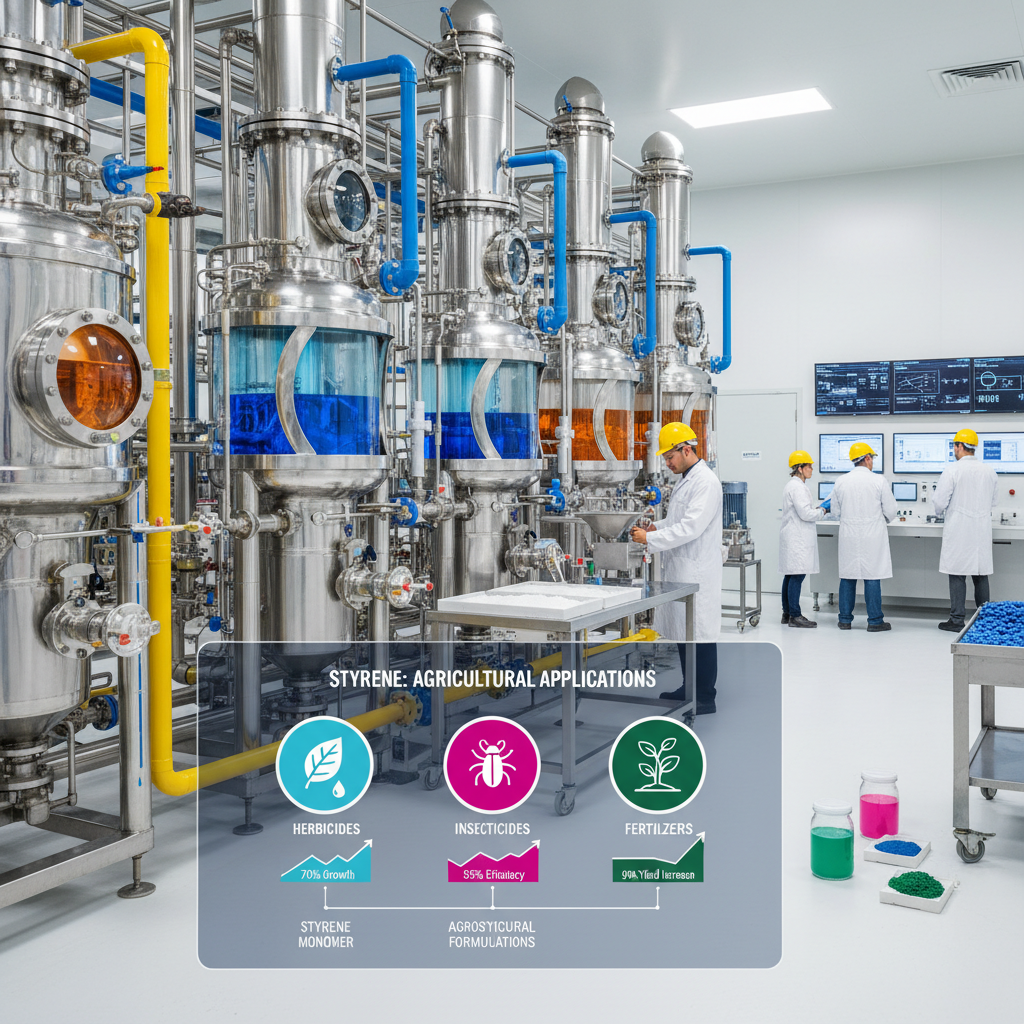
HBJ Rain: Your Trusted Styrene Supplier
HBJ Rain specializes in the sourcing and supply of high-quality styrene to businesses worldwide. We offer competitive pricing, reliable logistics, and a commitment to customer satisfaction. Our extensive network of manufacturers allows us to meet diverse requirements, from bulk orders to specialized specifications. We prioritize product integrity and adhere to stringent quality control standards. Contact us today to learn how we can support your styrene needs.
Conclusion: Partnering with a Reliable Styrene Source
Styrene remains a vital component in numerous industries, and securing a consistent supply of high-quality material is crucial for success. HBJ Rain offers a dependable solution, combining competitive pricing, reliable logistics, and a dedication to meeting your specific requirements. Choose HBJ Rain as your styrene partner for long-term success.
Frequently Asked Questions (FAQs)
What are the primary safety concerns when handling styrene?
Styrene is a flammable liquid and vapor. It can cause irritation to the skin, eyes, and respiratory system. Prolonged exposure may lead to neurological effects. It is essential to handle styrene in a well-ventilated area, wearing appropriate personal protective equipment (PPE) such as gloves, goggles, and a respirator. Avoid contact with heat, sparks, and open flames. Consult the Safety Data Sheet (SDS) for detailed safety information. Proper storage and handling procedures are critical to minimizing risks.
What are the typical packaging options for styrene?
Styrene is commonly packaged in steel drums, ISO tanks, and flexitanks, depending on the volume and transportation requirements. Steel drums are suitable for smaller quantities, while ISO tanks and flexitanks are preferred for bulk shipments. Packaging materials must be compatible with styrene and adhere to relevant safety regulations. HBJ Rain offers flexible packaging options to meet client needs.
How does HBJ Rain ensure the quality of its styrene supply?
HBJ Rain maintains rigorous quality control procedures throughout the sourcing and supply chain. We partner with reputable manufacturers and conduct thorough testing to ensure compliance with industry standards. Each batch is analyzed for purity, and we provide Certificates of Analysis (COA) to our customers. Our commitment to quality ensures that you receive a consistent, reliable product.
What is the shelf life of styrene?
Styrene is susceptible to polymerization over time, especially when exposed to light, heat, or oxygen. While it doesn't have a strict "expiration date," it's generally recommended to use styrene within 6-12 months of the manufacturing date for optimal quality. Proper storage in a cool, dark, and well-ventilated area, under an inert gas blanket (nitrogen), can help extend its shelf life.