Comprehensive Guide to Sodium Lauryl Ether Sulfate Properties and Applications
Sodium Lauryl Ether Sulfate (SLES): A Comprehensive Guide
Sodium Lauryl Ether Sulfate (SLES) is a widely used anionic surfactant found in a multitude of personal care and cleaning products. Its excellent foaming and cleansing properties make it a key ingredient in everything from shampoos and body washes to detergents and dish soaps. This article provides a detailed overview of SLES, exploring its properties, applications, safety considerations, and sourcing. We will also discuss the differences between SLES and Sodium Lauryl Sulfate (SLS). If you are looking for a reliable supplier of high-quality SLES, HBJ Rain Chemical offers a comprehensive range of products to meet your needs. Understanding SLES is crucial for formulators and businesses across various industries.
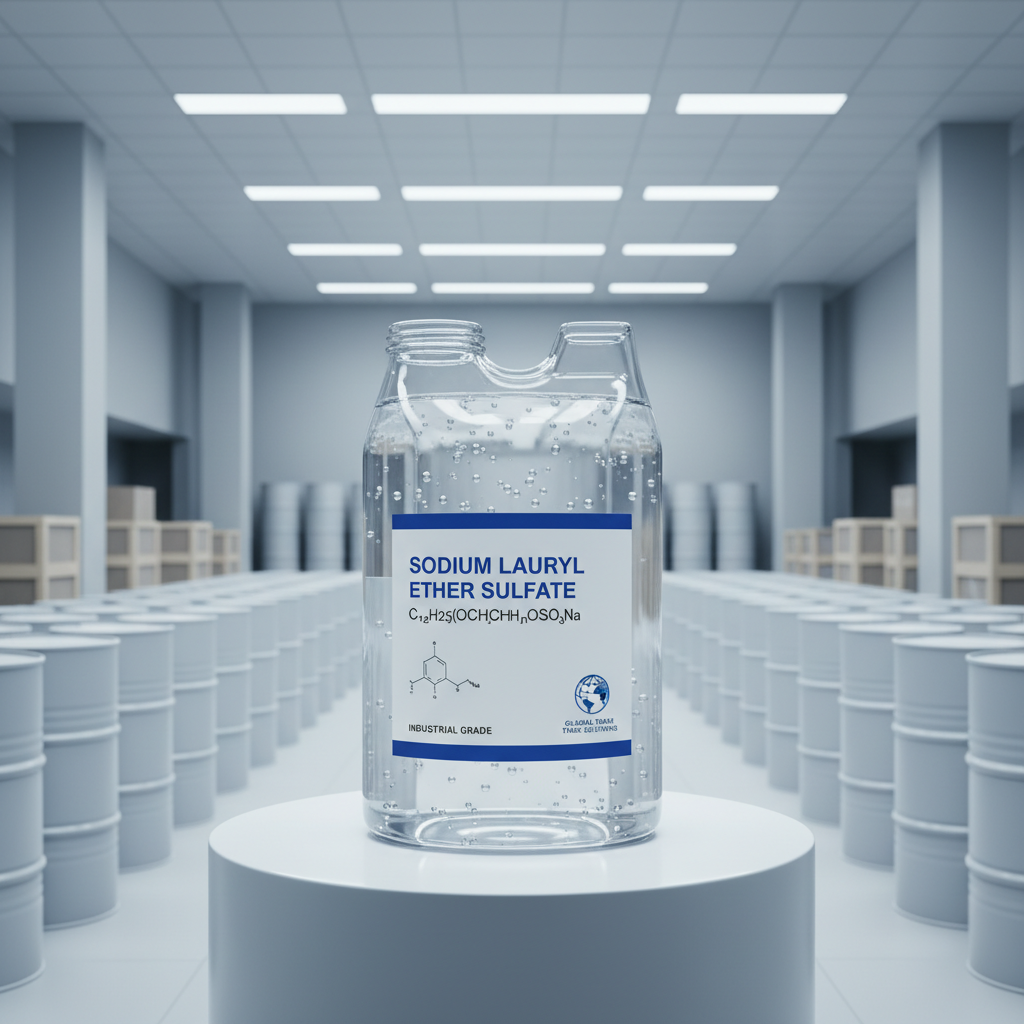
What is Sodium Lauryl Ether Sulfate (SLES)?
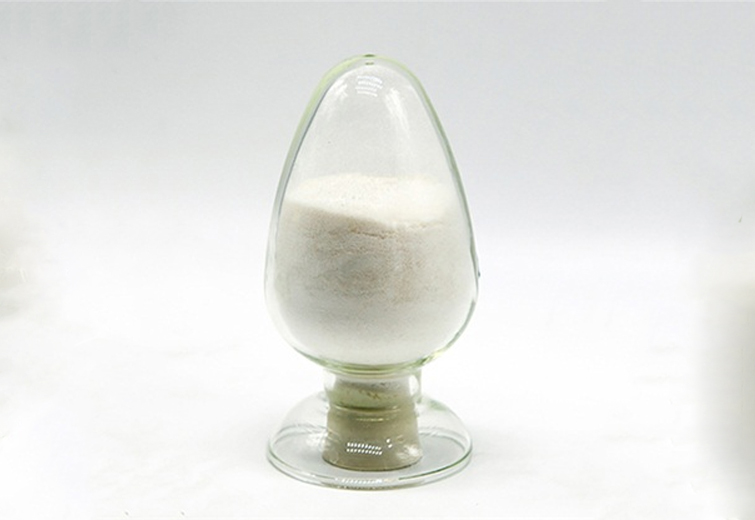
SLES is produced by ethoxylating Sodium Lauryl Sulfate (SLS). Ethoxylation involves reacting SLS with ethylene oxide, which modifies the molecule to make it milder and less irritating than SLS. This process also significantly improves its foaming characteristics and solubility. SLES is typically available as a 70% active solution, meaning 70% of the product is the actual surfactant, and the remaining 30% is primarily water. It's a versatile ingredient that's easily incorporated into various formulations. HBJ Rain Chemical provides SLES in different concentrations to suit diverse application requirements.
Key Highlights: SLES is a milder alternative to SLS, offering excellent foaming and cleansing properties. It's widely used in personal care and cleaning products due to its versatility and effectiveness.
SLES vs. SLS: Understanding the Key Differences
While both SLES and SLS are effective surfactants, they differ significantly in their irritation potential. SLS is known for being a harsh cleanser that can strip the skin of its natural oils, leading to dryness and irritation. SLES, due to the ethoxylation process, is milder and less likely to cause these issues. The addition of ethylene oxide reduces SLS's aggressive cleansing action, making SLES a more consumer-friendly option. This is why SLES is preferred in products designed for frequent use, such as shampoos and body washes. Many consumers specifically seek products without SLS, opting for SLES as a gentler alternative.
SLES vs. SLS: A Quick Comparison
• SLES is milder and less irritating than SLS.
• SLES produces a richer and more stable foam.
• SLES is generally more expensive than SLS.
• SLS has stronger cleansing power but can be drying.
Applications of Sodium Lauryl Ether Sulfate
SLES boasts a wide range of applications across various industries. In the personal care sector, it’s a staple in shampoos, body washes, facial cleansers, and bubble baths. Its exceptional foaming properties contribute to a luxurious cleansing experience. In household cleaning, SLES is utilized in liquid detergents, dish soaps, laundry detergents, and hard surface cleaners. Industrial applications include textile processing, leather manufacturing, and oil field chemicals. The versatility of SLES makes it an indispensable ingredient for manufacturers seeking effective cleansing and foaming agents. HBJ Rain Chemical caters to these diverse needs with consistent quality and reliable supply.
SLES Product Specifications and Quality Control
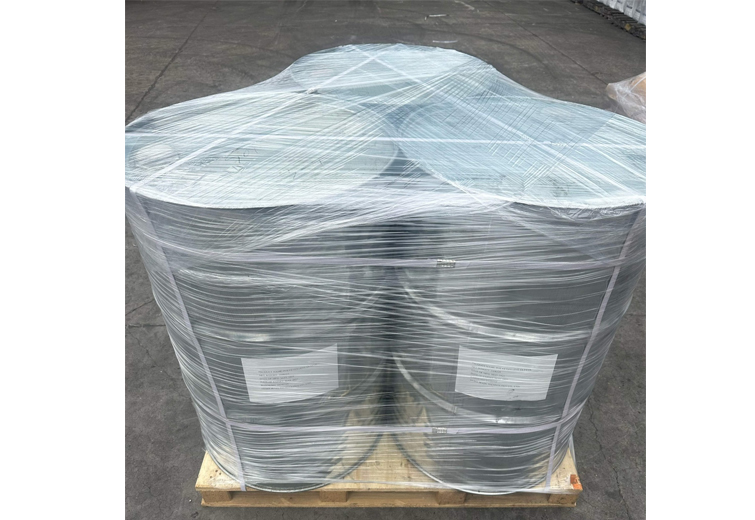
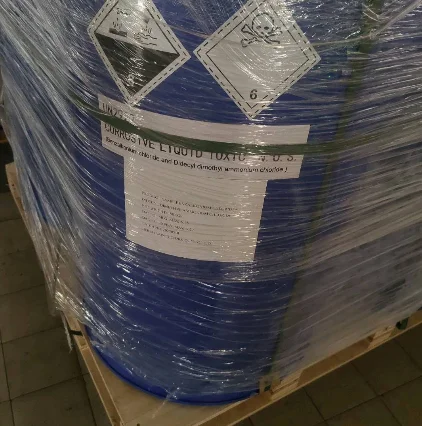
Ensuring the quality and purity of SLES is paramount. At HBJ Rain Chemical, we adhere to stringent quality control measures throughout the production process. Our SLES products consistently meet or exceed industry standards, offering reliable performance in various applications. Here's a typical specification sheet:
Conclusion: Choosing the Right SLES Supplier
Selecting a reliable SLES supplier is crucial for maintaining product quality and consistency. HBJ Rain Chemical is committed to providing high-quality SLES, exceptional customer service, and competitive pricing. We are dedicated to meeting the diverse needs of our clients with tailored solutions and consistent product performance.
Frequently Asked Questions (FAQs)
Is SLES safe for use in personal care products?
SLES is considered safe for use in personal care products at concentrations typically found in formulations. It’s less irritating than SLS, and extensive testing has shown it to be non-toxic and non-carcinogenic. However, some individuals may experience mild skin irritation. The Cosmetic Ingredient Review (CIR) Expert Panel has assessed the safety of SLES and concluded that it is safe as used in cosmetic products. Nonetheless, manufacturers should conduct their own testing to ensure product safety and compatibility.
What is the shelf life of SLES?
Typically, SLES has a shelf life of approximately 2 years when stored correctly in a cool, dry place, away from direct sunlight and extreme temperatures. Proper storage is crucial to prevent degradation and maintain its effectiveness. It's important to check the Certificate of Analysis (COA) provided by the supplier for the specific batch's expiration date.
Can SLES be used in eco-friendly formulations?
While SLES is not a naturally derived ingredient, it is biodegradable. However, the biodegradability rate can vary depending on environmental conditions. For truly eco-friendly formulations, consider blending SLES with other milder, plant-derived surfactants.