Clomazone Herbicide vs. Butachlor: Compare Grade, Formulation and Crop Fit
Clomazone herbicide and Butachlor share pre-emergence use, but their listed crops, weed categories and available formulations differ. Clomazone is listed for soybean, corn, cassava, rape, sugarcane and tobacco with 90% TC or 48% EC. Butachlor is listed for paddy, winter barley, wheat, cotton and peanuts with 92% or 94% TC or 60% EC. Use the crop, weed group and finished formulation to frame your inquiry.

Clomazone herbicide
Butachlor herbicide
Start with the crop program
The crop list should determine which product you evaluate first. Our Clomazone herbicide product is listed for soybean, corn, cassava, rape, sugarcane and tobacco. Our Butachlor herbicide product is listed for paddy, winter barley, wheat, cotton and peanuts.
Both products are intended for pre-emergence use. That gives them a shared timing category, while the listed crop programs point to different purchasing conversations. If your formulation or registration plan centers on soybean or cassava, start with Clomazone. If it centers on paddy, wheat or cotton, start with Butachlor.
Shared specifications at a glance
| Criterion | Clomazone | Butachlor |
|---|---|---|
| Technical grade | 90% TC | 92% TC or 94% TC |
| Emulsifiable concentrate formulation | 48% EC | 60% EC |
| Standardization | FAO Standard | FAO Standard Compliant |
| Registration support | GLP, ICAMA and LOA | GLP, ICAMA and LOA |
| Application timing | Pre-emergence | Pre-emergence |
| Weed category | Annual grassy and broadleaf weeds | Annual grass weeds |
| Packaging | Customized labeling | Customized packing and labeling |
The technical-grade figures are a clear difference in the shared specification set. Clomazone is available as 90% TC, while Butachlor is available as 92% or 94% TC. These are different active ingredients, so the percentage alone does not establish which product will perform better in a field or formulation. Use the grade required by your formulation target and registration plan.
The EC choices also differ: 48% EC for Clomazone and 60% EC for Butachlor. Ask your formulator to match the concentrate to the intended finished product, packaging, label and local registration route. We can discuss the required format and customized labeling or packing for the order.
Crop and weed fit
Clomazone covers annual grassy and broadleaf weeds in its listed crop programs. The product page names soybean, corn, cassava and other crops including rape, sugarcane and tobacco. This makes the crop list the practical first filter for a Clomazone herbicide inquiry.
Butachlor is positioned for annual grass weeds and is listed for paddy, winter barley, wheat, cotton and peanuts. Its control objects include barnyard grass, giant knotgrass, ragwort and kudzu grass. A buyer building a rice or cereal program can therefore compare the Butachlor grade and 60% EC option against the target label and weed profile.
Picture two different order reviews. A distributor preparing a soybean or corn program can send the crop, target weed group and desired 90% TC or 48% EC format for a Clomazone discussion. A paddy or wheat program can send the same information for Butachlor, including whether the 92% or 94% TC grade is preferred. Fix the crop and weed details before comparing pack formats or labels.
Documentation and packaging checks
Both products use FAO-related standardization language and include registration support involving GLP, ICAMA and LOA. These shared points make the documentation category comparable, while the destination market and finished formulation determine the practical document discussion.
Customized labeling is available for Clomazone, while Butachlor includes customized packing and labeling. For an import or private-label order, prepare the product name, technical grade or formulation, pack format, label language and destination market. We can then discuss the matching product and document set.
Questions buyers still ask
What soil condition should be checked for Butachlor?
Avoid soils with extreme organic matter content when evaluating Butachlor. Include the soil condition in the technical discussion alongside the crop, target weed group and selected grade. This check is specific to the Butachlor program and helps keep the product review connected to the intended field conditions instead of relying on concentration alone.
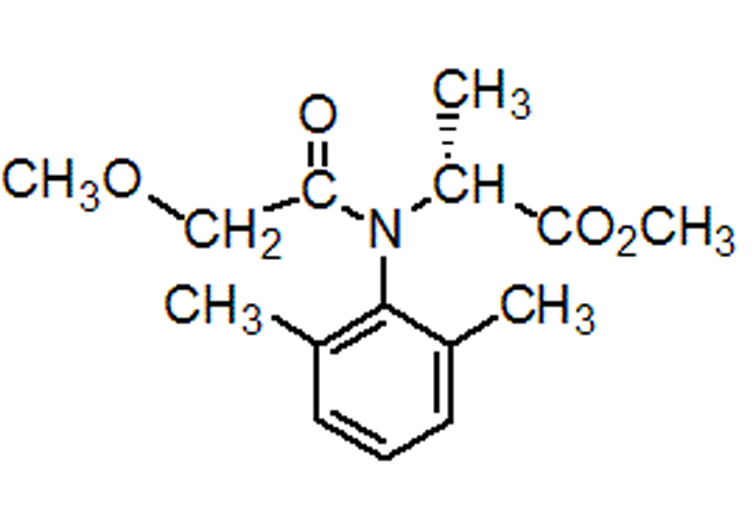
What is the chemical nature listed for Butachlor?
Butachlor is listed as a chloroacetanilide. That classification belongs in a formulation or registration review when your team is organizing product identity, crop use and supporting documents. Keep it separate from the available 92% TC, 94% TC and 60% EC formats, which identify concentration and formulation choices.
How does Clomazone act before weeds emerge?
Clomazone is listed as a selective pre-emergence herbicide absorbed by roots and associated with inhibition of isoprene synthesis. For a Clomazone inquiry, pair the intended crop and annual grassy or broadleaf weed group with the 90% TC or 48% EC format. This gives the formulator a more useful starting brief than the product name alone.
Make the specification request specific
Choose Clomazone for the listed soybean, corn, cassava, rape, sugarcane and tobacco programs, and choose Butachlor for the listed paddy, cereal, cotton and peanut programs. Include the product, TC or EC format, desired concentration, crop, target weeds, soil condition where relevant, pack and destination market when you request a quotation from us.

About the author
The company
HEBEI JRAIN TECHNOLOGY CO.,LTD.
We, HEBEI JRAIN TECHNOLOGY CO., LTD. Located in Shijiazhuang city ,Hebei Province and is a basic producer and leading formulator of agrochemicals and Drying,filling equipment in China. JRAIN TECH has established a long-term business relations with many top companies and closely cooperate with Ministry of Agriculture of China and scientific research department of the famous Universities.…
About Us ↗Visit company website ↗