Choosing High Purity Trifloxystrobin Fungicide: Application Fit and Specification Checks
THE BUYER'S GUIDE / SELECTION
Choosing High Purity Trifloxystrobin Fungicide: Application Fit and Specification Checks
A buyer-focused guide to choosing a trifloxystrobin fungicide from HEBEI JRAIN TECHNOLOGY CO.,LTD. It covers the listed grades (97% TC, 98% TC, 25% SC, 70% WDG), how the product works, the crops and diseases on its listing, the aquatic toxicity warning, and the points buyers should confirm before ordering. Registration status, prices and lead times are not covered by the source material.

Product identity: trifloxystrobin, CAS No. 141517-21-7, a methoxy acrylate fungicide
Grade or formulation fit: 97% TC or 98% TC for formulators; 25% SC or 70% WDG for end-use supply
Purity verification: batch certificate of analysis and test method for the TC grades
Mode of action: respiratory chain inhibitor (cytochrome b–c1) and how it fits a resistance-management programme
Crop and disease scope: listed crops (grapes, apples, wheat, peanuts, etc.) and diseases (powdery mildew, rust, rice blast), checked against the registered label in each destination
Application method: spraying stems and leaves
Environmental safety: highly toxic to aquatic life; review the MSDS and local water-protection rules
Documentation and regulatory fit: MSDS and trade documents offered; registration status in the destination market must be confirmed
Commercial terms: prices, MOQ and lead times are not published and must be quoted
Choosing High Purity Trifloxystrobin Fungicide: Application Fit and Specification Checks
Buyers sourcing a trifloxystrobin fungicide usually start with one question: which grade or formulation fits the business? A formulator needs technical material. A distributor or grower-facing supplier needs a ready-to-use product. This guide uses the published product information from HEBEI JRAIN TECHNOLOGY CO.,LTD. to set out the selection criteria. It also flags what the listing does not tell you, so you know what to confirm in writing before you order.
1. Confirm the product identity
The listed product is trifloxystrobin, CAS No. 141517-21-7. The listing describes it as a methoxy acrylate (strobilurin-type) fungicide. Put the chemical name and CAS number on your purchase specification so that every quotation and document refers to the same active ingredient.
2. Match the grade or formulation to your role in the supply chain
The product page lists four options:
| Option | Type listed | Typical buyer fit |
|---|---|---|
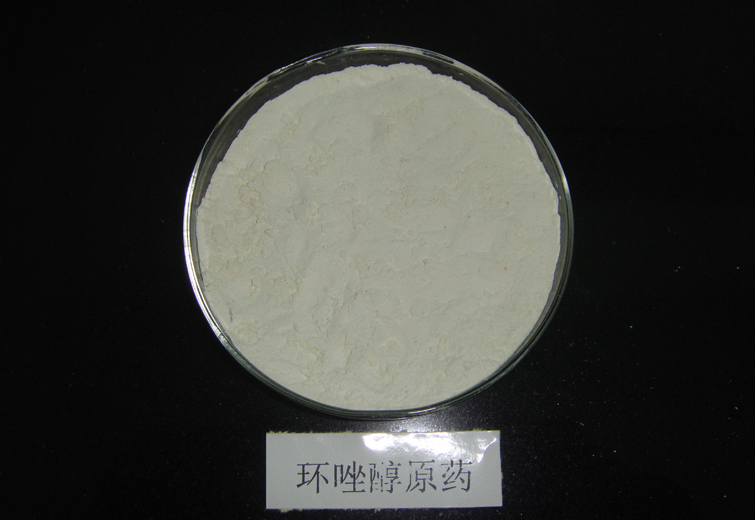
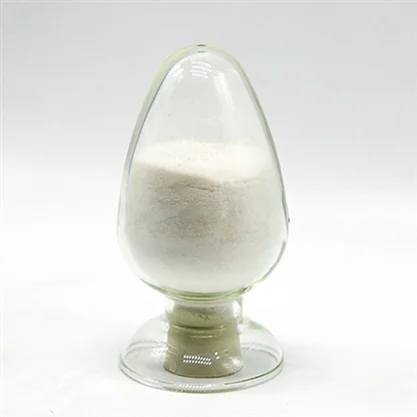
| 97% TC | Technical grade | Formulators who make their own end-use products |
| 98% TC | Technical grade | Formulators who want the higher listed purity |
| 25% SC | Suspension concentrate | Buyers who need a liquid end-use formulation |
| 70% WDG | Water dispersible granules | Buyers who prefer a granular, water-dispersible format |
The supplier states that it runs purity testing on the 97% and 98% TC grades and can tailor SC and WDG formulations to regional crop needs. If purity matters to your formulation, ask for the batch-specific certificate of analysis and the test method. Don't rely on the grade name alone.
3. Check the mode of action against your resistance-management plan
The listing describes trifloxystrobin as a respiratory chain inhibitor. It blocks electron transfer between cytochrome b and c1, which stops mitochondrial respiration and ATP synthesis in the pathogen. Because a single site is targeted, distributors and agronomists should decide how the product fits alongside fungicides with other modes of action in their programmes. The source material does not give resistance-management guidance, so get that from your local technical and regulatory advisers.
4. Compare the crop and disease scope with your target market
The published parameters list:
- Target crops: grapes, apples, wheat, peanuts, etc. Other parts of the page also mention bananas and vegetables.
- Control scope: powdery mildew, rust and rice blast. Downy mildew is mentioned in the advantages section.
- Application method: spraying stems and leaves.
These lists are not exactly the same across the page. For example, rice blast appears in the control scope, but rice is not on the target crop list. Before you put a crop–disease pairing on your own labels or sales materials, confirm it against the approved label in each destination country. The registered uses there decide what you can legally sell.
5. Plan for the environmental safety warning
The product listing carries a clear warning: highly toxic to aquatic life. The supplier says it provides guidelines to prevent contamination of water sources and aquatic habitats. In practice, buyers should:
- request the MSDS/SDS and review the storage, handling and disposal sections;
- check whether local rules set buffer zones or limits near water for your intended markets;
- make sure downstream users get the environmental precautions.
If your use involves application near water bodies or aquaculture, this product may not fit unless local label conditions allow it.
6. Confirm documentation and regulatory fit
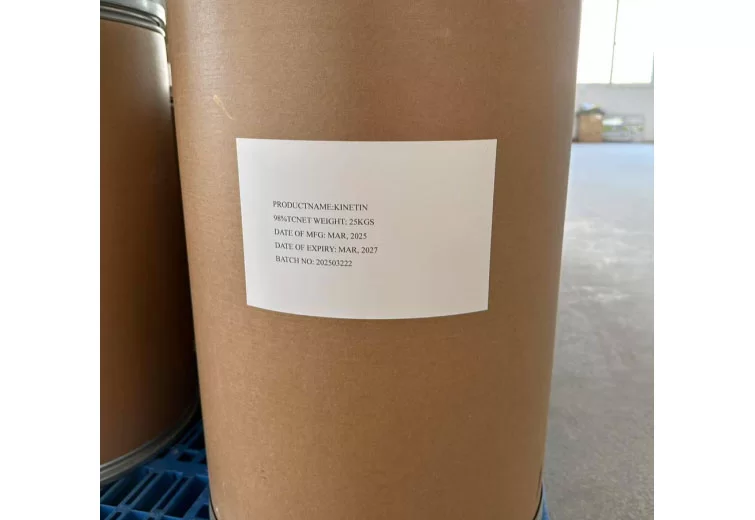
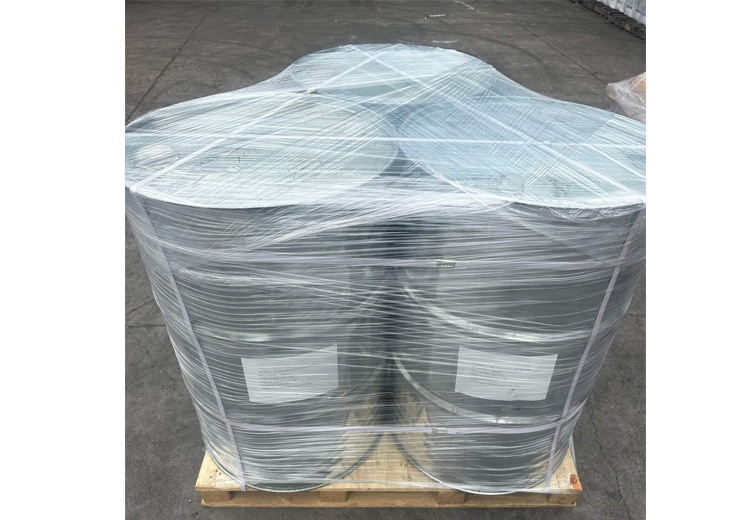
The supplier says it offers full documentation and MSDS support for international pesticide trade and import. It also mentions secure packaging and specialised transport for high-potency chemical products. The listing does not state product registration in any specific country. If you buy for the United States, the Middle East, Europe or Southeast Asia, confirm these points directly:
- whether the grade you want can be registered or imported in your country;
- which dossier or technical documents can be supplied;
- packaging specifications and shipping classification.
Prices, minimum order quantities and delivery times are not published in the material used for this guide. Request them in a formal quotation.
When this product may not be the right choice
- Your target crop or disease does not appear on the listing, or is not on the registered label in your market.
- Your programme needs a mode of action other than respiratory chain inhibition.
- You need a formulation type other than TC, SC or WDG.
- Water-protection rules make the product's aquatic toxicity profile unacceptable for your use.
A note on performance claims
The product page includes a comparison table with "standard fungicides" that refers to longer protection and better yield. The material does not include trial data, test conditions or field results behind those statements. Ask for supporting efficacy data relevant to your crops and region before you use such claims in your own marketing.
Next step
Review the full listing for the High Purity Trifloxystrobin Fungicide. Then send your target grade, destination country, crop list and documentation needs, so the quotation can be checked against your requirements.
THE PEOPLE

About the author
THE COMPANY
HEBEI JRAIN TECHNOLOGY CO.,LTD.
We, HEBEI JRAIN TECHNOLOGY CO., LTD. Located in Shijiazhuang city ,Hebei Province and is a basic producer and leading formulator of agrochemicals and Drying,filling equipment in China. JRAIN TECH has established a long-term business relations with many top companies and closely cooperate with Ministry of Agriculture of China and scientific research department of the famous Universities.…
YOUR NEXT STEP
Bring your brief. Start a useful conversation.
Use case, specification, quantity and delivery window: make the next conversation specific.