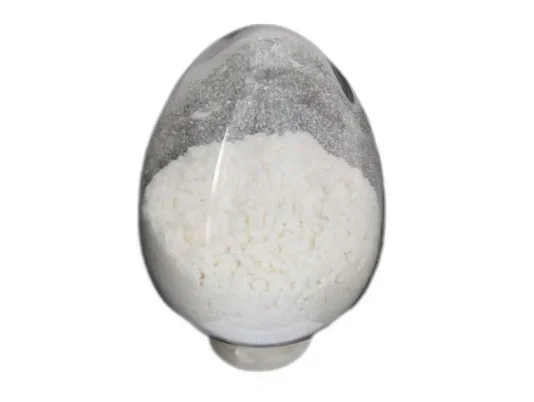
Role of Anionic Surfactant in Modern Agrochemical Formulations
The Role of Anionic Surfactant in Modern Agrochemical Formulations
In the complex world of crop protection, the efficiency of a herbicide is not solely dependent on the active ingredient but also on how that ingredient interacts with the target plant surface. This is where an anionic surfactant plays a critical role. By reducing surface tension and enhancing the wetting capabilities of spray solutions, these chemical agents ensure that broad-spectrum herbicides—such as those utilizing triazole and pyrimidine sulfonamide—can penetrate leaf cuticles effectively. For manufacturers in the pesticide industry, selecting the right surfactant is the key to maximizing biological activity while minimizing chemical waste in rice fields and other agricultural landscapes.

How Anionic Surfactant Enhances Herbicide Performance
An anionic surfactant is characterized by a negatively charged hydrophilic head. When added to a herbicide formulation designed to inhibit acetolactate synthase (ALS), it transforms the spray droplets from spheres that bounce off the waxy surface of weeds into flat films that spread across the leaf. This increased contact area is vital for controlling stubborn barnyardgrass and annual sedge. By improving the dispersion of the active agent, these surfactants prevent the "beading" effect, ensuring that the herbicide reaches the vascular system of the plant more rapidly and consistently.
Pro Tip: Using a high-quality anionic surfactant reduces the required volume of active ingredients, helping farmers avoid excessive dosage that could potentially harm sensitive crops in the following season.
Application Methods and the Anionic Surfactant Advantage
Whether dealing with dry field rice, water-live fields, or transplanting cultivation, the method of application is almost always spraying. The synergy between the herbicide and the anionic surfactant ensures a uniform coating. This is particularly important for broad-spectrum herbicides where consistency in coverage determines the difference between total weed eradication and patchy growth. The surfactant stabilizes the emulsion, preventing the active ingredients from settling at the bottom of the spray tank, which ensures every liter of solution applied is equally potent.
Technical Specifications: Anionic Surfactant and Herbicide Compatibility
For professionals in chemical manufacturing, understanding the specifications of the additive is as important as the active ingredient. The following table outlines the typical properties of an anionic surfactant when paired with triazole/pyrimidine sulfonamide herbicides to meet FAO standards.
Comparing Anionic Surfactant vs. Non-ionic Surfactants
Choosing between an anionic surfactant and a non-ionic alternative depends on the chemical nature of the active herbicide and the target weed. Anionic versions are often preferred for their powerful foaming and cleaning properties, which help in breaking down organic residues on the leaf surface. However, they must be carefully matched with the herbicide's own charge to avoid precipitation. In the case of broad-spectrum rice herbicides, anionic agents provide the necessary stability for professional registration and LOA requirements.

Safety Intervals and Professional Registration
The use of any anionic surfactant in a commercial herbicide product must be backed by professional registration, including GLP (Good Laboratory Practice) and ICAMA certifications. This ensures that the additive does not negatively impact the safety interval period of the agricultural products. It is crucial that the surfactant does not increase the toxicity or residue of the herbicide on the crop, ensuring that the final harvest remains safe for consumption and compliant with international health standards.
Conclusion: Optimizing Weed Control with Anionic Surfactants
The integration of a high-performance anionic surfactant is indispensable for the success of modern herbicides. By improving wetting, penetration, and stability, these agents allow triazole and pyrimidine sulfonamide products to work at their peak efficiency. For manufacturers and distributors, prioritizing FAO-standard additives and professional registration ensures not only the efficacy of the product in the field but also the safety of the global food supply chain. Invest in quality chemistry to ensure sustainable and effective agricultural productivity.
Frequently Asked Questions (FAQs)
Why is an anionic surfactant necessary for ALS inhibitors?
ALS inhibitors, such as triazole-based herbicides, often face challenges with leaf penetration due to the waxy cuticle of weeds like barnyardgrass. An anionic surfactant lowers the surface tension of the water, allowing the droplet to spread and penetrate the plant's protective layer. Without this additive, a significant portion of the herbicide would simply roll off the leaf, leading to poor control and the need for higher, potentially harmful dosages.
Can anionic surfactants cause crop phytotoxicity?
While anionic surfactants are generally safe, excessive concentrations can sometimes lead to phytotoxicity, especially in sensitive crops or during extreme weather. This is why precisely controlling the dosage is essential. Professional formulations provided by hbjrain.com are designed to balance efficacy with safety, ensuring that the weed is eliminated without damaging the primary crop or impacting the soil health for the next season.
What certifications should I look for when sourcing surfactants?
When sourcing an anionic surfactant for commercial use, look for FAO standard compliance, GLP (Good Laboratory Practice) data, and ICAMA registration. These certifications guarantee that the product has undergone rigorous testing for purity, stability, and environmental safety. Having a Letter of Authorization (LOA) is also critical for the seamless registration of the final herbicide product in various international markets.
How does it affect the safety interval of the crop?
A high-quality surfactant should not extend the safety interval period of the active herbicide. Its primary role is to facilitate the delivery of the active ingredient. By improving the efficiency of the herbicide, it may even allow for lower active ingredient concentrations, which can be beneficial for residue management. However, users must always adhere to the specified safety intervals to ensure that the agricultural products are safe for consumption after harvest.